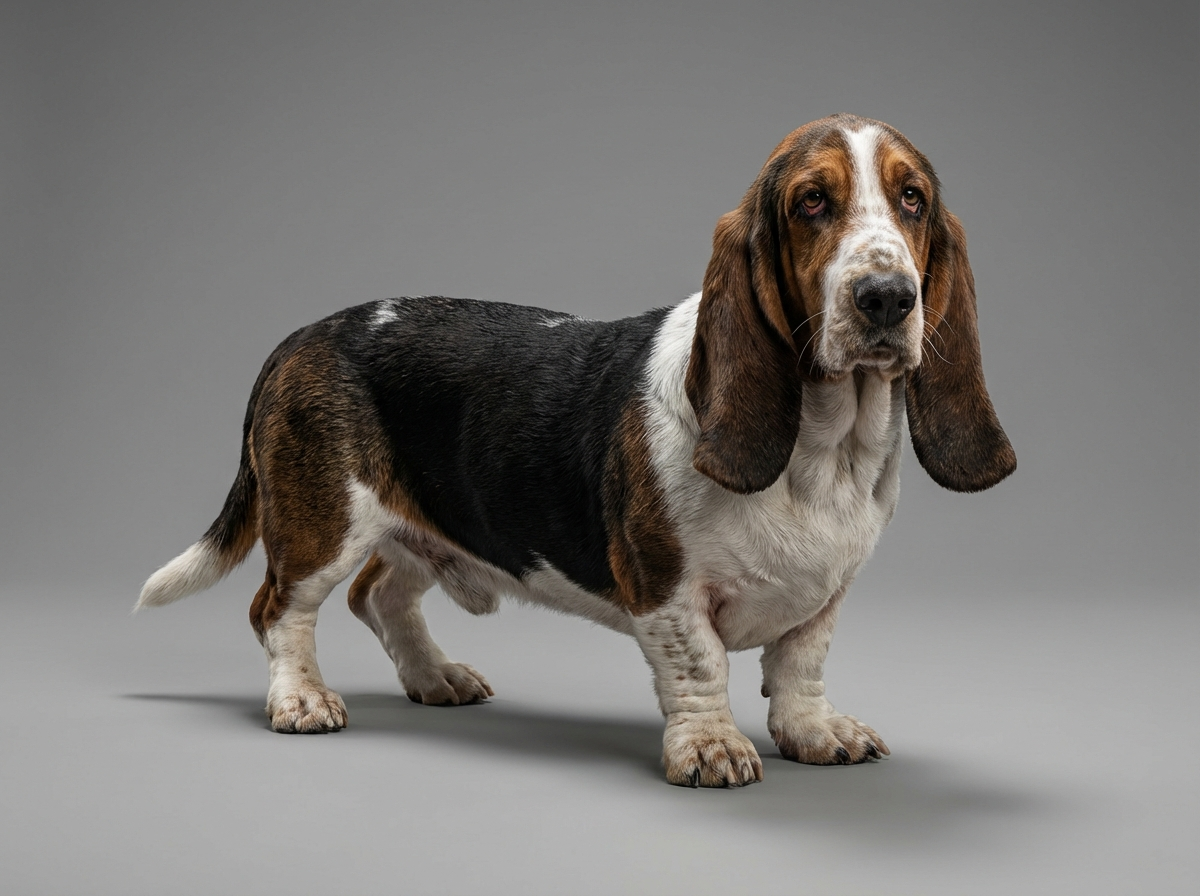
The Cavalier King Charles Spaniel is a small, affectionate dog known for its gentle nature and friendliness. This breed makes an excellent companion for families and individuals alike.
Best for: This breed is perfect for families, especially those with children. Their gentle temperament makes them great companions for kids, and they are also friendly with other pets. First-time dog owners will find them easy to train and manage, thanks to their eagerness to please.
Avoid if: If you travel frequently or spend long hours away from home, a Cavalier King Charles Spaniel may not be the best fit for you. They have low tolerance for being alone and can develop separation anxiety. Additionally, individuals who prefer a more independent dog might want to consider a different breed.
"The Cavalier King Charles Spaniel dog breed is known for its affectionate and sociable nature. These small dogs thrive on companionship and love being around people. They adapt well to various living situations, making them great for apartments and homes alike, but they do require regular exercise and grooming to stay healthy and happy."
Cavalier King Charles Spaniel photos
Cavalier King Charles Spaniels are friendly and adaptable dogs, making them excellent companions for various lifestyles. They thrive in loving homes, especially those with families and individuals who can give them attention.
Good fit if...
✓ Families with children
✓ First-time dog owners
✓ People living in apartments
✓ Individuals seeking a companion dog
Probably avoid if...
! Busy professionals with long hours away from home
! Allergy sufferers
! Active individuals seeking high-energy exercise partners
The Cavalier King Charles Spaniel dog breed is known for its affectionate and gentle nature. They are sociable and thrive on human interaction, making them excellent companions for families and individuals alike. Their graceful demeanor adds to their charm, making them a favorite among dog lovers.
Living Needs of Cavalier King Charles Spaniels
Cavaliers are small dogs, typically weighing between 13 to 18 pounds, which makes them suitable for apartments. They require moderate exercise, about 30 minutes daily, and enjoy short walks or playtime. However, they do not tolerate being alone for extended periods, so they are not the best fit for busy owners.
Cavalier King Charles Spaniel Dog Breed - Living Needs of Cavalier King Charles Spaniels
Cavalier King Charles Spaniel Pros and Cons
Understanding the pros and cons of the Cavalier King Charles Spaniel can help you decide if this breed is right for you.
Cavalier King Charles Spaniel Dog Breed - Cavalier King Charles Spaniel Pros and Cons
Pros
✓ Excellent with children and other pets, making them a great family dog.
✓ Very trainable and eager to please, which is ideal for first-time dog owners.
✓ Adaptable to apartment living due to their small size and lower exercise needs.
Cons
! Prone to specific health issues like heart disease and hip dysplasia, requiring regular vet visits.
! Moderate shedding means they need regular grooming to keep their coat in good shape.
! Not suitable for owners who are often away, as they can suffer from separation anxiety.
Key Decisions for Potential Cavalier Owners
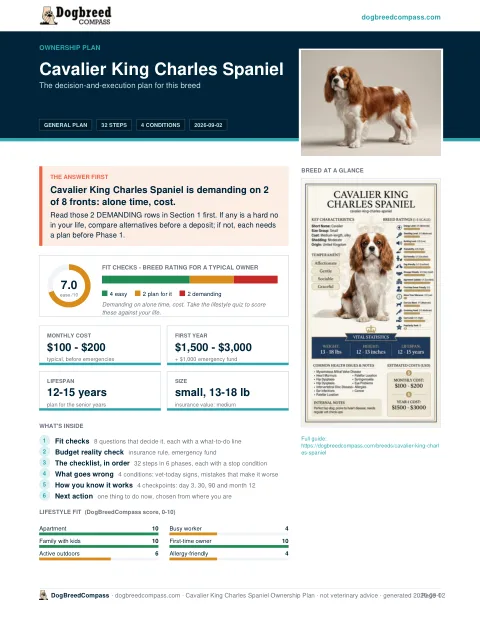
The Cavalier King Charles Spaniel is demanding on 2 of 8 fronts: alone time, cost. If any of those is a hard no in your life, this is not a good fit - compare a close cousin instead. If not, each one needs a plan before you commit, not after.
How many hours a day will the dog be alone? Demanding - Alone-time tolerance: very low. Away 6+ hours most days means daily cover (walker or daycare) or a different breed. Decide this before anything else.
Where will the dog live, and how much noise can the building take? Easy - Apartment suitability: very high; barking: low. Suits apartments and houses alike; barking is manageable with early quiet-training.
What can you spend every month, including a buffer for vet bills? Demanding - Typical monthly cost: $100 - $200; cost level 4/5. A high-cost breed ($100 - $200 a month before emergencies, and vet bills run higher than average). Decide your number before you decide the dog.
Have you trained a dog before? Easy - First-time-owner friendliness: very high; trainability: high. Forgiving for first-time owners; trainability makes the Phase 3 basics quick.
Are there children in the home (now or soon)? Easy - Kid-friendly: very high. Good with children when supervised; size and energy are the things to manage around toddlers.
How much exercise will you actually give, on a bad week? Plan for it - Exercise need: moderate; energy: moderate. Needs a real daily walk plus play - about an hour a day, in the calendar, not 'when there is time'.
How much hair and grooming can you live with? Plan for it - Shedding: moderate (Medium-length, silky); grooming need: moderate. Moderate shedding or grooming: brush weekly, and expect hair on the sofa.
Any other pets at home? Easy - Dog-friendly: very high. Generally easy with other dogs; cats are an individual question to ask the breeder or rescue.
A good fit if the demanding rows above have a plan you can name today; you should avoid this breed if one of them is something you would be hoping to change later. Take the lifestyle quiz to have these scored against your own answers.
Cavalier King Charles Spaniel Dog Breed - Key Decisions for Potential Cavalier Owners
Family & Kids Fit
The Cavalier King Charles Spaniel is known for being great with families and kids. Their gentle nature and affectionate personality make them wonderful companions. However, while they thrive in family settings, parents should consider a few factors when bringing one into their home.
Cavalier King Charles Spaniel Dog Breed - Family & Kids Fit
Pros
✓ Extremely kid-friendly, known for their gentle demeanor.
✓ Adaptable to different living situations, including apartments.
✓ Sociable and loves being around other dogs and people.
Cons
! May be too small for very young children who might handle them roughly.
! Requires supervision during playtime to prevent accidental injuries.
! Can be prone to separation anxiety, which may cause stress in busy households.
Apartment vs House Living
The Cavalier King Charles Spaniel dog breed is quite adaptable, making it suitable for both apartment and house living. In an apartment setting, these small dogs can thrive as long as they receive regular exercise and mental stimulation. Their moderate barking level means they are less likely to disturb neighbors, which is a plus in close quarters.
However, their sociable nature means they may struggle with being left alone for long periods, so keep that in mind if you're away often.
When it comes to house living, having a yard can be a significant advantage for the Cavalier. They enjoy exploring and playing, so a safe outdoor space allows them to burn off energy. While they still need daily walks, a yard offers them the freedom to run and play without relying solely on leash walks.
If you have children or other pets, a yard can provide a safe environment for everyone to interact.
Overall, if you live in an apartment, be ready to commit to daily outdoor activities to meet their exercise needs. If you have a yard, the Cavalier King Charles Spaniel will enjoy the extra space to play, making it a better fit for families who spend a lot of time outdoors.
Cavalier King Charles Spaniel Dog Breed - Apartment vs House Living
Pros
✓ Adaptable to small spaces with proper exercise.
✓ Moderate barking level is neighbor-friendly.
✓ Enjoys outdoor playtime when in a house.
Cons
! Struggles with being left alone for long periods.
! Needs regular outdoor activities, especially in apartments.
! May require more supervision in a yard with small children.
Grooming & Health Routine
Cavalier King Charles Spaniels require regular grooming and health care to keep them looking and feeling their best. Weekly brushing is essential to maintain their beautiful, silky coat and reduce shedding. You should also give them a bath every month or so, depending on their activity level and lifestyle.
Don’t forget to trim their nails regularly and clean their ears to prevent infections.
Cavalier King Charles Spaniel Dog Breed - Grooming & Health Routine
Pros
✓ Moderate grooming needs make them manageable for busy owners.
✓ Gentle grooming routine helps strengthen the bond between you and your Cavalier.
✓ Regular care can prevent many health issues.
Cons
! Weekly grooming can be time-consuming for some owners.
! Cavaliers may require more frequent vet visits due to health issues.
! The cost of grooming supplies and vet care can add up.
How long do Cavalier King Charles Spaniels live?
The Cavalier King Charles Spaniel has a typical lifespan of 12–15 years. From about 9, the Cavalier King Charles Spaniel moves into senior care — expect more frequent vet visits. Screening matters here: myxomatous mitral valve disease is the first condition on our list for the breed. At 18 lb the Cavalier King Charles Spaniel ages slowly, which is why this range sits at the long end of the 66 breeds we document. Before buying, ask the breeder for screening results covering myxomatous mitral valve disease, heart murmurs, hip dysplasia — those are the Cavalier King Charles Spaniel conditions our records list first.
Cavalier King Charles Spaniel lifecycle
Figure
Typical Cavalier King Charles Spaniel lifespan
12–15 years
Cavalier King Charles Spaniel counts as senior from
about 9 years
Cavalier King Charles Spaniel size class
Small
Adult Cavalier King Charles Spaniel weight
13–18 lb
Origin
United Kingdom
Three things move a Cavalier King Charles Spaniel within that 12–15 window rather than outside it: keeping the dog lean, staying ahead of dental disease, and screening for what the breed is known to carry.
Cavalier King Charles Spaniel size, weight and shedding
Adult weight for this breed runs 13–18 lb. The medium-length, silky coat sheds at a moderate rate. Expect full height and weight around the 12-month mark.
Cavalier King Charles Spaniel measurement
Figure
Adult Cavalier King Charles Spaniel weight
13–18 lb
Cavalier King Charles Spaniel height at the shoulder
12–13 in
Cavalier King Charles Spaniel shedding
moderate
Cavalier King Charles Spaniel coat
medium-length, silky
Cavalier King Charles Spaniel grooming need
moderate
Grooming load is moderate, which is what decides the monthly bill more than the coat length does. Dander drives most reactions, not hair — and the Cavalier King Charles Spaniel's moderate shedding rate is a rough proxy for how much circulates. Temperament ratings for the Cavalier King Charles Spaniel read affectionate, gentle, sociable, and the breed sits at number 13 for popularity in our data, with the breed developed in United Kingdom.
Cost snapshot
The first-year cost of owning a Cavalier King Charles Spaniel can range from $1,500 to $3,000. Monthly expenses typically fall between $100 and $200, covering food, grooming, and routine vet visits.
The Cavalier King Charles Spaniel dog breed is generally healthy but is prone to several significant health issues. Owners should be aware of these risks and prioritize regular vet visits to catch potential problems early.
Myxomatous Mitral Valve Disease
Heart Murmurs
Hip Dysplasia
Intervertebral Disc Disease
Ear Infections
Patellar Luxation
Syringomyelia
Eye Problems
Allergies
Cancer
Cavaliers typically live between 12 to 15 years. Their health needs change as they age, and senior dogs may require more frequent vet visits and specific diets.
Training & behavior
Cavalier King Charles Spaniels are generally eager to please, making them relatively easy to train. However, they can be sensitive and may need gentle handling during training.
House training can take time, especially with younger puppies.
They might develop separation anxiety if left alone for long periods.
Barking can become an issue if not properly managed.
If a Cavalier shows signs of severe anxiety or aggressive behavior, it's best to consult a professional trainer or behaviorist for guidance.
What is the size and energy level of a Cavalier King Charles Spaniel?
Cavalier King Charles Spaniels are small dogs, weighing between 13 to 18 pounds. They have a moderate energy level, requiring daily exercise but are also content to cuddle on your lap.
Health
What are some common health issues for Cavalier King Charles Spaniels?
Common health issues include heart murmurs and hip dysplasia. Regular veterinary visits are crucial for monitoring their health and addressing any concerns early.
Health
How long do Cavaliers live?
12–15 years, with senior care usually starting around 9.
Frequently asked questions
Is the Cavalier King Charles Spaniel good with families?
Absolutely! The Cavalier King Charles Spaniel dog breed is known for its affectionate and gentle nature. They are very sociable and get along well with children, making them an excellent choice for families.
Are Cavalier King Charles Spaniels good apartment dogs?
Yes, they are! The Cavalier King Charles Spaniel is small in size and has a moderate energy level, which makes them well-suited for apartment living. They enjoy cuddling and short walks, so they can thrive in smaller spaces.
How much exercise does a Cavalier King Charles Spaniel need?
Cavaliers typically need around 30 minutes to an hour of exercise each day. This can include walks, playtime, or even indoor activities. Keeping them active helps maintain their health and happiness.
What is the grooming requirement for a Cavalier King Charles Spaniel?
Grooming a Cavalier requires regular brushing, about 2-3 times a week, to manage their medium-length, silky coat. They shed moderately, so keeping up with grooming helps reduce loose hair around your home.
What are common health issues in Cavalier King Charles Spaniels?
Cavalier King Charles Spaniels can face several health challenges, such as heart disease and hip dysplasia. Regular vet check-ups are essential to catch any potential issues early and keep your furry friend healthy.
Are Cavalier King Charles Spaniels friendly with other dogs?
Yes, they are generally very friendly and sociable with other dogs. Their gentle temperament allows them to get along well in multi-pet households, making them a delightful addition to any family.
Are Cavalier King Charles Spaniels good family dogs?
Yes, Cavalier King Charles Spaniels are excellent family dogs. They are known for their affectionate nature and are particularly good with children, making them a great addition to households with kids.
What are the grooming needs of a Cavalier King Charles Spaniel?
Cavaliers have a medium-length, silky coat that needs regular grooming. Brushing a few times a week helps reduce shedding and keeps their coat healthy, along with regular baths to maintain cleanliness.
Is a Cavalier King Charles Spaniel suitable for apartment living?
Absolutely! The Cavalier King Charles Spaniel is well-suited for apartment living due to their small size and moderate energy level. They adapt well to smaller spaces as long as they receive daily exercise and mental stimulation.
What health issues should I be aware of with a Cavalier King Charles Spaniel?
Cavalier King Charles Spaniels can be prone to several health issues, including heart problems and hip dysplasia. Regular vet check-ups are essential to catch any potential issues early and ensure a long, healthy life for your dog.
How often do Cavalier King Charles Spaniels need grooming?
They require moderate grooming every few weeks to keep their silky coat in good condition. Regular brushing helps reduce shedding and keeps their coat healthy.
Do Cavalier King Charles Spaniels bark a lot?
Cavalier King Charles Spaniels have a moderate barking level. They will bark to alert you of visitors but are not excessive barkers, which makes them well-suited for various living situations.
What is the typical lifespan of a Cavalier King Charles Spaniel?
Cavalier King Charles Spaniels generally live between 12 to 15 years. Providing them with a healthy diet and regular vet check-ups can help ensure a long, happy life.
Are Cavalier King Charles Spaniels easy to train?
Yes, this breed is generally easy to train due to their eagerness to please. Positive reinforcement methods work best, and consistent training will help them learn commands quickly.
Do Cavaliers shed?
Yes — shedding for the Cavalier is moderate on our 1-to-5 scale. The coat is medium-length, silky, and grooming need is moderate. No breed is truly hypoallergenic; the difference is how much hair and dander reaches your floor.
How big does a Cavalier get?
An adult Cavalier weighs 13–18 lb and stands 12–13 inches at the shoulder. Growth finishes at around 12 months for a small breed.
Take the lifestyle quiz first to get it personalised to your home, schedule and budget.
Information only — please read
DogBreedCompass is an information website. Everything here - including breed traits, cost estimates, health explanations and calculator results - is general reference material shared for information only. It is not veterinary, medical, legal, or financial advice, and reading it does not create a veterinarian-client-patient or any other professional relationship.
We research and check what we publish, but we do not warrant that any figure, date, price, or statement is accurate, complete, or current, and we accept no liability for any loss, cost, injury, or other harm arising from the use of this site. Use it as one reference among several. You remain responsible for your own decisions and for your dog's care - confirm anything that matters with a licensed veterinarian or another qualified professional before you act on it.
Read the full disclaimer for the complete position on accuracy, liability and your responsibility as the reader.
Still deciding if Cavalier King Charles Spaniel is your match?
Take the Lifestyle Match quiz to see how this breed fits your day-to-day life, schedule, and budget.