Behavior
What are quick tips for Cavalier King Charles Spaniel elbow dysplasia?
Keep your Cavalier at a healthy weight and avoid high-impact play. Regular vet check-ups will also help monitor their joint health.

Quick answer
What are quick tips for Cavalier King Charles Spaniel elbow dysplasia?
Keep your Cavalier at a healthy weight and avoid high-impact play. Regular vet check-ups will also help monitor their joint health.
Cavalier King Charles Spaniel elbow dysplasia is a serious condition that affects your dog's joints.
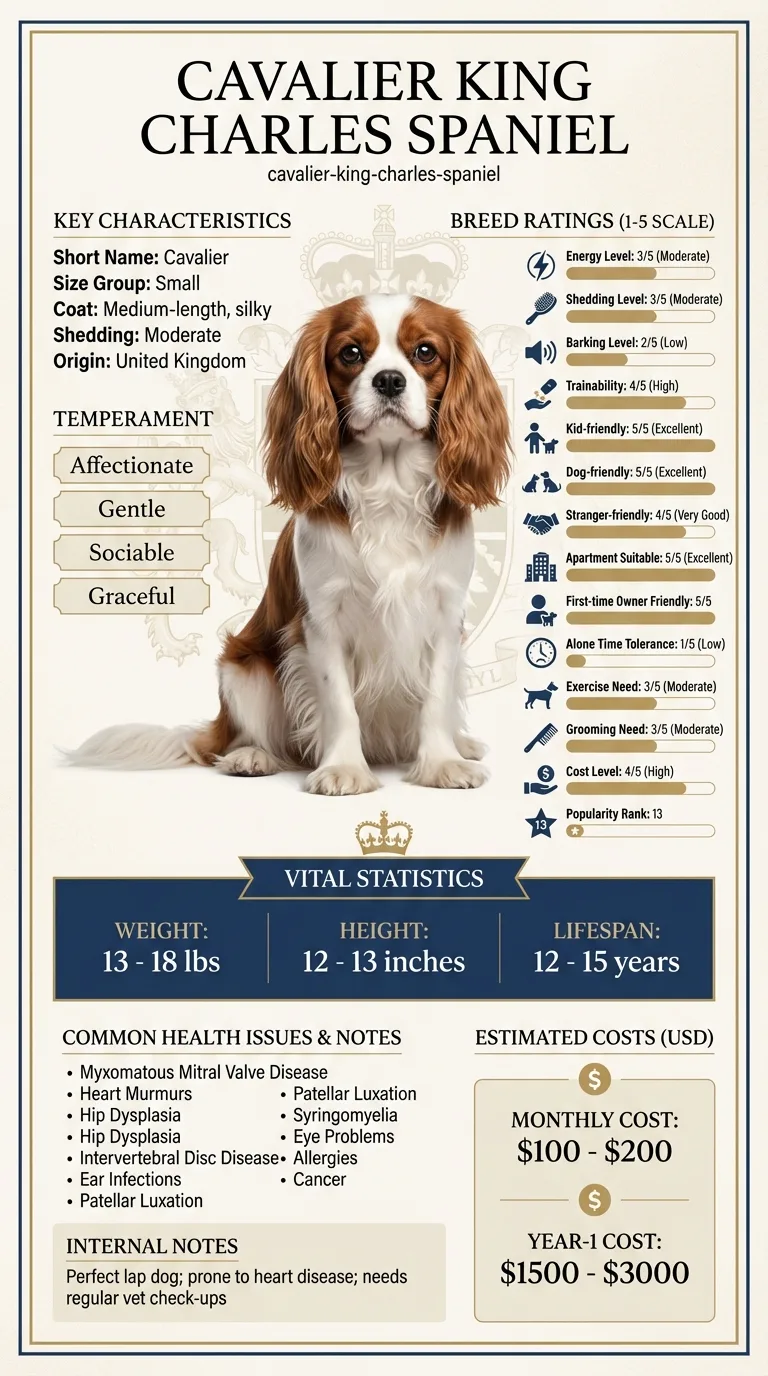
Owners of Cavaliers may notice signs like limping or reluctance to play. Busy families or first-time dog owners may feel overwhelmed, unsure of how to handle this health concern.
This guide is not medical advice. If your dog shows pain, sudden behavior change, or worsening symptoms, consult a licensed veterinarian.
Some links may be affiliate links. We may earn a commission at no extra cost to you. We only suggest products we believe are helpful for dog owners.
We research and check what we publish, but we do not warrant that any figure, date, price, or statement is accurate, complete, or current, and we accept no liability for any loss, cost, injury, or other harm arising from the use of this site. Use it as one reference among several. You remain responsible for your own decisions and for your dog's care - confirm anything that matters with a licensed veterinarian or another qualified professional before you act on it. Full disclaimer.
Check this first
Recognizing when Cavalier King Charles Spaniel elbow dysplasia becomes an emergency is crucial for your dog's well-being. Immediate veterinary attention is needed if your dog shows signs of severe pain, inability to use one or both front legs, or visible swelling in the elbow area. Other red flags include persistent whimpering, excessive licking of the elbow, and signs of distress, such as panting or hiding. These symptoms can indicate a more serious issue that requires urgent care.
On the other hand, if your Cavalier is showing mild limping or occasional stiffness after exercise, you can monitor the situation at home. Keeping an eye on their activity level and making sure they have comfortable resting spots may help. Mild cases can often be managed with a balanced diet and controlled exercise, but always consult your vet for personalized advice. Create a plan to track your dog’s mobility and comfort levels, and schedule a vet visit if symptoms persist or worsen.
If any of these apply, call your vet or an emergency clinic now. The rest of this page is for the cases that are not an emergency.
Cavalier King Charles Spaniel elbow dysplasia is a common joint issue that can lead to pain and mobility problems in these affectionate dogs. Daily life for a Cavalier with this condition may involve limping, reluctance to play, or difficulty getting up after resting. This problem typically arises from genetic predisposition or improper growth during puppyhood.
Elbow dysplasia is relatively common in Cavalier King Charles Spaniels, especially as they age. This breed's small size often masks the symptoms at first, making regular vet check-ups essential for early detection.
Cavalier King Charles Spaniels are small dogs that can be prone to certain genetic conditions, including elbow dysplasia. This condition can arise due to inherited traits that affect joint development. Their physical structure and activity levels can also contribute to the likelihood of developing this issue.
Environmental factors such as obesity, lack of exercise, and injury can increase the risk of elbow dysplasia in Cavaliers. If they're not kept at a healthy weight or do not engage in regular, appropriate exercise, the stress on their joints can lead to issues. Additionally, rough play or accidents can exacerbate existing problems.
If you notice swelling, limping, or persistent pain in your Cavalier's elbows, consult your vet. They can diagnose the issue accurately and recommend treatment options, which may include medication or physical therapy.
Avoiding certain behaviors can help improve your Cavalier King Charles Spaniel's elbow dysplasia. Here are common mistakes and safer alternatives.
Start here: Cavalier King Charles Spaniel Genetic Disorders: Screening
See all Cavalier King Charles Spaniel health problems, which breeds are prone to elbow dysplasia, or the full Cavalier King Charles Spaniel breed guide for temperament, exercise needs and ownership costs.
You can expect to see progress in your Cavalier King Charles Spaniel's elbow dysplasia management within 3 to 6 months of starting a consistent treatment and exercise plan.
Success means your dog experiences reduced pain and increased mobility, allowing them to engage in regular activities like walks and play without discomfort.
Emily, a first-time dog owner, adopted Max, a Cavalier King Charles Spaniel, who was diagnosed with elbow dysplasia at just a year old. Initially, Emily was overwhelmed by the idea of managing Max’s condition, especially the thought of needing surgical intervention. After consulting a vet, she learned about a combination of weight management, targeted exercises, and physical therapy. Over the next few months, Emily diligently followed the vet's advice, and Max's condition improved significantly. He started enjoying short walks again and even resumed playing fetch with his favorite toy.
Key takeaway: With commitment and a solid support plan, managing Cavalier King Charles Spaniel elbow dysplasia can lead to a happier, more active life for your pet.
Cavalier King Charles Spaniel elbow dysplasia is often caused by genetic factors, which lead to joint malformation. This condition can also be exacerbated by rapid growth, obesity, and high-impact activities. Regular vet check-ups are key in monitoring their joint health.
To manage Cavalier King Charles Spaniel elbow dysplasia, focus on maintaining a healthy weight and providing low-impact exercise. Consult your vet for a tailored exercise plan and consider physical therapy for strengthening the elbow joints. Regular vet visits can help track progress.
Surgery may be necessary if your Cavalier's elbow dysplasia is severe and other treatments aren't effective. Your vet will evaluate the condition and recommend the best approach, which may include medication, therapy, or surgery. Always discuss risks and benefits with your vet.
Gentle training focused on low-impact activities can help manage Cavalier King Charles Spaniel elbow dysplasia. Opt for swimming, leash walks, and controlled playtime to avoid stress on the joints. Consistency is key; consult a trainer experienced in managing health issues.
Yes, elbow dysplasia can develop in older Cavalier King Charles Spaniels, although it is more commonly diagnosed in younger dogs. If you notice any changes in mobility or behavior, an examination by a vet is recommended.
To help your Cavalier, ensure they maintain a healthy weight and engage in low-impact exercises. Consult your vet about a suitable exercise plan and consider physical therapy to improve their mobility.
The long-term outlook for a Cavalier with elbow dysplasia can vary based on severity and treatment. With proper care, many Cavaliers can lead a comfortable life, but ongoing management may be necessary to address their joint health.
Keep your Cavalier at a healthy weight and avoid high-impact play. Regular vet check-ups will also help monitor their joint health.
Aim for about 30 minutes of low-impact exercise daily, such as gentle walks or swimming. Avoid rough play to protect their joints.
While some at-home care can help, like controlled exercise and weight management, always consult your vet for proper guidance and treatment options.
Costs can range widely depending on treatment types, from vet visits and medication to potential surgery, often totaling several hundred to thousands of dollars. It's wise to budget for ongoing care.
A one-page prep sheet for this condition: the signs, the questions to ask, what to get priced. Unlocks here.
You get: Vet visit prep sheet
No spam. One-click unsubscribe. See our privacy policy.
Preview page 1 before you decide.