Behavior
What are quick tips for dealing with anesthesia sensitivity?
Discuss anesthesia protocols with your vet and ensure thorough health checks before procedures. This can help mitigate risks associated with anesthesia sensitivity.

Quick answer
What are quick tips for dealing with anesthesia sensitivity?
Discuss anesthesia protocols with your vet and ensure thorough health checks before procedures. This can help mitigate risks associated with anesthesia sensitivity.
Cavalier King Charles Spaniel anesthesia sensitivity can pose significant health risks during veterinary procedures. It's crucial for owners to recognize this issue early.
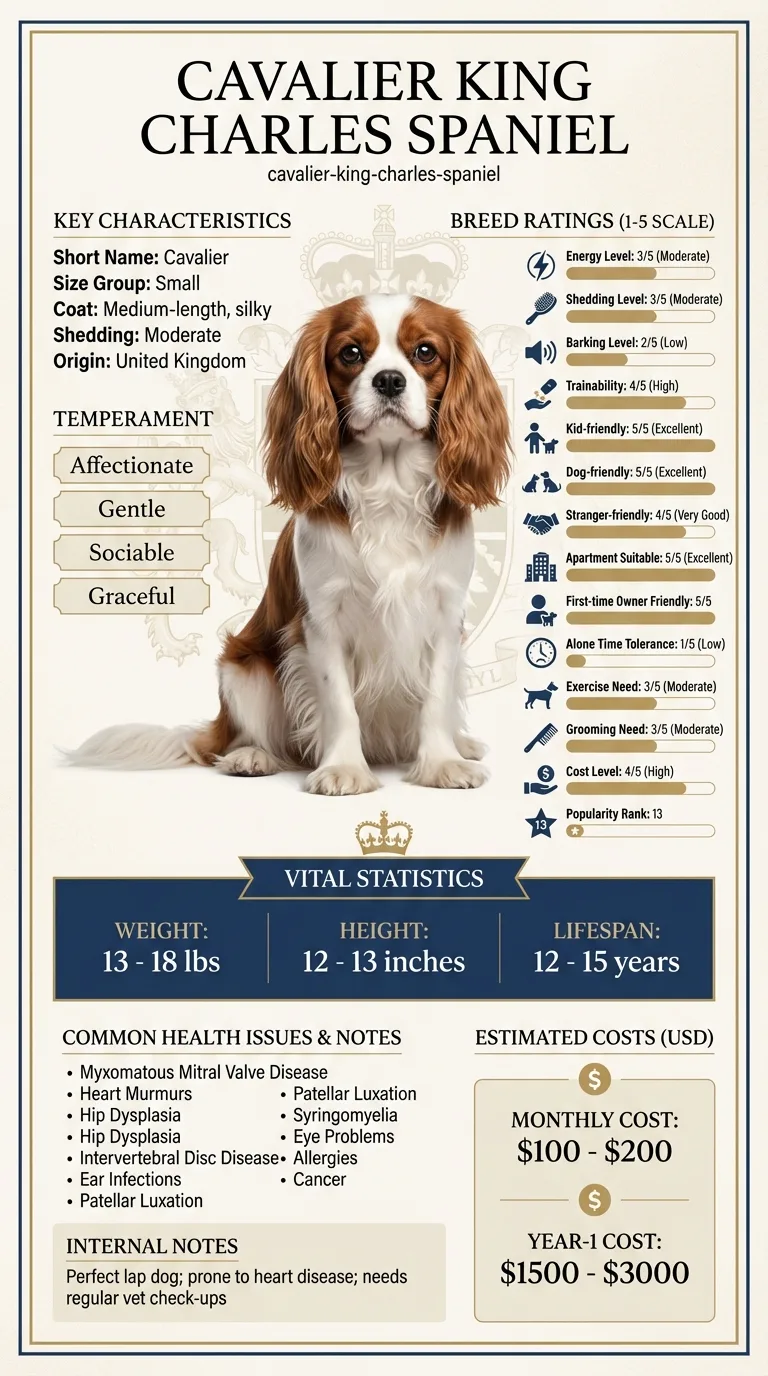
Typically, Cavalier owners who face this issue are those with pets requiring frequent veterinary care due to health concerns. This includes families who love their Cavaliers deeply and want to ensure their safety during medical procedures.
This guide is not medical advice. If your dog shows pain, sudden behavior change, or worsening symptoms, consult a licensed veterinarian.
Some links may be affiliate links. We may earn a commission at no extra cost to you. We only suggest products we believe are helpful for dog owners.
We research and check what we publish, but we do not warrant that any figure, date, price, or statement is accurate, complete, or current, and we accept no liability for any loss, cost, injury, or other harm arising from the use of this site. Use it as one reference among several. You remain responsible for your own decisions and for your dog's care - confirm anything that matters with a licensed veterinarian or another qualified professional before you act on it. Full disclaimer.
Check this first
Red flags that mean you should call your vet now include excessive vomiting after anesthesia, severe agitation, or difficulty breathing. If your Cavalier is showing signs of lethargy, a rapid heart rate, or has difficulty standing, these are serious issues that require immediate attention.
On the other hand, if your dog is slightly disoriented or experiences mild grogginess, these symptoms can often be monitored at home. You can keep an eye on them for a few hours, ensuring they're comfortable and not in distress. If they show no improvement or their condition worsens, it’s best to reach out to your vet.
Always trust your instincts. If you think something is wrong, it’s better to err on the side of caution. Your Cavalier's safety is the priority, and prompt action can make a significant difference.
If any of these apply, call your vet or an emergency clinic now. The rest of this page is for the cases that are not an emergency.
Cavalier King Charles Spaniel anesthesia sensitivity can be a serious concern for owners. This breed often reacts poorly to anesthetic drugs, which can lead to complications during surgeries or other medical procedures. Owners may notice unusual reactions, prolonged recovery times, or even severe side effects after their Cavalier undergoes anesthesia.
This sensitivity is relatively common in Cavaliers, as their breed is known for certain health issues, particularly heart problems. Many Cavaliers may be affected, making it crucial for owners to discuss anesthesia risks with their veterinarians.
Cavalier King Charles Spaniels are prone to certain genetic factors that can increase their sensitivity to anesthesia. Their small size and unique physiology can affect how they metabolize drugs, making them more vulnerable to complications during procedures requiring anesthesia.
Environmental factors can also play a role in anesthesia sensitivity. Stressful situations, such as loud noises or unfamiliar places, can heighten anxiety levels in Cavaliers. Additionally, underlying health issues common in the breed, like heart disease, can complicate their reaction to anesthesia.
If you notice extreme reactions to anesthesia, such as prolonged recovery times or unusual behavior post-surgery, consult your vet. They may recommend a thorough health check or alternative anesthetic options tailored for your Cavalier.
Avoiding these common mistakes can help you manage your Cavalier King Charles Spaniel's anesthesia sensitivity better.
Start here: Cavalier King Charles Spaniel Genetic Disorders: Screening
See all Cavalier King Charles Spaniel health problems, which breeds are prone to anesthesia sensitivity, or the full Cavalier King Charles Spaniel breed guide for temperament, exercise needs and ownership costs.
You can expect to see improvements in your Cavalier King Charles Spaniel's anesthesia sensitivity management within a few weeks to months of consistent care and vet consultations.
Success means your dog will undergo necessary procedures with less anxiety and a reduced risk of complications, allowing for a smoother recovery.
Sarah, a busy nurse from Atlanta, adopted Bella, a Cavalier King Charles Spaniel. During her first vet visit, Bella experienced severe anxiety when sedated for a routine procedure. Concerned, Sarah researched anesthesia sensitivity and learned that some Cavaliers are more prone to complications. She spoke to her vet, who offered a tailored plan that included gradual desensitization training at home. Over several weeks, Sarah used calming techniques and positive reinforcement to help Bella feel more comfortable. The next time Bella needed anesthesia for a dental cleaning, she was noticeably calmer. The procedure went smoothly, and Bella recovered quickly.
Key takeaway: With the right training and vet support, Cavalier King Charles Spaniels can overcome anesthesia sensitivity challenges, leading to safer vet visits.
Anesthesia sensitivity in Cavalier King Charles Spaniels can be due to their unique genetic makeup. This breed is prone to certain heart conditions that may increase their risk during anesthesia. It's essential to have a thorough pre-anesthetic evaluation by a vet. This answer relates to Cavalier King Charles Spaniel anesthesia sensitivity.
Managing anesthesia sensitivity involves discussing your concerns with your veterinarian. They might recommend alternative anesthetic protocols or preemptive medications to minimize risks. Always ensure that your dog’s health is evaluated before any procedures.
Signs of anesthesia sensitivity may include prolonged recovery times after surgery, unusual reactions during anesthesia, or increased sensitivity to sedation. If you notice any of these issues, it's essential to consult your veterinarian for guidance.
If your Cavalier has a bad reaction to anesthesia, contact your vet immediately. They can assess the situation and provide treatment for any adverse effects. Keeping a record of any reactions can help in future procedures.
While you can't prevent anesthesia sensitivity entirely, you can reduce risks by maintaining your dog's overall health. Regular vet visits and addressing any underlying health problems can make a significant difference during anesthesia.
Yes, anesthesia sensitivity can be more pronounced in older Cavalier King Charles Spaniels due to underlying health conditions. Regular veterinary check-ups are crucial for older dogs to assess their risk before any surgical procedure.
Cavalier King Charles Spaniels with known anesthesia sensitivity can still undergo routine procedures, but special precautions should be taken. Your vet may recommend alternative anesthetic protocols to minimize risks.
Preparing your Cavalier for surgery involves discussing their anesthesia sensitivity with your veterinarian. They may suggest blood tests to assess overall health and tailor the anesthesia plan to suit your dog's specific needs.
If your Cavalier has a bad reaction to anesthesia, contact your veterinarian immediately. They can provide treatment to manage the reaction and adjust future anesthesia plans to prevent similar issues.
Discuss anesthesia protocols with your vet and ensure thorough health checks before procedures. This can help mitigate risks associated with anesthesia sensitivity.
Signs of anesthesia sensitivity can include prolonged recovery times or unusual behavior post-surgery. Always monitor your dog closely and report any concerns to your vet.
Prepare by scheduling a pre-anesthetic exam with your vet and discussing any health concerns. Ensure your dog is fasting as recommended prior to the procedure.
A one-page prep sheet for this condition: the signs, the questions to ask, what to get priced. Unlocks here.
You get: Vet visit prep sheet
No spam. One-click unsubscribe. See our privacy policy.
Preview page 1 before you decide.
Early access list
The free prep sheet covers the same-day warning signs, a symptom log and the questions to ask. We are considering a fuller kit that adds a cost worksheet for the usual tests and treatments (US price ranges with their sources) and a plain-English guide to ways of covering the bill. It is not built yet; this list tells us whether it is worth building.
One email, no spam, unsubscribe anytime. Information only, not veterinary advice.