Health
What are quick tips for managing chronic active hepatitis in Cavaliers?
Feed a vet-recommended diet, ensure regular vet visits, and monitor for worsening symptoms.

Quick answer
What are quick tips for managing chronic active hepatitis in Cavaliers?
Feed a vet-recommended diet, ensure regular vet visits, and monitor for worsening symptoms.
Cavalier King Charles Spaniel chronic active hepatitis is a serious liver condition that can affect your dog's health and happiness.
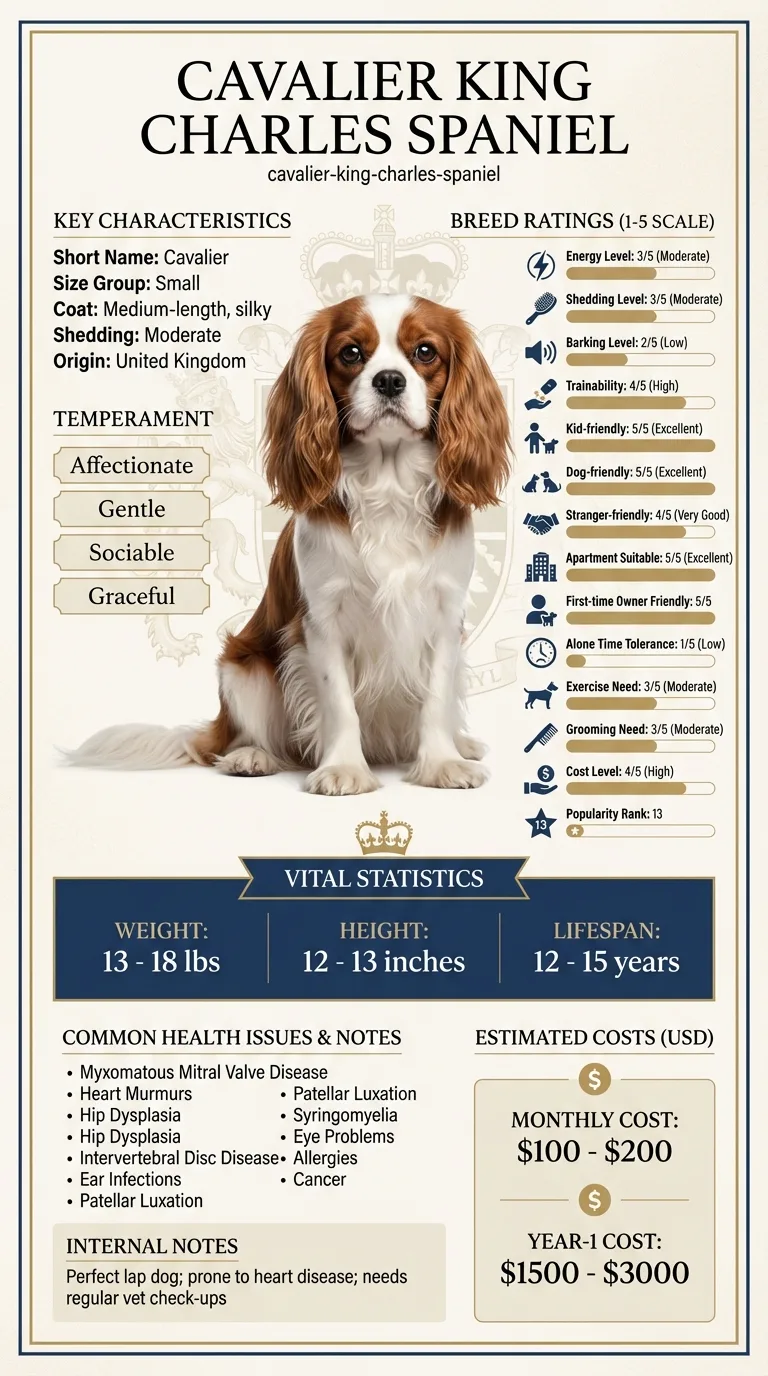
Owners of Cavalier King Charles Spaniels, especially those new to dog ownership, often find themselves facing this challenge. It’s particularly concerning for families who may not be prepared for the medical expenses involved.
This guide is not medical advice. If your dog shows pain, sudden behavior change, or worsening symptoms, consult a licensed veterinarian.
Some links may be affiliate links. We may earn a commission at no extra cost to you. We only suggest products we believe are helpful for dog owners.
We research and check what we publish, but we do not warrant that any figure, date, price, or statement is accurate, complete, or current, and we accept no liability for any loss, cost, injury, or other harm arising from the use of this site. Use it as one reference among several. You remain responsible for your own decisions and for your dog's care - confirm anything that matters with a licensed veterinarian or another qualified professional before you act on it. Full disclaimer.
Check this first
Recognizing when Cavalier King Charles Spaniel chronic active hepatitis becomes an emergency is crucial. If your dog shows severe symptoms, it’s time to call your vet immediately. Look for signs like persistent vomiting, jaundice (yellowing of the skin or eyes), extreme lethargy, or significant changes in appetite or behavior. These can indicate serious liver dysfunction that requires urgent care.
If any of these apply, call your vet or an emergency clinic now. The rest of this page is for the cases that are not an emergency.
Cavalier King Charles Spaniel chronic active hepatitis is a serious liver condition that can significantly affect your dog's health. This problem may manifest as lethargy, loss of appetite, vomiting, or jaundice. As a small breed known for its affectionate nature, Cavaliers can show subtle signs of discomfort, making it crucial for owners to be vigilant.
Chronic active hepatitis is relatively common in Cavalier King Charles Spaniels, with studies indicating that liver issues can arise in up to 10% of the breed. Regular vet check-ups can help catch these problems early, especially since Cavaliers are prone to various health issues.
Cavalier King Charles Spaniels can be prone to chronic active hepatitis due to genetic factors. Their smaller size and specific breed characteristics may make them more susceptible to liver issues. Additionally, certain inherited conditions in this breed can contribute to liver disease.
Environmental factors also play a significant role. Diet quality, exposure to toxins, and overall health can affect liver function. Stressful environments or lack of regular vet check-ups can worsen these conditions, leading to chronic liver problems.
Consult your vet if you notice symptoms like vomiting, lethargy, or jaundice. Regular check-ups are important for early detection of liver issues. If your dog is diagnosed with chronic active hepatitis, follow your vet’s recommendations closely for treatment and management.
When dealing with Cavalier King Charles Spaniel chronic active hepatitis, owners may unintentionally worsen the situation. Here are some common mistakes to avoid, along with safer alternatives.
Start here: Cavalier King Charles Spaniel Genetic Disorders: Screening
See all Cavalier King Charles Spaniel health problems, which breeds are prone to chronic active hepatitis, or the full Cavalier King Charles Spaniel breed guide for temperament, exercise needs and ownership costs.
Managing Cavalier King Charles Spaniel chronic active hepatitis typically takes several weeks to months. Initial treatment might show improvements within a few weeks, but ongoing management is crucial.
Success means your Cavalier feels comfortable, maintains a healthy weight, and shows improved energy levels. Regular vet check-ups and adherence to a treatment plan will help manage the condition effectively.
In less severe cases, you can choose to monitor your Cavalier King Charles Spaniel at home. Mild symptoms, such as occasional vomiting or slight lethargy, can often be managed with a watchful eye. Establish a plan with your vet that includes regular check-ups and note any changes in your dog’s behavior over time. Maintain a healthy diet and ensure they stay hydrated during this period.

Megan, a busy nurse in Seattle, noticed that her Cavalier King Charles Spaniel, Charlie, was more lethargic than usual. After a vet visit, she learned he had chronic active hepatitis. Initially overwhelmed, Megan followed a strict diet and medication schedule. She also joined a local support group for other Cavalier owners. With time and patience, Charlie regained his energy, and Megan felt more confident in managing his health.
Key takeaway: With the right support and treatment plan, you can successfully manage Cavalier King Charles Spaniel chronic active hepatitis. Staying informed and connected with others makes a big difference.
Chronic active hepatitis in Cavalier King Charles Spaniels can occur due to genetic predisposition, infections, or exposure to toxins. It's essential to consult your vet for a proper diagnosis and treatment plan. This answer relates to Cavalier King Charles Spaniel chronic active hepatitis.
To support your Cavalier with chronic active hepatitis, ensure they receive a balanced diet and regular vet check-ups. Follow your vet's recommendations for medications and monitor their symptoms closely.
Symptoms of chronic active hepatitis may include vomiting, diarrhea, lethargy, and jaundice. If you notice these signs, contact your veterinarian immediately for evaluation.
Yes, treatment options include medications to manage liver function and dietary changes. Your vet will tailor a treatment plan based on your dog's specific condition.
The long-term outlook varies, but with proper care and management, many Cavaliers can lead comfortable lives. Regular veterinary check-ups are crucial to monitor their health.
While not all cases can be prevented, maintaining a healthy diet, regular exercise, and avoiding toxins can help. Routine veterinary care is essential for early detection of liver issues.
Treatment costs for chronic active hepatitis can range from $500 to $2,500 annually, depending on the severity and required care. It's vital to discuss potential costs with your vet.
Symptoms of chronic active hepatitis can include vomiting, diarrhea, lethargy, and jaundice. You may also notice changes in appetite or behavior. If you see these signs, it's essential to consult your vet for a proper diagnosis.
Yes, many Cavalier King Charles Spaniels with chronic active hepatitis can lead a normal life with appropriate care and management. Regular vet check-ups, proper diet, and medications can help maintain their quality of life. However, each case is different, so follow your vet's advice closely.
Older Cavalier King Charles Spaniels may be more susceptible to chronic active hepatitis due to age-related health issues. It's crucial to monitor their health closely and have regular vet visits to catch any potential problems early. Adjustments in diet and exercise may also be needed as they age.
It's best to feed a Cavalier King Charles Spaniel with chronic active hepatitis a high-quality, easily digestible diet. Your vet may recommend specific dietary changes or supplements to support liver health. Always consult your vet before making any significant changes to their diet.
Seek emergency care if your Cavalier shows severe symptoms like uncontrolled vomiting, difficulty breathing, or significant changes in behavior. Rapid weight loss or severe lethargy are also red flags. Early intervention can be crucial in managing serious health issues.
Feed a vet-recommended diet, ensure regular vet visits, and monitor for worsening symptoms.
Your Cavalier might become lethargic or less social due to discomfort. Pay attention to any shifts in energy or behavior.
Watch for vomiting, yellowing of the eyes, and changes in appetite. Early detection is key.
Yes, but keep training sessions short and positive. Focus on gentle activities to avoid stress.
Costs can range widely based on treatment needs, from $500 to $2,500 annually. Always plan for regular vet visits.
A one-page prep sheet for this condition: the signs, the questions to ask, what to get priced. Unlocks here.
You get: Vet visit prep sheet
No spam. One-click unsubscribe. See our privacy policy.
Preview page 1 before you decide.