Health
What are quick tips for managing Cavalier King Charles Spaniel ARVC?
Regular vet check-ups, a balanced diet, and controlled exercise are vital for managing ARVC effectively.

Quick answer
What are quick tips for managing Cavalier King Charles Spaniel ARVC?
Regular vet check-ups, a balanced diet, and controlled exercise are vital for managing ARVC effectively.
Cavalier King Charles Spaniels are prone to arrhythmogenic right ventricular cardiomyopathy (ARVC), a serious heart condition that affects their quality of life. (Cavalier King Charles Spaniel arrhythmogenic right ventricular cardiomyopathy (arvc))
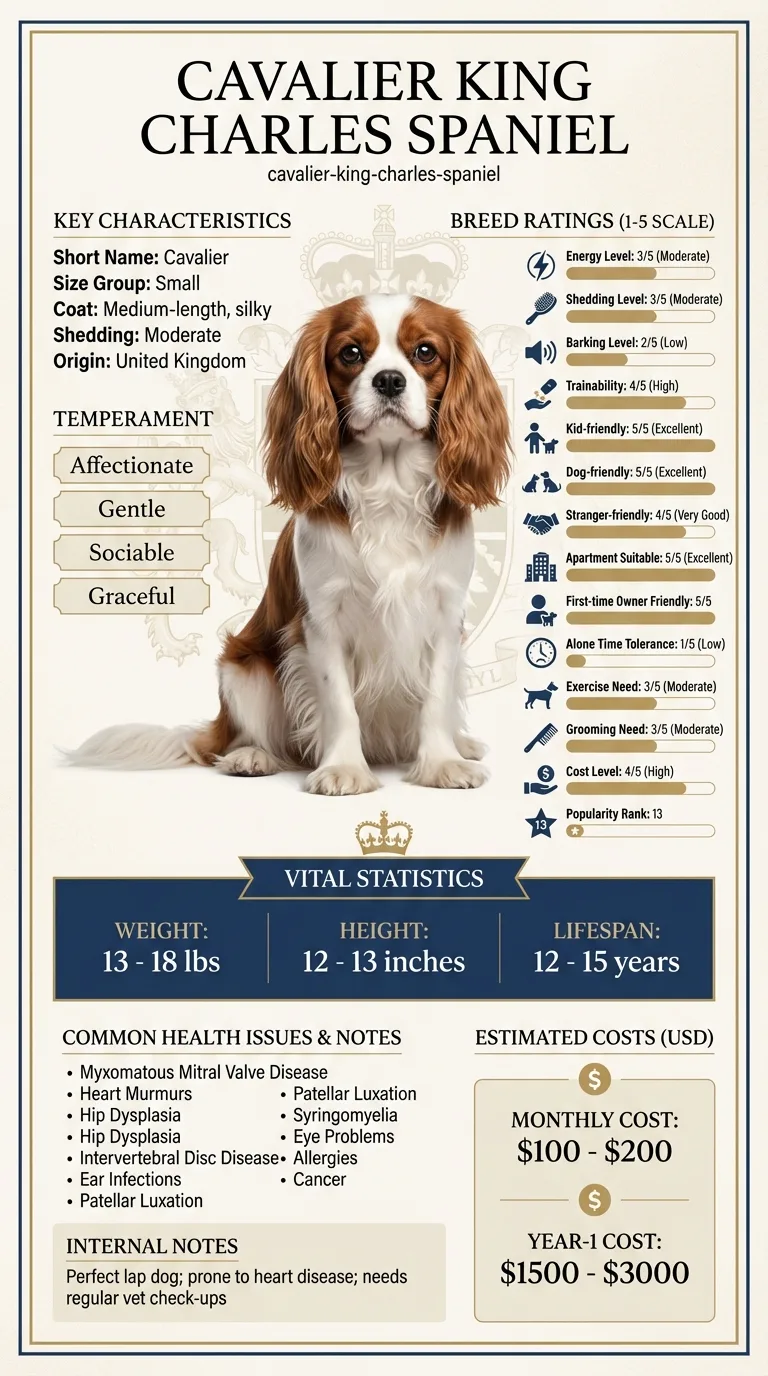
Many Cavalier King Charles Spaniel owners face challenges with ARVC, especially those who may not be aware of the breed's predisposition to heart problems. First-time dog owners and busy families may find it particularly hard to notice subtle health changes in their pets.
This guide is not medical advice. If your dog shows pain, sudden behavior change, or worsening symptoms, consult a licensed veterinarian.
Some links may be affiliate links. We may earn a commission at no extra cost to you. We only suggest products we believe are helpful for dog owners.
We research and check what we publish, but we do not warrant that any figure, date, price, or statement is accurate, complete, or current, and we accept no liability for any loss, cost, injury, or other harm arising from the use of this site. Use it as one reference among several. You remain responsible for your own decisions and for your dog's care - confirm anything that matters with a licensed veterinarian or another qualified professional before you act on it. Full disclaimer.
Check this first
Recognizing when Cavalier King Charles Spaniel arrhythmogenic right ventricular cardiomyopathy (ARVC) is an emergency can save your dog's life. Some signs indicate you should call your vet immediately, while others can be monitored at home. Pay attention to your dog's symptoms and act accordingly.
If any of these apply, call your vet or an emergency clinic now. The rest of this page is for the cases that are not an emergency.
Cavalier King Charles Spaniel arrhythmogenic right ventricular cardiomyopathy (ARVC) is a serious heart rhythm disorder that can significantly impact your dog's health. This condition often leads to irregular heartbeats, fatigue, and even fainting spells. If you notice your Cavalier becoming lethargic or struggling during exercise, it could be a sign of ARVC.
ARVC is fairly common in Cavalier King Charles Spaniels, particularly as they age. Many dogs develop this condition by around 5 to 7 years old, making regular veterinary check-ups essential for early detection.
Cavalier King Charles Spaniels are genetically predisposed to arrhythmogenic right ventricular cardiomyopathy (ARVC). This breed often has a family history of heart issues, making them more vulnerable to this heart rhythm disorder as they age. Their affectionate nature may also lead them to be less active, contributing to health problems.
Environmental factors can worsen ARVC symptoms. Stressful situations, inconsistent exercise routines, or poor diet can trigger heart issues. Living in a noisy environment or one with frequent changes can also increase anxiety, impacting their overall heart health.
Consult your vet if you notice any signs of heart problems, such as coughing, lethargy, or difficulty breathing. Regular check-ups are crucial for early detection of ARVC and other potential health issues.
Avoid these common mistakes that can worsen your Cavalier King Charles Spaniel's arrhythmogenic right ventricular cardiomyopathy (ARVC). Understanding what not to do can help you and your pup manage this condition better.
Start here: Cavalier King Charles Spaniel Genetic Disorders: Screening
See all Cavalier King Charles Spaniel health problems, which breeds are prone to arrhythmogenic right ventricular cardiomyopathy arvc, or the full Cavalier King Charles Spaniel breed guide for temperament, exercise needs and ownership costs.
Managing Cavalier King Charles Spaniel arrhythmogenic right ventricular cardiomyopathy (ARVC) usually takes several months to establish a routine. Expect to see gradual improvements in your dog's health with consistent care and vet visits.
Success means your Cavalier shows fewer signs of distress and maintains a stable heart rate. You'll also notice improved energy levels and a happier demeanor as you learn how to manage their condition.
If your Cavalier shows any of these symptoms, consider it an emergency: - Sudden collapse or fainting - Severe lethargy or weakness - Rapid breathing or difficulty breathing - Persistent coughing or gagging - Swollen abdomen or signs of pain

Some symptoms can be monitored at home. If your Cavalier experiences mild signs like occasional coughing, reduced energy, or slight changes in appetite, keep a close eye on their condition. Make a plan to consult your vet if symptoms persist or worsen.

Jenna, a busy nurse in Seattle, adopted Max, a Cavalier King Charles Spaniel, who was later diagnosed with arrhythmogenic right ventricular cardiomyopathy (ARVC). Initially overwhelmed, Jenna struggled to understand Max's condition and how to help him. After researching and attending a training course on managing ARVC, she learned the importance of regular vet check-ups and tailored exercise routines. Gradually, Max's symptoms improved with careful monitoring and medication, and Jenna felt more confident as a dog owner.
Key takeaway: Educating yourself about your dog's health issues can empower you to provide better care and support, leading to a happier life for both you and your pet.
Cavalier King Charles Spaniel arrhythmogenic right ventricular cardiomyopathy (ARVC) is a heart rhythm disorder that affects the heart's ability to pump blood effectively. This condition can lead to serious complications if not monitored and managed properly.
While you can't completely prevent ARVC, regular veterinary check-ups are essential. Early detection and lifestyle adjustments, such as a balanced diet and controlled exercise, can help manage the condition effectively.
Common symptoms include excessive panting, lethargy, and fainting spells. If you notice any of these signs, it's crucial to consult your veterinarian immediately.
Yes, ARVC can impact your Cavalier's lifespan if not managed properly. With proper care and regular veterinary visits, many dogs can live a fulfilling life despite this condition.
Training should focus on gentle exercises that don't overstress the heart. Positive reinforcement methods can help create a calm environment, which is particularly beneficial for dogs with ARVC.
Ensure your dog has a stress-free environment, maintain a healthy diet, and follow your vet's recommendations for medication and care. Keeping their routine stable can also ease anxiety.
Early signs of ARVC can include lethargy, coughing, and fainting episodes. If you notice any unusual behavior, it's important to consult your vet as soon as possible.
Yes, many Cavaliers with ARVC can live normal lives with proper management. Regular vet check-ups and medication can help manage the condition and maintain their quality of life.
Diagnosis typically involves a combination of physical exams, echocardiograms, and electrocardiograms (ECGs). Your vet will determine the best approach based on your dog's symptoms.
If diagnosed with ARVC, work closely with your vet to develop a treatment plan. This may include medications to manage heart function and regular monitoring to adjust treatment as needed.
Yes, maintaining a balanced diet, regular low-impact exercise, and minimizing stress can be beneficial. Always consult your vet before making significant changes to your dog's routine.
Regular vet check-ups, a balanced diet, and controlled exercise are vital for managing ARVC effectively.
It's recommended to schedule veterinary visits at least every six months for monitoring.
Yes, a heart-healthy diet can support overall health and help manage symptoms of ARVC.
Look for signs like excessive panting, weakness, or fainting episodes, and consult your vet if these occur.
Avoid strenuous activities and high-stress environments to keep your Cavalier comfortable and safe.
A one-page prep sheet for this condition: the signs, the questions to ask, what to get priced. Unlocks here.
You get: Vet visit prep sheet
No spam. One-click unsubscribe. See our privacy policy.
Preview page 1 before you decide.