Behavior
What are quick tips for managing Cavalier King Charles Spaniel neurologic disease?
Ensure regular vet visits, maintain a healthy diet, and provide consistent exercise to manage symptoms effectively.

Quick answer
What are quick tips for managing Cavalier King Charles Spaniel neurologic disease?
Ensure regular vet visits, maintain a healthy diet, and provide consistent exercise to manage symptoms effectively.
Cavalier King Charles Spaniel neurologic disease is a serious health concern that can affect your dog's quality of life. Understanding this issue is crucial for their well-being.
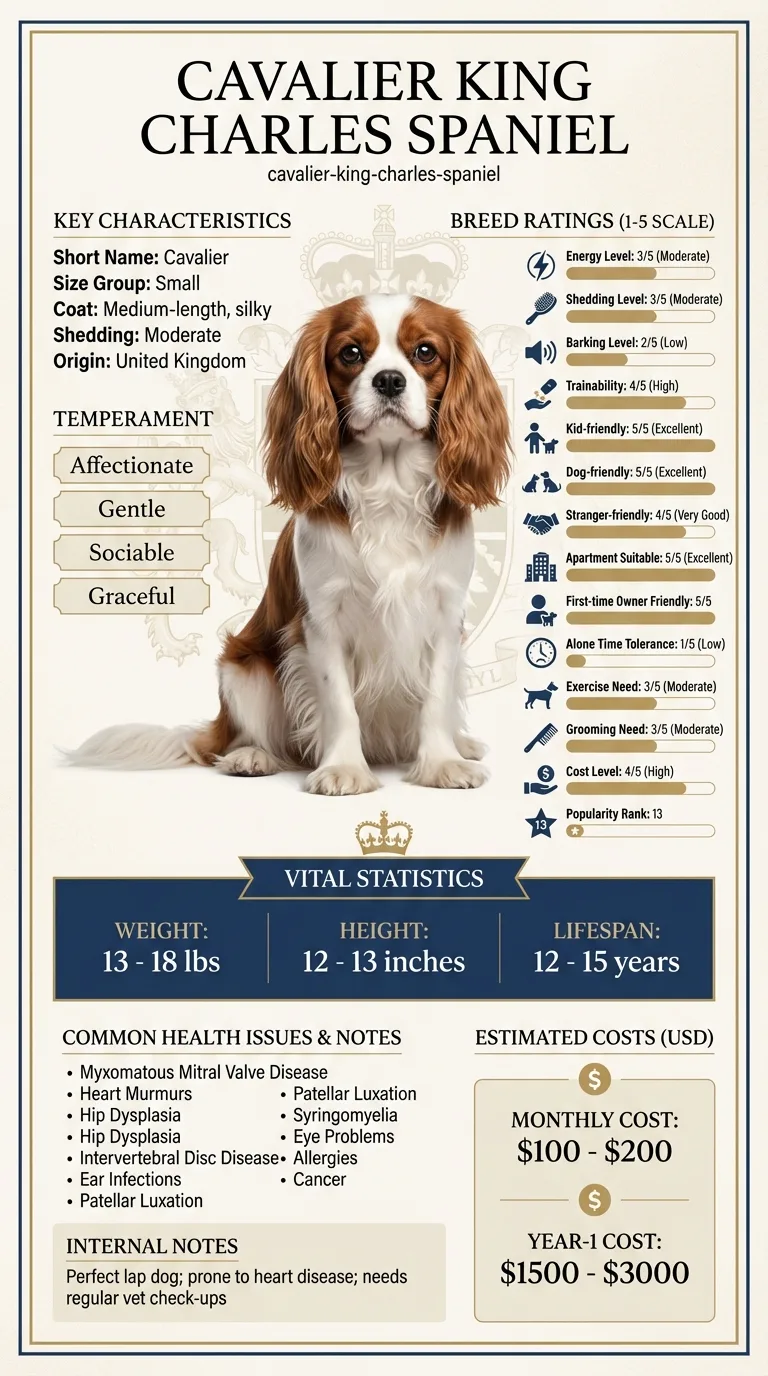
Owners of Cavalier King Charles Spaniels, especially first-time dog owners or those with busy lifestyles, often find themselves struggling with the emotional and practical aspects of managing neurologic disease. It can be overwhelming to navigate the symptoms and necessary care.
This guide is not medical advice. If your dog shows pain, sudden behavior change, or worsening symptoms, consult a licensed veterinarian.
Some links may be affiliate links. We may earn a commission at no extra cost to you. We only suggest products we believe are helpful for dog owners.
We research and check what we publish, but we do not warrant that any figure, date, price, or statement is accurate, complete, or current, and we accept no liability for any loss, cost, injury, or other harm arising from the use of this site. Use it as one reference among several. You remain responsible for your own decisions and for your dog's care - confirm anything that matters with a licensed veterinarian or another qualified professional before you act on it. Full disclaimer.
Check this first
Neurologic disease in your Cavalier King Charles Spaniel can be serious. It's crucial to recognize when to act fast. Here are some red-flag signs that mean you should call your vet immediately:
- Sudden loss of coordination or balance. - Weakness or paralysis in the limbs. - Seizures or convulsions. - Extreme lethargy or unresponsiveness. - Severe changes in behavior, like aggression or confusion.
If your dog shows any of these symptoms, don’t wait. These are signs that require urgent veterinary attention.
On the other hand, there are some cases where you can watch and wait. If your Cavalier is showing mild behaviors such as occasional wobbliness, slight disorientation, or temporary trembling, you might monitor them for a short time. Keeping a record of these behaviors can help you later when discussing with your vet. However, if symptoms persist or worsen, seek veterinary advice.
Always trust your instincts as a pet owner. If something feels off, it’s better to be safe than sorry. Regular vet check-ups can help catch any emerging issues early.
If any of these apply, call your vet or an emergency clinic now. The rest of this page is for the cases that are not an emergency.
Cavalier King Charles Spaniel neurologic disease can manifest in a variety of ways, including weakness, coordination issues, and seizures. This condition often leads to noticeable changes in their behavior, making daily activities harder for both the dog and the owner. Common triggers include stress, changes in routine, or even certain physical activities that strain their neurological system.
Neurologic disease is notably prevalent in Cavalier King Charles Spaniels, with studies indicating they are at a 291% higher risk compared to other breeds. Many owners report seeing symptoms as their dogs age, particularly after they reach middle age. Regular veterinary check-ups can help catch symptoms early, but awareness is crucial for timely intervention.
Cavalier King Charles Spaniels are genetically predisposed to certain neurologic diseases due to their breeding history. Conditions like Syringomyelia are particularly common in this breed, affecting their spinal cord and causing discomfort or pain. These issues are often linked to the breed's physical structure and inherited traits.
Environmental factors can also play a role in neurologic diseases. Stressful situations, lack of mental stimulation, or inadequate exercise can exacerbate symptoms. Additionally, poor nutrition or exposure to toxins can negatively impact their neurological health.
If you notice signs like seizures, loss of coordination, or persistent pain, it's important to talk to a vet. A vet can provide a proper diagnosis and recommend treatment options to manage neurologic diseases effectively.
Avoid these common mistakes that can worsen Cavalier King Charles Spaniel neurologic disease. Understanding what not to do can help you manage your dog’s health better.
Start here: Cavalier King Charles Spaniel Genetic Disorders: Screening
See all Cavalier King Charles Spaniel health problems, which breeds are prone to neurologic disease, or the full Cavalier King Charles Spaniel breed guide for temperament, exercise needs and ownership costs.
Improving your Cavalier King Charles Spaniel's condition can take several weeks to months. Consistent care and follow-up with your vet are crucial.
Success means your Cavalier will show improved behavior, increased mobility, and a better quality of life. Regular vet visits and a solid support plan will help monitor their progress.
Emily adopted Charlie, a Cavalier King Charles Spaniel, who was diagnosed with neurologic disease shortly after. Initially, Charlie struggled with coordination and anxiety, making daily life challenging. Emily worked closely with a vet and a dog trainer, implementing specific training techniques to help Charlie regain confidence and improve his mobility. Over time, with patience and perseverance, Charlie became more stable and less anxious, learning to navigate his environment with ease.
Key takeaway: With the right care and support, managing Cavalier King Charles Spaniel neurologic disease is possible. Consistent training and veterinary guidance can lead to significant improvements.
Cavalier King Charles Spaniels are genetically predisposed to certain neurologic diseases like syringomyelia. This condition occurs when a fluid-filled cavity forms within the spinal cord, leading to pain and discomfort. Regular vet check-ups are crucial for early detection and management.
While you can't entirely prevent neurologic diseases, you can reduce risks by maintaining a healthy weight and providing regular exercise. Consult with your vet for preventive measures and consider genetic testing if you're planning to breed your dog.
Watch for signs like neck pain, excessive scratching, or unusual behavior changes. Other symptoms can include weakness in limbs or difficulties with coordination. If you notice any of these, contact your vet immediately.
Treatment often involves medication to manage pain and inflammation. In severe cases, surgery may be recommended. Always discuss options with your vet to find the best approach for your dog's specific condition.
Yes, certain neurologic diseases can be hereditary. Responsible breeding practices can help reduce the incidence of these conditions. Always ask breeders about health screenings for parent dogs.
Adjusting your dog's diet to include anti-inflammatory foods and ensuring moderate exercise can help manage the condition. Additionally, creating a stress-free environment is essential for their overall well-being.
It's recommended to have annual check-ups, but if your dog shows symptoms, you should visit your vet sooner. Regular monitoring can catch issues early and help manage existing conditions.
Early signs of neurologic disease can include weakness, uncoordinated movements, or sudden changes in behavior. If you notice your Cavalier struggling to walk or showing unusual aggression or lethargy, it's important to consult your vet as soon as possible.
For older Cavaliers, providing a safe, comfortable environment is key. Focus on gentle exercise, mental stimulation, and a well-balanced diet. Regular vet visits are crucial to monitor their condition and adjust treatment as needed.
While genetic factors play a significant role in neurologic diseases, maintaining a healthy lifestyle can help. Regular vet check-ups, a balanced diet, and consistent training can contribute to your dog's overall well-being and potentially reduce risks.
If your Cavalier King Charles Spaniel shows persistent signs of neurologic disease such as seizures, disorientation, or loss of coordination, it's time to see the vet. Quick action can lead to better outcomes, so don’t hesitate to get professional advice.
Treatment for neurologic disease often focuses on managing symptoms and improving quality of life. Your vet may recommend medication, physical therapy, or lifestyle changes to help your dog feel more comfortable and maintain mobility.
Ensure regular vet visits, maintain a healthy diet, and provide consistent exercise to manage symptoms effectively.
Look for signs like whining, reluctance to move, or changes in appetite. These can indicate discomfort and should prompt a vet visit.
Costs can range from $100 to $200 a month for care, including medications and vet visits. Be prepared for potential higher expenses for treatments.
Yes, positive reinforcement training can help manage behavior and provide mental stimulation, which is beneficial for their overall health.
Many Cavaliers can live fulfilling lives with proper management and care, although some adjustments may be necessary depending on their condition.
A one-page prep sheet for this condition: the signs, the questions to ask, what to get priced. Unlocks here.
You get: Vet visit prep sheet
No spam. One-click unsubscribe. See our privacy policy.
Preview page 1 before you decide.