Behavior
What are quick tips for Cavalier King Charles Spaniel bone & growth issues?
Ensure a balanced diet, provide regular gentle exercise, and schedule regular vet visits to monitor growth. Keep playtime safe and supervised to prevent injuries.

Quick answer
What are quick tips for Cavalier King Charles Spaniel bone & growth issues?
Ensure a balanced diet, provide regular gentle exercise, and schedule regular vet visits to monitor growth. Keep playtime safe and supervised to prevent injuries.
Cavalier King Charles Spaniel bone & growth issues can be a serious concern for owners.
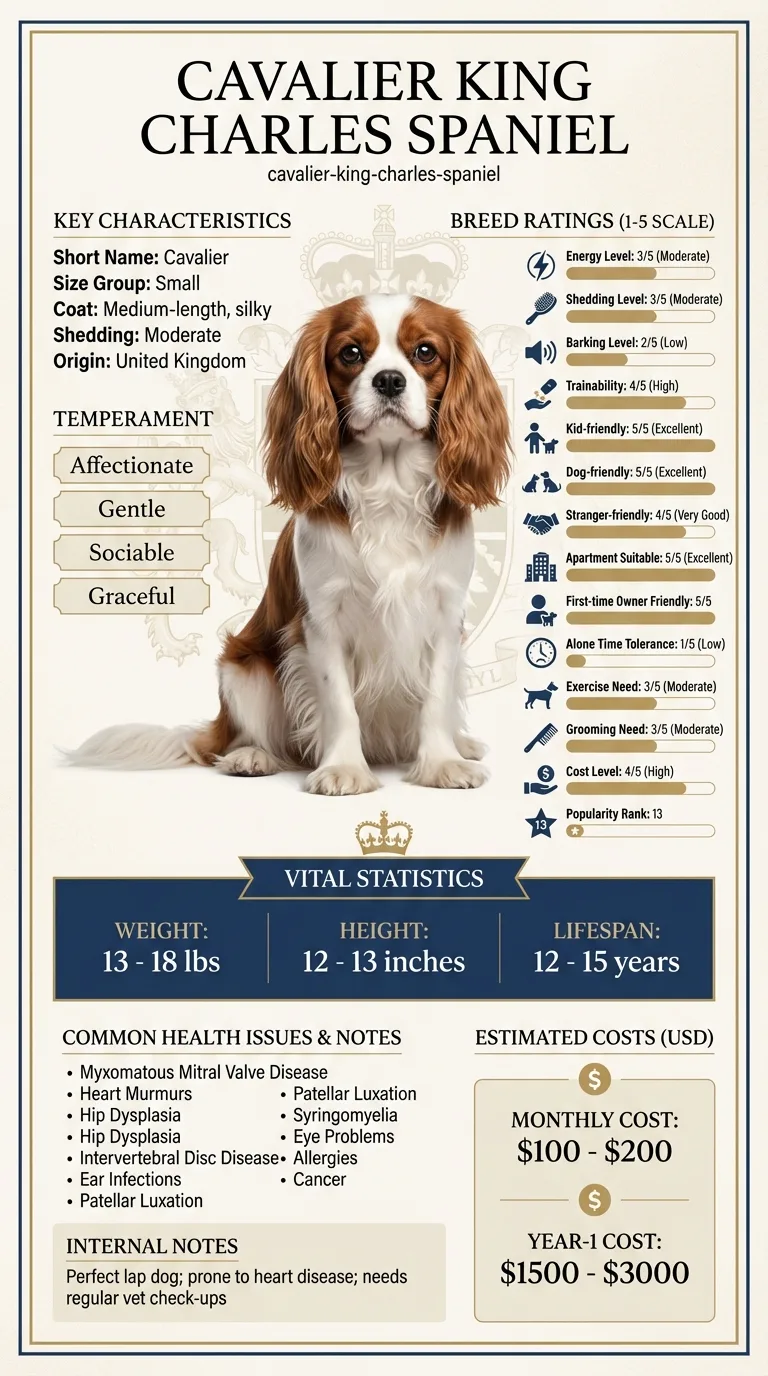
New owners, busy families, or those unfamiliar with dog health may find these issues particularly challenging. Understanding how to manage and prevent these problems is crucial for your Cavalier's well-being.
This guide is not medical advice. If your dog shows pain, sudden behavior change, or worsening symptoms, consult a licensed veterinarian.
Some links may be affiliate links. We may earn a commission at no extra cost to you. We only suggest products we believe are helpful for dog owners.
We research and check what we publish, but we do not warrant that any figure, date, price, or statement is accurate, complete, or current, and we accept no liability for any loss, cost, injury, or other harm arising from the use of this site. Use it as one reference among several. You remain responsible for your own decisions and for your dog's care - confirm anything that matters with a licensed veterinarian or another qualified professional before you act on it. Full disclaimer.
Check this first
Understanding when bone and growth issues in your Cavalier King Charles Spaniel require immediate attention can save your pet’s life. If you notice any of the following red-flag signs, it's crucial to contact your vet right away. These include severe limping, inability to bear weight on a limb, or visible swelling and deformities in the bones. Additionally, if your dog is experiencing persistent pain, whimpering, or an unusual reluctance to move, these are serious indicators that professional help is needed immediately.
On the other hand, some mild signs can be monitored at home. If your Cavalier shows slight difficulty in movement or seems a bit more tired than usual, keep an eye on them, but don’t panic. You can create a plan to observe their behavior, ensuring they get gentle exercise and rest. Regular check-ups are essential to catch any underlying issues early. You should also keep a log of any changes in behavior or mobility, as these details can be helpful for your vet during visits. Remember, it’s always better to err on the side of caution, especially with a breed prone to growth issues.
If any of these apply, call your vet or an emergency clinic now. The rest of this page is for the cases that are not an emergency.
Cavalier King Charles Spaniels can face bone and growth issues, particularly during their rapid growth phase. This can manifest as limping, pain when moving, or reluctance to engage in activities they once enjoyed. Owners may notice their Cavaliers struggling with stairs or avoiding exercise, which can be concerning.
Bone and growth issues are relatively common in Cavaliers, especially due to their size and genetic factors. Many owners report concerns during their puppy's first year, making it important to monitor growth and seek veterinary advice when needed.
Cavalier King Charles Spaniels are small dogs that can experience bone and growth issues due to their genetics. They may be prone to conditions like hip dysplasia and patellar luxation, which can affect their bone health and growth patterns. Their rapid growth during puppyhood can also lead to stress on their developing bones.
Environmental factors play a significant role in bone health. Poor nutrition, lack of exercise, and excess weight can contribute to bone and growth issues. Additionally, if a Cavalier is over-exercised or engaged in high-impact activities too early, it may lead to injuries or exacerbate existing problems.
If you notice signs of pain, limping, or difficulty in movement, it's essential to talk to your vet. Additionally, if your Cavalier has persistent growth issues or weight concerns, a vet can offer specific recommendations and treatments.
Avoiding these common mistakes can help your Cavalier King Charles Spaniel with bone and growth issues. Here are behaviors to steer clear of, along with safer alternatives.
Start here: Cavalier King Charles Spaniel Genetic Disorders: Screening
See all Cavalier King Charles Spaniel health problems, which breeds are prone to bone growth issues, or the full Cavalier King Charles Spaniel breed guide for temperament, exercise needs and ownership costs.
Addressing Cavalier King Charles Spaniel bone & growth issues can take several months. Consistent care and vet check-ups are essential during this period.
Success means your Cavalier has improved bone health, better mobility, and reduced pain. You'll also see improved behavior and less anxiety related to physical discomfort.
Emily, a new dog owner in Los Angeles, adopted Bella, a Cavalier King Charles Spaniel, who started showing signs of discomfort in her first few weeks. After a visit to the vet, Emily learned that Bella had bone growth issues, common in the breed. With a structured plan that included a balanced diet, regular vet visits, and gentle exercises, Emily worked hard to help Bella. It took about three months, but Bella's mobility improved, and she became more playful and engaged.
Key takeaway: Regular vet check-ups and a tailored care plan can make a significant difference in managing Cavalier King Charles Spaniel bone & growth issues.
Cavalier King Charles Spaniels can experience bone and growth issues due to their rapid development and genetic predispositions. Factors like poor nutrition, lack of exercise, and underlying health conditions can also contribute. Regular vet check-ups are essential for early detection.
To address bone and growth issues, ensure your Cavalier has a balanced diet rich in essential nutrients. Regular exercise is also crucial to promote healthy bone development, but avoid overexertion. Consult with your vet for specific dietary and exercise plans.
Positive reinforcement training can help your Cavalier learn to follow commands that may prevent injuries during play. Teaching them to avoid jumping from heights can protect their bones. Always supervise playtime to ensure they don't overexert themselves.
Look for symptoms like limping, reluctance to exercise, or difficulty standing. If your Cavalier is favoring one leg or showing signs of discomfort, it's crucial to consult your veterinarian. Early intervention can make a significant difference.
Low-impact activities like short walks and gentle play are ideal for Cavaliers with bone issues. Avoid high-impact sports and prolonged running, as these can exacerbate problems. Always listen to your dog's limits and consult your vet for tailored advice.
If your Cavalier shows persistent signs of pain, difficulty in mobility, or any noticeable swelling, you should seek veterinary help immediately. Early diagnosis and treatment can prevent further complications and improve your dog's quality of life.
Some Cavaliers may improve as they mature, but many bone and growth issues can persist into adulthood. Regular vet check-ups and proper care are vital to manage any ongoing problems effectively.
To help prevent bone growth issues, ensure your Cavalier has a balanced diet with the right nutrients. Regular, moderate exercise is also important, but avoid over-exertion during their growth phases. Always check with your vet for tailored advice.
While bone growth issues are typically seen in younger dogs, older Cavaliers can still experience related problems due to wear and tear. Regular vet check-ups can help catch issues early before they develop into serious conditions.
If your Cavalier shows persistent signs of discomfort, such as limping or decreased activity, it's time to see the vet. Additionally, if they have a history of bone or joint problems, routine vet visits are crucial for monitoring.
Training can certainly help manage behaviors associated with bone growth issues, like avoiding excessive jumping. Positive reinforcement techniques can teach your dog to be more cautious, but it's vital to address any underlying health problems with your vet first.
Ensure a balanced diet, provide regular gentle exercise, and schedule regular vet visits to monitor growth. Keep playtime safe and supervised to prevent injuries.
Treatment costs can vary widely, typically ranging from $100 to $500 for initial consultations and treatments. Long-term management may increase overall costs.
Focus on regular health checks for bone and joint health, including X-rays if recommended by your vet. Early detection of issues can lead to better outcomes.
A one-page prep sheet for this condition: the signs, the questions to ask, what to get priced. Unlocks here.
You get: Vet visit prep sheet
No spam. One-click unsubscribe. See our privacy policy.
See a sample page before you decide.
Early access list
The free prep sheet covers the same-day warning signs, a symptom log and the questions to ask. We are considering a fuller kit that adds a cost worksheet for the usual tests and treatments (US price ranges with their sources) and a plain-English guide to ways of covering the bill. It is not built yet; this list tells us whether it is worth building.
One email, no spam, unsubscribe anytime. Information only, not veterinary advice.