Behavior
What are quick tips for Cavalier King Charles Spaniel gastrointestinal disorders?
Ensure a balanced diet and monitor for stress triggers. Small, frequent meals often help digestion.

Quick answer
What are quick tips for Cavalier King Charles Spaniel gastrointestinal disorders?
Ensure a balanced diet and monitor for stress triggers. Small, frequent meals often help digestion.
Cavalier King Charles Spaniel gastrointestinal disorders can cause discomfort and anxiety for both dogs and their owners.
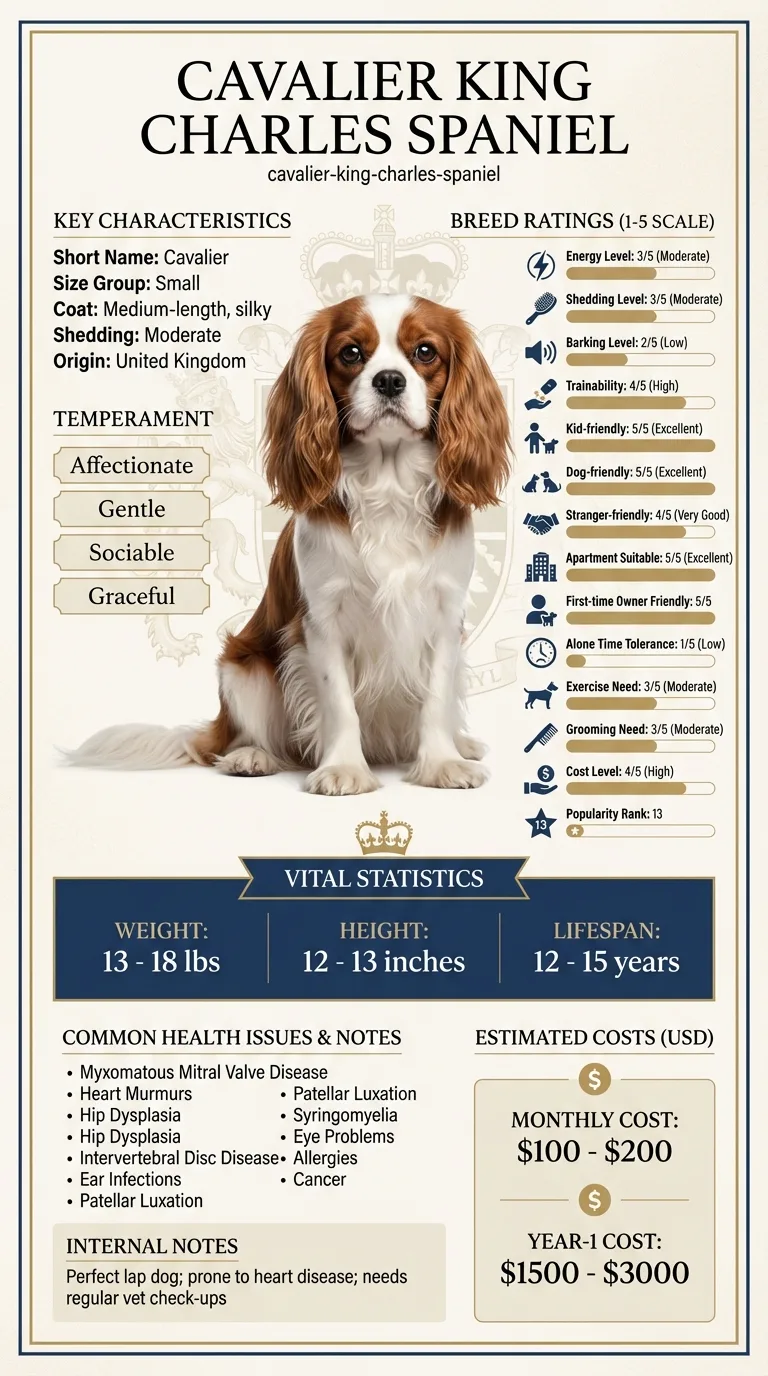
Owners of Cavaliers, especially first-time dog parents or those with busy lifestyles, may find it challenging to recognize and treat these gastrointestinal problems.
This guide is not medical advice. If your dog shows pain, sudden behavior change, or worsening symptoms, consult a licensed veterinarian.
Some links may be affiliate links. We may earn a commission at no extra cost to you. We only suggest products we believe are helpful for dog owners.
We research and check what we publish, but we do not warrant that any figure, date, price, or statement is accurate, complete, or current, and we accept no liability for any loss, cost, injury, or other harm arising from the use of this site. Use it as one reference among several. You remain responsible for your own decisions and for your dog's care - confirm anything that matters with a licensed veterinarian or another qualified professional before you act on it. Full disclaimer.
Check this first
Knowing when to call your vet can be crucial for your Cavalier King Charles Spaniel. Some signs indicate that immediate action is necessary. If your dog shows severe symptoms like vomiting blood, persistent diarrhea, or lethargy, don't wait—contact your vet right away. Other red flags include abdominal swelling, refusal to eat for more than 24 hours, or signs of pain when touching their belly.
If any of these apply, call your vet or an emergency clinic now. The rest of this page is for the cases that are not an emergency.
Cavalier King Charles Spaniels can experience gastrointestinal disorders, which often manifest as vomiting, diarrhea, or a change in appetite. These symptoms can be distressing for both the dog and the owner. Common triggers include dietary changes, stress, and certain underlying health conditions, making it essential to monitor your Cavalier's reactions to food and their environment.
Gastrointestinal disorders are relatively common in Cavalier King Charles Spaniels, with many owners reporting at least one episode during their pet's lifetime. Regular vet check-ups can help catch these issues early and manage them effectively.
Cavalier King Charles Spaniels are prone to certain genetic conditions that can lead to gastrointestinal disorders. Their small size can also make them more susceptible to issues like acid reflux and digestive blockages. Additionally, their love for food can lead to overeating, which can exacerbate gastrointestinal problems.
Environmental factors play a significant role in gastrointestinal health. Stressful situations, such as changes in routine or a noisy environment, can trigger digestive issues. Poor diet choices or sudden changes in food can also contribute to gastrointestinal disorders in Cavaliers.
It's essential to consult your vet if gastrointestinal disorders persist despite home strategies. Signs that warrant a vet visit include severe vomiting, diarrhea, weight loss, or changes in appetite. Your vet can provide specific dietary recommendations or prescribe medication if necessary.
Avoiding common mistakes can help your Cavalier King Charles Spaniel deal with gastrointestinal disorders more effectively. Here are some pitfalls to steer clear of.
Start here: Cavalier King Charles Spaniel Genetic Disorders: Screening
See all Cavalier King Charles Spaniel health problems, which breeds are prone to gastrointestinal disorders, or the full Cavalier King Charles Spaniel breed guide for temperament, exercise needs and ownership costs.
You can expect to see improvements in your Cavalier King Charles Spaniel's gastrointestinal health within 4 to 8 weeks after implementing a new diet and routine.
Success means your dog has more regular bowel movements, reduced vomiting, and increased energy levels. You'll notice a happier and more active pup!
In less severe situations, you can monitor your Cavalier's condition at home. Mild symptoms like occasional vomiting or soft stools can often be managed with dietary changes or a gradual reintroduction of food. Keep an eye on their behavior and appetite; if they improve, that's a good sign. However, if symptoms persist for more than a day or worsen, it's best to consult your vet.

Jenna, a busy nurse in New York, was worried when her Cavalier, Bella, started vomiting frequently and had inconsistent bowel movements. After a visit to the vet, Jenna learned Bella had gastrointestinal disorders. With the vet's guidance, she switched Bella to a high-quality, easily digestible diet and began a consistent feeding schedule. Within a few weeks, Bella's symptoms improved significantly, and Jenna felt relieved to see her playful self again.
Key takeaway: Consistency in diet and routine can make a big difference in managing gastrointestinal disorders in Cavalier King Charles Spaniels.
Cavalier King Charles Spaniels can experience gastrointestinal disorders due to factors like diet, genetics, and stress. Common issues include inflammatory bowel disease and acid reflux. Observing your dog's eating habits and stress levels can help identify triggers. This answer relates to Cavalier King Charles Spaniel gastrointestinal disorders.
To manage gastrointestinal disorders, start with a balanced diet tailored to your Cavalier's needs. Monitor food for allergens and consider small, frequent meals. Consult your vet for specific dietary recommendations and potential medications.
Symptoms of gastrointestinal disorders may include vomiting, diarrhea, weight loss, and decreased appetite. If your Cavalier shows any of these signs, it's essential to consult your veterinarian for further evaluation and treatment options.
Yes, specific foods can help manage gastrointestinal disorders. Look for high-quality, easily digestible dog foods, often recommended by vets. Probiotics and fiber can also support digestive health.
If your Cavalier has persistent vomiting, diarrhea lasting more than a day, or shows signs of pain, it's time to visit the vet. Early intervention can prevent more severe health issues.
Common signs include vomiting, diarrhea, weight loss, and changes in appetite. If you notice these symptoms, it's important to consult your vet for a proper diagnosis.
Yes, older Cavaliers may experience more severe symptoms due to weakened immune systems and other age-related health issues. Regular vet check-ups become even more crucial for senior dogs.
A vet-recommended diet that’s low in fat and high in fiber can help. Additionally, smaller, more frequent meals may ease digestion and reduce symptoms.
If your dog has persistent vomiting, diarrhea lasting more than a day, or shows signs of pain, you should seek veterinary care immediately. Early intervention can prevent more serious health problems.
Training can help establish a routine around feeding and bathroom breaks, which may assist with gastrointestinal health. Consistency in timing can aid digestion and reduce anxiety-related issues.
Ensure a balanced diet and monitor for stress triggers. Small, frequent meals often help digestion.
Treatment costs can range from $100 to $500 depending on the severity and required medications. Regular vet visits may increase overall costs.
Yes, stress can contribute to gastrointestinal disorders in Cavalier King Charles Spaniels. Create a calm environment and maintain a consistent routine.
Gastrointestinal disorders can be relatively common in Cavalier King Charles Spaniels due to their sensitive digestive systems. Regular vet check-ups can help catch issues early.
A one-page prep sheet for this condition: the signs, the questions to ask, what to get priced. Unlocks here.
You get: Vet visit prep sheet
No spam. One-click unsubscribe. See our privacy policy.
Preview page 1 before you decide.