Health
What are Cavalier King Charles Spaniel liver shunts quick tips?
Monitor your dog's diet and look for symptoms like vomiting or lethargy. Regular vet check-ups are essential for early detection and management.

Quick answer
What are Cavalier King Charles Spaniel liver shunts quick tips?
Monitor your dog's diet and look for symptoms like vomiting or lethargy. Regular vet check-ups are essential for early detection and management.
Cavalier King Charles Spaniel liver shunts are serious health issues that affect these beloved dogs.
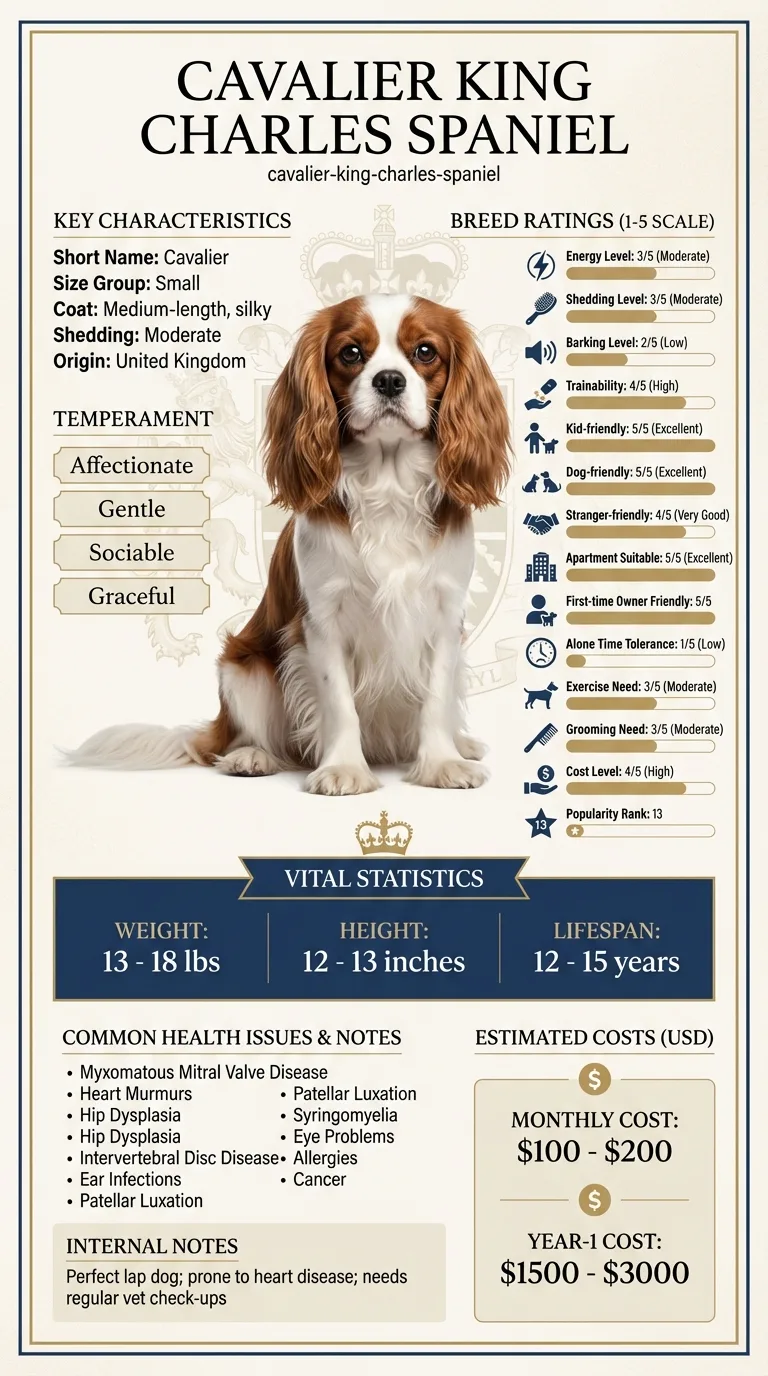
Typically, new and experienced Cavalier owners may face challenges with liver shunts, especially given the breed's genetic predisposition. Those who prioritize their dog's health and want to ensure a long, happy life will find this information valuable.
This guide is not medical advice. If your dog shows pain, sudden behavior change, or worsening symptoms, consult a licensed veterinarian.
Some links may be affiliate links. We may earn a commission at no extra cost to you. We only suggest products we believe are helpful for dog owners.
We research and check what we publish, but we do not warrant that any figure, date, price, or statement is accurate, complete, or current, and we accept no liability for any loss, cost, injury, or other harm arising from the use of this site. Use it as one reference among several. You remain responsible for your own decisions and for your dog's care - confirm anything that matters with a licensed veterinarian or another qualified professional before you act on it. Full disclaimer.
Check this first
Recognizing when Cavalier King Charles Spaniel liver shunts are an emergency is crucial for your dog's health. Some symptoms require immediate veterinary attention, while others can be monitored at home. If you notice any of the warning signs listed below, call your vet right away.
If any of these apply, call your vet or an emergency clinic now. The rest of this page is for the cases that are not an emergency.
Cavalier King Charles Spaniel liver shunts are serious health issues where blood bypasses the liver, leading to toxins building up in the bloodstream. This can result in various symptoms, including poor growth, lethargy, and neurological problems. Owners might notice their Cavalier experiencing unusual behavior, like seizures or vomiting, which can be alarming and confusing.
Liver shunts are relatively common in Cavalier King Charles Spaniels, with studies indicating that up to 5% of this breed may be affected. Given their popularity, this issue is significant among owners and breeders alike.
Cavalier King Charles Spaniels are prone to liver shunts due to their genetic background. These small, affectionate dogs often inherit conditions related to their liver's development. This can lead to portal vein abnormalities, impacting blood flow and liver function.
Environmental factors can also contribute to liver shunts in Cavaliers. Poor diet, exposure to toxins, and inadequate healthcare can exacerbate pre-existing conditions. Stressful living situations may increase the risk of health issues, including liver problems.
Always talk to a vet if you notice symptoms like vomiting, lethargy, or appetite changes. These could indicate liver issues and need immediate attention. Regular check-ups are also essential for early detection and management of potential liver shunts.
Understanding what not to do is just as important as knowing how to address Cavalier King Charles Spaniel liver shunts. Here are some common mistakes owners might make and safer alternatives.
Start here: Cavalier King Charles Spaniel Genetic Disorders: Screening
See all Cavalier King Charles Spaniel health problems, which breeds are prone to liver shunts, or the full Cavalier King Charles Spaniel breed guide for temperament, exercise needs and ownership costs.
Addressing liver shunts in a Cavalier King Charles Spaniel can take several weeks to months. Regular vet visits and monitoring are essential throughout this period.
Success means your dog shows improved health, increased energy, and a better quality of life. Regular vet check-ups confirm that the liver shunt is under control.
In less severe cases, you can monitor your Cavalier for signs of liver shunts. Look for mild symptoms like occasional vomiting, loss of appetite, or slight behavioral changes. Create a plan for observation and reach out to your vet if symptoms persist or worsen over the next few days.

Sarah, a first-time dog owner, was excited to welcome Bella, her Cavalier King Charles Spaniel. After a few months, Bella started showing signs of lethargy and poor appetite. Concerned, Sarah took her to the vet, who diagnosed Bella with liver shunts. Over the next few months, Sarah followed a strict treatment plan, adjusted Bella's diet, and ensured regular vet visits. Gradually, Bella regained her energy and joy, becoming the playful companion Sarah always wanted.
Key takeaway: Working with a vet and being proactive can lead to significant improvements in your dog's health.
Liver shunts are abnormal blood vessels that bypass the liver, preventing it from filtering toxins. This can lead to serious health issues, including liver failure. It's important to monitor your Cavalier for symptoms like lethargy, vomiting, or poor growth. This answer relates to Cavalier King Charles Spaniel liver shunts.
Liver shunts are often congenital, meaning they are present at birth. In some cases, they may be caused by liver disease or other health issues. Regular veterinary check-ups can help catch these problems early.
Management of liver shunts often involves dietary changes, such as a low-protein diet, to reduce toxin buildup. Medication may also be necessary to help control symptoms. Always work closely with your vet for a tailored approach.
Treatment options include surgical correction of the shunt or medical management to control symptoms. Surgery can be effective but carries risks, so discussing the best choice with your vet is essential.
Look out for signs such as poor appetite, vomiting, excessive drooling, or seizures. These symptoms indicate that your dog may be suffering from liver issues and should see a vet immediately.
Since many liver shunts are congenital, prevention is difficult. However, responsible breeding practices can help reduce the incidence of this condition in future generations. Regular vet visits can catch issues before they become severe.
While liver shunts are often congenital, they can also develop in older dogs due to acquired conditions. If your older Cavalier is showing signs of liver shunts, a vet visit is essential to determine the cause and appropriate treatment.
Dietary changes, such as feeding a low-protein diet, can help manage liver shunts. Regular check-ups with your vet are also vital to monitor your dog's health and adjust treatment as needed. Keeping stress levels low can also be beneficial.
Not all cases of liver shunts require surgery. Depending on the severity, your vet may recommend medical management instead. A thorough evaluation will help determine the best course of action for your Cavalier.
After surgery, it's essential to follow your vet's post-operative care instructions. This may include a special diet, medications, and limiting activity during recovery. Regular follow-ups will help ensure your Cavalier is healing well.
Monitor your dog's diet and look for symptoms like vomiting or lethargy. Regular vet check-ups are essential for early detection and management.
Budget for regular vet visits, medications, and potential surgery. Costs can range from $1,500 to $3,000 in the first year.
Positive reinforcement training can help manage behavior while your dog copes with health issues. Consistency is key to successful training.
A one-page prep sheet for this condition: the signs, the questions to ask, what to get priced. Unlocks here.
You get: Vet visit prep sheet
No spam. One-click unsubscribe. See our privacy policy.
Preview page 1 before you decide.