DogBreedCompass
← Back to breed profile

Understanding Cavalier King Charles Spaniel Cherry Eye

Cavalier King Charles Spaniel cherry eye is a common issue that affects their eyes, causing discomfort and potential health problems.

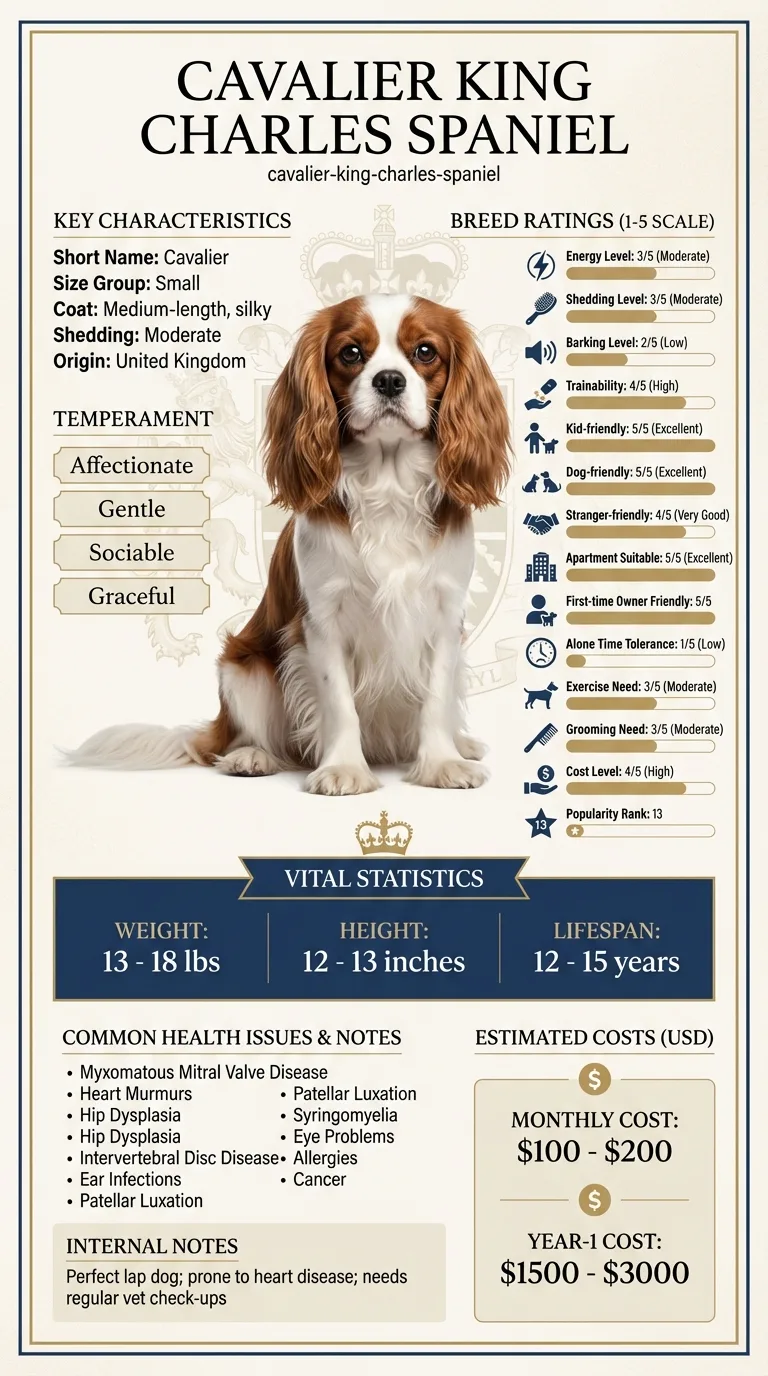
Understanding Cavalier King Charles Spaniel Cherry Eye infographic

Many Cavalier owners, especially first-time pet parents, may struggle with this problem. They often worry about their dog's health and comfort.

Important reminder

This guide is not medical advice. If your dog shows pain, sudden behavior change, or worsening symptoms, consult a licensed veterinarian.

Some links may be affiliate links. We may earn a commission at no extra cost to you. We only suggest products we believe are helpful for dog owners.

What this problem looks like

Cavalier King Charles Spaniel cherry eye is a common issue where a gland in the eyelid prolapses, causing a noticeable red lump in the eye. This condition can be distressing, both for the dog and the owner, as it may lead to discomfort or irritation. Typically, it manifests when the dog is excited or stressed, and it can happen in one or both eyes.

Common triggers

  • Excitement or stress
  • Rapid changes in temperature
  • Allergies or irritants
  • Genetic predisposition

Cherry eye is relatively common among Cavalier King Charles Spaniels due to their anatomical features. Many owners will encounter this issue at some point, especially in younger dogs or those with a family history of eye problems.

Why this happens

Breed factors

Cavalier King Charles Spaniels are predisposed to cherry eye due to their unique eye structure. Their eyelid glands can become weak, leading to the prolapse of the gland. This condition is more common in breeds with prominent eyes.

Environment factors

Environmental factors such as allergies or irritants can exacerbate the likelihood of cherry eye. Stress or lack of proper eye care may also contribute to the problem. If their eyes are frequently irritated, the risk increases.

What you can try

At-home strategies

  • Keep your Cavalier's eyes clean by gently wiping them with a damp cloth to remove debris and irritants.
  • Use a humidifier to maintain moisture in the air, especially during dry seasons, which can help reduce eye irritation.
  • Monitor your dog's environment for allergens like dust or pollen and limit exposure during high pollen times.

When to consider a trainer

If your Cavalier shows signs of anxiety or stress related to their cherry eye, it may be helpful to consult a dog trainer. They can help with calming techniques or behavioral strategies to ease your dog's discomfort.

When to talk to your vet

If the cherry eye persists or worsens, it's essential to visit your vet. Persistent cases may require surgical intervention to correct the prolapse and prevent further complications.

Realistic expectations

Managing Cavalier King Charles Spaniel cherry eye typically takes a few weeks to months, depending on the severity. Initial treatments may show improvement within days, but persistent cases may require surgery.

Success means your Cavalier's cherry eye is either resolved or significantly improved, with less swelling or discomfort. Regular vet check-ups will ensure ongoing health and monitor for any recurrence.

Mistakes that make this worse

Avoiding these common mistakes can help manage your Cavalier King Charles Spaniel's cherry eye more effectively.

  • Ignoring symptoms: Some owners overlook the first signs of cherry eye, thinking it will go away on its own. This can lead to more severe issues. Instead, consult your vet immediately if you notice bulging in the eye area.
  • Using home remedies: Trying unverified home treatments can irritate your dog's eyes further. Always seek professional advice for the best course of action.
  • Overlooking eye hygiene: Neglecting to clean the eye area can contribute to further irritation and infections. Regularly wipe your Cavalier's eyes with a damp cloth to keep them clean.
  • Delaying veterinary visits: Some owners wait too long to visit the vet, thinking the cherry eye isn't serious. Early intervention is crucial for effective treatment.
  • Neglecting training: Failing to address behavioral issues can stress your Cavalier, worsening the cherry eye. Incorporate gentle training and positive reinforcement to create a calm environment.
  • Avoiding surgery: Some may hesitate to consider surgery as a solution. If advised by a vet, surgery can be the best option for long-term relief and preventing recurrence.
  • Using harsh chemicals: Applying strong cleaning agents or medications can damage your dog's eyes. Stick to vet-recommended products only.

When Cavalier King Charles Spaniel Cherry Eye is an Emergency

Identifying when your Cavalier King Charles Spaniel's cherry eye becomes an emergency is crucial. If you notice any of the following signs, you should call your vet immediately:

- **Severe swelling** around the eye that worsens quickly. - **Excessive discharge** or bleeding from the eye. - **Signs of pain**, such as excessive pawing at the eye or hiding. - **Changes in vision**, like bumping into things or not responding to visual cues.

These symptoms indicate that the cherry eye may be causing serious complications, such as infection or damage to the eye.

On the other hand, if the cherry eye is mild without severe symptoms, you can monitor it at home. Look for:

- A **painless protrusion** of the gland without swelling or discharge. - Occasional redness that does not worsen. - A stable appearance where the eye is not in distress.

In these cases, you can manage the condition with a vet-recommended plan and possibly some at-home remedies. However, keep a close eye on your pup’s symptoms, and don’t hesitate to reach out to your vet if you notice any changes. Early intervention can prevent more serious issues down the line.

Understanding Cavalier King Charles Spaniel Cherry Eye - When Cavalier King Charles Spaniel Cherry Eye is an Emergency

Samantha's Journey with Charlie's Cherry Eye

Samantha, a first-time dog owner, noticed her Cavalier King Charles Spaniel, Charlie, had a bulging gland in his eye. Initially worried, she consulted her vet, who explained that this 'cherry eye' was common in the breed. With a treatment plan including eye drops and a gentle massage technique, Samantha diligently followed the advice. After several weeks, the swelling reduced significantly. However, when the issue resurfaced, Samantha opted for a minor surgical procedure, which successfully resolved the problem for good.

Key takeaway: When dealing with Cavalier King Charles Spaniel cherry eye, early intervention and consistent care are crucial. Don't hesitate to consult your vet for the best treatment options.

Frequently asked questions

Why does my Cavalier King Charles Spaniel have cherry eye?

Cherry eye occurs when the gland in the dog's third eyelid prolapses and becomes visible. This condition is common in certain breeds, including the Cavalier King Charles Spaniel. Factors such as genetics or a lack of connective tissue can contribute to this issue. This answer relates to Cavalier King Charles Spaniel cherry eye.

How can I treat my Cavalier King Charles Spaniel's cherry eye?

Treatment typically involves surgical correction to reposition the gland. It's essential to consult a veterinarian who can assess the severity and recommend the best course of action. In some cases, topical medications may help temporarily reduce inflammation.

Is cherry eye serious in Cavalier King Charles Spaniels?

While cherry eye itself isn't usually life-threatening, it can lead to complications like dry eye or infections if left untreated. Prompt attention from a vet is crucial to prevent further issues. Regular check-ups can help monitor your dog's eye health.

Can cherry eye be prevented in Cavalier King Charles Spaniels?

Unfortunately, there isn't a guaranteed way to prevent cherry eye due to its genetic nature. However, maintaining regular vet visits can help detect early signs and address any eye problems before they worsen. Early intervention is key.

What are the signs of cherry eye in my Cavalier King Charles Spaniel?

Signs include a red, swollen area in the corner of the eye, which may be accompanied by excessive tearing or discharge. If you notice these symptoms, it's important to consult a veterinarian promptly. Early diagnosis can lead to better outcomes.

How long does recovery take after cherry eye surgery for my Cavalier King Charles Spaniel?

Recovery from cherry eye surgery typically takes about 1 to 2 weeks. During this time, your dog may need to wear an Elizabethan collar to prevent them from rubbing their eyes. Follow your vet's aftercare instructions to ensure a smooth recovery.

Are there home remedies for cherry eye in Cavalier King Charles Spaniels?

While some home remedies may help soothe irritation, they won't correct cherry eye. It's crucial to consult your vet for appropriate treatment options. Relying solely on home remedies may worsen the condition.

What causes cherry eye in Cavalier King Charles Spaniels?

Cherry eye occurs when a tear gland in the dog's eyelid prolapses, causing a red, swollen appearance. This can happen due to genetic factors, age, or even stress. It's important to consult a vet for a proper diagnosis and treatment options.

Can cherry eye resolve on its own in Cavalier King Charles Spaniels?

In some cases, cherry eye may resolve itself temporarily, but it often reappears. It's generally not advisable to wait for it to resolve on its own, as untreated cherry eye can lead to further complications. A vet can recommend the best course of action.

Is cherry eye surgery necessary for Cavalier King Charles Spaniels?

Surgery is often recommended to correct cherry eye if it persists or causes discomfort. The procedure involves repositioning the gland to prevent future prolapse. Consult your vet to understand the risks and benefits of surgery for your dog.

How can I prevent cherry eye in my Cavalier King Charles Spaniel?

While you can't completely prevent cherry eye, keeping your dog healthy and stress-free can help. Regular vet check-ups are crucial for early detection of any issues. Proper training and socialization may also reduce stress-related conditions.

What should I do if my older Cavalier King Charles Spaniel gets cherry eye?

If your older Cavalier develops cherry eye, it's important to consult with your vet promptly. Older dogs may have additional health issues that could complicate treatment. Your vet will assess the best options based on your dog's overall health and age.

Quick answers

View more answers
Behavior

What are quick tips for Cavalier King Charles Spaniel cherry eye?

Seek veterinary advice promptly if you notice cherry eye. Following surgery, ensure your dog rests and avoids rubbing their eyes. Regular check-ups can help catch eye issues early.

Health

Can cherry eye affect my dog's vision?

Cherry eye can lead to complications that may affect vision. If the gland becomes infected or causes dry eye, your dog's vision might be impacted. Consult your vet immediately if you suspect an issue.

Costs

How much does cherry eye surgery cost for a Cavalier King Charles Spaniel?

The cost for cherry eye surgery can vary, typically ranging from $300 to $700. Additional costs may arise from pre-surgical exams and post-operative care. Always discuss estimates with your vet.

Living

What is the best way to care for my Cavalier's eyes?

Regularly check your dog's eyes for signs of irritation or discharge. Keeping them clean and free of debris can help maintain eye health. Consult your vet for specific eye care recommendations.

Behavior

How can I prevent behavioral issues after cherry eye surgery?

To prevent behavioral issues, provide a calming environment during recovery. Use a cone to prevent rubbing, and engage your dog with gentle activities. Consistent routines can also help ease anxiety.

Related DogBreedCompass guides

  • why does my Cavalier King Charles Spaniel have cherry eyeUnderstanding the underlying causes of cherry eye can help you better support your Cavalier.
  • Cavalier King Charles Spaniel cherry eye trainingTraining can help manage behavior issues related to cherry eye.
  • Cavalier King Charles Spaniel separation anxiety guideLearn about separation anxiety in Cavaliers, which can complicate their health issues.
  • Cavalier King Charles Spaniel behavior problemsExplore common behavior problems in Cavaliers to better understand their needs.
  • Cavalier King Charles Spaniel cost breakdownUnderstanding the costs associated with caring for a Cavalier can help you budget for their health needs.

Related guides