Behavior
What are quick tips for Cavalier King Charles Spaniel separation anxiety?
Start with short departures and gradually increase the time apart. Provide engaging toys to distract them and establish a consistent routine to reduce anxiety.

Quick answer
What are quick tips for Cavalier King Charles Spaniel separation anxiety?
Start with short departures and gradually increase the time apart. Provide engaging toys to distract them and establish a consistent routine to reduce anxiety.
Cavalier King Charles Spaniel separation anxiety can be a challenging issue for both dogs and their owners.
Owners of Cavaliers, especially those working long hours or frequently away from home, may find their pets struggling with anxiety. New dog parents or those unfamiliar with the breed's needs are often the most affected.
This guide is not medical advice. If your dog shows pain, sudden behavior change, or worsening symptoms, consult a licensed veterinarian.
Some links may be affiliate links. We may earn a commission at no extra cost to you. We only suggest products we believe are helpful for dog owners.
We research and check what we publish, but we do not warrant that any figure, date, price, or statement is accurate, complete, or current, and we accept no liability for any loss, cost, injury, or other harm arising from the use of this site. Use it as one reference among several. You remain responsible for your own decisions and for your dog's care - confirm anything that matters with a licensed veterinarian or another qualified professional before you act on it. Full disclaimer.
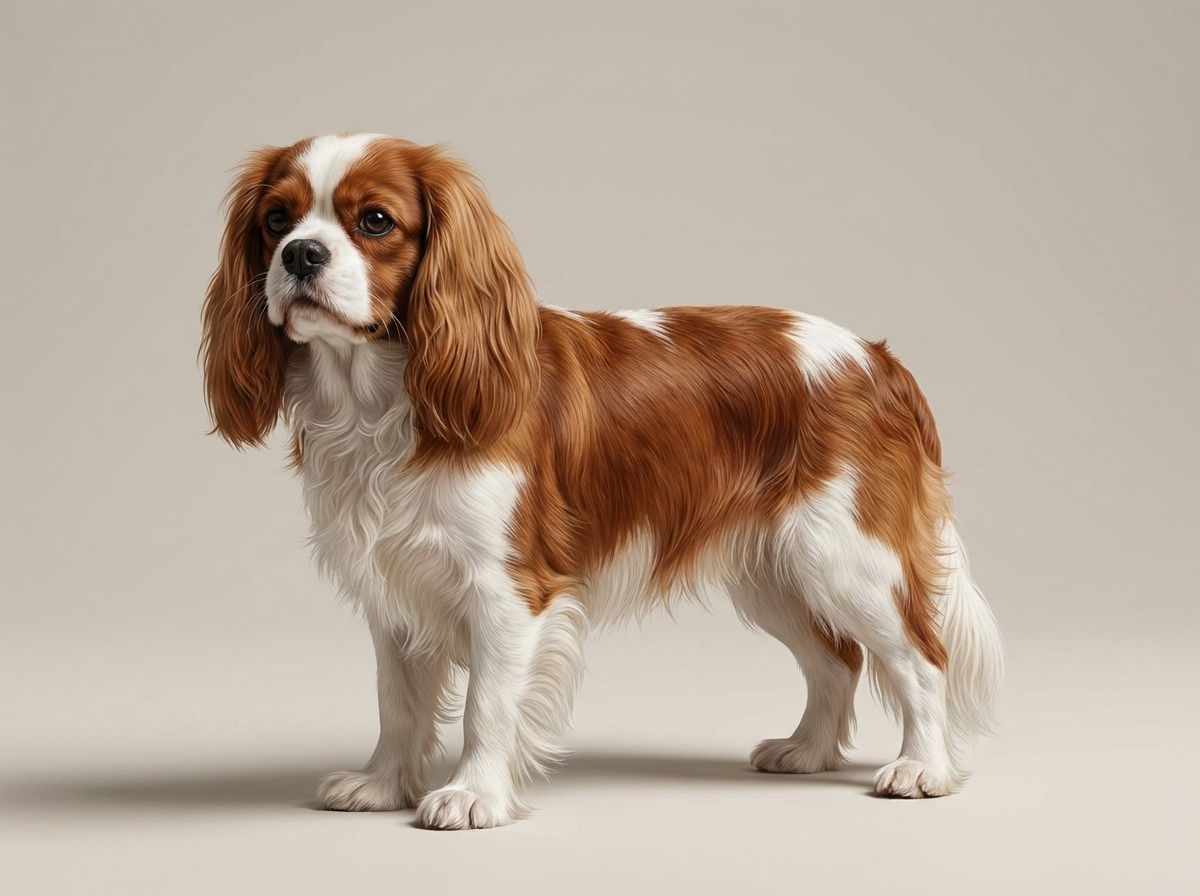
Cavalier King Charles Spaniel separation anxiety is a common issue for this affectionate breed. They thrive on companionship and often struggle when left alone, leading to distress behaviors like barking, chewing, or house soiling. Owners may notice their Cavalier becoming anxious as they prepare to leave, which can escalate into frantic attempts to escape or excessive whining.
Separation anxiety is particularly common among Cavalier King Charles Spaniels due to their strong bond with owners. Many Cavaliers exhibit some level of anxiety when left alone, making it crucial for owners to address these behaviors early.
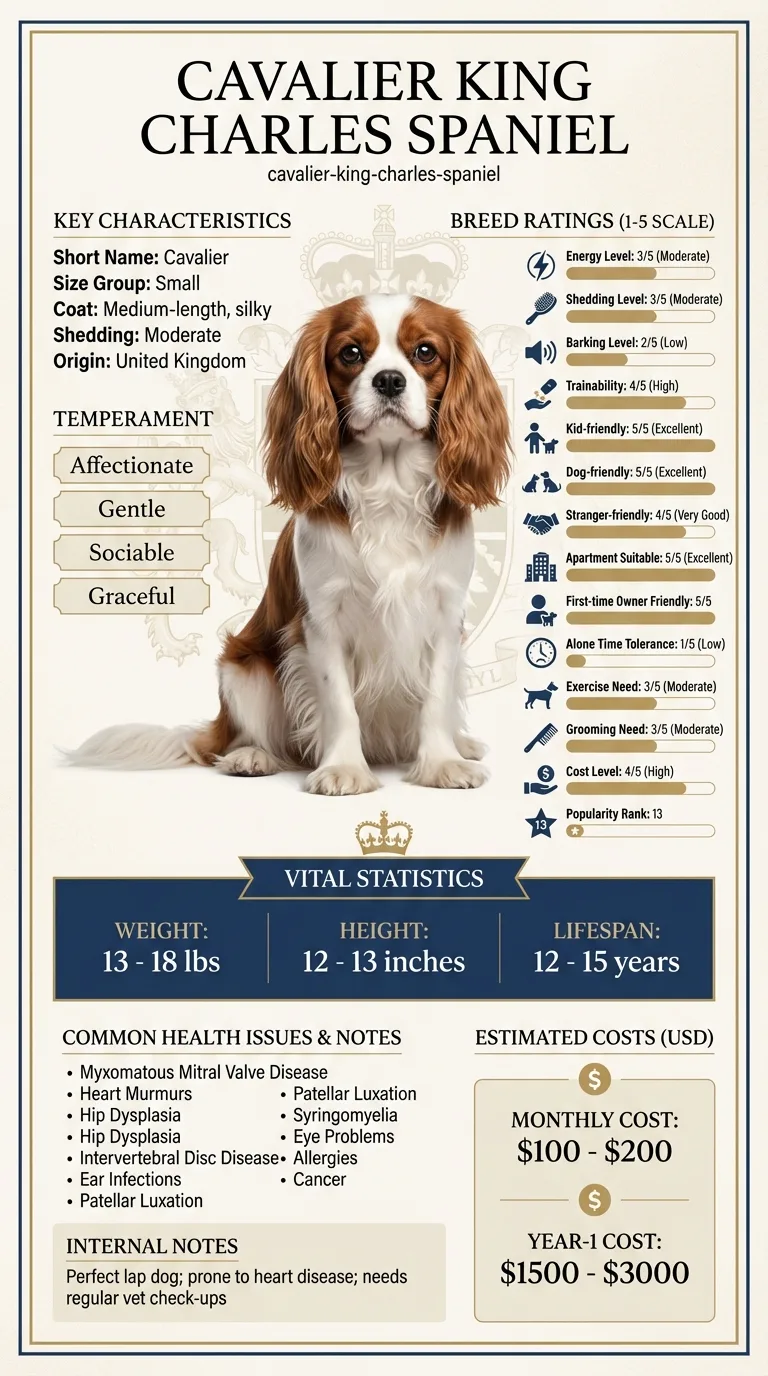
Cavalier King Charles Spaniels are known for their affectionate nature and strong attachment to their owners. Their desire for companionship makes them more prone to feelings of distress when left alone. This breed has a low tolerance for alone time, which can lead to separation anxiety.
Environmental factors also play a significant role in separation anxiety. Changes in routine, moving to a new home, or lack of socialization can trigger anxiety. If a Cavalier hasn't been exposed to being alone gradually, they may struggle to cope with being left alone.
If your Cavalier shows extreme panic or destructive behavior when left alone, it may be time to consult a professional dog trainer. They can create a tailored training program to help your dog cope with separation.
If your dog's anxiety leads to severe behavioral issues or health problems, speak with your vet. They can evaluate your dog's overall health and discuss potential medications or therapies to help manage their anxiety.
Start here: Cavalier King Charles Spaniel Genetic Disorders: Screening
See all Cavalier King Charles Spaniel health problems, which breeds are prone to separation anxiety, or the full Cavalier King Charles Spaniel breed guide for temperament, exercise needs and ownership costs.
You can expect noticeable improvements in your Cavalier King Charles Spaniel's separation anxiety within 4 to 6 weeks of consistent training.
Success means your dog can be left alone for short periods without excessive barking or destructive behavior. Ideally, they should feel more relaxed and secure when you're not home.
Avoiding common pitfalls can help you manage Cavalier King Charles Spaniel separation anxiety more effectively. Here are some mistakes to watch out for, along with safer alternatives to consider.
Recognizing when Cavalier King Charles Spaniel separation anxiety becomes an emergency is crucial for your pup's well-being. If your dog is displaying extreme distress, such as excessive barking, destructive behavior, or signs of physical distress like vomiting or pacing, it’s time to call your vet. These behaviors can indicate that their anxiety is reaching a critical point, and professional help is needed immediately.

If your Cavalier is showing mild signs of separation anxiety, such as whining or pacing without any destructive behavior, you can monitor the situation. Implementing a consistent routine, gradually increasing alone time, and providing distractions like toys can help. If these symptoms persist or worsen, it may be time to consult a vet or a trainer for further guidance.

Emily, a busy nurse in Chicago, adopted a Cavalier King Charles Spaniel named Bella. From day one, Bella showed signs of separation anxiety, barking loudly and chewing furniture whenever Emily left. After researching how to stop Cavalier King Charles Spaniel separation anxiety, Emily started a structured training plan. She practiced short departures, gradually increasing the time away and rewarding Bella for calm behavior. By week six, Bella could comfortably stay alone for two hours without distress.
Key takeaway: With patience and consistent training, even the most anxious Cavalier can learn to cope with being alone.
Signs of separation anxiety include excessive barking, destructive behavior, and attempts to escape when left alone. Your Cavalier might also show signs of distress, like drooling or pacing, before you leave. Recognizing these behaviors early can help you address the issue promptly.
To help your Cavalier, start by gradually increasing the time they spend alone. Use positive reinforcement when they remain calm, and consider creating a safe space with their favorite toys. Consistency is key in training and establishing a routine.
Common signs include excessive barking, destructive behavior, and attempts to escape. Some may also exhibit signs of distress, such as drooling or pacing, when they sense their owner is about to leave. Observing these behaviors can help you address the issue early.
Yes, separation anxiety training can be effective with consistent effort. Techniques like desensitization and counter-conditioning can help your Cavalier feel more secure when alone. Consulting a professional trainer may also provide additional strategies tailored to your dog's needs.
If your efforts don't yield results, consider seeking help from a veterinarian or animal behaviorist. They can assess your dog's situation and may recommend medications to help manage anxiety. It's important to address severe anxiety to ensure your dog's well-being.
Yes, older Cavaliers can experience heightened separation anxiety, especially if they have lost a companion or experienced changes in their environment. It's essential to provide extra comfort and support to help them cope with these transitions. Consistency in training and routine can also be beneficial.
Cavalier King Charles Spaniels generally have a low tolerance for being alone, typically around 1 to 2 hours. If you need to be away longer, consider arranging for a dog sitter or using a crate to create a safe space. Gradually increasing their alone time can help them adjust.
If your Cavalier shows anxiety during thunderstorms, provide a safe and comfortable space where they can relax. You might also try desensitization training or calming products like anxiety wraps. If the anxiety persists, consult your vet for additional strategies or medications.
Professional training can be very helpful for Cavalier King Charles Spaniel separation anxiety, especially if home methods aren't working. A trainer can offer personalized strategies tailored to your dog's needs. However, many owners find success with consistent practice and patience on their own.
Start with short departures and gradually increase the time apart. Provide engaging toys to distract them and establish a consistent routine to reduce anxiety.
Yes, crate training can be beneficial if done positively. Ensure the crate is a safe space filled with comforts, and avoid using it as punishment.
Cavalier King Charles Spaniels typically tolerate only short periods alone, often less than 2 hours. Extended alone time may worsen separation anxiety.
Yes, anxiety wraps, calming toys, and pheromone diffusers can help ease anxiety. These products can provide comfort during stressful times.
Behaviour changes often start with pain. The prep sheet for this page covers what to rule out, and what to ask.
You get: Vet visit prep sheet
No spam. One-click unsubscribe. See our privacy policy.
Preview page 1 before you decide.