Behavior
What are quick tips for managing Cavalier King Charles Spaniel obesity?
Monitor portion sizes, offer healthy treats, and engage your dog in daily exercise. Keeping a consistent feeding schedule also helps control their appetite.

Quick answer
What are quick tips for managing Cavalier King Charles Spaniel obesity?
Monitor portion sizes, offer healthy treats, and engage your dog in daily exercise. Keeping a consistent feeding schedule also helps control their appetite.
Cavalier King Charles Spaniels are charming companions, but many face a serious issue: a genetic predisposition to obesity. This condition can lead to various health problems that affect their quality of life.
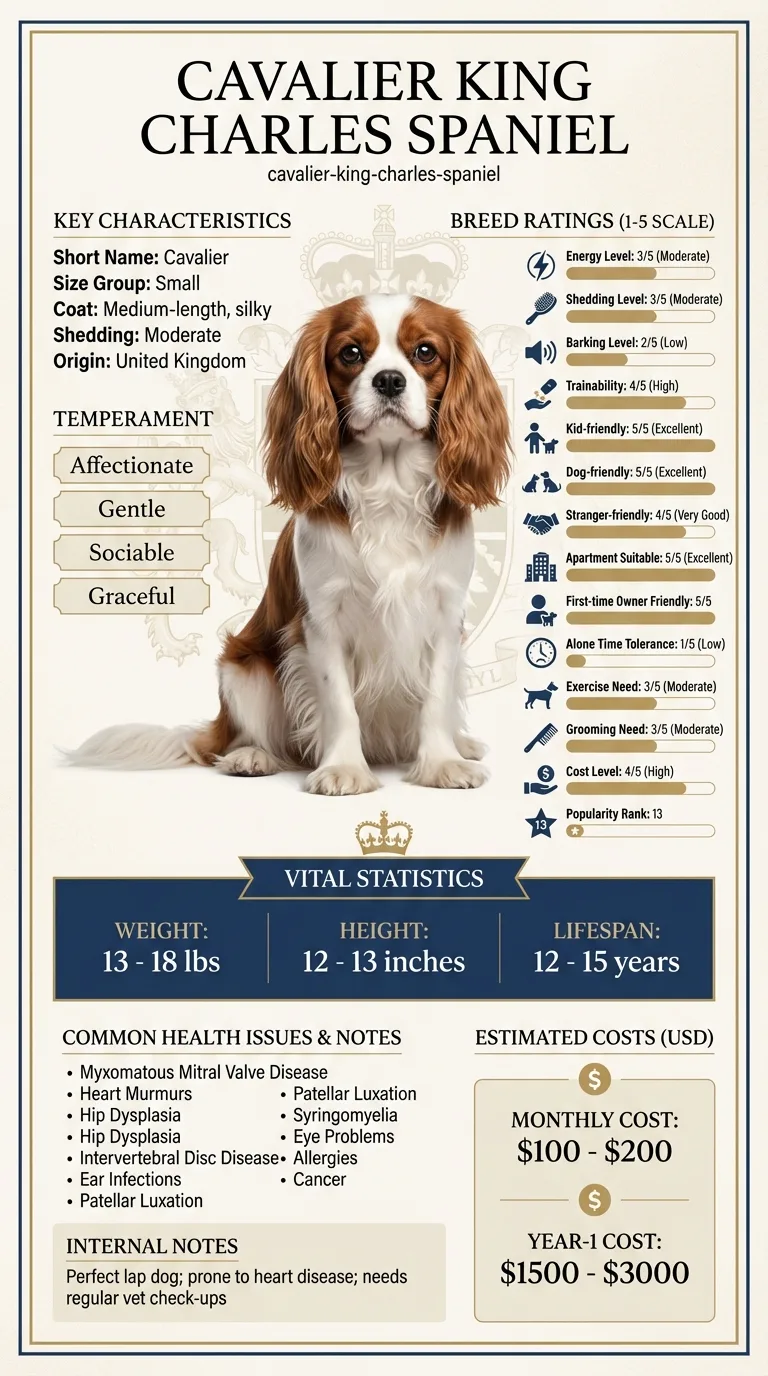
Many Cavalier owners, especially first-time dog parents, often struggle with this issue. Those who may not be aware of the breed's dietary needs or exercise requirements could see their pets gaining unwanted weight.
This guide is not medical advice. If your dog shows pain, sudden behavior change, or worsening symptoms, consult a licensed veterinarian.
Some links may be affiliate links. We may earn a commission at no extra cost to you. We only suggest products we believe are helpful for dog owners.
We research and check what we publish, but we do not warrant that any figure, date, price, or statement is accurate, complete, or current, and we accept no liability for any loss, cost, injury, or other harm arising from the use of this site. Use it as one reference among several. You remain responsible for your own decisions and for your dog's care - confirm anything that matters with a licensed veterinarian or another qualified professional before you act on it. Full disclaimer.
Check this first
Understanding when your Cavalier King Charles Spaniel's genetic predisposition to obesity is an emergency is crucial. If you notice any of the following red flags, it’s time to call your vet immediately. Signs of distress include rapid weight gain over a short period, difficulty breathing, extreme lethargy, or signs of pain when moving. These symptoms could indicate a serious underlying health issue that needs urgent attention.
On the other hand, if your Cavalier is slightly overweight but still active and happy, you can monitor the situation. Keep track of their weight and adjust their diet and exercise routine as needed. Mild cases may involve gradual weight gain, occasional lethargy, or minor changes in appetite. In these situations, creating a structured meal plan and regular exercise regime can help manage their weight effectively without panic.
Always remember that early intervention can prevent more serious health complications down the road. If you're unsure whether your dog's condition requires immediate vet care, it’s always better to err on the side of caution. Your vet can provide guidance tailored to your Cavalier's specific needs and health status. Regular check-ups are essential for monitoring their health, especially with their predisposition to obesity.
If any of these apply, call your vet or an emergency clinic now. The rest of this page is for the cases that are not an emergency.
Cavalier King Charles Spaniels often face a genetic predisposition to obesity due to a mutation in the POMC gene. This mutation leads to an increased appetite, causing these affectionate dogs to gain weight more easily than other breeds. Owners may notice their Cavalier is always eager for food, making it challenging to manage their diet effectively.
This genetic predisposition is relatively common in Cavaliers, with many experiencing weight-related issues at some point in their lives. It’s important for owners to monitor their dog's weight closely and establish proper feeding routines.
Cavalier King Charles Spaniels have a genetic predisposition to obesity due to a mutation in the POMC gene. This mutation can lead to an increased appetite and difficulty regulating food intake. Consequently, Cavaliers may be more likely to overeat if not carefully monitored.
Environmental factors also contribute to obesity in Cavaliers. A sedentary lifestyle, lack of exercise, and easy access to high-calorie treats can exacerbate their tendency to gain weight. Additionally, homes where food is given as a reward can further encourage unhealthy eating habits.
It's essential to talk to your vet if you notice significant weight gain or if your Cavalier has difficulty losing weight. They can check for underlying health issues and recommend appropriate dietary adjustments or weight management programs.
Avoid these common mistakes that can worsen your Cavalier King Charles Spaniel's genetic predisposition to obesity.
Start here: Cavalier King Charles Spaniel Genetic Disorders: Screening
See all Cavalier King Charles Spaniel health problems, which breeds are prone to genetic predisposition to obesity, or the full Cavalier King Charles Spaniel breed guide for temperament, exercise needs and ownership costs.
Expect to see improvements in your Cavalier's weight management within 3 to 6 months of implementing a structured diet and exercise plan.
Success means your Cavalier maintains a healthy weight, has increased energy levels, and shows improved overall health during vet check-ups.
Emily, a first-time dog owner in Seattle, noticed her Cavalier King Charles Spaniel, Bella, was gaining weight quickly. After some research, she discovered that Bella had a genetic predisposition to obesity due to a POMC gene mutation. With the guidance of her vet, Emily created a balanced diet plan and started taking Bella on daily walks. Over several months, Bella lost the extra weight and regained her playful spirit, allowing Emily to enjoy their trips to the park together.
Key takeaway: With dedication to a proper diet and exercise, it's possible to manage a Cavalier's genetic predisposition to obesity and ensure they live a healthy, happy life.
Cavalier King Charles Spaniels can have a genetic predisposition to obesity due to a mutation in the POMC gene. This mutation can affect their appetite regulation, leading them to eat more than necessary. Understanding this can help owners manage their dog's diet and exercise needs. This answer relates to Cavalier King Charles Spaniel genetic predisposition to obesity.
To prevent obesity in your Cavalier, feed them a balanced diet and monitor portion sizes. Regular exercise is crucial; aim for at least 30 minutes of moderate activity daily. Consulting your vet for personalized advice can also help.
Positive reinforcement training can encourage healthy behavior in your Cavalier. Teach commands that promote activity, like 'come' or 'fetch,' and reward them for engaging in exercise. Regular training sessions can make exercise fun and effective.
Look for weight management dog foods that are lower in calories but high in nutrients. These diets can help your Cavalier feel full while consuming fewer calories. Always check with your vet before making dietary changes.
Regular vet visits are essential for managing your Cavalier's weight. Aim for check-ups every 6 months to monitor weight and discuss any dietary adjustments. Your vet can help track your dog's health and make necessary recommendations.
The genetic predisposition to obesity in Cavalier King Charles Spaniels is often linked to a mutation in the POMC gene. This mutation can lead to an increased appetite and slower metabolism, making weight management more challenging.
To determine if your Cavalier is overweight, check their body condition. You should be able to feel their ribs without excess fat covering. If you notice a lack of waist when looking from above or if they struggle with normal activities, it might be time to consult your vet.
Yes, a controlled diet plan that focuses on high-quality, low-calorie foods can help manage your Cavalier's weight. Portion control and scheduled feeding times are crucial, along with avoiding table scraps and high-calorie treats.
Obesity can lead to several severe health issues in Cavalier King Charles Spaniels, such as heart disease, diabetes, and joint problems. Maintaining a healthy weight is essential for their overall well-being and longevity.
If you notice your Cavalier gaining weight despite a balanced diet and regular exercise, or if they show signs of lethargy or discomfort, it's important to consult your vet. Early intervention can help prevent serious health issues related to obesity.
Monitor portion sizes, offer healthy treats, and engage your dog in daily exercise. Keeping a consistent feeding schedule also helps control their appetite.
Cavaliers typically need about 30 minutes of exercise per day. This can include walks, playtime, or training sessions.
Look for difficulty in feeling their ribs, lack of a defined waist, and decreased energy during play. Regular vet check-ups can also help assess their weight.
Yes, stress can lead to overeating and weight gain. Providing a stable environment and routine can help reduce anxiety and promote a healthy weight.
A one-page prep sheet for this condition: the signs, the questions to ask, what to get priced. Unlocks here.
You get: Vet visit prep sheet
No spam. One-click unsubscribe. See our privacy policy.
Preview page 1 before you decide.