Behavior
How can I recognize legg-calvé-perthes disease in my Cavalier?
Look for symptoms like limping or difficulty in movement, especially after exercise.

Quick answer
How can I recognize legg-calvé-perthes disease in my Cavalier?
Look for symptoms like limping or difficulty in movement, especially after exercise.
Legg-Calvé-Perthes disease is a significant health concern for Cavalier King Charles Spaniels.
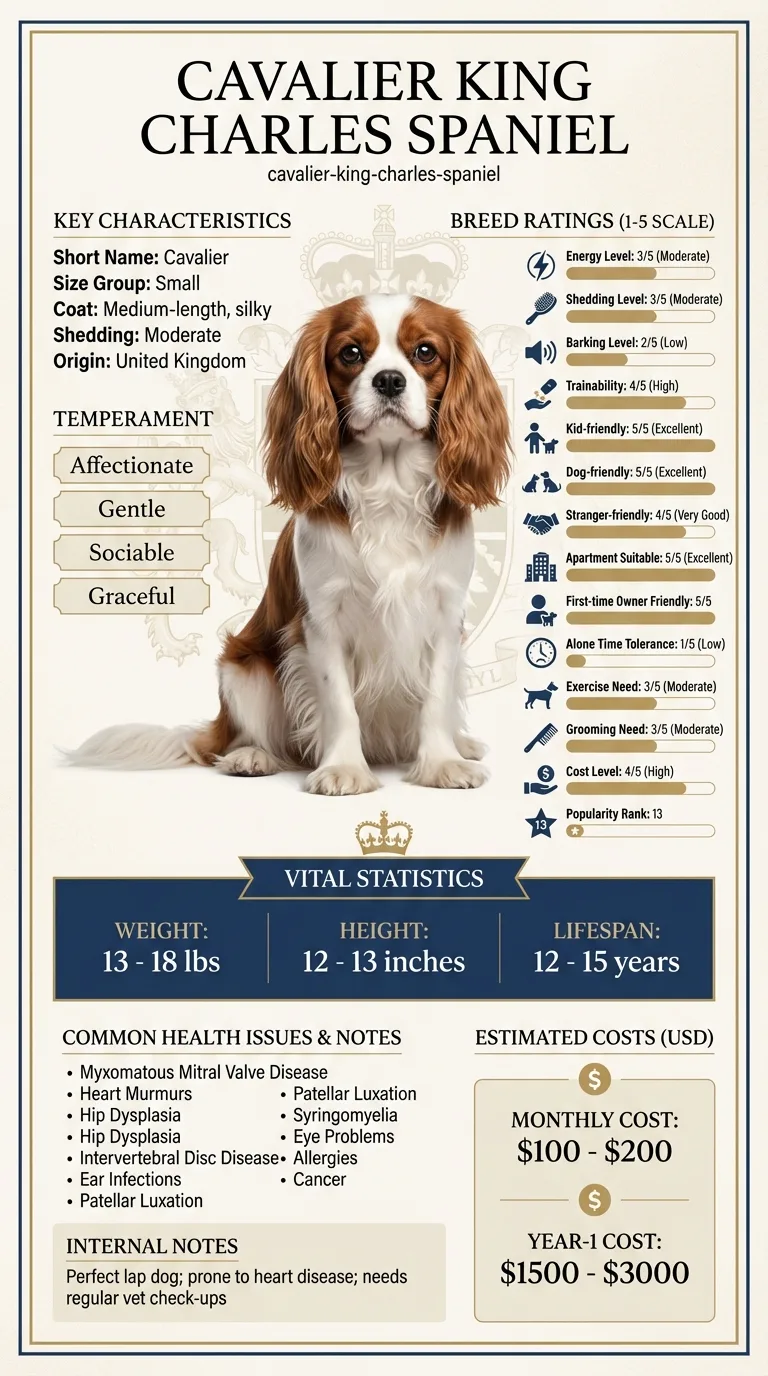
Owners of Cavalier King Charles Spaniels, especially those with active lifestyles, may find this condition troubling. It can be particularly challenging for first-time dog owners who might not recognize the signs of discomfort in their pets.
This guide is not medical advice. If your dog shows pain, sudden behavior change, or worsening symptoms, consult a licensed veterinarian.
Some links may be affiliate links. We may earn a commission at no extra cost to you. We only suggest products we believe are helpful for dog owners.
We research and check what we publish, but we do not warrant that any figure, date, price, or statement is accurate, complete, or current, and we accept no liability for any loss, cost, injury, or other harm arising from the use of this site. Use it as one reference among several. You remain responsible for your own decisions and for your dog's care - confirm anything that matters with a licensed veterinarian or another qualified professional before you act on it. Full disclaimer.
Check this first
Recognizing when your Cavalier King Charles Spaniel's legg-calvé-perthes disease requires immediate veterinary attention is crucial. If your dog is in severe pain, showing signs of distress, or unable to walk, these are red flags. Other symptoms like swelling in the hip area, sudden lameness, or a noticeable change in behavior (such as hiding or excessive whining) also warrant an immediate call to your vet.
In contrast, mild cases may not require urgent care. If your Cavalier is limping slightly but still moving around and eating well, you can monitor their condition at home. Keeping a close eye on their activity level and making sure they're comfortable is essential. You might also consider a gradual increase in light activity to help them cope with their symptoms.
Planning for regular vet visits is key, especially if your dog has been diagnosed with this condition. It’s important to have a management plan in place, focusing on controlled exercise and weight management. However, if you notice any sudden changes or worsening of symptoms, don’t hesitate to seek immediate help.
If any of these apply, call your vet or an emergency clinic now. The rest of this page is for the cases that are not an emergency.
Cavalier King Charles Spaniel legg-calvé-perthes disease is a condition that affects the hip joint, causing pain and mobility issues. Day-to-day, you might notice your Cavalier limping, having difficulty jumping, or showing reluctance to play. This disease can lead to significant discomfort, impacting your dog's quality of life.
Legg-calvé-perthes disease is relatively common in Cavalier King Charles Spaniels, especially in younger dogs. It's crucial to be aware of this condition, as early detection and treatment can greatly improve your dog's comfort and mobility.
Cavalier King Charles Spaniels are prone to certain genetic conditions, including Legg-Calvé-Perthes disease. This condition often stems from a lack of blood supply to the hip joint, leading to the deterioration of the hip bone. Their small size and specific breeding history can increase the likelihood of developing this issue.
Environmental factors can also contribute to Legg-Calvé-Perthes disease in Cavaliers. Overweight dogs or those lacking proper exercise may experience joint stress, making them more susceptible. Additionally, injuries or trauma to the hip area can exacerbate the condition.
If you suspect your Cavalier has Legg-Calvé-Perthes disease, schedule a vet appointment immediately. A veterinarian can diagnose the condition through imaging and recommend a treatment plan, which may include medication or surgery if necessary.
Avoiding these common mistakes can help better manage your Cavalier King Charles Spaniel's legg-calvé-perthes disease.
Start here: Cavalier King Charles Spaniel Genetic Disorders: Screening
See all Cavalier King Charles Spaniel health problems, which breeds are prone to legg calv perthes disease, or the full Cavalier King Charles Spaniel breed guide for temperament, exercise needs and ownership costs.
You can expect to see improvements within 4 to 6 weeks of consistent care and follow-up with your vet.
Success means your Cavalier King Charles Spaniel can move comfortably without signs of pain, enjoys regular playtime, and has a better quality of life.
Emily, a busy nurse in Chicago, noticed her Cavalier King Charles Spaniel, Bella, limping during their daily walks. After a vet visit, she learned Bella had Legg-Calvé-Perthes disease, which meant changes were needed. Emily researched training methods and adjusted Bella's exercise routine, incorporating short, gentle walks and specific stretches. In just two months, Bella showed significant improvement, happily chasing after her favorite ball again. Emily also learned the importance of keeping Bella engaged mentally to prevent boredom-induced anxiety.
Key takeaway: Addressing Cavalier King Charles Spaniel legg-calvé-perthes disease takes patience and dedication, but with the right training and care, your dog can regain comfort and joy in their daily life.
The exact cause of legg-calvé-perthes disease isn't fully understood, but it is believed to have a genetic component. Small breeds like Cavalier King Charles Spaniels are more prone to this condition, which typically occurs in dogs between 4 to 6 months old.
Managing this condition can involve limiting your dog's physical activity to reduce pain. Regular vet check-ups and following your vet's recommendations for treatment, which may include surgery, are crucial for your dog's recovery.
Surgery is often recommended for severe cases to relieve pain and restore mobility. Your veterinarian can help you weigh the benefits and risks based on your dog's specific situation.
While legg-calvé-perthes disease is more common in young dogs, older Cavaliers can still experience hip problems. It's crucial to keep an eye on their mobility and seek veterinary advice if they show signs of discomfort or pain.
Diagnosis typically involves a physical examination and X-rays to evaluate the hip joint. Your vet will assess the extent of the disease and recommend treatment options based on their findings.
Treatment options may include surgical intervention to correct hip issues. Physical therapy and medication can also help manage pain and improve mobility. Always follow your vet’s recommendations for the best results.
To help your Cavalier, provide a comfortable space to rest and limit strenuous activities. Gentle exercises can promote healing, but always consult your vet for a tailored exercise plan that suits your dog's needs.
Look for symptoms like limping or difficulty in movement, especially after exercise.
Treatment options include medication for pain relief and possibly surgery to correct the issue.
Limit their activity, provide a comfortable resting area, and follow your vet's guidelines for rehabilitation.
Recovery can vary but generally takes several weeks to months, depending on the severity of the condition and treatment chosen.
A one-page prep sheet for this condition: the signs, the questions to ask, what to get priced. Unlocks here.
You get: Vet visit prep sheet
No spam. One-click unsubscribe. See our privacy policy.
Preview page 1 before you decide.