Behavior
What are some quick tips for Cavalier King Charles Spaniel pregnancy complications?
Ensure regular vet visits and monitor for signs of distress. Provide a calm environment and a nutritious diet to support your dog's health.

Quick answer
What are some quick tips for Cavalier King Charles Spaniel pregnancy complications?
Ensure regular vet visits and monitor for signs of distress. Provide a calm environment and a nutritious diet to support your dog's health.
Cavalier King Charles Spaniel pregnancy complications can be serious and require careful attention.
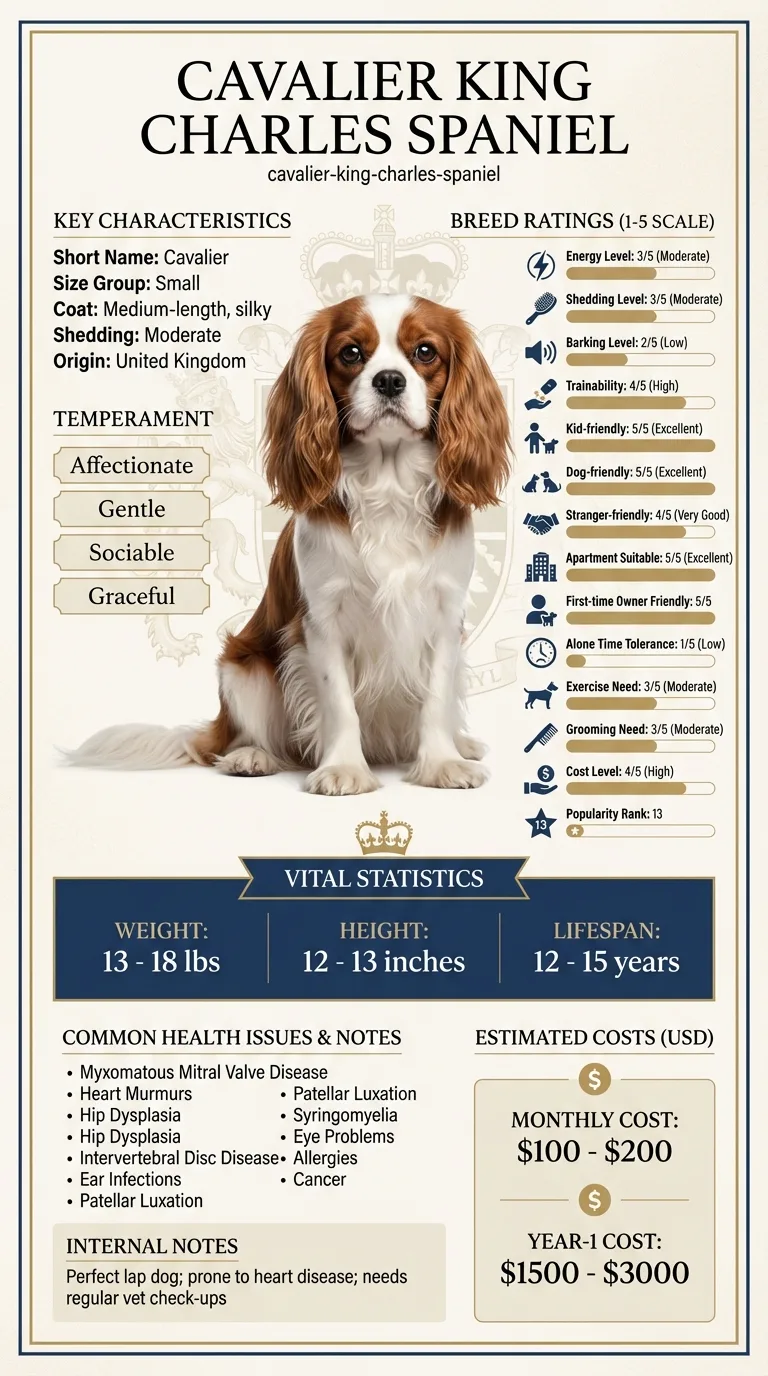
New and experienced Cavalier owners alike may struggle with these pregnancy complications. Those who are unprepared or unaware of these risks may face difficult decisions during this critical time.
This guide is not medical advice. If your dog shows pain, sudden behavior change, or worsening symptoms, consult a licensed veterinarian.
Some links may be affiliate links. We may earn a commission at no extra cost to you. We only suggest products we believe are helpful for dog owners.
We research and check what we publish, but we do not warrant that any figure, date, price, or statement is accurate, complete, or current, and we accept no liability for any loss, cost, injury, or other harm arising from the use of this site. Use it as one reference among several. You remain responsible for your own decisions and for your dog's care - confirm anything that matters with a licensed veterinarian or another qualified professional before you act on it. Full disclaimer.
Check this first
Understanding when Cavalier King Charles Spaniel pregnancy complications become an emergency is crucial for your dog's health. If you notice severe symptoms, it’s time to call your vet immediately. Look for red flags like excessive bleeding, extreme lethargy, or difficulty breathing. These signs can indicate serious issues that require prompt attention.
Less urgent situations, while still concerning, can often be monitored at home. Mild vomiting or decreased appetite may not be an immediate threat, especially if they are temporary. Keep a close eye on your dog, and if symptoms persist or worsen, reach out to your veterinarian for guidance. Creating a plan for monitoring these mild cases can help you feel more prepared and informed during your Cavalier’s pregnancy.
Always trust your instincts. If you feel something is off, it’s better to err on the side of caution and contact your vet. They can help you determine if it’s an emergency or if it can wait for a scheduled check-up. Your Cavalier’s health and safety should always be your top priority.
If any of these apply, call your vet or an emergency clinic now. The rest of this page is for the cases that are not an emergency.
Cavalier King Charles Spaniels can face various pregnancy complications. These complications may include difficulties during labor, low birth weights, and health issues for both the mother and puppies. This breed is especially prone to these challenges due to their genetic predispositions and size.
Pregnancy complications are relatively common in Cavalier King Charles Spaniels. Studies suggest they have a 419% higher risk compared to other breeds, making awareness and proper care essential.
Cavalier King Charles Spaniels are prone to various health issues, including heart problems and genetic disorders that can complicate pregnancy. Their small size can also increase the risk of birthing difficulties, leading to complications during gestation or delivery.
Stressful environments, inadequate nutrition, and poor prenatal care can also contribute to pregnancy complications. If the dog experiences anxiety or lacks a comfortable, safe space, it may lead to further health issues during pregnancy.
Consult your vet immediately if you notice any concerning symptoms, such as vomiting, excessive panting, or difficulty in breathing. Regular check-ups throughout her pregnancy are crucial.
Avoiding common mistakes can help reduce Cavalier King Charles Spaniel pregnancy complications. Here are some behaviors to steer clear of.
Start here: Cavalier King Charles Spaniel Genetic Disorders: Screening
See all Cavalier King Charles Spaniel health problems, which breeds are prone to pregnancy complications, or the full Cavalier King Charles Spaniel breed guide for temperament, exercise needs and ownership costs.
Addressing Cavalier King Charles Spaniel pregnancy complications typically takes 4 to 6 weeks of focused care and follow-up.
Success is having a healthy pregnancy with minimal complications, and your Cavalier feeling comfortable and supported throughout.
Sarah, a first-time dog owner in a bustling city, noticed her Cavalier King Charles Spaniel, Bella, experiencing unusual symptoms during her pregnancy. After a few vet visits, it became clear that Bella was facing pregnancy complications. To support Bella, Sarah learned about proper nutrition and created a calm environment at home. With patience and a few adjustments, Sarah also attended training sessions that helped Bella manage her stress. Over time, Bella delivered a healthy litter, and Sarah felt a deep sense of accomplishment in their journey together.
Key takeaway: Understanding your dog's needs and making adjustments can lead to a successful pregnancy, even amidst challenges.
Cavalier King Charles Spaniels can face pregnancy complications due to their small size and genetic predispositions. Common issues include uterine infections, difficulty during delivery, and low birth weight puppies. Regular vet check-ups are crucial to monitor your dog's health throughout pregnancy.
To prevent complications, ensure your Cavalier is in good health before breeding. Regular veterinary care, a balanced diet, and appropriate prenatal vitamins can improve outcomes. Also, consider consulting a vet for advice on breeding practices suited to their unique needs.
Watch for signs like excessive panting, lethargy, or unusual discharge. If your Cavalier seems distressed or refuses to eat, it’s essential to contact your vet immediately. Early detection can make a significant difference in managing complications.
If your Cavalier is struggling to deliver, remain calm and contact your veterinarian right away. Do not attempt to intervene without professional guidance as it could harm both the mother and the puppies. Quick veterinary assistance is crucial in these situations.
Training techniques like positive reinforcement can help prepare your Cavalier for the changes during pregnancy. Familiarize them with birthing supplies and create a quiet, comfortable space for them to feel safe. Consult a professional trainer if additional help is needed.
If your Cavalier shows signs of distress, such as excessive panting, whining, or reluctance to eat, it's important to contact your vet immediately. These could be symptoms of complications, and timely intervention can make a big difference.
Yes, Cavalier King Charles Spaniels can face specific pregnancy complications like dystocia, which is difficulty giving birth. Their small size and unique body structure can increase these risks, so monitoring is vital during their pregnancy.
To support your Cavalier during pregnancy, ensure she has a balanced diet appropriate for expecting mothers, regular vet check-ups, and a safe, comfortable space for resting. Minimizing stress and providing a calm environment are also crucial.
You should be concerned if your Cavalier experiences unusual symptoms such as bleeding, lethargy, or a significant decrease in appetite. These symptoms can signal serious complications, and contacting your vet is essential.
Long-term health implications for Cavaliers who experience pregnancy complications can vary. Some may face ongoing health issues such as heart problems or weakened immune systems. Regular vet visits are important to monitor their health post-pregnancy.
Ensure regular vet visits and monitor for signs of distress. Provide a calm environment and a nutritious diet to support your dog's health.
It’s best to visit the vet at least once a month during your Cavalier's pregnancy. This ensures any potential issues are caught early.
Yes, many Cavaliers can have natural births, but due to their size, they are at higher risk for complications. Always have a vet on call during the delivery.
If your Cavalier isn't eating, it’s important to consult your vet immediately. Loss of appetite can indicate complications that need attention.
Create a quiet and cozy space with soft bedding. Stay close and provide reassurance to help your Cavalier feel safe during this time.
A one-page prep sheet for this condition: the signs, the questions to ask, what to get priced. Unlocks here.
You get: Vet visit prep sheet
No spam. One-click unsubscribe. See our privacy policy.
Preview page 1 before you decide.