DogBreedCompass
← Back to breed profile

Understanding Cavalier King Charles Spaniel Cardiac Disease

Cavalier King Charles Spaniel cardiac disease is a serious concern that many owners face. This condition can significantly impact your dog's quality of life.

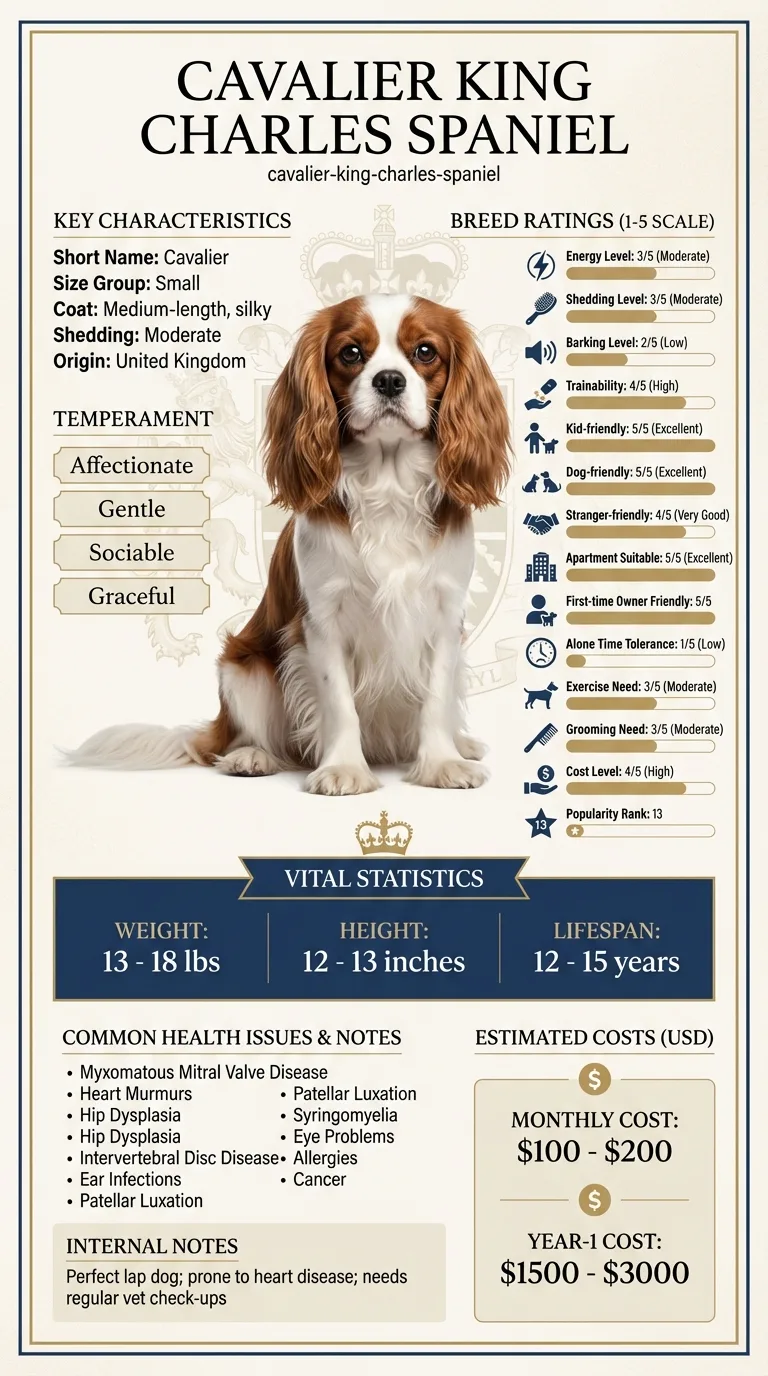
Understanding Cavalier King Charles Spaniel Cardiac Disease infographic

Owners of Cavalier King Charles Spaniels, especially those with senior dogs, often find themselves navigating the challenges of cardiac disease. This can be particularly stressful for first-time dog owners who may not be familiar with the breed's health risks.

Important reminder

This guide is not medical advice. If your dog shows pain, sudden behavior change, or worsening symptoms, consult a licensed veterinarian.

Some links may be affiliate links. We may earn a commission at no extra cost to you. We only suggest products we believe are helpful for dog owners.

What this problem looks like

Cavalier King Charles Spaniel cardiac disease is a common issue, especially as these dogs age. This condition can manifest in various ways, including lethargy, coughing, and difficulty breathing. It's crucial for owners to recognize these signs early to ensure proper care and treatment.

Common triggers

  • Age-related degeneration of the heart
  • Genetic predisposition to heart conditions
  • Obesity and lack of exercise
  • High-stress environments or situations

Cavalier King Charles Spaniels are particularly prone to cardiac disease, with many experiencing symptoms by the age of five. Studies suggest that up to 50% of Cavaliers may develop heart issues by their senior years, making regular vet check-ups essential.

Why this happens

Breed factors

Cavalier King Charles Spaniels are genetically predisposed to various heart conditions, particularly Myxomatous Mitral Valve Disease. Their small size makes them more susceptible to cardiac issues as they age. Additionally, their affectionate nature can lead to a sedentary lifestyle, which may worsen heart health.

Environment factors

Poor diet, lack of exercise, and obesity can all contribute to the development of cardiac disease. Stressful environments or separation anxiety can also impact their heart health, especially since Cavaliers tend to be sensitive and thrive on companionship.

What you can try

At-home strategies

  • Feed a balanced diet rich in nutrients and low in fillers. Consult your vet for specific dietary recommendations.
  • Establish a regular exercise routine, such as daily walks or playtime, to maintain a healthy weight.
  • Monitor your Cavalier's weight closely, aiming to keep it within the recommended range for their size.
  • Provide mental stimulation through interactive toys and training sessions to keep their mind sharp and engaged.
  • Create a calm and comforting environment to reduce stress, especially during loud noises or changes in routine.

When to consider a trainer

If your Cavalier shows signs of anxiety or behavioral issues, such as excessive barking or destructive behavior, consider hiring a trainer. A professional can help develop a tailored training plan to address these concerns.

When to talk to your vet

If you notice symptoms like coughing, difficulty breathing, or lethargy, schedule a vet appointment immediately. Regular check-ups are essential for early detection and management of heart conditions in Cavaliers.

Realistic expectations

Addressing Cavalier King Charles Spaniel cardiac disease can take several months to see significant improvements. Regular vet visits and consistent management are key.

Success looks like a well-managed condition with stable heart health, improved energy levels, and a happy, active pet enjoying their daily life.

Mistakes that make this worse

Avoid these common mistakes to help manage Cavalier King Charles Spaniel cardiac disease effectively.

  • Ignoring symptoms
  • Feeding unhealthy treats
  • Skipping vet check-ups
  • Over-exercising your dog
  • Using harsh training methods

When Cavalier King Charles Spaniel Cardiac Disease is an Emergency

It's crucial to know when Cavalier King Charles Spaniel cardiac disease becomes an emergency. If your dog shows severe symptoms like collapsing, difficulty breathing, or persistent coughing, you should call your vet immediately. These signs can indicate serious heart issues that require urgent care.

On the other hand, mild symptoms such as occasional coughing or slight lethargy can usually be monitored at home. In these cases, keeping track of your dog's behavior and making an appointment for a check-up can be sufficient. Don't hesitate to reach out if you notice a decline in your dog's energy or appetite.

Always trust your instincts as a pet owner. When in doubt, it's better to err on the side of caution and seek veterinary guidance. Early intervention can lead to better outcomes for your Cavalier, so stay vigilant about any changes in their health.

Understanding Cavalier King Charles Spaniel Cardiac Disease - When Cavalier King Charles Spaniel Cardiac Disease is an Emergency

Samantha and Charlie: A Journey with Heart Disease

Samantha, a busy nurse in Boston, adopted Charlie, a Cavalier King Charles Spaniel, who quickly became her favorite companion. After a few months, she noticed Charlie was more tired than usual and had a persistent cough. After a vet visit, she learned he had early signs of cardiac disease. Determined to help him, Samantha worked closely with her vet to adjust Charlie's diet, incorporate exercise tailored to his needs, and manage his medications. Over time, Charlie regained some energy and was able to enjoy walks again. Samantha learned the importance of regular vet check-ups and being proactive about Charlie's health.

Key takeaway: With early detection and consistent care, you can effectively manage Cavalier King Charles Spaniel cardiac disease, allowing your furry friend to thrive.

Frequently asked questions

Why does my Cavalier King Charles Spaniel have cardiac disease?

Cavalier King Charles Spaniels are prone to cardiac disease due to genetics and their small size. Common conditions include Myxomatous Mitral Valve Disease and heart murmurs, which typically develop as they age. Regular vet check-ups can help catch these issues early.

How to stop Cavalier King Charles Spaniel cardiac disease?

While you can't completely prevent cardiac disease, you can manage your Cavalier's health through a balanced diet, regular exercise, and routine vet visits. Keeping them at a healthy weight and monitoring their heart health can also make a difference.

What are the signs of cardiac disease in my Cavalier King Charles Spaniel?

Signs may include coughing, difficulty breathing, lethargy, and a decreased tolerance for exercise. If you notice any of these symptoms, contact your vet promptly for an evaluation. Early detection can lead to more effective treatment.

Can Cavalier King Charles Spaniel cardiac disease be treated?

Yes, depending on the severity, treatment may include medications to manage symptoms and improve heart function. In some cases, lifestyle changes like reduced activity and dietary adjustments are also recommended. Always consult your vet for the best course of action.

Is cardiac disease common in Cavalier King Charles Spaniels?

Sadly, yes. Cardiac disease is one of the most common health issues in this breed, especially as they age. Being aware of their predisposition can help you take proactive steps for their heart health.

What routine care helps manage Cavalier King Charles Spaniel cardiac disease?

Regular vet visits, a heart-healthy diet, and avoiding excessive stress are key. Monitoring their weight and adjusting exercise levels based on their health status also play a significant role in management.

What lifestyle changes can help my Cavalier with cardiac disease?

Adjusting their diet to include heart-healthy foods, ensuring they get moderate exercise, and keeping stress levels low can help. Regular monitoring and consultations with your vet will guide necessary adjustments.

What are the early signs of cardiac disease in Cavalier King Charles Spaniels?

Early signs of cardiac disease in Cavalier King Charles Spaniels can include coughing, difficulty breathing, and lethargy. If you notice these symptoms, it's crucial to consult your vet for a thorough evaluation.

Can Cavalier King Charles Spaniels with cardiac disease still exercise?

While exercise is important, it should be approached with caution. Light, short walks are usually fine, but avoid strenuous activities. Always discuss your dog's exercise plan with your veterinarian.

How often should I take my Cavalier King Charles Spaniel for heart check-ups?

For Cavalier King Charles Spaniels, regular vet check-ups are essential, especially as they age. Typically, annual visits are recommended, but semi-annual visits may be necessary if your dog has cardiac issues.

Is there a specific diet for Cavalier King Charles Spaniels with cardiac disease?

Yes, a heart-healthy diet can help manage cardiac disease. Look for high-quality dog food that supports heart health, and consult your vet for specific dietary recommendations tailored to your dog's needs.

What should I do if my Cavalier King Charles Spaniel has a sudden worsening of symptoms?

If your Cavalier shows sudden worsening of symptoms, such as severe coughing or difficulty breathing, seek emergency veterinary care immediately. Timely intervention can be crucial in managing cardiac disease.

Quick answers

View more answers
Health

What are quick tips for Cavalier King Charles Spaniel cardiac disease?

Regular vet check-ups, a balanced diet, and moderate exercise can help manage cardiac disease in Cavaliers.

Health

How often should I take my Cavalier to the vet for heart health?

Aim for at least twice a year for routine check-ups, and more often if your dog shows symptoms.

Training

Can training help with Cavalier King Charles Spaniel cardiac disease?

While training won't cure the disease, it can help reduce stress and improve overall well-being.

Living

What should I feed my Cavalier with cardiac issues?

Consider heart-healthy diets rich in omega-3 fatty acids and low in sodium, as recommended by your vet.

Costs

What are the costs associated with Cavalier King Charles Spaniel cardiac disease?

Monthly medical costs can range from $100 to $200, depending on treatment and medications needed.

Related DogBreedCompass guides

Related guides