Behavior
What are some quick tips for Cavalier King Charles Spaniel obesity?
Monitor food portions, limit high-calorie treats, and encourage daily exercise. Regular vet check-ups can help track their weight and health.

Quick answer
What are some quick tips for Cavalier King Charles Spaniel obesity?
Monitor food portions, limit high-calorie treats, and encourage daily exercise. Regular vet check-ups can help track their weight and health.
Cavalier King Charles Spaniel obesity is a growing concern for many pet owners. Managing your dog's weight is crucial for their overall health and well-being.
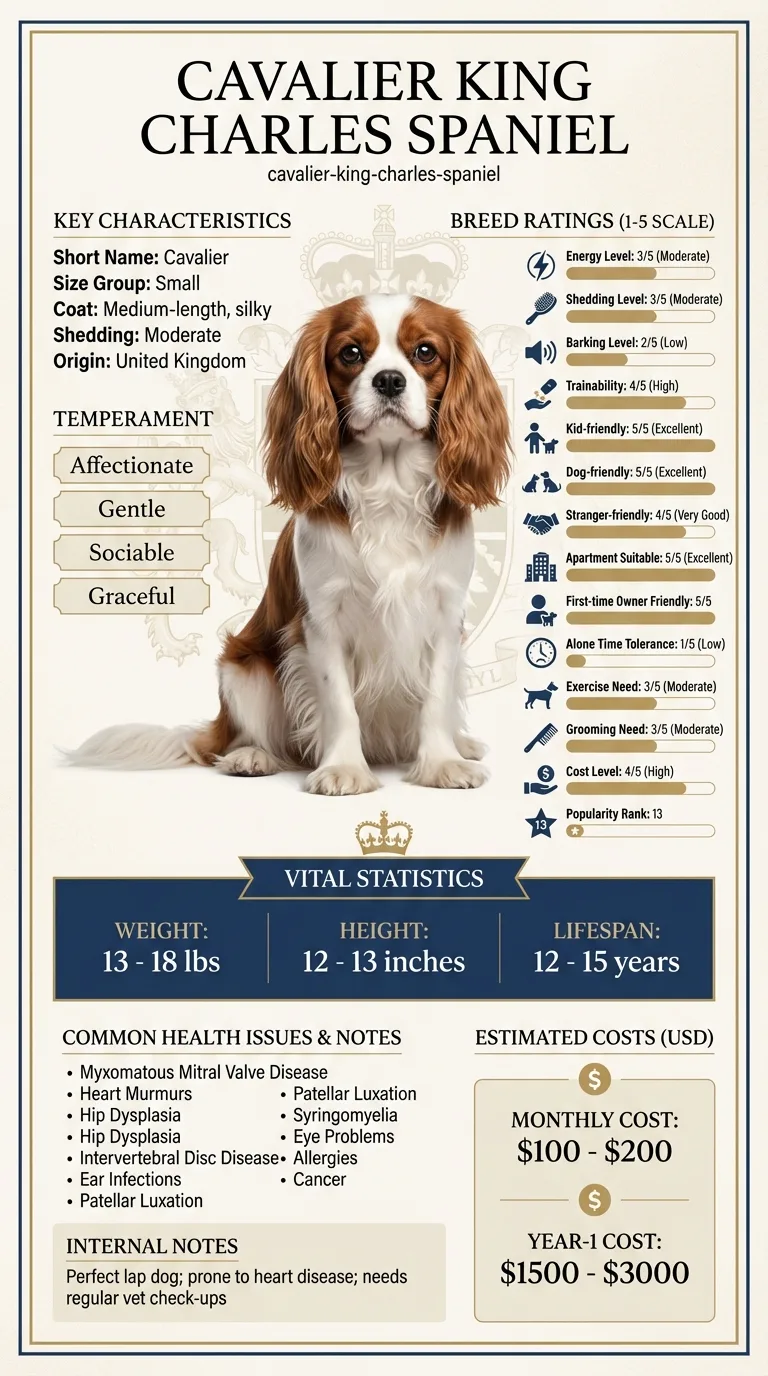
Dog owners, particularly first-time owners and families with busy lifestyles, often struggle with Cavalier King Charles Spaniel obesity. Many find it challenging to balance proper nutrition and exercise, leading to an overweight pup.
This guide is not medical advice. If your dog shows pain, sudden behavior change, or worsening symptoms, consult a licensed veterinarian.
Some links may be affiliate links. We may earn a commission at no extra cost to you. We only suggest products we believe are helpful for dog owners.
We research and check what we publish, but we do not warrant that any figure, date, price, or statement is accurate, complete, or current, and we accept no liability for any loss, cost, injury, or other harm arising from the use of this site. Use it as one reference among several. You remain responsible for your own decisions and for your dog's care - confirm anything that matters with a licensed veterinarian or another qualified professional before you act on it. Full disclaimer.
Check this first
If your Cavalier is struggling to breathe, showing signs of extreme lethargy, or has a sudden change in behavior such as aggression or hiding, these could be red flags. Additionally, if your dog experiences frequent vomiting or diarrhea, it’s time to call your vet immediately.
On the other hand, if your Cavalier is slightly overweight but still active and playful, you can monitor their weight at home. Implementing a structured diet and exercise plan can often help manage their weight without immediate vet intervention. Keep an eye on their eating habits and ensure they are not excessively begging for food or snacks.
Regular check-ups with a vet are also important for monitoring your Cavalier's weight. If you notice steady weight gain over time, it’s wise to discuss a plan with your veterinarian. Weight management is a long-term commitment, and early intervention can prevent more serious health problems down the road.
If any of these apply, call your vet or an emergency clinic now. The rest of this page is for the cases that are not an emergency.
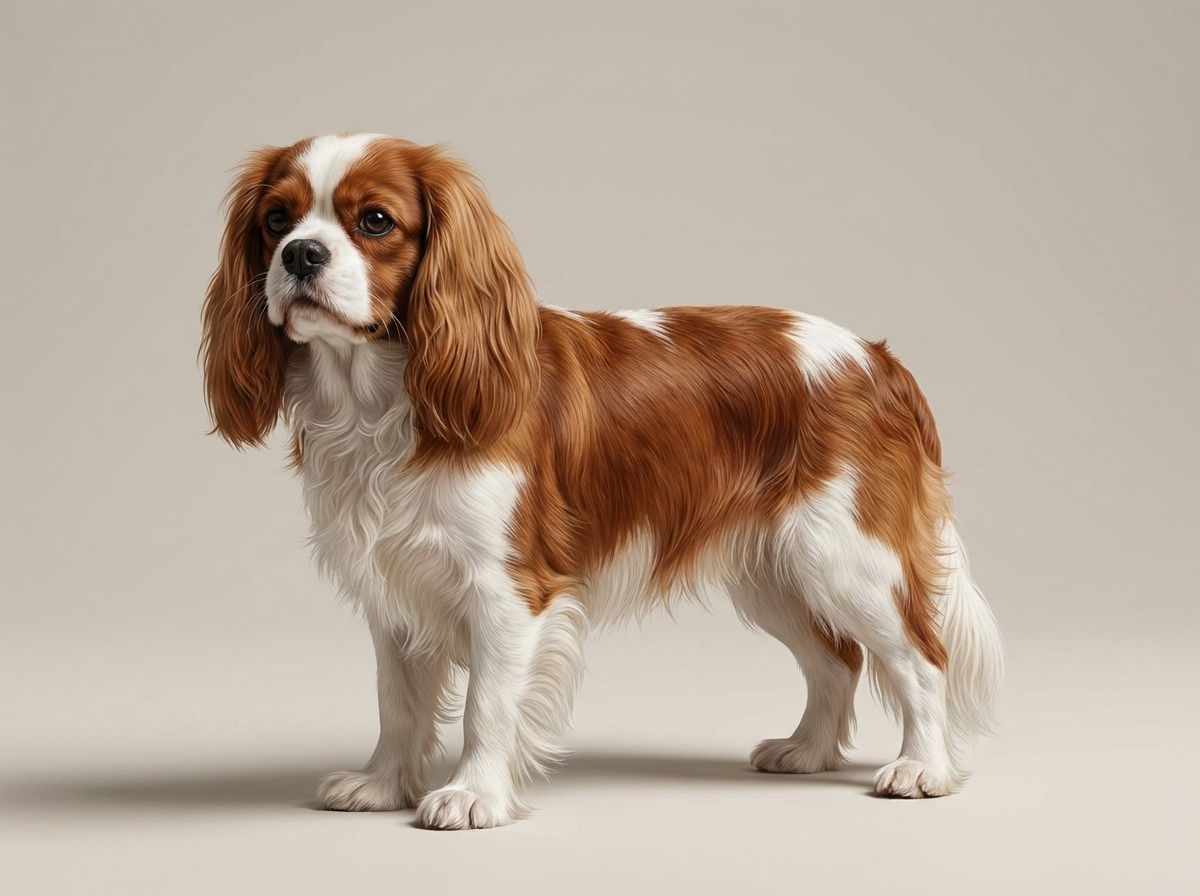
Cavalier King Charles Spaniel obesity is a common issue that arises when these affectionate dogs gain excess weight, putting them at risk for various health problems. Daily, you may notice your Cavalier becoming less active, struggling to play, or having difficulty with simple tasks like climbing stairs. This breed tends to love food, making it essential for owners to monitor their diet closely to prevent overeating.
Obesity affects Cavalier King Charles Spaniels more than many other breeds, with studies showing that many are overweight or obese. Given their love for food and tendency to be less active, this problem is frequent among them, making awareness and proactive measures crucial for their health.
Cavalier King Charles Spaniels are small dogs with a gentle temperament. This breed tends to enjoy a relaxed lifestyle, which can lead to inactivity and weight gain. Their affectionate nature means they often beg for food, making it easy to overfeed them.
Obesity in Cavaliers can be influenced by their living environment. If they don’t get enough exercise due to a busy schedule or lack of outdoor space, they may gain weight. Additionally, a high-calorie diet without proper portion control can exacerbate the problem.
Talk to your vet if your Cavalier is not losing weight or if you notice any health issues related to obesity, like difficulty breathing or joint problems. Your vet can provide dietary recommendations and check for underlying health conditions.
Many dog owners unknowingly reinforce obesity in their Cavalier King Charles Spaniels. Avoiding these common mistakes can help your pup maintain a healthy weight.
Start here: Cavalier King Charles Spaniel Genetic Disorders: Screening
See all Cavalier King Charles Spaniel health problems, which breeds are prone to obesity, or the full Cavalier King Charles Spaniel breed guide for temperament, exercise needs and ownership costs.
Expect to see progress within 4 to 8 weeks of implementing a new diet and exercise plan.
Success means your Cavalier King Charles Spaniel will lose weight gradually, regain energy, and improve overall health. You'll notice increased playfulness and easier movement.
Emma, a busy nurse in San Diego, noticed her Cavalier, Lily, gaining weight. Despite their daily walks, Lily seemed less active and struggled with simple tasks like climbing stairs. After consulting her vet, Emma learned about proper portion sizes and the importance of regular exercise. With a structured feeding schedule and fun play sessions, Lily started to shed pounds. Over three months, she lost 4 pounds and became much more energetic, even chasing after her favorite ball again.
Key takeaway: A consistent routine of balanced meals and daily exercise can significantly improve your Cavalier's health and happiness.
Cavalier King Charles Spaniel obesity can be caused by overfeeding, lack of exercise, or health issues. Their affectionate nature makes them prone to begging for treats. It's important to monitor their diet and activity levels closely.
To prevent weight gain, limit treats and ensure a balanced diet. Regular exercise, like daily walks or playtime, is essential to maintaining a healthy weight. Consult your vet for specific feeding guidelines based on their age and activity level.
A diet rich in fiber and low in fat can help manage obesity in Cavalier King Charles Spaniels. Look for high-quality dog food formulated for weight control. Always transition to a new diet slowly to avoid digestive issues.
Daily walks, interactive play, and mental stimulation exercises are great for Cavaliers. Aim for at least 30 minutes of activity each day. Adjust the intensity based on their age and health conditions.
To help your Cavalier lose weight, focus on a balanced diet and regular exercise. Reducing portion sizes and incorporating more playtime can make a significant difference in their overall health.
If your Cavalier King Charles Spaniel shows signs of obesity or you're unsure about their weight, it's best to consult a vet. They can provide personalized dietary recommendations and rule out underlying health issues.
Yes, Cavalier King Charles Spaniels may require a specialized diet to address obesity. A vet can recommend low-calorie food options that meet their nutritional needs while helping them shed pounds.
Exercise is crucial in managing Cavalier obesity. Regular walks, play sessions, and interactive games can help burn calories and improve their overall fitness, contributing to a healthier weight.
Monitor food portions, limit high-calorie treats, and encourage daily exercise. Regular vet check-ups can help track their weight and health.
Aim for at least 30 minutes of exercise daily, including walks and playtime. This helps keep them healthy and prevents obesity.
Consider a weight management dog food with lower fat content and higher fiber. Always consult your vet for personalized recommendations.
Yes, but limit them to healthy options and ensure they fit within their daily calorie allowance. Use treats sparingly to avoid weight gain.
Obesity increases the risk of health issues like heart disease and joint problems. Keeping your dog at a healthy weight is crucial for their overall well-being.
A one-page prep sheet for this condition: the signs, the questions to ask, what to get priced. Unlocks here.
You get: Vet visit prep sheet
No spam. One-click unsubscribe. See our privacy policy.
Preview page 1 before you decide.