Behavior
What are quick tips for Cavalier King Charles Spaniel hip dysplasia?
Monitor their weight and keep them active with low-impact exercises. Regular vet visits are essential for early detection and management.

Quick answer
What are quick tips for Cavalier King Charles Spaniel hip dysplasia?
Monitor their weight and keep them active with low-impact exercises. Regular vet visits are essential for early detection and management.
Cavalier King Charles Spaniel hip dysplasia is a serious condition that affects their mobility and overall health.
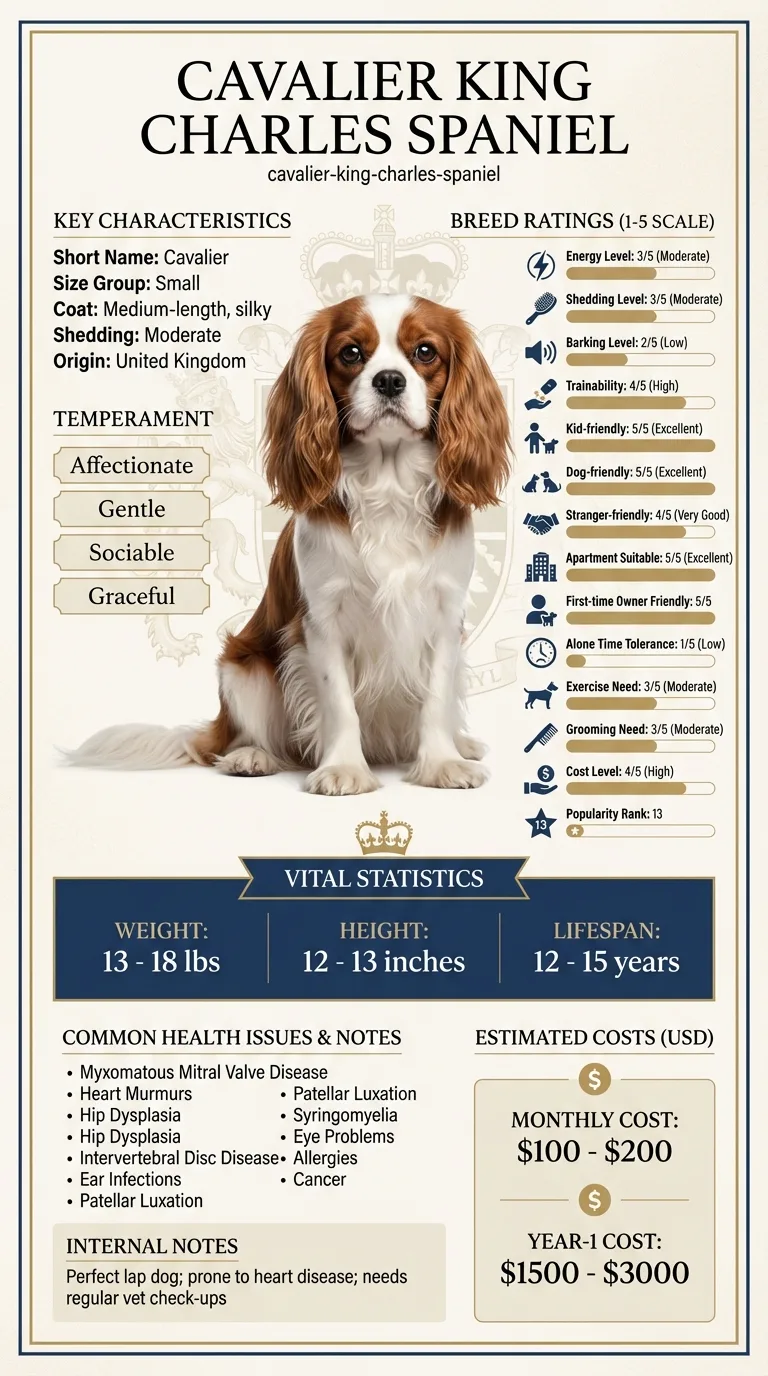
Owners of Cavalier King Charles Spaniels, especially those with older dogs or those showing signs of discomfort, often face this struggle. First-time owners may be particularly unprepared for the implications of hip dysplasia and how it can affect their beloved pets.
This guide is not medical advice. If your dog shows pain, sudden behavior change, or worsening symptoms, consult a licensed veterinarian.
Some links may be affiliate links. We may earn a commission at no extra cost to you. We only suggest products we believe are helpful for dog owners.
We research and check what we publish, but we do not warrant that any figure, date, price, or statement is accurate, complete, or current, and we accept no liability for any loss, cost, injury, or other harm arising from the use of this site. Use it as one reference among several. You remain responsible for your own decisions and for your dog's care - confirm anything that matters with a licensed veterinarian or another qualified professional before you act on it. Full disclaimer.
Check this first
Understanding when Cavalier King Charles Spaniel hip dysplasia is an emergency can save your dog's health. Red flags indicate immediate veterinary attention is necessary, while mild cases can often be monitored. Knowing the difference can help you act appropriately in critical situations.
If any of these apply, call your vet or an emergency clinic now. The rest of this page is for the cases that are not an emergency.
Cavalier King Charles Spaniel hip dysplasia is a common health issue, where the hip joints develop improperly. This malformation can lead to arthritis and other mobility problems, impacting a dog's quality of life. Daily signs may include limping, difficulty standing up, or reluctance to jump or play.
Hip dysplasia affects around 20-30% of Cavalier King Charles Spaniels, making it a significant concern for potential owners. Regular vet check-ups can help manage and mitigate this issue.
Cavalier King Charles Spaniels are prone to hip dysplasia due to their genetic makeup. This condition often stems from their small size and specific skeletal structure, which can lead to poorly formed hip joints. These genetic factors increase the likelihood of developing arthritis and mobility issues as they age.
Environmental factors also play a role in hip dysplasia. Overweight Cavaliers are more susceptible to joint problems, as excess weight puts additional stress on their hips. Additionally, a lack of proper exercise and inappropriate physical activities during their growth can exacerbate the condition.
If you notice persistent limping, difficulty in rising, or reluctance to play, it’s time to visit your vet. They can assess the condition and discuss potential treatments, including medications or physical therapy.
Avoid these common mistakes to help your Cavalier King Charles Spaniel with hip dysplasia.
Start here: Cavalier King Charles Spaniel Genetic Disorders: Screening
See all Cavalier King Charles Spaniel health problems, which breeds are prone to hip dysplasia, or the full Cavalier King Charles Spaniel breed guide for temperament, exercise needs and ownership costs.
Expect to see improvements in your Cavalier King Charles Spaniel's condition within 6 to 12 weeks of starting a proper care routine.
Success means your dog shows reduced pain, improved mobility, and can enjoy daily activities with more ease.
When Sarah adopted Maggie, her Cavalier King Charles Spaniel, she noticed Maggie was hesitant to jump on the couch or play fetch. After a vet visit, Sarah learned that Maggie had hip dysplasia. Determined to help her furry friend, Sarah started a regular regimen of low-impact exercises, weight management, and joint supplements. Over the next few months, Maggie's energy and mobility improved, allowing her to join Sarah on walks and even play with other dogs in the park. Sarah found that consistent care and a bit of patience made all the difference.
Key takeaway: With the right approach, Cavalier King Charles Spaniels with hip dysplasia can lead happy, active lives.
Cavalier King Charles Spaniels can develop hip dysplasia due to genetics, improper diet, or lack of exercise. This condition involves malformed hip joints, leading to arthritis and mobility issues as they age. Regular vet check-ups can help catch it early.
To support your Cavalier with hip dysplasia, focus on maintaining a healthy weight and providing low-impact exercises like swimming or short walks. Physical therapy or joint supplements can also be beneficial. Always consult your vet for a tailored plan.
Yes, hip dysplasia can be managed through weight control, exercise modifications, and medications for pain relief. In severe cases, surgery might be recommended. Early intervention is key to improving their quality of life.
Hip dysplasia is relatively common in Cavalier King Charles Spaniels compared to some other breeds. Their genetic predisposition makes regular screenings with your veterinarian crucial, especially as they grow older.
For older Cavaliers with hip dysplasia, consider low-impact exercises like short walks and swimming to maintain mobility. Joint supplements and a comfortable bed can also help reduce pain and improve their quality of life.
If you notice any signs of discomfort, limping, or changes in behavior, it's time to see the vet. Early diagnosis can lead to better management of Cavalier King Charles Spaniel hip dysplasia.
While training can improve your dog's behavior and comfort, it won't fix hip dysplasia itself. However, a vet-recommended training program can help your Cavalier manage their condition and maintain an active lifestyle.
Yes, hip dysplasia can be hereditary, especially in breeds like the Cavalier King Charles Spaniel. Responsible breeding practices can help reduce the risk, so always ask breeders about health screenings.
Monitor their weight and keep them active with low-impact exercises. Regular vet visits are essential for early detection and management.
A balanced diet can help maintain a healthy weight, reducing stress on hip joints. Consult your vet for dietary recommendations.
Consult your vet for a precise diagnosis and treatment plan. Early steps may include weight management and low-impact activities.
Yes, consider joint supplements, orthopedic beds, and ramps to help them navigate stairs. These can enhance their comfort and mobility.
A one-page prep sheet for this condition: the signs, the questions to ask, what to get priced. Unlocks here.
You get: Vet visit prep sheet
No spam. One-click unsubscribe. See our privacy policy.
Preview page 1 before you decide.