DogBreedCompass
← Back to breed profile

Cavalier King Charles Spaniel Wobbler Syndrome: What You Need to Know

Cavalier King Charles Spaniel wobbler syndrome is a serious condition that affects mobility and quality of life.

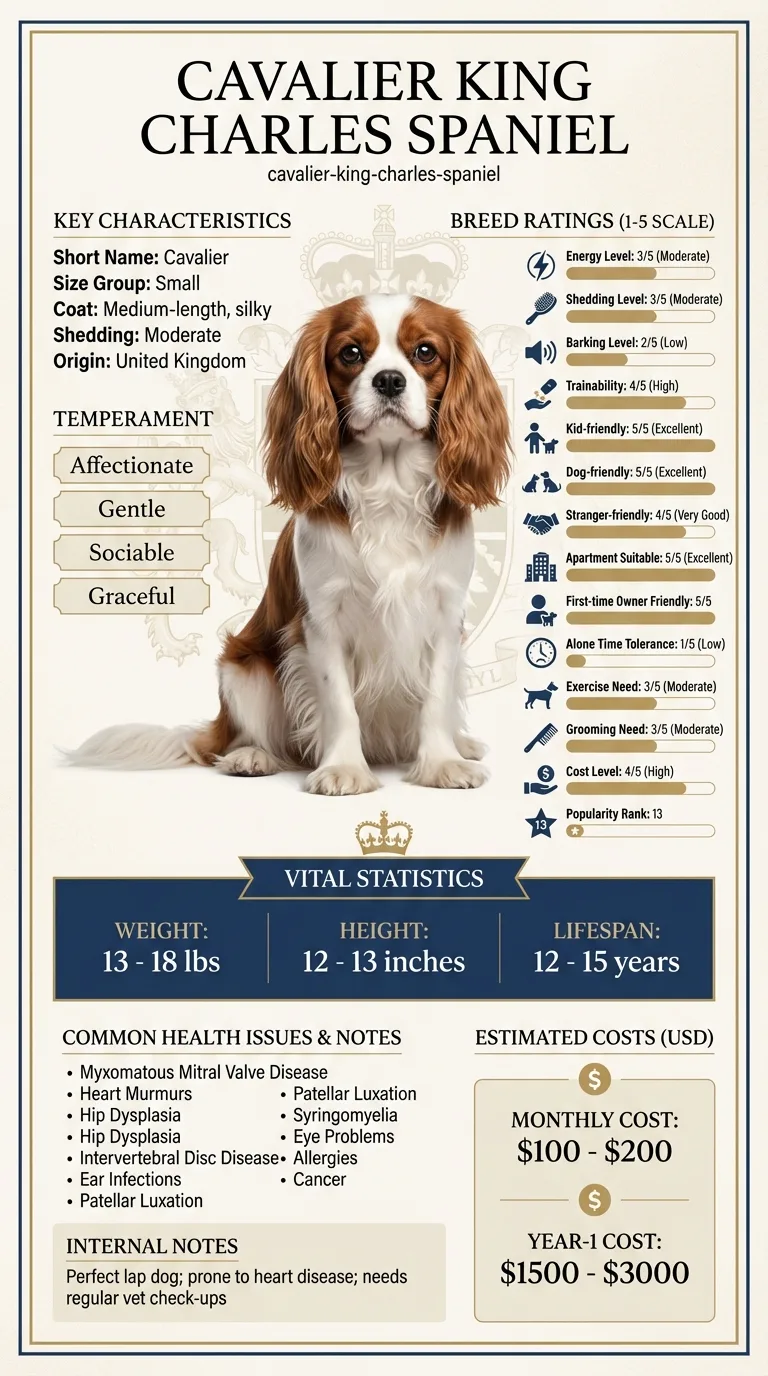
Cavalier King Charles Spaniel Wobbler Syndrome: What You Need to Know infographic

Typical owners facing this issue include those with active Cavaliers who may notice their dog stumbling or having difficulty standing. Owners who want to ensure the health and happiness of their beloved pets may feel overwhelmed as they navigate treatment options.

Important reminder

This guide is not medical advice. If your dog shows pain, sudden behavior change, or worsening symptoms, consult a licensed veterinarian.

Some links may be affiliate links. We may earn a commission at no extra cost to you. We only suggest products we believe are helpful for dog owners.

What this problem looks like

Cavalier King Charles Spaniel wobbler syndrome is a serious issue that affects the neck and spine, causing instability and wobbling. This can lead to difficulty walking, pain, and sometimes paralysis. Daily life for a dog with this condition can be challenging, as they may struggle with basic movements and exhibit signs of discomfort.

Common triggers

  • Genetic predisposition
  • Age-related degeneration
  • Injury or trauma
  • Obesity, which can exacerbate symptoms

Wobbler syndrome is relatively common in Cavalier King Charles Spaniels, particularly as they age. Many owners report noticing symptoms in their dogs between the ages of 4 and 8. It's essential to monitor your Cavalier for any signs of wobbling or discomfort to address potential issues early.

Why this happens

Breed factors

Cavalier King Charles Spaniels are prone to Wobbler Syndrome due to their genetic makeup. This breed often has a predisposition to spinal issues, including cervical vertebral instability, which can lead to wobbling and coordination problems. Their small size and unique structure make them more vulnerable to these conditions.

Environment factors

Environmental factors also play a role in Wobbler Syndrome. If a Cavalier is not given proper exercise or if they engage in excessive jumping or rough play, it can exacerbate spinal issues. Additionally, a lack of proper nutrition can affect overall health and may contribute to the development of this syndrome.

What you can try

At-home strategies

  • Limit high-impact activities for your Cavalier, such as jumping off furniture or chasing after balls. Focus on gentle, low-impact exercises to maintain their strength.
  • Create a comfortable, supportive environment with soft bedding and ramps to help your dog get in and out of vehicles or onto furniture without straining their back.
  • Maintain a healthy weight to reduce stress on their spine. Consult your vet about the best diet and portion sizes for your Cavalier.

When to consider a trainer

If your Cavalier continues to show signs of wobbling or difficulty in movement, consider hiring a professional trainer who specializes in mobility issues. They can provide tailored exercises and training methods to help improve your dog's condition.

When to talk to your vet

If you notice persistent wobbling, weakness in the legs, or other concerning symptoms, it’s important to consult your vet. They can assess your dog’s condition and recommend appropriate treatments or interventions to manage Wobbler Syndrome.

Realistic expectations

Most owners see noticeable improvements in their Cavalier King Charles Spaniel's wobbler syndrome symptoms within 4 to 6 weeks of consistent training and care.

Success means your dog can walk more steadily, enjoy regular activities without falling, and show less anxiety during movements.

Mistakes that make this worse

Avoiding common mistakes can help manage Cavalier King Charles Spaniel wobbler syndrome more effectively. Here are some behaviors to watch out for.

  • Ignoring early signs of discomfort: Many owners overlook subtle signs of pain or wobbliness. Early intervention can prevent more serious issues, so keep an eye on your Cavalier's movements and consult a vet if you notice anything unusual.
  • Overexerting during exercise: Cavalier King Charles Spaniels need exercise, but too much can exacerbate wobbler syndrome. Stick to moderate walks and play sessions to avoid putting extra strain on their neck and spine.
  • Neglecting proper nutrition: A poor diet can lead to obesity, which puts additional pressure on your dog's joints. Ensure you're feeding a balanced diet that supports their overall health and weight management.
  • Forgetting about supportive gear: Many owners don't realize the benefits of harnesses or supportive collars. Using a well-fitted harness can help reduce strain on your Cavalier's neck when walking.
  • Skipping regular vet visits: Regular check-ups are essential for monitoring health issues, especially for breeds prone to conditions like wobbler syndrome. Schedule consistent visits to catch problems early.
  • Using harsh training methods: Stress from negative training can worsen anxiety and wobbliness. Focus on positive reinforcement techniques to build a trusting relationship with your dog.
  • Delaying necessary treatments: Some owners hesitate to pursue veterinary treatments or therapies, thinking it will improve on its own. Don’t wait too long; timely interventions can significantly improve your dog's quality of life.

When Cavalier King Charles Spaniel Wobbler Syndrome is an Emergency

If your Cavalier shows severe symptoms like sudden weakness, inability to stand, or severe neck pain, call your vet immediately. Other red flags include rapid breathing, lethargy, or any signs of distress. These could indicate a serious progression of wobbler syndrome that needs urgent care.

On the other hand, if your dog is wobbling but still able to walk and play, you may not need to rush to the vet. Mild cases can often be managed with a watchful eye. Monitor their behavior, and try to keep their environment safe and quiet.

In summary, if your Cavalier exhibits any alarming signs, don’t hesitate to seek help. But if they are stable and just a bit wobbly, a gentle monitoring plan can be sufficient.

Cavalier King Charles Spaniel Wobbler Syndrome: What You Need to Know - When Cavalier King Charles Spaniel Wobbler Syndrome is an Emergency

Maggie's Journey with Wobbler Syndrome

Sarah, a busy nurse in Boston, noticed her Cavalier, Maggie, struggling to walk steadily. After consulting a vet, she learned about wobbler syndrome. Initially overwhelmed, Sarah committed to a short daily routine of gentle exercises and adjustments to Maggie's diet. Within weeks, Maggie was showing improved balance and confidence. Sarah also found a supportive online community, which helped her stay motivated.

Key takeaway: With patience and the right training, you can significantly improve your Cavalier's quality of life, even with wobbler syndrome.

Frequently asked questions

What causes Cavalier King Charles Spaniel wobbler syndrome?

Cavalier King Charles Spaniel wobbler syndrome is often caused by cervical vertebral instability. This condition leads to pressure on the spinal cord, resulting in wobbling and coordination issues. It's important to consult a vet for a proper diagnosis and treatment options.

How can I stop my Cavalier King Charles Spaniel from having wobbler syndrome?

Stopping wobbler syndrome entirely may not be possible, but you can manage symptoms. Regular vet visits, maintaining a healthy weight, and low-impact exercise can help. Medication and, in some cases, surgery might be necessary, so always seek professional advice.

What are the symptoms of wobbler syndrome in Cavalier King Charles Spaniels?

Symptoms include a wobbly gait, difficulty walking, and potential neck pain. You may also notice your dog struggling to stand or appearing hesitant to jump. If you observe these symptoms, it's crucial to seek veterinary care.

Can Cavalier King Charles Spaniel wobbler syndrome be treated?

Yes, treatment options are available for wobbler syndrome. Options can range from medication to manage pain and inflammation to surgical procedures for severe cases. Discuss these options with your veterinarian to find the best approach for your dog.

Why does my Cavalier King Charles Spaniel have wobbler syndrome?

Wobbler syndrome in Cavalier King Charles Spaniels can be attributed to genetic predispositions and the breed's physical structure. Their small size and specific bone structure may increase susceptibility to spinal issues. Regular check-ups can help monitor their health.

What are the early signs of wobbler syndrome in Cavalier King Charles Spaniels?

Early signs of Cavalier King Charles Spaniel wobbler syndrome may include unsteady gait, difficulty walking, or an unusual head position. If you notice these symptoms, consult your vet as soon as possible for an assessment.

Can Cavalier King Charles Spaniels outgrow wobbler syndrome?

Unfortunately, Cavalier King Charles Spaniels usually do not outgrow wobbler syndrome. This condition often requires ongoing management, including veterinary care and possibly surgery, so it's essential to address it as soon as symptoms appear.

How can I help my Cavalier King Charles Spaniel with wobbler syndrome at home?

To help your Cavalier King Charles Spaniel, consider creating a safe and comfortable environment. Limit high-impact activities, provide supportive bedding, and follow your vet's recommendations for exercise and treatment plans.

What is the long-term prognosis for Cavalier King Charles Spaniels with wobbler syndrome?

The long-term prognosis for Cavalier King Charles Spaniels with wobbler syndrome varies based on the severity of the condition and treatment options. Early intervention often leads to better outcomes, so regular check-ups with your vet are crucial.

Is wobbler syndrome more common in older Cavalier King Charles Spaniels?

Yes, wobbler syndrome is more commonly observed in older Cavalier King Charles Spaniels. However, younger dogs can also be affected, so it's important to monitor for symptoms throughout their lives and consult your vet for guidance.

Quick answers

View more answers
Behavior

What are quick tips for managing Cavalier King Charles Spaniel wobbler syndrome?

Keep your dog at a healthy weight, provide low-impact exercise, and consult your vet for regular check-ups. Early detection and management can significantly improve quality of life.

Costs

What is the cost of treating Cavalier King Charles Spaniel wobbler syndrome?

Treatment costs for wobbler syndrome can range from $500 to $7,000 depending on the severity and type of care required. Discuss potential costs with your veterinarian for a clearer estimate.

Training

How can training help with Cavalier King Charles Spaniel wobbler syndrome?

Training can improve your dog's coordination and confidence. Focus on gentle exercises and avoid strenuous activities that could exacerbate their condition.

Related DogBreedCompass guides

Related guides