DogBreedCompass
← Back to breed profile

Cavalier King Charles Spaniel Epilepsy: What You Need to Know

Cavalier King Charles Spaniel epilepsy can be alarming for dog owners. It's essential to understand this condition and how to manage it.

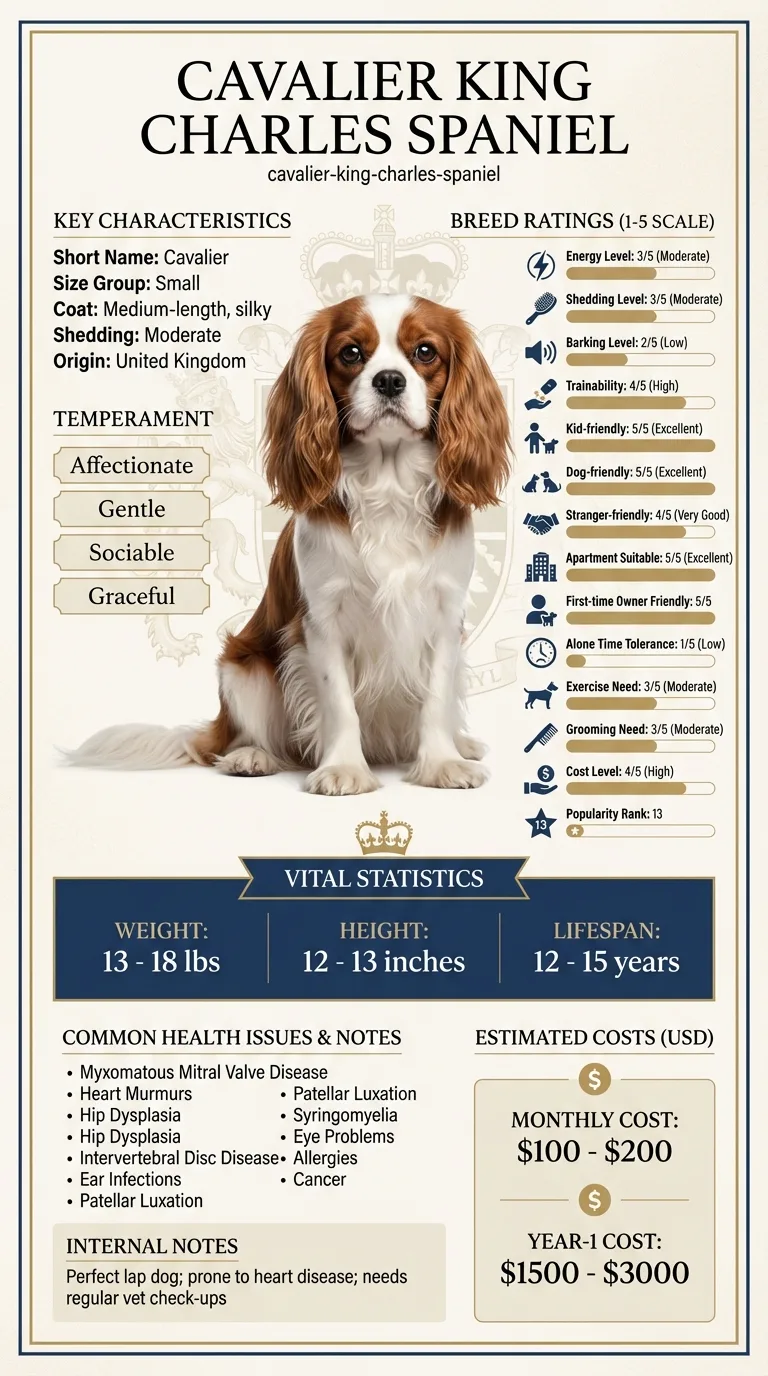
Cavalier King Charles Spaniel Epilepsy: What You Need to Know infographic

Owners of Cavaliers, especially first-time dog parents, often face challenges in recognizing and managing epilepsy. Those who live in apartments may also worry about the dog's safety during seizures.

Important reminder

This guide is not medical advice. If your dog shows pain, sudden behavior change, or worsening symptoms, consult a licensed veterinarian.

Some links may be affiliate links. We may earn a commission at no extra cost to you. We only suggest products we believe are helpful for dog owners.

What this problem looks like

Cavalier King Charles Spaniel epilepsy is a serious concern for many owners. This condition manifests as seizures that can range from mild to severe. Daily life can be interrupted by these sudden episodes, leading to stress for both the dog and the owner.

Common triggers

  • Stressful situations, such as loud noises or changes in routine
  • Lack of sleep or irregular sleep patterns
  • Certain medications or dietary changes

Epilepsy is relatively common in Cavalier King Charles Spaniels, affecting about 1 in 200 dogs. Owners should be aware that while not all Cavaliers will experience seizures, those that do may have a genetic predisposition.

Why this happens

Breed factors

Cavalier King Charles Spaniels are genetically predisposed to certain health issues, including epilepsy. Their lineage can contribute to neurological conditions, making them more susceptible to seizures. It's essential to understand that this breed's charming and affectionate nature may come with some health risks.

Environment factors

Environmental factors can also trigger seizures in Cavaliers. Stress, changes in routine, or exposure to toxins may lead to heightened anxiety or neurological responses. A stable, calm environment is crucial for managing their overall health.

What you can try

At-home strategies

  • Establish a consistent routine for feeding and exercise. This helps reduce stress and anxiety, which can trigger seizures.
  • Keep a seizure diary to track the frequency and duration of seizures. Note any possible triggers, such as dietary changes or environmental stressors.
  • Create a safe space for your Cavalier during a seizure. Clear the area of sharp objects, and gently cushion their head to prevent injury.

When to consider a trainer

If your Cavalier shows signs of severe anxiety or aggression, consider consulting a professional dog trainer. They can provide specialized techniques to help manage their behavior and minimize seizure triggers.

When to talk to your vet

If your Cavalier experiences seizures, it's essential to consult your veterinarian. They may recommend diagnostic tests to determine the underlying cause and discuss medication options to help manage the condition.

Realistic expectations

Managing Cavalier King Charles Spaniel epilepsy typically takes a few months to find the right treatment plan. Regular vet check-ups are essential during this time.

Success means fewer seizures, improved quality of life, and your dog feeling more comfortable and happy. You’ll notice a positive change in their behavior and energy levels.

Mistakes that make this worse

Avoiding these common mistakes can help improve your Cavalier King Charles Spaniel's situation with epilepsy. Here are some behaviors to watch out for.

  • Ignoring seizure triggers: Not tracking what causes your dog's seizures can prevent you from finding effective management strategies. Keep a journal of your dog's activities, diet, and environment to identify patterns.
  • Failing to follow vet advice: Skipping medications or altering doses without consultation can worsen your dog's condition. Always stick to your vet's recommendations and discuss any concerns before making changes.
  • Overreacting during seizures: Panicking or moving your dog can cause confusion and stress. Stay calm, remove hazards, and time the seizure for your vet's records.
  • Neglecting training: Not reinforcing basic commands can lead to anxiety, making seizures more likely. Implementing consistent training can provide structure and comfort for your Cavalier.
  • Withholding affection: Avoiding physical contact during recovery may seem helpful, but it can make your dog feel isolated. Offering gentle reassurance can help them feel safe and loved.
  • Avoiding regular vet visits: Skipping check-ups can lead to undetected changes in your dog's health. Regular visits are crucial for adjusting treatment plans as needed.
  • Not creating a safe environment: Leaving your dog in unsafe areas can increase the risk of injury during seizures. Ensure your home is free of obstacles and hazards.

When Cavalier King Charles Spaniel Epilepsy is an Emergency

It’s important to maintain a calm environment and avoid moving your dog during a seizure, as this can cause injury. If you’re unsure whether to seek help, it’s always better to err on the side of caution and consult your vet. They can guide you on how to manage your Cavalier King Charles Spaniel’s epilepsy effectively.

Cavalier King Charles Spaniel Epilepsy: What You Need to Know - When Cavalier King Charles Spaniel Epilepsy is an Emergency

Mary and Bella's Journey with Epilepsy

Mary, a busy nurse in Chicago, noticed her Cavalier King Charles Spaniel, Bella, having occasional seizures. At first, Mary felt overwhelmed and worried. After consulting with a vet, they started a treatment plan that included medication and lifestyle adjustments. Mary also joined a support group for Cavalier owners. Over a few months, they found the right medication, and Bella's seizures became less frequent. Mary learned to recognize the triggers and how to create a calm environment for Bella.

Key takeaway: With patience, support, and the right treatment, managing Cavalier King Charles Spaniel epilepsy is possible, leading to a happier, healthier dog.

Frequently asked questions

Why does my Cavalier King Charles Spaniel have epilepsy?

Cavalier King Charles Spaniels may have epilepsy due to genetic predisposition or underlying health issues. Seizures can also be triggered by stress, environmental factors, or other medical conditions. Regular vet check-ups are essential to identify the cause and manage the condition.

How can I recognize epilepsy in my Cavalier King Charles Spaniel?

Signs of epilepsy include sudden, uncontrolled shaking, loss of consciousness, or unusual behavior before and after a seizure. You may also notice drooling or confusion. If you observe these symptoms, consult your vet for a proper diagnosis.

What steps should I take if my Cavalier is having a seizure?

During a seizure, keep your Cavalier safe by moving any nearby objects that could cause injury. Time the seizure and avoid putting anything in their mouth. After the seizure, comfort them and monitor their recovery, then contact your vet for further advice.

How to stop Cavalier King Charles Spaniel epilepsy?

Managing Cavalier King Charles Spaniel epilepsy often involves medication prescribed by your vet. Consistent monitoring and a stable environment can help reduce seizure frequency. Discuss any necessary lifestyle changes or training strategies with your vet.

Can training help with my Cavalier's epilepsy?

While training won't cure epilepsy, it can help create a more stable environment for your Cavalier. Positive reinforcement techniques may reduce stress and anxiety, which can be triggers for seizures. Consult a trainer familiar with special needs dogs.

What triggers seizures in Cavalier King Charles Spaniels?

Cavalier King Charles Spaniels can experience seizures due to various factors, including genetics, stress, and certain health issues. Environmental changes or exposure to toxins may also contribute. It's essential to monitor your dog's behavior and consult a vet if you notice any unusual signs.

How can I help my Cavalier King Charles Spaniel during a seizure?

If your Cavalier experiences a seizure, remain calm and ensure a safe environment by removing any nearby hazards. Gently place your dog on their side to help keep their airway clear. Avoid putting your hands near their mouth, and time the seizure; if it lasts more than five minutes, contact a vet immediately.

What is the prognosis for Cavalier King Charles Spaniels with epilepsy?

The prognosis for Cavalier King Charles Spaniels with epilepsy varies depending on the underlying cause and treatment. Many dogs can lead normal lives with proper medication and care. Regular veterinary check-ups are crucial to managing their condition effectively.

Can Cavalier King Charles Spaniels outgrow epilepsy?

While some dogs may experience a reduction in seizure frequency as they age, it's not common for Cavalier King Charles Spaniels to outgrow epilepsy. Ongoing management and treatment are often necessary throughout their lives. Always consult with your vet to tailor a plan that suits your dog's needs.

Are there breeds that are more prone to epilepsy than Cavalier King Charles Spaniels?

Yes, certain breeds are known to be more prone to epilepsy, such as Beagles, German Shepherds, and Boxers. However, Cavalier King Charles Spaniels can still develop this condition. It's important to be aware of the health issues common in your breed and maintain regular vet visits.

Quick answers

View more answers
Behavior

What are quick tips for managing Cavalier King Charles Spaniel epilepsy?

Keep a seizure log to track frequency and triggers, consult your vet for appropriate medications, and maintain a calm environment. Regular exercise and a consistent routine can also help.

Costs

How much does it cost to treat Cavalier King Charles Spaniel epilepsy?

Treatment costs can vary widely but expect to spend $100 to $300 monthly on medications and vet visits. Initial diagnostics may cost an additional $200 to $1,000.

Health

Can diet affect my Cavalier's epilepsy?

Some owners find that a high-quality diet can help manage epilepsy symptoms. Consult your vet about dietary changes or supplements that may support your Cavalier's health.

Health

Is my Cavalier at risk for other health issues?

Yes, Cavalier King Charles Spaniels are prone to various health issues, including heart disease and hip dysplasia. Regular vet visits can help catch problems early.

Related DogBreedCompass guides

  • Cavalier King Charles Spaniel behavior problemsLearn about the common health issues faced by Cavaliers, including epilepsy, to better prepare for your pet's needs.
  • Cavalier King Charles Spaniel separation anxiety guideUnderstanding separation anxiety in Cavaliers can help you manage their overall well-being, especially if they experience epilepsy.
  • how to stop Cavalier King Charles Spaniel epilepsyGet insights on how to manage Cavalier King Charles Spaniel epilepsy, including training and lifestyle adjustments.
  • Cavalier King Charles Spaniel cost breakdownExplore the costs associated with owning a Cavalier, including potential medical expenses related to epilepsy.
  • Cavalier King Charles Spaniel epilepsy trainingFind out about the best training methods to support a Cavalier with epilepsy, ensuring a happy and healthy life.

Related guides