DogBreedCompass
← Back to breed profile

Cavalier King Charles Spaniel Genetic Load: What You Need to Know

The Cavalier King Charles Spaniel genetic load refers to the harmful genetic variants that can affect their health. Understanding this issue is crucial for any owner who wants to keep their furry friend happy and healthy.

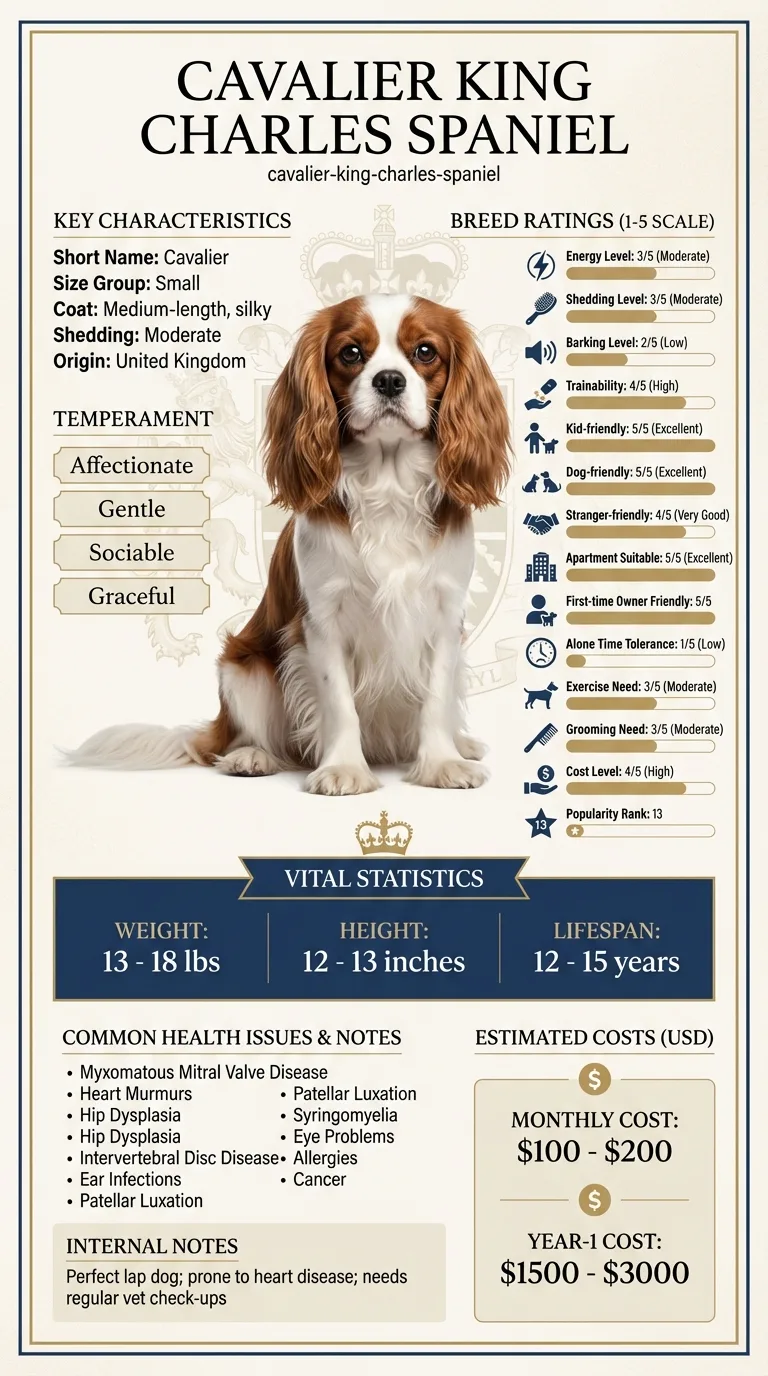
Cavalier King Charles Spaniel Genetic Load: What You Need to Know infographic

Typically, new and experienced Cavalier owners alike face challenges related to genetic load. Those who want a playful companion may find themselves dealing with unexpected health problems that require ongoing care and attention.

Important reminder

This guide is not medical advice. If your dog shows pain, sudden behavior change, or worsening symptoms, consult a licensed veterinarian.

Some links may be affiliate links. We may earn a commission at no extra cost to you. We only suggest products we believe are helpful for dog owners.

What this problem looks like

The Cavalier King Charles Spaniel genetic load refers to the presence of harmful genetic variants that can lead to serious health issues. Day-to-day, this can manifest as frequent vet visits due to conditions such as heart disease, eye problems, or other inherited disorders. Owners may notice their Cavaliers being less energetic or more prone to health complications as they age.

Common triggers

  • Inbreeding practices in breeding programs
  • Lack of genetic diversity in the breed
  • Age-related health decline

Unfortunately, the genetic load is quite common in Cavalier King Charles Spaniels. Studies show that this breed has one of the highest concentrations of harmful genetic variants among dogs, making it essential for owners to be proactive about health screenings and veterinary care.

Why this happens

Breed factors

Cavalier King Charles Spaniels are prone to genetic issues due to their breeding history. This breed has a high concentration of harmful genetic variants that can lead to health problems. Their small size and popularity have made them targets for irresponsible breeding practices, which increases the risk of genetic load.

Environment factors

Environmental factors can also contribute to the genetic load in Cavaliers. Stressful living conditions, lack of exercise, and poor nutrition can exacerbate genetic vulnerabilities. Additionally, a lack of proper healthcare can lead to untreated genetic conditions, impacting their overall health.

What you can try

At-home strategies

  • Provide a balanced diet rich in nutrients to support their health. Consult your vet for specific recommendations based on your Cavalier's needs.
  • Engage your Cavalier in regular exercise to help them maintain a healthy weight and reduce stress. Aim for at least 30 minutes of activity each day.
  • Create a calm and stable home environment. Minimize loud noises and chaotic situations that can heighten anxiety in your dog.

When to consider a trainer

If your Cavalier shows signs of anxiety or behavioral issues, consider hiring a professional trainer. A trainer can provide targeted strategies for managing anxiety related to their genetic predispositions. Look for someone experienced in working with small breeds and anxiety problems.

When to talk to your vet

If you notice any concerning symptoms, such as persistent coughing, difficulty breathing, or unusual lethargy, consult your vet immediately. Regular health check-ups are crucial for early detection of genetic conditions. Don’t hesitate to discuss any behavioral changes or concerns about your Cavalier’s health.

Realistic expectations

Addressing the genetic load in a Cavalier King Charles Spaniel typically takes several months. Regular vet check-ups, proper training, and lifestyle adjustments can show noticeable improvements in your dog's health and behavior within 3-6 months.

Success means your Cavalier is healthier and more energetic. You'll notice fewer health issues and an overall improvement in their behavior, leading to a happier life for both you and your pet.

Mistakes that make this worse

Avoiding common pitfalls can help you manage your Cavalier King Charles Spaniel's genetic load more effectively. Here are some mistakes to watch out for.

  • Ignoring early symptoms: Many owners overlook the initial signs of genetic issues. Regular vet check-ups are crucial to catch problems early.
  • Neglecting exercise: Skipping daily walks or playtime can worsen anxiety and health problems. Aim for consistent, moderate exercise to keep your Cavalier physically fit.
  • Over-treating: Giving too many treats, especially unhealthy ones, can lead to obesity, which can exacerbate health issues. Stick to vet-recommended treats and maintain portion control.
  • Avoiding training: Failing to train your Cavalier can lead to behavioral issues that stress both you and your dog. Basic obedience training can significantly improve behavior and strengthen your bond.
  • Not seeking professional help: Many owners try to solve complex health and behavior issues on their own. Consulting a vet or a dog behaviorist can provide valuable insights and solutions.

When Cavalier King Charles Spaniel Genetic Load is an Emergency

Recognizing when genetic issues in your Cavalier King Charles Spaniel become an emergency is crucial. If your dog shows severe symptoms like difficulty breathing, excessive lethargy, or sudden changes in behavior, contact your vet immediately. These signs could indicate serious health issues linked to genetic load that require urgent attention.

On the other hand, mild symptoms such as slight lethargy, occasional coughing, or minor changes in appetite can often be monitored. Keep a close eye on your dog, maintain regular vet check-ups, and consider tracking any behavioral changes. This allows you to create a plan for managing their health without immediate panic.

In summary, always trust your instincts. If you're worried about your Cavalier's health, don't hesitate to reach out to your veterinarian. Early intervention can make a significant difference in your dog's quality of life.

Cavalier King Charles Spaniel Genetic Load: What You Need to Know - When Cavalier King Charles Spaniel Genetic Load is an Emergency

Emily's Journey with Charlie’s Health

Emily, a busy nurse in Chicago, adopted a Cavalier King Charles Spaniel named Charlie. After noticing that Charlie was frequently lethargic and had difficulty breathing, she discovered that his genetic load was causing health issues. With guidance from her vet, Emily adjusted Charlie’s diet, incorporated regular exercise, and started weekly training sessions focused on building his confidence. Over time, Charlie became more active and playful, showing significant improvements in his health and behavior.

Key takeaway: Addressing genetic load requires commitment and proactive care. With the right support and adjustments, you can enhance your Cavalier's quality of life.

Frequently asked questions

Why does my Cavalier King Charles Spaniel have genetic load?

Cavalier King Charles Spaniels are known for their genetic load due to selective breeding practices. These dogs often carry inherited health issues, making them more susceptible to conditions like heart disease and hip dysplasia. Understanding this can help you better manage their health.

How to stop Cavalier King Charles Spaniel genetic load?

While you can't eliminate genetic load, you can take steps to minimize its impact. Regular vet check-ups, a balanced diet, and maintaining a healthy weight can help. Additionally, consider genetic testing to better understand your dog's specific risks.

What training methods are effective for Cavalier King Charles Spaniels with genetic load?

Positive reinforcement training works well for Cavaliers, especially those with genetic issues. Focus on short, engaging sessions using treats or praise to encourage desired behaviors. Patience is key, as they may require more time to learn due to health-related challenges.

What common health issues should I watch for in my Cavalier King Charles Spaniel?

Cavaliers are prone to several health issues, including heart disease, hip dysplasia, and eye problems. Regular vet visits and monitoring for symptoms like coughing or difficulty walking are crucial for early detection and intervention.

How do I improve my Cavalier King Charles Spaniel's quality of life with genetic load?

To enhance your Cavalier's quality of life, provide a low-impact exercise routine and a stress-free environment. Incorporate mental stimulation through toys and games while ensuring they have regular social interactions with other dogs and people.

What are the signs that my Cavalier King Charles Spaniel has a high genetic load?

Common signs include frequent health issues such as heart problems, joint pain, or skin allergies. If your Cavalier seems to tire easily or has unusual behavior, it might be time to consult with your vet.

Can Cavalier King Charles Spaniels with a high genetic load still live a happy life?

Yes, many Cavaliers with a high genetic load can live fulfilling lives with proper care. Regular vet check-ups, a balanced diet, and a good exercise routine can help manage their health challenges.

How can I help my Cavalier King Charles Spaniel if they have genetic load-related issues?

Focus on maintaining a healthy lifestyle for your Cavalier by providing consistent exercise and a nutritious diet. Training can also help, as it keeps their mind engaged and can prevent behavioral problems.

Is there a way to reduce the risk of genetic load in future Cavalier King Charles Spaniel puppies?

Choosing puppies from responsible breeders who perform health tests can lower genetic risks. Ask about the parents' health history and any genetic testing done to ensure healthier offspring.

What should I do if my older Cavalier King Charles Spaniel shows signs of genetic load issues?

If your older Cavalier exhibits signs of health problems, consult your veterinarian immediately. They can recommend treatments and lifestyle adjustments to improve your dog's quality of life.

Quick answers

View more answers
Living

What are quick tips for managing Cavalier King Charles Spaniel genetic load?

Prioritize regular vet check-ups, maintain a balanced diet, and provide gentle exercise. Monitoring their health closely can help catch issues early.

Training

How can I train a Cavalier King Charles Spaniel with health issues?

Use positive reinforcement techniques and keep training sessions short and enjoyable. Be patient and adjust your methods to accommodate their energy levels.

Costs

What is the average cost of caring for a Cavalier King Charles Spaniel?

Expect to spend between $100 and $200 per month on basic care, including food, grooming, and vet visits.

Health

How does genetic load affect Cavalier King Charles Spaniel lifespan?

Genetic load can lead to serious health conditions, potentially shortening a Cavalier's lifespan. Regular vet care is essential to manage these risks.

Related DogBreedCompass guides

Related guides