DogBreedCompass
← Back to breed profile

Understanding Cavalier King Charles Spaniel Hip Dysplasia Prevalence

Cavalier King Charles Spaniel hip dysplasia prevalence is a significant concern for many owners. It can lead to pain and mobility issues for affected dogs.

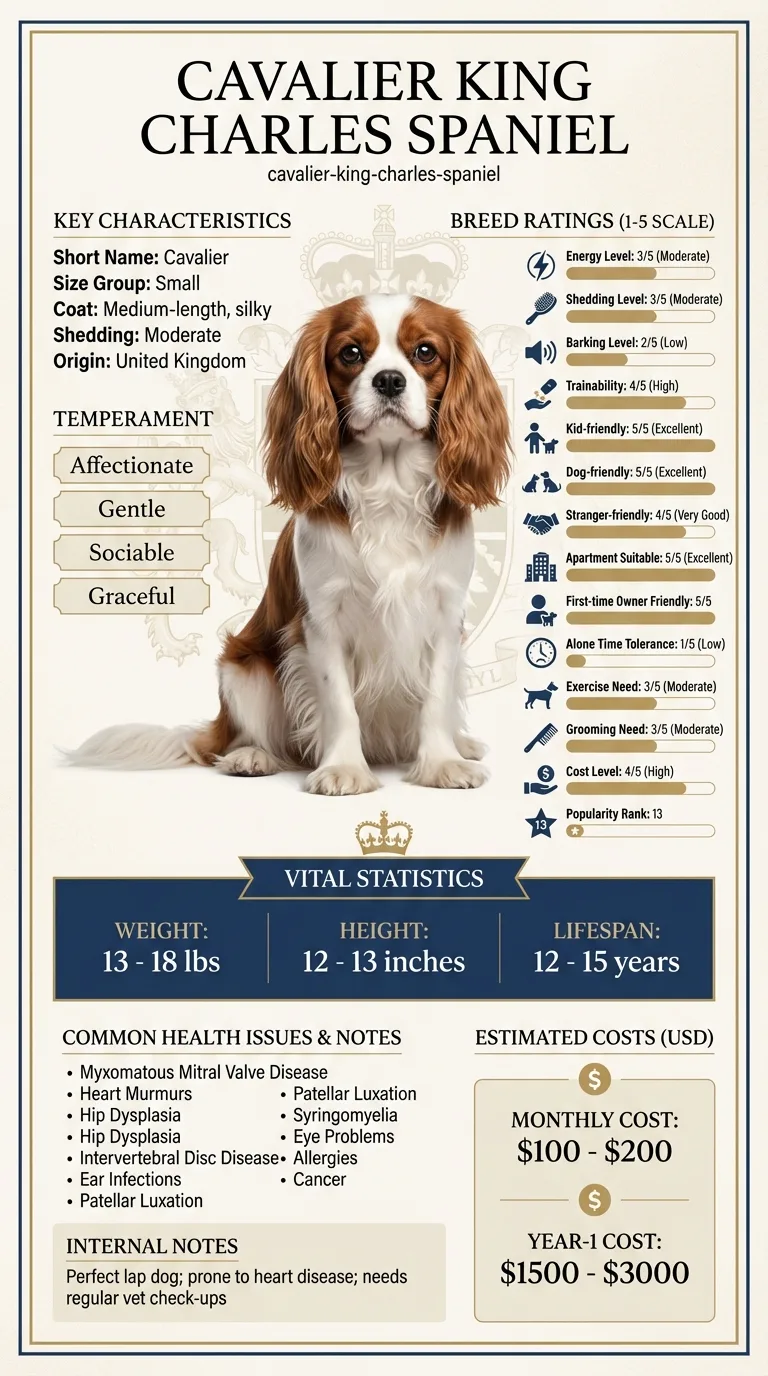
Understanding Cavalier King Charles Spaniel Hip Dysplasia Prevalence infographic

Many Cavalier owners face this issue, especially first-time pet parents or those unaware of the breed's health risks. Busy families and elderly owners may also struggle to manage the effects of this condition.

Important reminder

This guide is not medical advice. If your dog shows pain, sudden behavior change, or worsening symptoms, consult a licensed veterinarian.

Some links may be affiliate links. We may earn a commission at no extra cost to you. We only suggest products we believe are helpful for dog owners.

What this problem looks like

Cavalier King Charles Spaniel hip dysplasia prevalence is a common concern among owners. This condition occurs when the hip joint doesn't fit properly into the hip socket, leading to discomfort and mobility issues. Daily life for a dog with hip dysplasia may involve difficulty in walking or climbing stairs, which can be distressing.

Common triggers

  • Genetic predisposition, as many Cavaliers are prone to this condition.
  • Obesity, which can exacerbate joint stress.
  • Inadequate exercise, leading to muscle weakness around the hips.

Hip dysplasia is relatively common in Cavalier King Charles Spaniels, with studies suggesting that up to 20% of this breed may experience it to some degree. Regular vet check-ups and early intervention can help manage the condition.

Why this happens

Breed factors

Cavalier King Charles Spaniels are genetically predisposed to hip dysplasia. This breed's structure can lead to joint malformation, which increases the likelihood of developing this condition.

Environment factors

Environmental factors also play a significant role. Poor nutrition, lack of exercise, and excessive weight can all contribute to the severity of hip dysplasia. Additionally, improper training techniques or rough play can exacerbate joint issues.

What you can try

At-home strategies

  • Maintain a healthy diet for your Cavalier. Choose high-quality dog food that supports joint health.
  • Encourage moderate exercise to strengthen muscles without putting stress on the hips. Short, regular walks are ideal.
  • Implement gentle training methods. Avoid jumping or rough play that could strain their joints.

When to consider a trainer

If your Cavalier is experiencing significant mobility issues or if training at home isn't yielding improvements, it may be time to consult a professional trainer. They can help create a tailored exercise plan that suits your dog's needs.

When to talk to your vet

Consult your veterinarian if you notice signs of hip dysplasia, such as limping or difficulty getting up. Regular check-ups can also help catch potential issues early, allowing for better management of your dog's health.

Realistic expectations

With consistent training and vet care, you may see improvement in your Cavalier's mobility and comfort within 3 to 6 months. However, managing hip dysplasia is often a long-term commitment.

Success means your Cavalier can move with less pain and engage in more activities, such as walking or playing. Regular vet check-ups will help monitor their condition effectively.

Mistakes that make this worse – Cavalier King Charles Spaniel hip dysplasia prevalence

Managing your Cavalier King Charles Spaniel's hip dysplasia prevalence can be tricky. However, some common mistakes can actually make the problem worse. Here are a few to avoid.

  • Ignoring early signs of discomfort: Not noticing limping or reluctance to play can delay treatment. Regular vet check-ups can help catch these issues early.
  • Overexercising your Cavalier: While exercise is important, too much can stress their joints. Stick to moderate, low-impact activities to keep them fit without causing harm.
  • Neglecting weight management: Excess weight puts extra strain on their hips. Focus on a balanced diet and portion control to maintain a healthy weight.
  • Using stairs frequently: Allowing your Cavalier to navigate stairs can worsen hip issues. Consider setting up a living space on one level to avoid unnecessary strain.
  • Delaying professional training: If your dog shows signs of anxiety or behavior issues, waiting too long to seek help can lead to increased stress. Early intervention can improve their quality of life.
  • Not providing proper support: Failing to use orthopedic beds or ramps can aggravate their condition. Invest in supportive products designed for dogs with joint problems.

When Cavalier King Charles Spaniel Hip Dysplasia Is an Emergency

Recognizing when hip dysplasia in your Cavalier King Charles Spaniel is an emergency can be crucial for their health. If your dog shows sudden signs of severe pain, struggles to get up or walk, or loses appetite, you should call your vet immediately. These symptoms could indicate a serious flare-up that requires urgent attention.

Understanding Cavalier King Charles Spaniel Hip Dysplasia Prevalence - When Cavalier King Charles Spaniel Hip Dysplasia Is an Emergency

When to Watch and Wait

In milder cases, you can monitor your Cavalier's behavior. If they occasionally limp or seem stiff after play but return to normal after resting, keep an eye on it. Regular vet check-ups and a tailored exercise plan can help manage these symptoms without immediate intervention.

Understanding Cavalier King Charles Spaniel Hip Dysplasia Prevalence - When to Watch and Wait

Emily's Journey with Bella's Hip Dysplasia

Emily, a first-time dog owner, noticed her Cavalier King Charles Spaniel, Bella, limping after playtime. After visiting the vet, she learned about the prevalence of hip dysplasia in Cavaliers. Determined to help Bella, Emily started a tailored exercise plan and incorporated joint supplements recommended by her vet. She also joined a local support group for Cavalier owners, gaining valuable tips and emotional support. Over time, Bella showed noticeable improvement in her mobility, allowing her to enjoy walks without discomfort.

Key takeaway: Understanding and actively managing your Cavalier's hip dysplasia can lead to a happier, more active life for both you and your dog.

Frequently asked questions

Why does my Cavalier King Charles Spaniel have hip dysplasia prevalence?

Cavalier King Charles Spaniels can inherit hip dysplasia from their parents, making genetics a major factor. Poor nutrition and lack of exercise during growth can also contribute to this condition. Regular vet check-ups can help catch issues early.

How can I tell if my Cavalier King Charles Spaniel has hip dysplasia?

Signs of hip dysplasia include limping, difficulty getting up, or reluctance to play. You might notice your dog has trouble climbing stairs or jumping. If you see these signs, it's important to consult your vet for an evaluation.

What are the treatments for Cavalier King Charles Spaniel hip dysplasia prevalence?

Treatment options vary from weight management and exercise adjustments to medication for pain relief. In severe cases, surgery may be necessary to correct the hip alignment. A vet can help determine the best approach for your dog.

How to stop Cavalier King Charles Spaniel hip dysplasia prevalence?

To minimize the risk of hip dysplasia, ensure your Cavalier maintains a healthy weight and engages in regular, low-impact exercise. Providing a balanced diet can also help their overall health. Avoid overexertion, especially in puppies.

What is the prevalence of hip dysplasia in Cavalier King Charles Spaniels?

Hip dysplasia prevalence in Cavalier King Charles Spaniels is significant, with studies showing around 20-30% affected. Responsible breeding practices can help reduce this risk. Always ask breeders for health testing results.

Can Cavalier King Charles Spaniels live happy lives with hip dysplasia?

Yes, many Cavaliers with hip dysplasia can live happy lives with proper management. Regular vet visits, exercise modifications, and pain management can significantly improve their quality of life. Early detection is key.

What are the signs that my Cavalier King Charles Spaniel might have hip dysplasia?

Look for signs like difficulty getting up, reluctance to exercise, or a wobbly gait. If your Cavalier seems to be in pain or avoids certain movements, it’s time to consult your vet for a check-up.

Can hip dysplasia in Cavalier King Charles Spaniels be managed with training?

Yes, training that focuses on controlled movement and low-impact exercises can help manage hip dysplasia. Avoid high-impact activities, and consider consulting a professional trainer to create a tailored program.

Are older Cavalier King Charles Spaniels more prone to hip dysplasia?

While hip dysplasia is often genetic, older Cavalier King Charles Spaniels may show more symptoms as their joints wear down over time. Regular vet visits are important to monitor their joint health.

How can I reduce the risk of my Cavalier King Charles Spaniel developing hip dysplasia?

Maintaining a healthy weight and providing balanced nutrition can help reduce the risk. Regular vet check-ups and early intervention at any sign of discomfort are also crucial.

What should I do if my Cavalier King Charles Spaniel is diagnosed with hip dysplasia?

Follow your vet's recommendations for treatment, which may include medication, physical therapy, or even surgery in severe cases. Managing their activity levels and providing a comfortable environment will also aid in their recovery.

Quick answers

View more answers
Behavior

What are quick tips for Cavalier King Charles Spaniel hip dysplasia prevalence?

Keep your Cavalier at a healthy weight, provide joint supplements, and ensure regular vet check-ups for early detection.

Training

How can I help my Cavalier with hip dysplasia?

Focus on low-impact exercises like walking or swimming, and avoid jumping or rough play to protect their joints.

Health

What dietary changes help Cavalier King Charles Spaniels with hip dysplasia?

Consider a diet rich in omega-3 fatty acids and glucosamine to support joint health, but consult your vet first.

Related DogBreedCompass guides

Related guides