Behavior
What are quick tips for managing myotonia congenita?
Focus on regular, gentle exercise and a comfortable living environment to help manage myotonia congenita. Consult your vet for tailored exercise plans and dietary suggestions.

Quick answer
What are quick tips for managing myotonia congenita?
Focus on regular, gentle exercise and a comfortable living environment to help manage myotonia congenita. Consult your vet for tailored exercise plans and dietary suggestions.
Cavalier King Charles Spaniel myotonia congenita leads to muscle stiffness, affecting your dog's mobility and comfort.
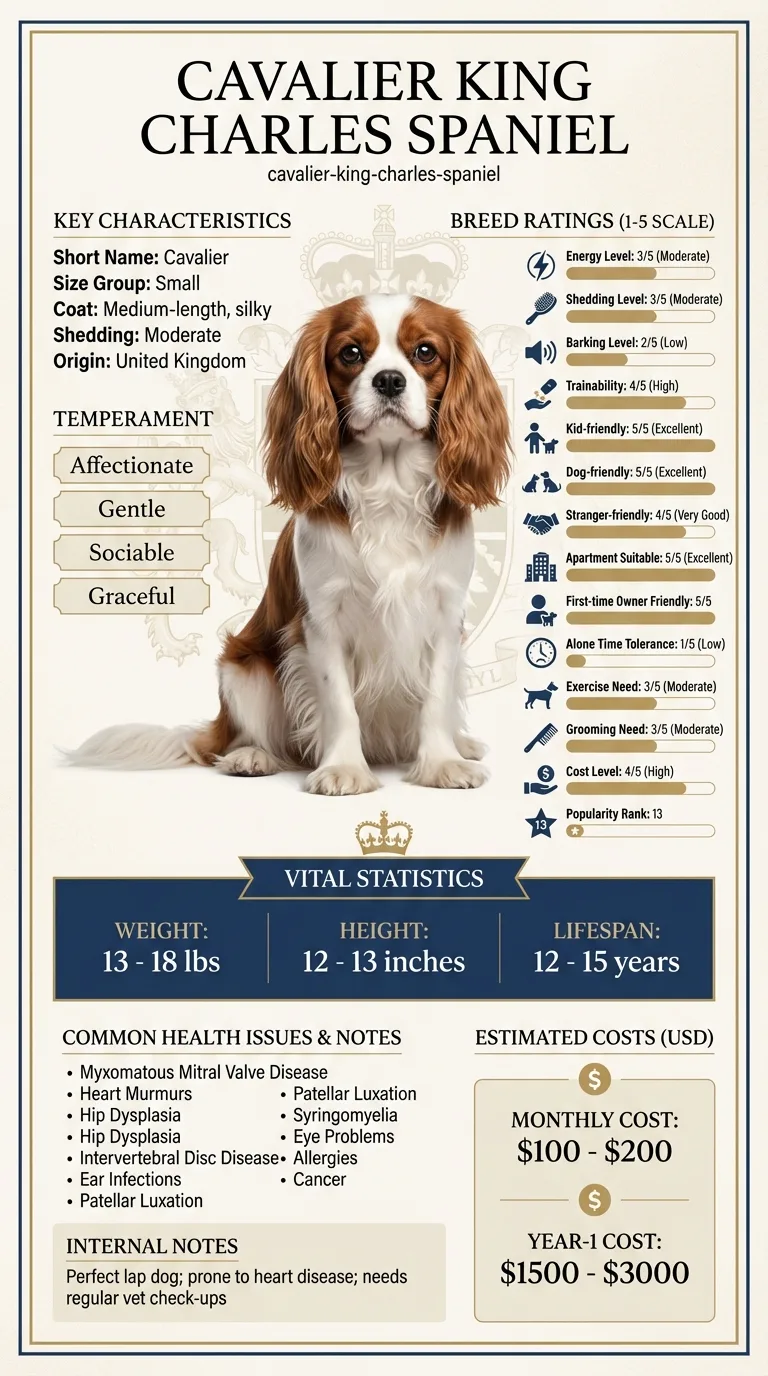
Owners of Cavalier King Charles Spaniels often face this issue, especially those new to dog care or those who have never encountered muscle disorders before. It can be particularly tough for families with active lifestyles, as they want their dogs to join in on the fun.
This guide is not medical advice. If your dog shows pain, sudden behavior change, or worsening symptoms, consult a licensed veterinarian.
Some links may be affiliate links. We may earn a commission at no extra cost to you. We only suggest products we believe are helpful for dog owners.
We research and check what we publish, but we do not warrant that any figure, date, price, or statement is accurate, complete, or current, and we accept no liability for any loss, cost, injury, or other harm arising from the use of this site. Use it as one reference among several. You remain responsible for your own decisions and for your dog's care - confirm anything that matters with a licensed veterinarian or another qualified professional before you act on it. Full disclaimer.
Check this first
Recognizing the difference between a mild case of myotonia congenita and an emergency is crucial for your Cavalier King Charles Spaniel. While muscle stiffness can be a common symptom, there are specific signs that indicate you should call your vet immediately.
If your Cavalier shows signs of severe muscle stiffness, struggles to walk or move, has difficulty breathing, or experiences noticeable pain, these are red flags that require urgent veterinary attention. Additionally, if your dog collapses or has seizures, don’t wait—contact your vet right away.
On the other hand, if your Cavalier displays mild stiffness after exercise but returns to normal within a short time, this can usually be monitored at home. Keep an eye on their activity level and ensure they have regular, gentle exercise. If the stiffness persists or worsens, it’s best to consult your vet for further guidance.
If any of these apply, call your vet or an emergency clinic now. The rest of this page is for the cases that are not an emergency.
Cavalier King Charles Spaniel myotonia congenita is a condition that causes muscle stiffness, making everyday activities challenging. Owners may notice their Cavalier having trouble standing up after lying down or difficulty in jumping. This can lead to frustration, both for the dog and the owner, as it limits their ability to enjoy playtime and walks.
Myotonia congenita is relatively uncommon in Cavalier King Charles Spaniels, but it can occur. While many Cavaliers are healthy, this condition does show up in some dogs, particularly if there's a genetic predisposition. It's important for owners to be aware of the signs and seek veterinary advice if they notice symptoms.
Cavalier King Charles Spaniels are prone to genetic conditions like myotonia congenita, which causes muscle stiffness. This inherited trait can lead to difficulties in movement, especially after rest or exercise. Their small size and gentle nature may also make them more susceptible to this issue.
Environmental factors can contribute to the severity of myotonia congenita. Stressful situations, lack of proper exercise, or inadequate training can exacerbate the symptoms. Additionally, a lack of socialization may lead to anxiety, which can worsen muscle stiffness.
Consult your veterinarian if you notice a sudden increase in muscle stiffness or if your Cavalier has difficulty walking. Regular vet check-ups are crucial, especially since Cavaliers are prone to various health issues. Your vet can recommend treatments or therapies to manage myotonia congenita effectively.
Avoiding these common mistakes can help your Cavalier King Charles Spaniel manage myotonia congenita more effectively.
Start here: Cavalier King Charles Spaniel Genetic Disorders: Screening
See all Cavalier King Charles Spaniel health problems, which breeds are prone to myotonia congenita, or the full Cavalier King Charles Spaniel breed guide for temperament, exercise needs and ownership costs.
With consistent care and follow-up with your vet, you can see improvements in your Cavalier King Charles Spaniel's myotonia congenita in about 3 to 6 months.
Success means your dog shows reduced muscle stiffness, is more comfortable moving, and enjoys daily activities without excessive strain.
Sarah, a first-time dog owner in a busy city, adopted Bella, a sweet Cavalier King Charles Spaniel. Shortly after bringing Bella home, Sarah noticed her struggling with muscle stiffness, especially after playtime. Concerned, she sought advice from a vet, who confirmed it was myotonia congenita. With a tailored training plan focused on gentle exercises and stretching, Sarah committed to daily routines that encouraged movement without overwhelming Bella. Over a few months, Bella became more agile and comfortable, allowing her to enjoy walks and playtime with less discomfort.
Key takeaway: Early intervention and consistent, gentle training can significantly improve the quality of life for dogs with myotonia congenita.
Cavalier King Charles Spaniel myotonia congenita is a condition that causes muscle stiffness and difficulty in relaxing muscles. This can lead to challenges in movement and may affect your dog's overall quality of life. Early recognition and management are essential to help your dog thrive.
Start by ensuring your dog has a comfortable and safe living environment. Regular low-impact exercise can help maintain muscle flexibility. Consult your vet for specialized training techniques that focus on gradual movement and muscle relaxation.
Common signs include difficulty rising after resting, stiffness after exercise, and reluctance to move. If you see these symptoms, it's crucial to talk to your veterinarian for a thorough examination. Early intervention can make a significant difference.
Training should focus on gentle, positive reinforcement methods that encourage movement without causing stress. Incorporating slow, controlled exercises can help your dog learn to manage their condition. Working with a professional trainer experienced in canine health issues may be beneficial.
A balanced diet rich in omega fatty acids and antioxidants may support overall muscle health. Always discuss dietary changes with your veterinarian to ensure they are appropriate for your Cavalier's specific needs. Regular check-ups can help track your dog's progress.
Signs of myotonia congenita include muscle stiffness, difficulty relaxing after exercise, and delayed muscle response. You might notice your Cavalier having trouble getting up after resting or experiencing stiffness after playtime.
If you observe persistent muscle stiffness or if your Cavalier seems to struggle with movement, it's time to consult your vet. Early diagnosis can help manage the condition and improve your dog's quality of life.
Yes, older Cavaliers can develop myotonia congenita, even if they didn’t show signs when they were younger. Aging can sometimes exacerbate existing conditions, so regular vet check-ups are essential.
Training methods for a Cavalier with myotonia congenita should focus on gentle, positive reinforcement techniques. Avoid overly strenuous activities and tailor exercises to their pace, allowing for breaks as needed.
While there isn't a specific diet for myotonia congenita, a balanced diet rich in nutrients can support overall health. Consult your vet for dietary recommendations that suit your dog's unique needs.
Focus on regular, gentle exercise and a comfortable living environment to help manage myotonia congenita. Consult your vet for tailored exercise plans and dietary suggestions.
Use positive reinforcement techniques and slow, controlled movements to train your Cavalier. Gentle training can help build confidence and manage stiffness effectively.
Yes, myotonia congenita can be found in Cavalier King Charles Spaniels due to genetic factors. Regular vet check-ups are essential for early detection.
A one-page prep sheet for this condition: the signs, the questions to ask, what to get priced. Unlocks here.
You get: Vet visit prep sheet
No spam. One-click unsubscribe. See our privacy policy.
Preview page 1 before you decide.