DogBreedCompass

Dog life expectancy by breed: the full lifespan chart

Dog life expectancy runs from about 7 years for the largest breeds to 20 for the longest-lived toy breeds. The chart below gives the typical lifespan, size class and senior age for all 66 breeds we document, sorted from longest-lived to shortest.

Anyone comparing breeds before buying or adopting, and current owners working out when senior care, screening and insurance decisions should start.

Lifespan sets the length of every other commitment you are about to make: the insurance premium, the vet relationship, the years of walks. It is also the number people research after a diagnosis, which is why the chart shows a range rather than a single figure.

Dog life expectancy by breed: the full lifespan chart

Dog lifespan chart: all 66 breeds

Sorted from longest-lived to shortest. 'Senior from' is the age at which most vets switch a dog of that breed to senior screening — roughly 60% of the upper end of its range.

BreedTypical lifespanSizeAdult weightSenior from
Chihuahua12–20 yrsSmall2–6 lb12 yrs
Bernedoodle12–18 yrsMedium20–90 lb11 yrs
Poodle (Miniature)14–17 yrsSmall10–15 lb10 yrs
Poodle (All Sizes)12–17 yrsVaries4–70 lb10 yrs
Papillon14–16 yrsSmall5–10 lb10 yrs
Havanese13–16 yrsSmall7–13 lb10 yrs
Jack Russell Terrier13–16 yrsSmall13–17 lb10 yrs
Schnauzer (Standard)13–16 yrsMedium26–50 lb10 yrs
Shiba Inu13–16 yrsSmall17–23 lb10 yrs
American Staffordshire Terrier12–16 yrsMedium40–70 lb10 yrs
Dachshund12–16 yrsSmall11–32 lb10 yrs
Pomeranian12–16 yrsSmall3–7 lb10 yrs
Shih Tzu10–16 yrsSmall9–16 lb10 yrs
Bichon Frise14–15 yrsSmall12–18 lb9 yrs
Pug13–15 yrsSmall14–18 lb9 yrs
Australian Shepherd12–15 yrsMedium40–65 lb9 yrs
Beagle12–15 yrsSmall20–30 lb9 yrs
Border Collie12–15 yrsMedium30–55 lb9 yrs
Brittany Spaniel12–15 yrsMedium30–40 lb9 yrs
Brussels Griffon12–15 yrsSmall8–12 lb9 yrs
Cavalier King Charles Spaniel12–15 yrsSmall13–18 lb9 yrs
Maltese12–15 yrsSmall3–7 lb9 yrs
Poodle12–15 yrsSmall6–70 lb9 yrs
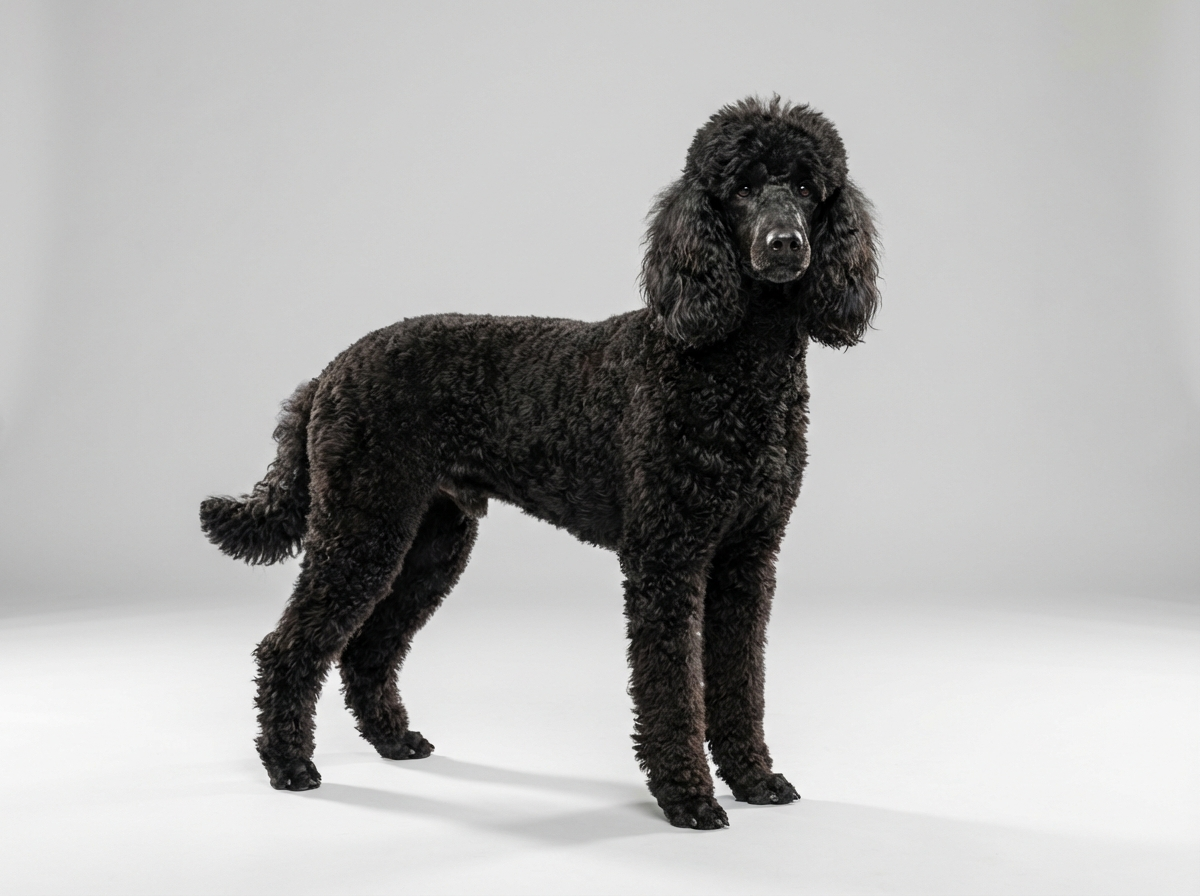
Poodle (Standard)12–15 yrsLarge45–70 lb9 yrs
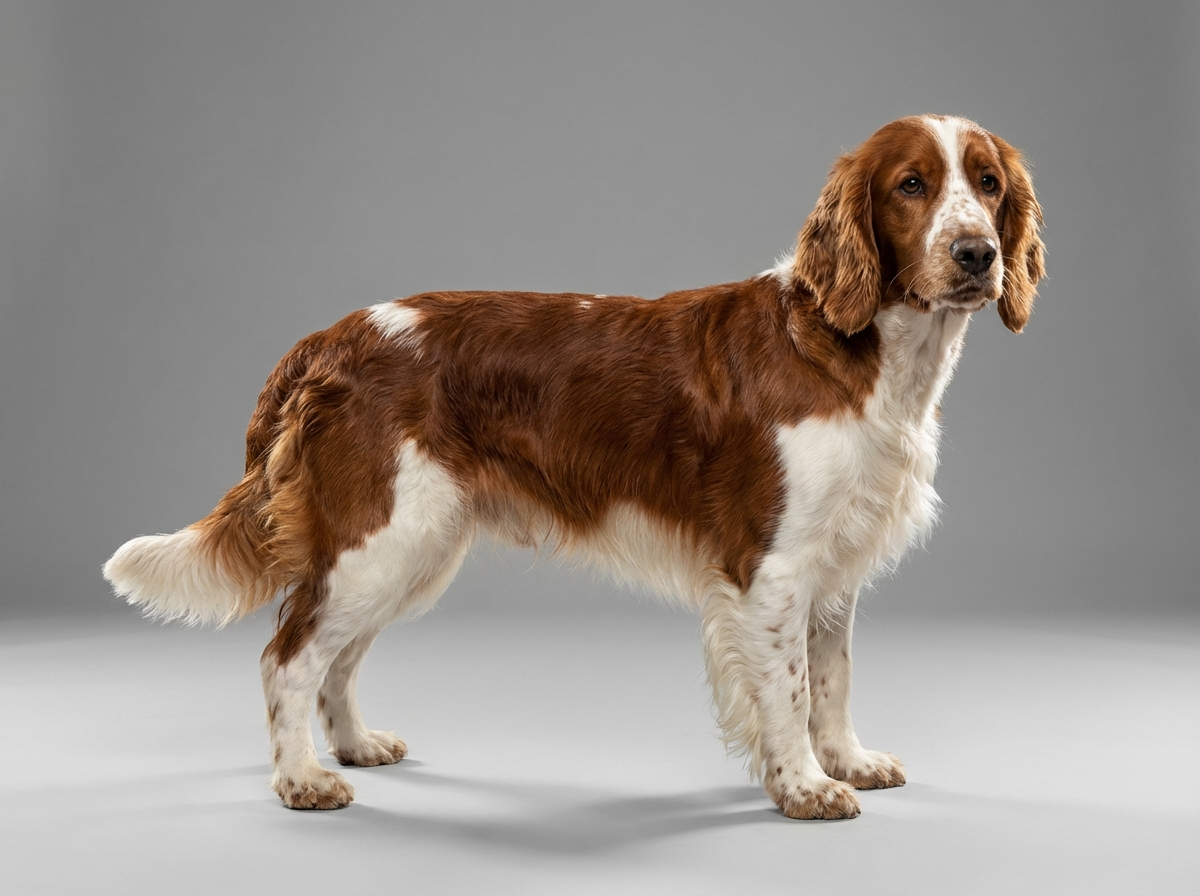
Welsh Springer Spaniel12–15 yrsMedium35–55 lb9 yrs
Belgian Malinois11–15 yrsLarge55–65 lb9 yrs
Yorkshire Terrier11–15 yrsSmall4–7 lb9 yrs
Goldendoodle10–15 yrsMedium15–90 lb9 yrs
Chow Chow9–15 yrsMedium45–70 lb9 yrs
American Pit Bull Terrier12–14 yrsLarge30–65 lb8 yrs
English Cocker Spaniel12–14 yrsMedium26–34 lb8 yrs
English Springer Spaniel12–14 yrsMedium40–50 lb8 yrs
German Wirehaired Pointer12–14 yrsLarge60–70 lb8 yrs
Labradoodle12–14 yrsMedium15–65 lb8 yrs
Miniature Schnauzer12–14 yrsSmall11–20 lb8 yrs
Shetland Sheepdog12–14 yrsSmall15–25 lb8 yrs
Siberian Husky12–14 yrsLarge45–60 lb8 yrs
Collie (Rough Collie)11–14 yrsLarge50–75 lb8 yrs
Alaskan Malamute10–14 yrsGiant75–110 lb8 yrs
Cocker Spaniel10–14 yrsSmall20–30 lb8 yrs
Vizsla10–14 yrsMedium45–65 lb8 yrs
Boston Terrier11–13 yrsSmall12–25 lb8 yrs
Pembroke Welsh Corgi11–13 yrsSmall24–30 lb8 yrs
Akita10–13 yrsLarge70–130 lb8 yrs
Weimaraner10–13 yrsLarge55–90 lb8 yrs
German Shepherd9–13 yrsLarge50–90 lb8 yrs
Basset Hound10–12 yrsMedium40–65 lb7 yrs
Doberman Pinscher10–12 yrsLarge60–100 lb7 yrs
French Bulldog10–12 yrsSmall20–30 lb7 yrs
French Spaniel10–12 yrsMedium45–60 lb7 yrs
German Shorthaired Pointer10–12 yrsLarge45–70 lb7 yrs
Golden Retriever10–12 yrsLarge55–75 lb7 yrs
Labrador Retriever10–12 yrsLarge55–80 lb7 yrs
Old English Sheepdog10–12 yrsLarge60–100 lb7 yrs
Cane Corso9–12 yrsGiant90–110 lb7 yrs
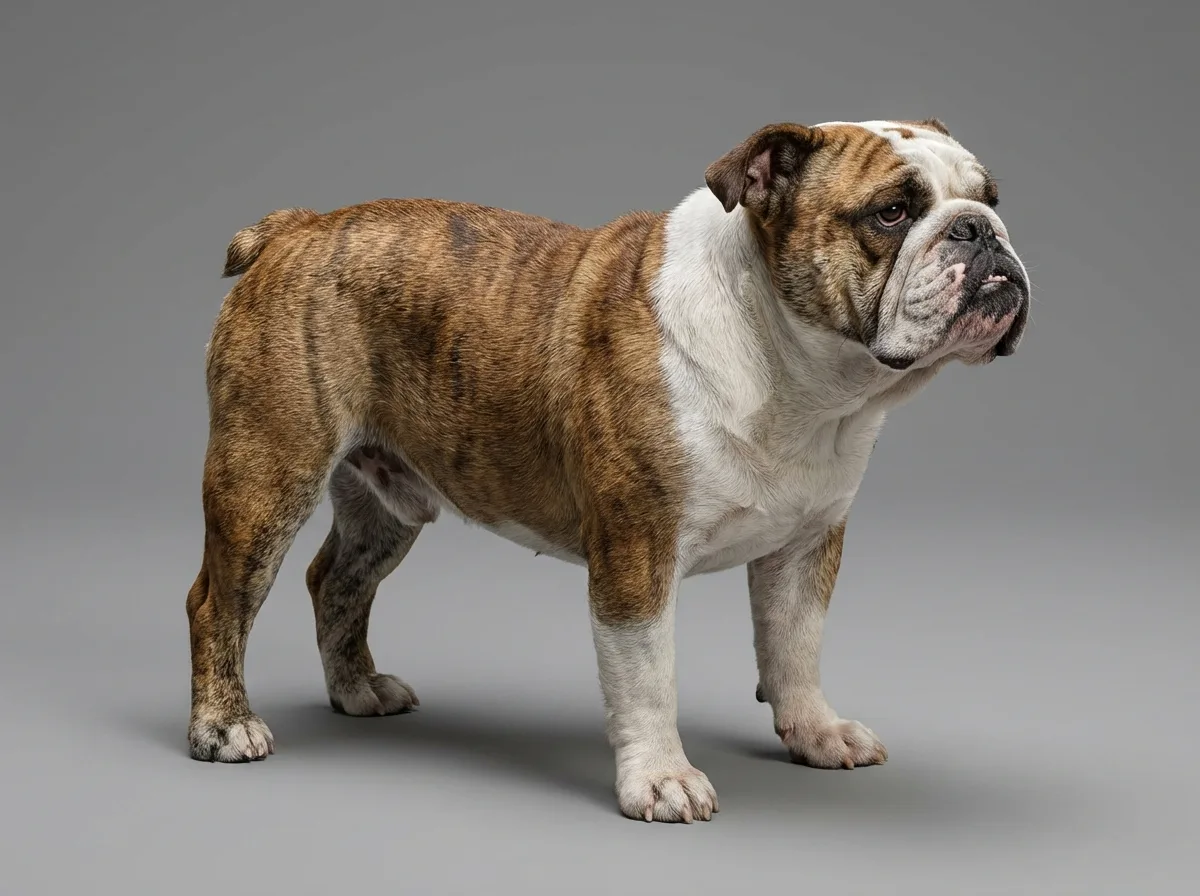
Bulldog (English)8–12 yrsMedium40–50 lb7 yrs
Chinese Shar-Pei8–12 yrsMedium45–60 lb7 yrs
Mastiff (English Mastiff)9–11 yrsGiant120–250 lb7 yrs
Rottweiler8–11 yrsLarge80–135 lb7 yrs
Newfoundland9–10 yrsGiant100–150 lb6 yrs
Rottweiler Mix9–10 yrsLarge80–135 lb6 yrs
Saint Bernard8–10 yrsGiant120–180 lb6 yrs
Bernese Mountain Dog7–10 yrsLarge70–115 lb6 yrs
Bloodhound7–10 yrsLarge90–110 lb6 yrs
Boxer7–10 yrsLarge60–70 lb6 yrs
Great Dane7–10 yrsGiant110–175 lb6 yrs

Ranges, not single numbers, because that is what the evidence supports. A breed listed at 10–13 years produces plenty of dogs that reach 14 and some that do not see 9. Where your dog lands inside the range is driven by body condition, dental health, and whether the conditions its breed is known for were screened for early.

Longest-living breeds on this list

The longest-living breeds we document are Chihuahua (12–20), Bernedoodle (12–18), Poodle (Miniature) (14–17), Poodle (All Sizes) (12–17), Papillon (14–16). Three of the five are small or toy breeds; the Bernedoodle is a medium crossbreed and Poodle (All Sizes) spans every size class, which is why their ranges are so wide.

A long-lived breed is a longer financial commitment, not a cheaper one. Fifteen or sixteen years means fifteen or sixteen years of food, preventatives, insurance premiums and — the item people forget — dental work. Small breeds have crowded jaws, and a dental under anaesthetic every couple of years from middle age is normal rather than exceptional.

The practical consequence is planning. If you are 60 when you take on a 16-year-old-at-death breed, the dog may outlive your current living arrangements; if you are 25, it will follow you through several moves and probably a change of city. Neither is a reason not to, but both are worth thinking about before the chart's top rows become a shortlist.

Shortest-living breeds, and why

The shortest-living breeds in our data are the Bernese Mountain Dog, Bloodhound, Boxer and Great Dane, all at 7–10 years, followed by the Saint Bernard (8–10), Newfoundland (9–10), Rottweiler Mix (9–10) and Rottweiler (8–11). Every one of them is a large or giant breed, and the reason is growth rate rather than care.

Giant breeds reach 100 lb or more in roughly two years, which means their cells divide fast and their skeletons carry loads that a small dog never experiences. The consequences show up as bloat risk, cardiac disease, osteosarcoma and joint failure — the conditions that dominate the health records for these breeds. None of that is fixed by feeding better food; it is built into the size.

What does help is specific: keeping a giant-breed puppy lean and slow-growing, avoiding stair and jump loading before the growth plates close, feeding measured meals rather than one large one to reduce bloat risk, and starting cardiac and joint screening earlier than you would for a small dog. The gap between a well-managed giant breed and a badly managed one is measured in years.

How to read a dog life expectancy range

A breed's lifespan range describes the middle of the distribution, not its edges. Treat the lower number as 'sooner than you hoped but not unusual' and the upper number as 'a good run', with outliers on both sides.

Three factors move an individual dog inside its range, and they are the same across every breed on the chart. Body condition is first: dogs kept lean live measurably longer than dogs kept heavy, and it is the single most controllable factor an owner has. Dental disease is second, because chronic oral infection has downstream effects on the heart and kidneys. Screening is third — hip, elbow, eye, cardiac and breed-specific DNA panels catch conditions while they are still manageable.

What does not reliably move the range: premium food marketing, supplements without a diagnosed deficiency, and the belief that a mixed-breed dog is automatically healthier. Mixed breeds do benefit from a wider gene pool, but a mixed dog of giant-breed parentage still ages like a giant breed.

When a dog becomes senior, by size

Senior age is a function of size, not a fixed birthday. Giant breeds are treated as seniors from around 6; small breeds not until 8 or later, and the longest-lived of them not until 10 or 12. The table below averages our own breed data by size class, and the 'usually senior from' column is 60% of each class's average lifespan — in the breed chart above it is 60% of that breed's own upper figure.

Size classBreeds in our dataAverage lifespanUsually senior from
Small2313.6 yrs8 yrs
Medium1712.6 yrs8 yrs
Large1911.1 yrs7 yrs
Giant69.9 yrs6 yrs

The practical marker is not the number but what changes at it: annual bloodwork becomes worth doing, weight matters more because joints are less forgiving, and behaviour changes stop being 'just age' and start being worth a vet's opinion. If you own a large or giant breed, that switch happens earlier than most owners expect.

Where these figures come from

Every number on this page comes from the same breed dataset that powers the individual breed pages on this site: 66 breeds, each with a documented lifespan range, size class, adult weight and list of breed-specific conditions.

The ranges are editorial figures maintained per breed rather than the output of a single study, and they are deliberately conservative — where sources disagree we keep the wider range rather than picking the flattering end. The 'senior from' column is derived, not sourced: it is 60% of the upper end of each breed's range, which lines up with how most veterinary practices set their senior-care thresholds by size.

Each row links back to the breed's own page, where the same lifespan figure appears alongside the conditions and screening advice specific to that breed. Our editorial approach and the sources behind the breed data are set out on the editorial policy and sources pages.

Frequently asked questions

What is the average dog life expectancy?

There is no single useful average, because size drives the answer. Across the 66 breeds we document, toy and small breeds average the mid-teens, medium breeds 11–13 years, large breeds 9–12 and giant breeds 7–10. Ask the question by size class rather than for dogs as a whole.

How long do Great Danes live?

Great Danes typically live 7 to 10 years, one of the shortest ranges of any breed we document, and are treated as senior dogs from around 6. Bloat (gastric dilatation-volvulus) and cardiac disease dominate the breed's health records, so measured meals and early cardiac screening are the two interventions with the clearest payoff.

What is the lifespan of a Bernese Mountain Dog?

Around 7 to 10 years. Like other giant breeds, the Bernese ages fast from puppyhood, and cancer — histiocytic sarcoma in particular — appears more often in this breed's records than in most. Senior screening from about 6 is reasonable.

How long do Border Collies live?

Border Collies typically live 12 to 15 years, which is long for a dog of their size, and they stay working-fit well into double digits. Hip screening and eye testing in the parents are the checks that matter most before you buy a puppy.

How long do Dobermans live?

Doberman Pinschers usually live 10 to 12 years. Dilated cardiomyopathy is the condition that most often shortens that, and it is why annual cardiac screening from middle age is standard advice for the breed rather than an optional extra.

How long do small dogs live?

Small and toy breeds generally live 12 to 16 years, several years longer than large breeds of the same generation. The trade is dental disease and patellar problems, both of which are common enough in small dogs that they should be budgeted for rather than treated as surprises.

Why do big dogs have shorter lifespans?

Because they grow faster. A giant-breed puppy adds a hundred pounds or more in about two years, and the same growth signalling that makes that possible is associated with earlier ageing, higher cancer rates and joint failure. It is a property of size itself rather than of care or diet.

Which dog breed lives the longest?

Among the 66 breeds we document, the longest ranges belong to Chihuahua (12–20), Bernedoodle (12–18), Poodle (Miniature) (14–17), Poodle (All Sizes) (12–17), Papillon (14–16). Three of the five are small or toy breeds; the Bernedoodle is medium and Poodle (All Sizes) covers every size class. Mixed-breed dogs of similar size tend to do at least as well, because a wider gene pool reduces the chance of inheriting two copies of any one breed's conditions.

Quick answers

View more answers
Health

How long do dogs live on average?

It depends on size: toy and small breeds average the mid-teens, medium breeds 11–13 years, large breeds 9–12, giant breeds 7–10.

Health

At what age is a dog considered senior?

Around 8–10 for small breeds, 8 for medium, 7 for large and 6 for giant breeds, on our own breed averages. Senior status is a screening threshold, not a birthday.

Health

Which dog breed has the shortest lifespan?

The giant breeds. In our data Great Dane sits at the short end at 7–10 years.

Related DogBreedCompass guides

Important reminder

This guide is not medical advice. Lifespan ranges are editorial estimates, not a prognosis for an individual dog. If your dog shows pain, sudden behavior change, or worsening symptoms, consult a licensed veterinarian.

Some links may be affiliate links. We may earn a commission at no extra cost to you. We only suggest products we believe are helpful for dog owners.

We research and check what we publish, but we do not warrant that any figure, date, price, or statement is accurate, complete, or current, and we accept no liability for any loss, cost, injury, or other harm arising from the use of this site. Use it as one reference among several. You remain responsible for your own decisions and for your dog's care - confirm anything that matters with a licensed veterinarian or another qualified professional before you act on it. Full disclaimer.

Want more tailored help?

Take the Lifestyle Match quiz to see which breeds and guides best fit your day-to-day life.

Take the quiz

More guides you might like

Find your match

Not sure which breed is right for you? Take our 2-minute quiz to find out.

Take the quiz