Health
What is the difference between stertor and stridor?
Stertor is a low wet snore from the nose and throat; stridor is a high harsh sound from the larynx or upper windpipe. Stridor is generally the more concerning of the two.

Quick answer
What is the difference between stertor and stridor?
Stertor is a low wet snore from the nose and throat; stridor is a high harsh sound from the larynx or upper windpipe. Stridor is generally the more concerning of the two.
Snoring, snorting, wheezing and honking are four different sounds that come from four different places. Naming yours narrows the problem before any test is run.
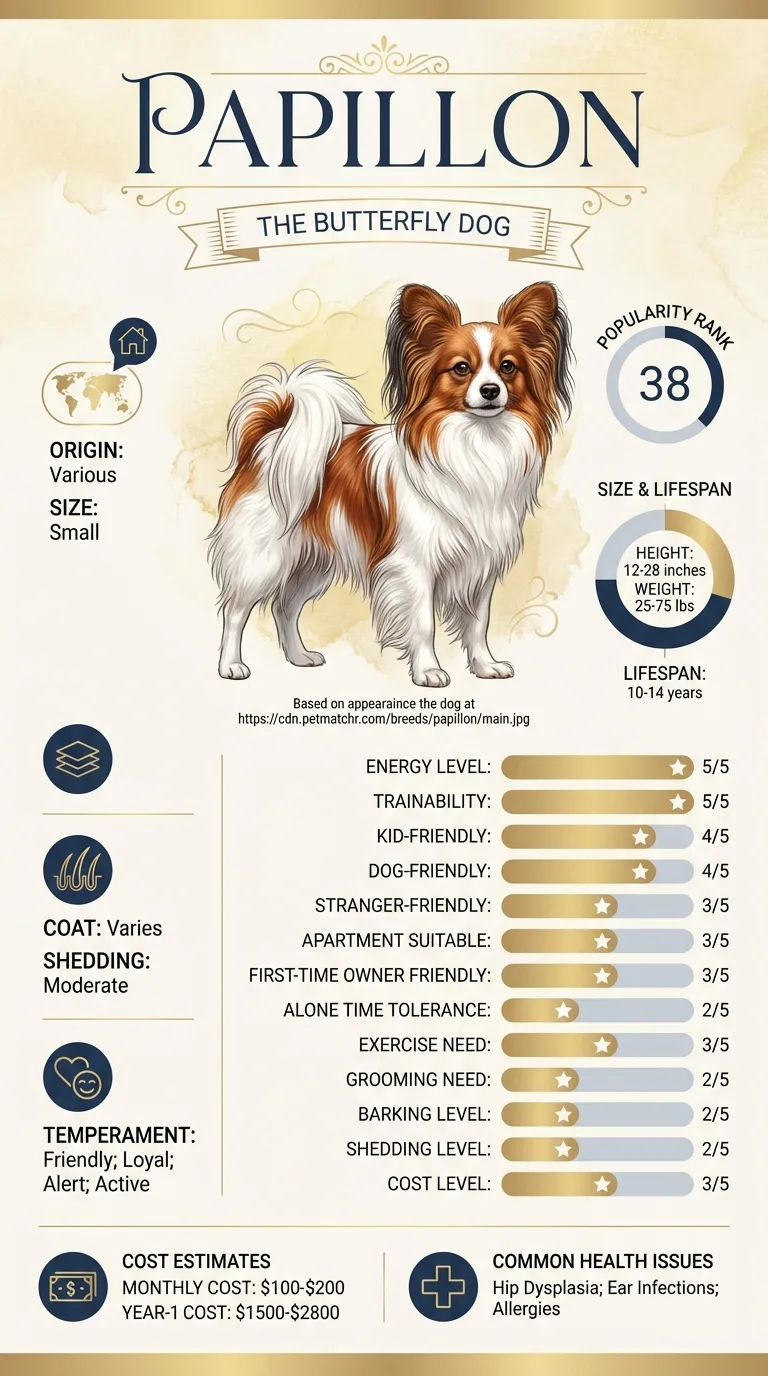
Owners who have booked an appointment about a noise and are dreading being told it is untreatable, and owners who have been told their dog is fine but who can hear that something has changed.
This guide is not medical advice. If your dog shows pain, sudden behavior change, or worsening symptoms, consult a licensed veterinarian.
Some links may be affiliate links. We may earn a commission at no extra cost to you. We only suggest products we believe are helpful for dog owners.
We research and check what we publish, but we do not warrant that any figure, date, price, or statement is accurate, complete, or current, and we accept no liability for any loss, cost, injury, or other harm arising from the use of this site. Use it as one reference among several. You remain responsible for your own decisions and for your dog's care - confirm anything that matters with a licensed veterinarian or another qualified professional before you act on it. Full disclaimer.
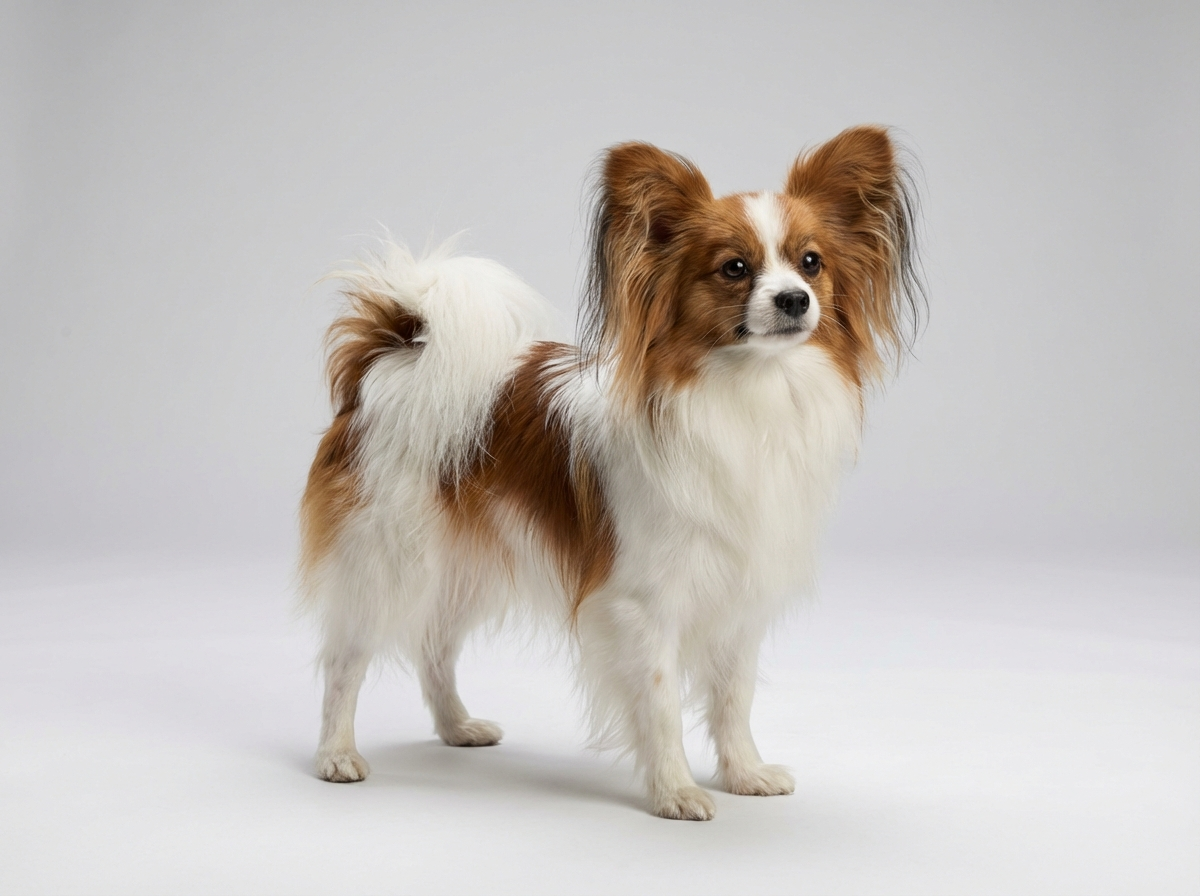
Obstructive airway disease means air cannot move freely through some part of the route from nostril to lung. In a Papillon the obstruction is not caused by a compressed skull, so the workup has to locate it rather than assume it. The process runs from the character of the sound, through an exercise assessment, to imaging and finally to direct visualisation, and most dogs are diagnosed well before the last step.
Airway noise is a routine reason for consultation in toy breeds, and collapsing trachea is common enough in Papillons to appear on the breed's documented health list. What is not common here is brachycephalic obstruction, which requires a skull the breed does not have. Most noisy Papillons turn out to have a windpipe, nasal or dental explanation.
Two documented breed features shape the workup. Collapsing trachea means the windpipe itself is the most likely site of obstruction in a middle-aged or older Papillon, and it is the reason a vet asks about honking rather than snoring. Dental disease means an upper tooth root abscess is a realistic cause of nasal signs, so the mouth is examined even when the complaint is about breathing. Against those, a normal muzzle length and open nostrils remove the entire brachycephalic set of causes from consideration.
Airflow velocity is what turns a structural weakness into an audible one. Anything that raises it, a doorbell, a squirrel, a warm room, a hill, a few extra ounces of body weight, will bring out a noise that was inaudible at rest. Household irritants matter too: cigarette smoke, scented aerosols, wood dust and dry heated air all inflame the airway lining and lower the threshold at which noise appears.
Any dog that is struggling for breath at rest, standing with its elbows out and neck extended, breathing open-mouthed while lying still, or showing blue, grey or brick-red gums needs emergency care immediately; so does a dog that collapses during a coughing or breathing episode. Book a same-day appointment for airway noise that has appeared suddenly, for a honking bout that will not settle, for blood or one-sided discharge from a nostril, or for a dog that has abruptly stopped tolerating exercise. A routine appointment suits long-standing snoring that has not changed, occasional reverse sneezing, or noise you want assessed before it becomes a problem.
See all Papillon health problems, which breeds are prone to brachycephalic obstructive airway syndrome boas, or the full Papillon breed guide for temperament, exercise needs and ownership costs.
A first-opinion workup with history, examination and radiographs is usually completed within one or two visits over a fortnight. Referral for fluoroscopy or endoscopy adds two to six weeks depending on availability. Management changes such as harness, weight loss and trigger training show measurable results within four to eight weeks. Structural airway conditions are then monitored for life rather than cured.
A named location for the noise, an explanation you can repeat to someone else, and a dog whose episodes are occasional and predictable rather than daily and frightening. It also looks like an owner who has stopped searching for a syndrome their dog cannot have and started managing the one it does.
Stertor is a low, wet, snoring sound made in the nose and the back of the throat. It comes from soft tissue vibrating and is the characteristic noise of flat-faced breeds, which the Papillon is not. In this breed it more often means nasal congestion, a foreign body, a mass, or a dental root infection reaching into the nasal chamber.
Stridor is higher, harsher and comes from the larynx or the upper windpipe. It is a more worrying sound in any breed because the larynx is the narrowest point of the airway. Laryngeal paralysis is the classic cause, though it is far more a large-breed problem than a toy one.
A honking cough is not really breathing noise at all. It is a dry, explosive burst that arrives in runs and stops, produced when a weakened windpipe flattens as air rushes through it. This is the sound the Papillon's documented collapsing trachea makes.
Wheezing sits lower still, in the small airways of the lungs, and points at bronchial disease rather than anything in the neck.

The first step is history, and it is worth more than most owners expect. When did the noise start, is it present at rest or only with effort, does it change with position, does it happen on breathing in or breathing out, and what stops it? Noise on inspiration points to the upper airway; noise on expiration points to the lungs.
Second is observation and an exercise tolerance assessment. Some clinics use a short structured trot and then listen again, since a mild obstruction only declares itself when airflow increases.
Third is imaging. Radiographs of the neck and chest taken during inhalation and exhalation can catch a windpipe flattening, though a collapsing trachea is intermittent enough that plain films sometimes miss it. Fluoroscopy, which is a moving image, is far better and usually means referral.
Fourth, where indicated, is direct examination under light sedation to look at the larynx, the soft palate and the nasal passages, and airway endoscopy to see inside the trachea itself. That is where the anatomy is finally settled.
Alina's Papillon, Fenna, developed a wet snorting noise at nine years old, always worse in the evening. Alina had read about airway syndromes and arrived expecting bad news. Her vet listened to three phone recordings and stopped at the second. The noise was stertor rather than a honk, it came only from the left nostril, and there was a thin discharge Alina had assumed was normal. The examination went to the mouth. The upper left carnassial tooth was loose with inflamed gum around it. Radiographs of the head under anaesthetic showed the root had eroded into the nasal chamber. The tooth was extracted and the defect repaired at the same procedure. The noise stopped within ten days and has not come back in two years. Alina now brushes Fenna's teeth four evenings a week.
Key takeaway: One-sided noise is a strong clue, and in a breed with crowded teeth the airway workup often ends in the mouth rather than in the neck.
Yes. A clip of thirty seconds is one of the most useful things you can bring. Airway noise is intermittent and dogs are frequently silent in the consulting room, so a recording made at home during an episode often carries the diagnosis.
They point in different directions rather than differing in severity. Inspiratory noise usually locates the problem above the chest, in the nose, larynx or upper windpipe. Expiratory noise usually locates it inside the chest, in the lower trachea or the small airways.
Because the roots of the upper premolars and canines sit directly beneath the nasal chamber. In a breed with dental disease on its documented health list, an infected root eroding upward is a genuine cause of one-sided nasal noise and discharge.
Regularly, because the collapse happens only at certain points in the breathing cycle. A normal radiograph does not exclude it. Fluoroscopy or endoscopy is needed to see the windpipe moving, and that generally means a referral appointment.
No. Many dogs snore in deep sleep with entirely normal airways, and reverse sneezing is a dramatic but usually harmless reflex. What matters is whether the noise is new, whether it is present at rest, and whether it is getting worse.
Only if the first-opinion workup leaves the location unclear or a procedure is being considered. Many noisy Papillons are diagnosed and successfully managed in general practice with history, examination, radiographs and a change of collar, harness and weight.
Stertor is a low wet snore from the nose and throat; stridor is a high harsh sound from the larynx or upper windpipe. Stridor is generally the more concerning of the two.
A dry, repetitive honk in bursts, often described as a goose call, triggered by excitement, collar pressure, drinking or heat, with silence in between episodes.
A consultation with radiographs commonly runs two to five hundred dollars. Referral fluoroscopy or endoscopy under sedation typically starts around a thousand and rises with the imaging used.
Harness only, lean body weight, walks in cool parts of the day, no smoke or aerosols indoors, and a calm doorbell routine. Those four changes reduce episodes in most toy dogs with airway noise.
Directly. Most episodes are triggered by excitement or lead pressure, and a Papillon taught to settle on a mat and walk on a loose lead simply encounters those triggers far less often.
A one-page prep sheet for this condition: the signs, the questions to ask, what to get priced. Unlocks here.
You get: Vet visit prep sheet
No spam. One-click unsubscribe. See our privacy policy.
Preview page 1 before you decide.