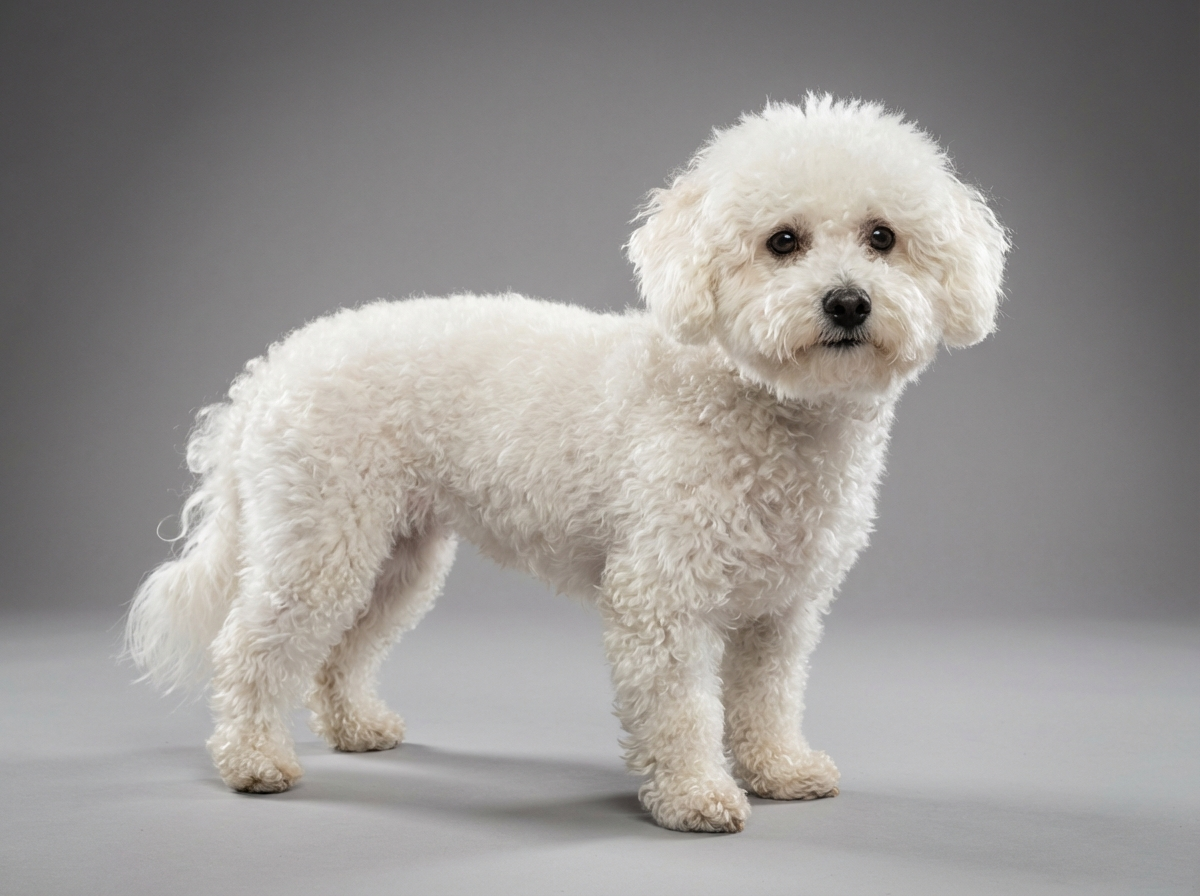
Health
Is reverse sneezing dangerous?
Usually not. It resolves on its own within seconds and the dog is normal afterwards. Frequent or prolonged episodes are worth investigating.

Quick answer
Is reverse sneezing dangerous?
Usually not. It resolves on its own within seconds and the dog is normal afterwards. Frequent or prolonged episodes are worth investigating.
Four distinct sounds get lumped together as breathing problems, they come from four different places in the dog, and telling them apart at home is genuinely possible.
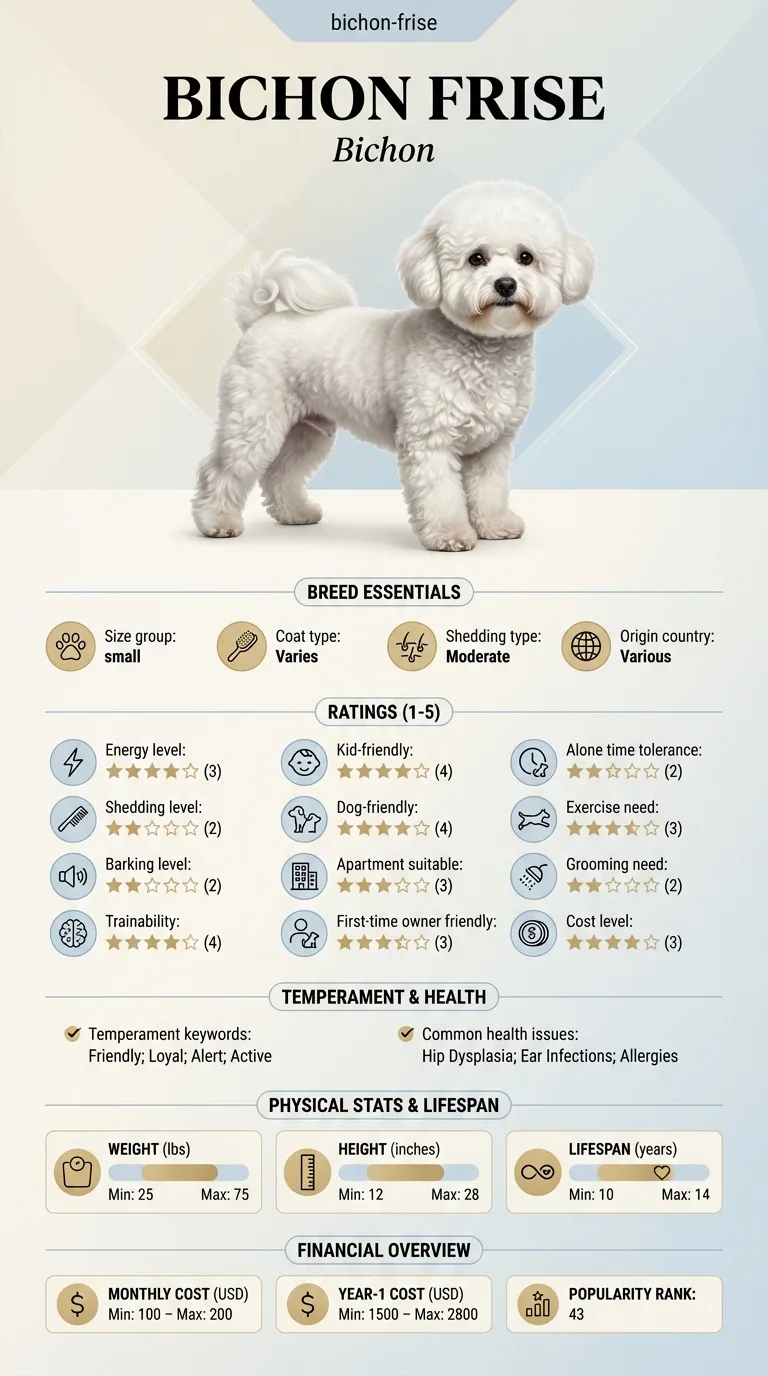
Owners who have just watched their Bichon have a violent snorting episode and thought it was choking. Also anyone whose older Bichon has developed a new noise and who needs to know whether it is urgent, worth an appointment, or nothing at all.
This guide is not medical advice. If your dog shows pain, sudden behavior change, or worsening symptoms, consult a licensed veterinarian.
Some links may be affiliate links. We may earn a commission at no extra cost to you. We only suggest products we believe are helpful for dog owners.
We research and check what we publish, but we do not warrant that any figure, date, price, or statement is accurate, complete, or current, and we accept no liability for any loss, cost, injury, or other harm arising from the use of this site. Use it as one reference among several. You remain responsible for your own decisions and for your dog's care - confirm anything that matters with a licensed veterinarian or another qualified professional before you act on it. Full disclaimer.
Brachycephalic obstructive airway syndrome describes permanently obstructed breathing in flat-faced dogs whose soft tissue does not fit their shortened skull. The Bichon Frise does not have that conformation and the syndrome is not part of its documented health picture. What Bichon owners actually encounter is a set of noises with quite different causes, chief among them reverse sneezing, which is dramatic, common and generally harmless.
Reverse sneezing is common across small breeds and most Bichon owners will see it at some point. True airway obstruction from skull conformation does not occur in this breed. That gap between what owners fear and what they are usually witnessing is why naming the noise accurately is the most valuable step, and why so many worried searches end with reassurance.
A Bichon Frise has an open nose and a functional jaw, so the fixed obstruction that defines airway syndrome is not present. Where breed traits do contribute to noise, they do so at the margins. The nasal passages of a dog weighing 12 to 18 pounds are narrow in absolute terms, which is part of why small breeds show reverse sneezing so often. Dental disease is documented in the Bichon Frise, and disease around the roots of the upper teeth sits directly beneath the nasal cavity, which is a genuine and frequently missed cause of a changed breathing sound in an older dog.
Indoor air does a great deal of the work here. Scented candles, aerosol sprays, cleaning products, dusty carpets and dry heated air all irritate the back of the nose and set off episodes, and a dog that spends most of its time indoors in a flat, which suits this highly apartment-adapted breed, meets all of them. Cold air on a winter walk is another common trigger. Collar pressure adds a mechanical component, and excess weight adds a permanent one, since fat deposited around the throat narrows the passage every hour of the day.
Book an appointment for any noise that is new, increasing, or present while your dog is awake and resting, and for reverse sneezing episodes that have become frequent, prolonged or leave your dog subdued. Book promptly for a honking cough, for discharge from one nostril, for repeated nosebleeds, or for a change in the sound of the bark. Go to an emergency clinic immediately for breathing with visible effort, an extended neck with open-mouthed breathing at rest, gums that look pale, grey or blue, choking or gagging that will not stop, or collapse. Those are emergencies in every breed, and low breed risk is not a reason to wait.
See all Bichon Frise health problems, which breeds are prone to brachycephalic obstructive airway syndrome boas, or the full Bichon Frise breed guide for temperament, exercise needs and ownership costs.
Identifying the noise usually takes one appointment plus a video. Trigger management shows results within a few weeks, and most owners who cut indoor aerosols and switch to a harness see fewer episodes within a month. Weight-related noise takes two to four months to improve. Reverse sneezing rarely disappears entirely; the aim is a dog that has an occasional episode rather than several a day, and an owner who no longer finds it frightening.
Success is knowing precisely what sound your dog makes and why, having ruled out the causes that matter, and being able to sit calmly through an episode instead of reaching for the car keys. A healthy Bichon Frise should breathe silently at rest, recover from exercise within minutes, and sleep quietly. Occasional dramatic snorting that ends in twenty seconds and leaves a bright, normal dog fits comfortably inside that picture.
Describing the sound accurately is most of the diagnosis. Take a video, then compare it against these, because a vet who hears the noise reaches an answer far faster than one who hears a description of it.
It is worth spending a paragraph on this one, because more Bichon owners have driven to an emergency clinic over a reverse sneeze than over anything else on this page.
The dog stops, plants its front feet, stretches its neck forward and low, and makes a series of loud rapid snorts pulling air inward. It sounds as though the dog cannot get air in. Some dogs do this several times a week and others a few times a year.
The mechanism is a spasm of the soft tissue at the back of the nose, usually set off by irritation: a change in temperature, dust, a strong scent, excitement, or pulling against a collar. Small breeds are over-represented, probably because of the dimensions of the nasal passages.
It ends on its own. Most episodes are shorter than half a minute. Gently stroking the throat or briefly covering the nostrils so the dog swallows will often shorten one, though doing nothing works too.
What separates a reverse sneeze from a problem is what comes after. A dog that is completely normal thirty seconds later is fine. A dog that stays distressed, has blue-tinged gums, keeps having episodes hour after hour, or has nasal discharge alongside them needs assessing.

Elena had owned Nutkin for four months and had already made three late-night trips to the emergency vet. Each time he had stood rigid in the hallway making violent snorting noises, and each time he was completely normal by the time they arrived. On the third visit the vet asked her to film the next one rather than drive in. The footage arrived a week later and settled it in seconds: a textbook reverse sneeze, twenty-two seconds long, followed by Nutkin trotting off to find a toy. What the clip also captured, in the background, was Elena spraying a fabric freshener in the same room moments earlier. She stopped using it. Episodes dropped from two or three a week to roughly one a month. She still films them occasionally, mostly out of habit, and she has not been back to the out-of-hours clinic since.
Key takeaway: Thirty seconds of video ends most breathing worries in this breed, and it very often captures the trigger sitting in plain sight in the background.
The syndrome is defined by the anatomy of a heavily shortened skull, which this breed does not have, and it is not among the documented Bichon Frise health issues. A Bichon with genuinely obstructed breathing has a different problem, and identifying it correctly matters because the treatments are not the same.
Usually ten to thirty seconds, occasionally up to a minute, ending abruptly with the dog returning to normal immediately. Episodes lasting several minutes, repeating continuously through a day, or leaving your dog subdued afterwards are not typical and should be discussed with your vet.
The classic cause is weakness of the cartilage rings supporting the windpipe, which lets it flatten during breathing. It is worth investigating in any small dog with that sound. It is not documented as a Bichon Frise breed problem, but the noise is distinctive enough that it should always prompt a veterinary examination.
It can. Pressure on the front of the neck from a collar on a dog that pulls can trigger both reverse sneezing episodes and coughing. Switching to a well-fitted harness for lead walking removes that pressure and is a sensible change for any small dog regardless of the underlying cause.
New snoring in a dog that has never snored is worth an appointment, because the causes include weight gain, nasal inflammation and dental disease reaching the nasal cavity. Dental disease is documented in this breed, and it is a genuinely common and treatable explanation for a changed breathing sound.
Yes, and it is the most useful thing you can do. These noises almost never happen in the consulting room, and a vet who watches thirty seconds of footage can usually name the sound immediately. Film in reasonable light with the sound on and try to capture the whole episode including the recovery.
Usually not. It resolves on its own within seconds and the dog is normal afterwards. Frequent or prolonged episodes are worth investigating.
Stay calm, stroke the throat gently, or briefly cover the nostrils so your dog swallows. Most episodes end within half a minute regardless.
A goose-honk cough, high-pitched squeaking at rest, or wet bubbling breathing while awake. None of those should be watched and waited on.
No airway-related ones. Standard hot weather care applies because of the dense insulating coat, not because of the face shape.
An examination with a video is inexpensive and often sufficient. Imaging or airway examination under sedation costs considerably more and is not always needed.
A one-page prep sheet for this condition: the signs, the questions to ask, what to get priced. Unlocks here.
You get: Vet visit prep sheet
No spam. One-click unsubscribe. See our privacy policy.
Preview page 1 before you decide.