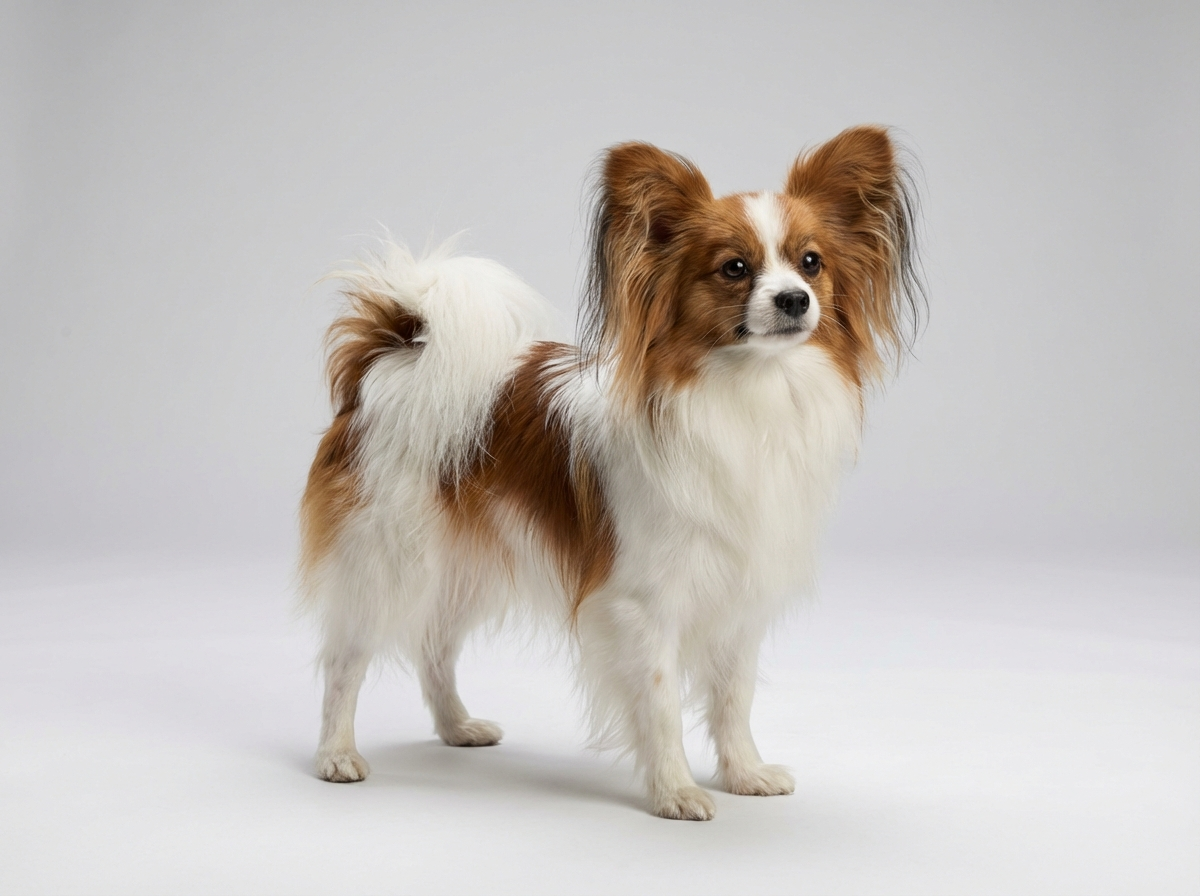
Health
What is a liver shunt in a dog?
An abnormal blood vessel that routes blood from the gut around the liver instead of through it, so toxins from digestion reach the brain unfiltered.

Quick answer
What is a liver shunt in a dog?
An abnormal blood vessel that routes blood from the gut around the liver instead of through it, so toxins from digestion reach the brain unfiltered.
If a puppy seems dull, dazed or wobbly an hour or two after eating and normal by the next morning, the timing is the diagnosis.
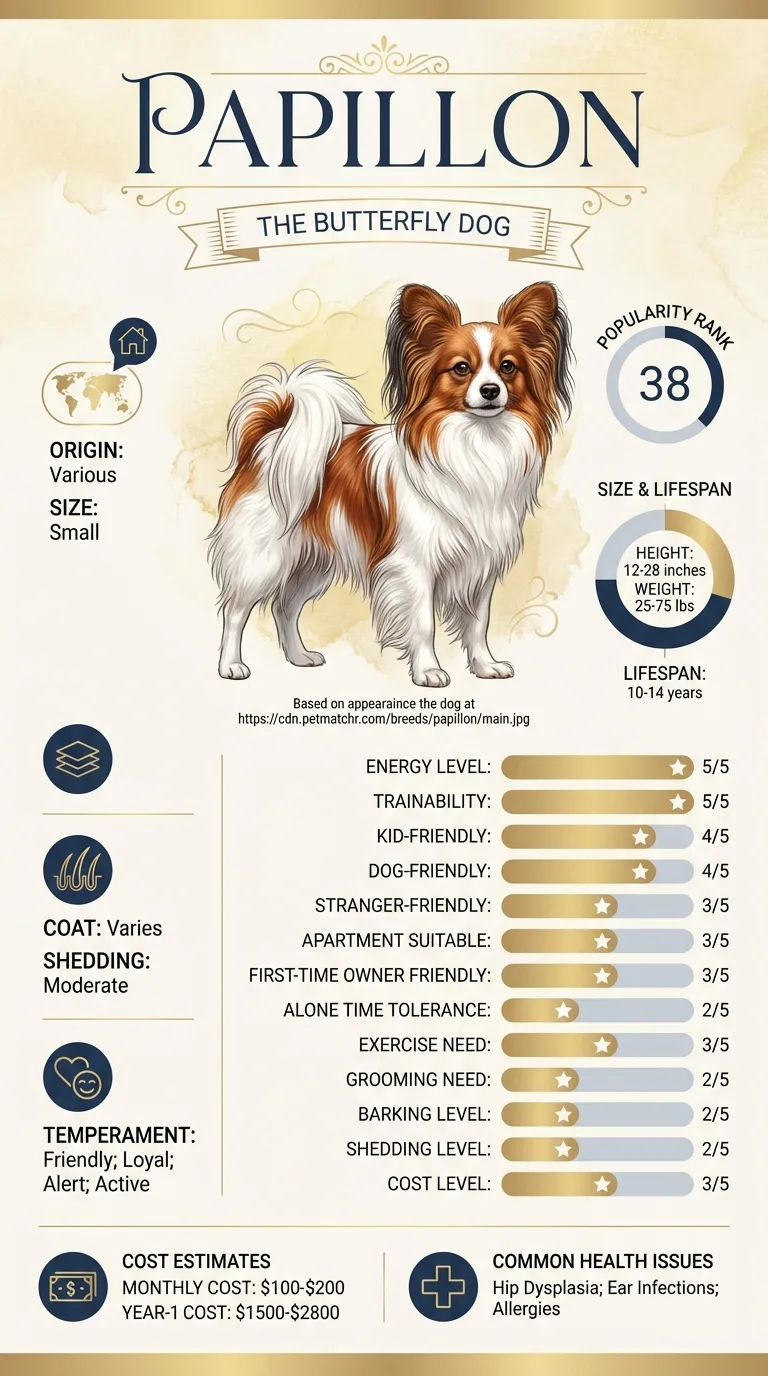
Owners of small, poorly growing Papillon puppies who keep being told the dog is just the runt, and anyone whose young dog has had an unexpectedly rough reaction to anesthesia or sedation.
This guide is not medical advice. If your dog shows pain, sudden behavior change, or worsening symptoms, consult a licensed veterinarian.
Some links may be affiliate links. We may earn a commission at no extra cost to you. We only suggest products we believe are helpful for dog owners.
We research and check what we publish, but we do not warrant that any figure, date, price, or statement is accurate, complete, or current, and we accept no liability for any loss, cost, injury, or other harm arising from the use of this site. Use it as one reference among several. You remain responsible for your own decisions and for your dog's care - confirm anything that matters with a licensed veterinarian or another qualified professional before you act on it. Full disclaimer.
A portosystemic shunt is an abnormal vessel carrying blood from the digestive tract past the liver and into general circulation. The liver is deprived of the blood flow it needs to grow and function, and compounds it should have neutralised reach the brain instead. The result is a puppy with poor growth and intermittent neurological signs that cluster after meals, together with unusual sensitivity to drugs the liver would normally clear.
Congenital shunts are uncommon overall but are diagnosed disproportionately in small and toy breeds, and they are one of the more important causes of a puppy that fails to thrive. Most Papillon owners will never encounter one, but the intermittent nature of the signs means those who do often spend months being told nothing is wrong.
The vessel involved is a fetal structure that should close in the days after birth. When it stays open, the liver never receives its proper blood supply and remains small and underdeveloped. Small breeds show a higher rate of the type situated outside the liver, and a heritable tendency is recognised in affected lines. The Papillon's five to ten pound adult size makes assessing a small puppy harder, because petite is normal here in a way it is not in a large breed.
The shunt itself is not caused by anything in the household, and owners should not carry blame for it. What household factors do is modulate the signs. A high protein meal, a period of dehydration, constipation, or a bout of gastrointestinal upset all increase the toxin load reaching the brain and can turn a subtly affected puppy into an obviously unwell one for a day.
Book an appointment and ask specifically about a bile acid test if your Papillon puppy is not keeping pace with its littermates, has episodes of dullness or unsteadiness after meals, drinks excessively, or recovered unusually slowly from sedation. Seek emergency care immediately for seizures, collapse, blindness that comes on suddenly, persistent head pressing against a wall, or a puppy that cannot be roused properly, since severe hepatic encephalopathy is a medical emergency and needs treatment the same hour.
See all Papillon health problems, which breeds are prone to liver shunts, or the full Papillon breed guide for temperament, exercise needs and ownership costs.
Medical stabilisation usually improves signs within days to a couple of weeks. Surgical closure is done gradually, and liver function typically improves over one to three months afterwards, with rechecks including repeat bile acid testing to confirm. Some dogs come off all medication and diet, others need lifelong management.
Success is a Papillon that grows into a normal five to ten pound adult, stays bright after meals, tolerates a routine anesthetic uneventfully, and has bile acid results that have come back toward normal rather than merely a dog whose signs are being suppressed.
The liver is the body's filter for everything absorbed from digestion. When a shunt diverts that blood, unfiltered compounds reach the brain, and the resulting neurological disturbance is called hepatic encephalopathy.
Because the load depends on what has just been digested, the signs cycle. A puppy can be entirely normal at breakfast, become vacant, wobbly or head pressing an hour or two after a protein rich meal, and be bright again by evening. That intermittent, meal linked pattern is the single most useful clue and it is why owners are so often disbelieved: the dog is always fine at the appointment.
Other features build a picture around it. Affected puppies frequently fail to grow properly and stay smaller than littermates, though in a breed whose adults weigh five to ten pounds a small puppy is easy to dismiss as simply petite. Some drink and urinate excessively. Some form urate crystals or stones in the urinary tract, because the liver is not processing the compounds involved. Poor appetite, intermittent vomiting or diarrhoea, and unusual sensitivity to sedatives or anesthetics all fit, the last because the liver clears those drugs.
In a small breed the abnormal vessel usually sits outside the liver, which matters because that location is generally more approachable surgically than one buried inside it.

No single test does it alone. The sequence below is what turns a suspicious puppy into a definite diagnosis with a plan attached.
Ottilie came home at nine weeks as the smallest of five. Her owner Bea noticed within a month that she went strange in the afternoons: staring at the skirting board, walking into the sofa leg, unresponsive to her name for perhaps an hour. By evening she was a normal puppy again. Two appointments produced nothing, because Ottilie was bright and bouncing at both. On the third visit Bea brought a two week diary and a phone video of Ottilie standing with her forehead against a kitchen cupboard forty minutes after lunch. Her vet ran a bile acid stimulation test. The post meal value was dramatically raised. Ultrasound located an extrahepatic shunt, and Ottilie was stabilised on a prescribed diet and medication before surgery two months later. At three she is six pounds nine ounces, on no medication, and her bile acids are normal.
Key takeaway: The diagnosis lives in the timing, and the timing lives in a diary. If your puppy is only odd after meals, record it and film it, because the dog will look perfectly well in the consulting room every single time.
They are not a signature Papillon condition, though congenital shunts are recognised more often in small and toy breeds generally than in large ones. Most poorly growing Papillon puppies have some other explanation. The reason the condition matters is that it is treatable when found early and does real cumulative harm when missed.
Two paths, often used in sequence. Medical management uses a specific diet plus medications your vet prescribes to reduce the production and absorption of the compounds causing the neurological signs, and it stabilises many dogs well. Surgical closure of the abnormal vessel, done gradually so the liver can adapt, offers the best chance of an outright cure for suitable extrahepatic shunts.
Many do. Where the vessel is fully closed and the liver develops normal circulation, dogs frequently go on to live without medication or special diet, and a Papillon could reasonably expect a good share of its fourteen to sixteen year span. Outcomes depend on the shunt's anatomy and on how much damage preceded treatment, so a surgeon's individual assessment matters more than any general figure.
Because the liver metabolises many anesthetic and sedative drugs, and a dog whose liver is bypassed clears them slowly. A puppy that took an unusually long time to wake up, or was disoriented for far longer than expected after a routine procedure, has produced a genuine clinical clue that is worth mentioning to your vet.
Diet is a cornerstone of medical management, but it is not simply less protein. The aim is a carefully formulated diet with protein of a type and quantity that reduces the ammonia load while still supporting a growing dog. Restricting protein in a growing puppy without veterinary direction can do real harm, so this belongs on prescription rather than guesswork.
Yes. Congenital shunts have a heritable component in affected breeds, so the information is genuinely useful to a breeder planning future pairings, and a good one will want it. Many puppy contracts also cover congenital conditions diagnosed within a stated period, which is a practical reason to report it promptly and in writing.
An abnormal blood vessel that routes blood from the gut around the liver instead of through it, so toxins from digestion reach the brain unfiltered.
Dullness, wobbliness or staring after meals, resolving by the next day, in a puppy that is not growing as well as its littermates.
Usually a bile acid stimulation test with fasted and post meal samples, followed by imaging to locate the abnormal vessel.
Yes. Diagnosis plus surgical closure runs into several thousand dollars against the breed's routine eighty to one hundred fifty dollars a month, which makes early insurance enrolment valuable.
A one-page prep sheet for this condition: the signs, the questions to ask, what to get priced. Unlocks here.
You get: Vet visit prep sheet
No spam. One-click unsubscribe. See our privacy policy.
Preview page 1 before you decide.