Health
Is BOAS a real risk for Welsh Springer Spaniels?
No, BOAS is documented in flat-faced breeds like Bulldogs and Pugs, not in the moderate-muzzled Welsh Springer Spaniel.

Quick answer
Is BOAS a real risk for Welsh Springer Spaniels?
No, BOAS is documented in flat-faced breeds like Bulldogs and Pugs, not in the moderate-muzzled Welsh Springer Spaniel.
A dog panting hard after a hard run in the field isn't showing the same thing as a Bulldog struggling to breathe at rest, and the difference comes down entirely to skull shape.
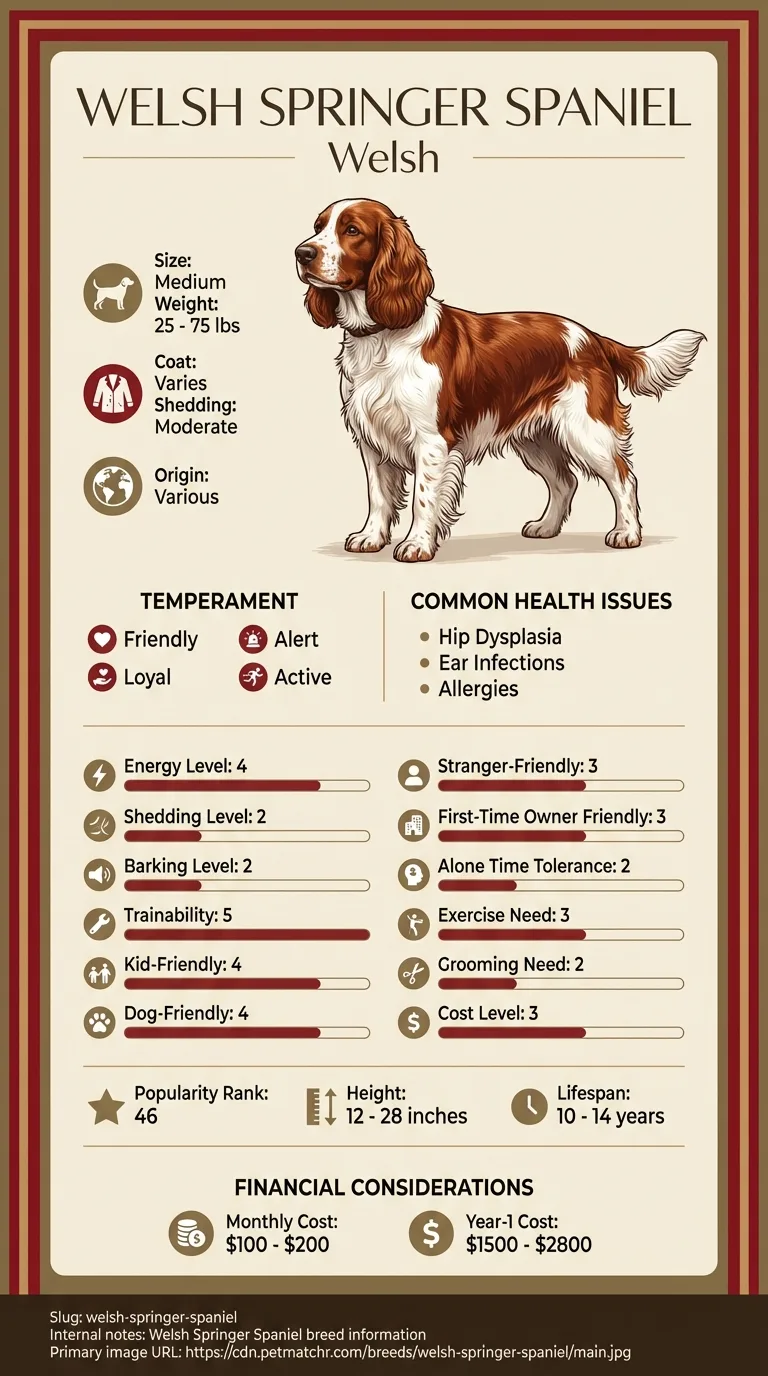
This page is for owners who've read general lists of "breeds prone to breathing problems" online and want to know whether any of it applies to their long-muzzled Welsh Springer Spaniel.
This guide is not medical advice. If your dog shows pain, sudden behavior change, or worsening symptoms, consult a licensed veterinarian.
Some links may be affiliate links. We may earn a commission at no extra cost to you. We only suggest products we believe are helpful for dog owners.
We research and check what we publish, but we do not warrant that any figure, date, price, or statement is accurate, complete, or current, and we accept no liability for any loss, cost, injury, or other harm arising from the use of this site. Use it as one reference among several. You remain responsible for your own decisions and for your dog's care - confirm anything that matters with a licensed veterinarian or another qualified professional before you act on it. Full disclaimer.
Brachycephalic Obstructive Airway Syndrome is a structural breathing disorder documented in short-skulled breeds like Bulldogs and Pugs, with no established basis in the Welsh Springer Spaniel, which has a moderate-length muzzle. Owners concerned about this breed's breathing or heat tolerance are better served comparing normal exertion panting against this breed's real documented conditions: hip dysplasia, ear infections, epilepsy, glaucoma, and hypothyroidism.
BOAS is common enough within brachycephalic breeds that some studies estimate a majority of dogs with the shortest muzzles show at least mild signs, but it isn't recognized as occurring in dogs with the Welsh Springer Spaniel's head structure at all. That makes it essentially irrelevant to this breed's actual health profile compared to genuinely common concerns like ear infections.
BOAS results from decades of breeding toward a shorter, flatter skull, which packs the same amount of soft airway tissue into less space and restricts airflow. The Welsh Springer Spaniel's breeding history selected for field stamina and scenting ability with a longer muzzle, producing the opposite skull proportions from the breeds where BOAS is documented.
Because the structural cause of BOAS isn't present in this breed's anatomy, there are no environmental factors that meaningfully raise its risk here. Heat, humidity, and overexertion can still cause normal heat stress in a Welsh Springer, but that's a different mechanism from the airway-tissue crowding that drives BOAS in brachycephalic breeds.
See a vet promptly for breathing that's labored or noisy at rest, doesn't settle within a reasonable time after exercise, or comes with blue or pale gums, weakness, or collapse. These signs warrant evaluation in any breed and are not specific to BOAS.
Confusing normal exertion panting in an athletic spaniel with a structural airway disease can lead owners toward the wrong worries and the wrong vet questions. These are the specific mix-ups to avoid.
See all Welsh Springer Spaniel health problems, which breeds are prone to brachycephalic obstructive airway syndrome boas, or the full Welsh Springer Spaniel breed guide for temperament, exercise needs and ownership costs.
There's no BOAS-related timeline to track in this breed, since the condition isn't part of its documented health profile. Normal exercise recovery for a healthy Welsh Springer's panting should be well underway within 10-20 minutes of rest.
Success here looks like redirecting concern away from a condition that doesn't fit this breed's anatomy and toward the health issues that actually matter for a Welsh Springer: hip health, ear care, eye checks, and seizure awareness.
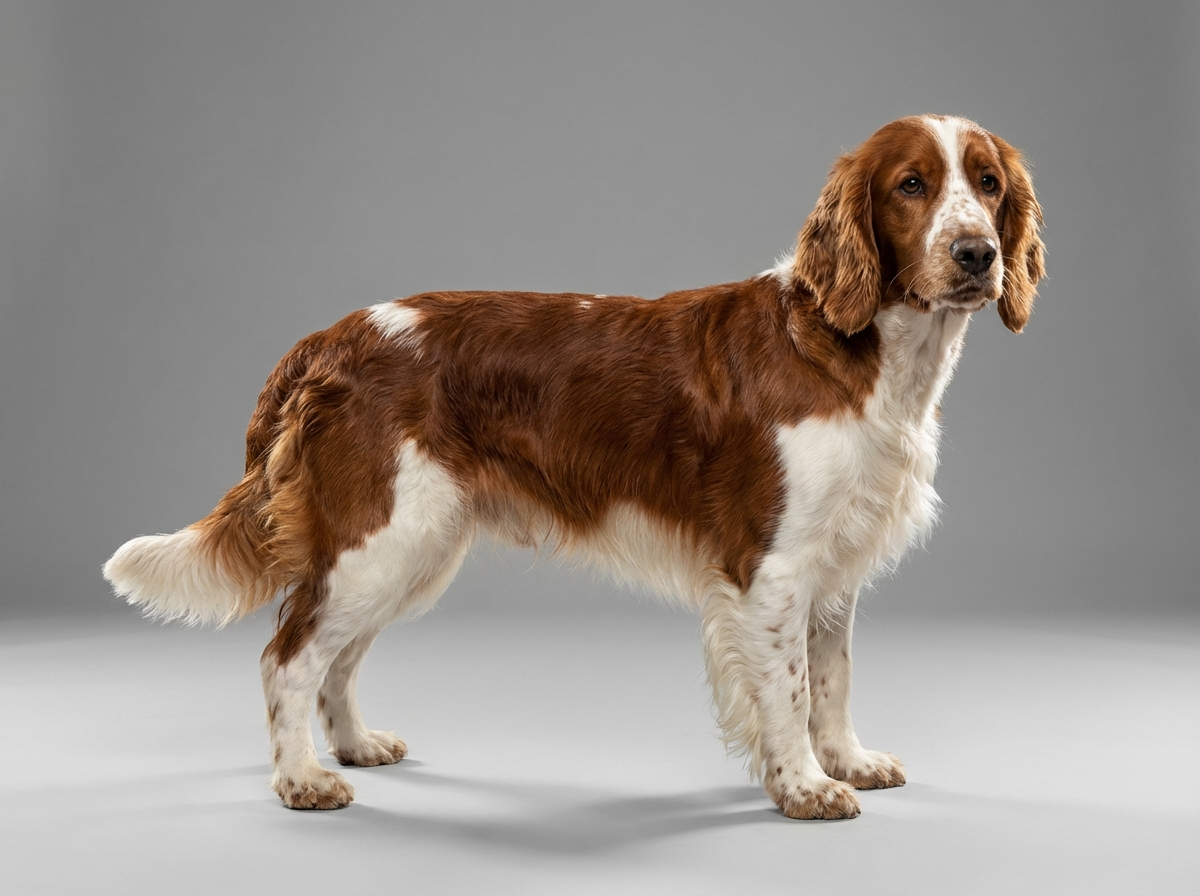
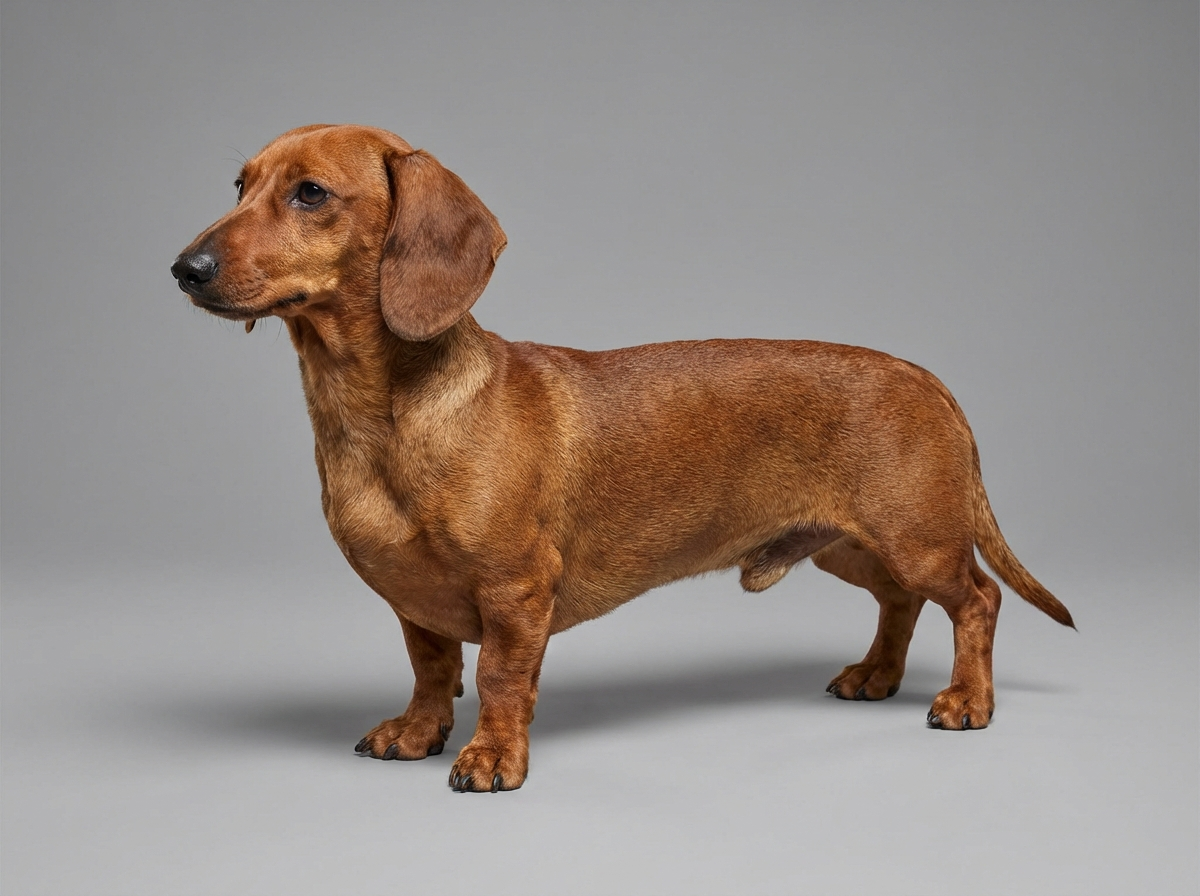
BOAS develops in breeds selectively bred for a shortened, flattened skull, which crowds the soft tissue of the airway into less space than it needs. The Welsh Springer Spaniel was bred for stamina in the field, not for facial flattening, and its skull retains the elongated, moderate-width shape typical of working spaniels.
That head shape leaves the nasal passages, soft palate, and windpipe with normal proportional space, which is why an elongated soft palate, stenotic nares, and everted laryngeal saccules, the classic components of BOAS, aren't findings associated with this breed. A vet examining a Welsh Springer for breathing concerns is looking at a fundamentally different airway anatomy than they would in a Pug or Bulldog.
This doesn't mean a Welsh Springer can never have a breathing issue: allergies, kennel cough, heart disease, and laryngeal paralysis in older dogs can all cause labored breathing regardless of skull shape. It just means the specific structural airway crowding that defines BOAS isn't the mechanism to suspect in this breed.

Heavy panting that resolves within 10-20 minutes of rest after exercise or heat exposure is normal for an energetic sporting breed like this one. Panting or noisy breathing that doesn't settle down, that occurs at rest, or that comes with blue-tinged gums or collapse is not normal in any dog and needs prompt veterinary care.
In a Welsh Springer specifically, a vet is more likely to investigate causes like heatstroke, heart or airway disease unrelated to skull shape, or an unrelated illness rather than anything resembling BOAS. Bringing a clear description of when the breathing changes started and what triggers them helps the vet narrow things down faster.
The more useful long-term habit for this breed is watching for its actual documented risks, hip stiffness after exercise, recurring ear odor or head-shaking from its drop ears, or eye cloudiness, rather than screening for a flat-face condition that doesn't fit its anatomy.

After a long morning training his Welsh Springer Spaniel, Cerdd, for upland retrieving trials near Spokane, Washington, Rhys noticed the dog panting hard and heard him snore that night. A late-night search for "dog breathing problems" surfaced BOAS, and Rhys grew worried he'd missed the signs of a serious airway condition. His vet examined Cerdd's muzzle and airway and explained that BOAS is documented in flat-faced breeds like Bulldogs and Pugs, not in spaniels with a normal, moderate-length muzzle like his. The heavy panting was simply Cerdd cooling down from a hard training session, and the snoring was unrelated deep-sleep behavior seen across many breeds. Instead, the visit turned into a broader wellness check, where the vet flagged Cerdd's slightly stiff hips after long sessions as the more relevant thing to monitor going forward. Rhys left with a hip-friendly conditioning plan instead of an airway workup he didn't need.
Key takeaway: Heavy panting and occasional snoring in an athletic, moderate-muzzled breed like the Welsh Springer Spaniel reflect normal exertion and sleep behavior, not the structural airway disease documented in flat-faced breeds, and this breed's real attention belongs on risks like hip dysplasia, ear infections, epilepsy, glaucoma, and hypothyroidism.
No. BOAS is documented in brachycephalic breeds with shortened, flattened skulls, such as Bulldogs, Pugs, and Boston Terriers. The Welsh Springer Spaniel has a moderate-length muzzle and isn't considered a brachycephalic breed, so BOAS has no established basis here.
Welsh Springers are energetic sporting dogs bred for sustained field work, and heavy panting is their normal way of cooling down after exertion. As long as breathing settles within a reasonable time at rest, this is expected behavior rather than a sign of airway disease.
Occasional soft snoring during deep sleep is common across many breeds and head shapes and isn't specific to airway obstruction. Loud, labored breathing that persists while your dog is awake and at rest is different and warrants a veterinary look, regardless of breed.
BOAS is best documented in English and French Bulldogs, Pugs, Boston Terriers, Pekingese, and Boxers, breeds selected for short, flat faces. The Welsh Springer Spaniel's longer muzzle places it outside this group entirely.
This breed's documented risks are hip dysplasia, recurrent ear infections tied to its drop ears, epilepsy, glaucoma, and hypothyroidism. These are the conditions worth tracking with your vet rather than a flat-face breathing disorder.
Heat sensitivity in this breed is more likely related to its dense double coat, activity level, or hydration than to any airway restriction, since it lacks the anatomical crowding that causes BOAS. If heat intolerance seems severe, a vet visit is still worthwhile to rule out heatstroke risk or other causes.
There's no need to screen specifically for BOAS in this breed, since it isn't part of the Welsh Springer's documented health profile. It's more useful to discuss the breed's actual known risks, like hip and eye health, at routine checkups.
No, BOAS is documented in flat-faced breeds like Bulldogs and Pugs, not in the moderate-muzzled Welsh Springer Spaniel.
Heavy panting after exercise or heat exposure is normal cooling behavior for this energetic sporting breed.
Hip dysplasia, ear infections, epilepsy, glaucoma, and hypothyroidism are this breed's genuinely documented risks.
No, corrective airway surgeries for BOAS address flat-face anatomy the Welsh Springer doesn't have.
No special breathing restrictions apply to this breed; normal exercise conditioning and heat awareness are enough.
A one-page prep sheet for this condition: the signs, the questions to ask, what to get priced. Unlocks here.
You get: Vet visit prep sheet
No spam. One-click unsubscribe. See our privacy policy.
See a sample page before you decide.
Early access list
The free prep sheet covers the same-day warning signs, a symptom log and the questions to ask. We are considering a fuller kit that adds a cost worksheet for the usual tests and treatments (US price ranges with their sources) and a plain-English guide to ways of covering the bill. It is not built yet; this list tells us whether it is worth building.
One email, no spam, unsubscribe anytime. Information only, not veterinary advice.