Health
Can pancreatitis cause diabetes in dogs?
Yes. Repeated or chronic inflammation destroys pancreatic tissue including the insulin producing cells, leaving the dog unable to regulate blood glucose.

Quick answer
Can pancreatitis cause diabetes in dogs?
Yes. Repeated or chronic inflammation destroys pancreatic tissue including the insulin producing cells, leaving the dog unable to regulate blood glucose.
A dog that has been through repeated bouts of pancreatic inflammation can arrive at diabetes not through diet or weight but through scarring.
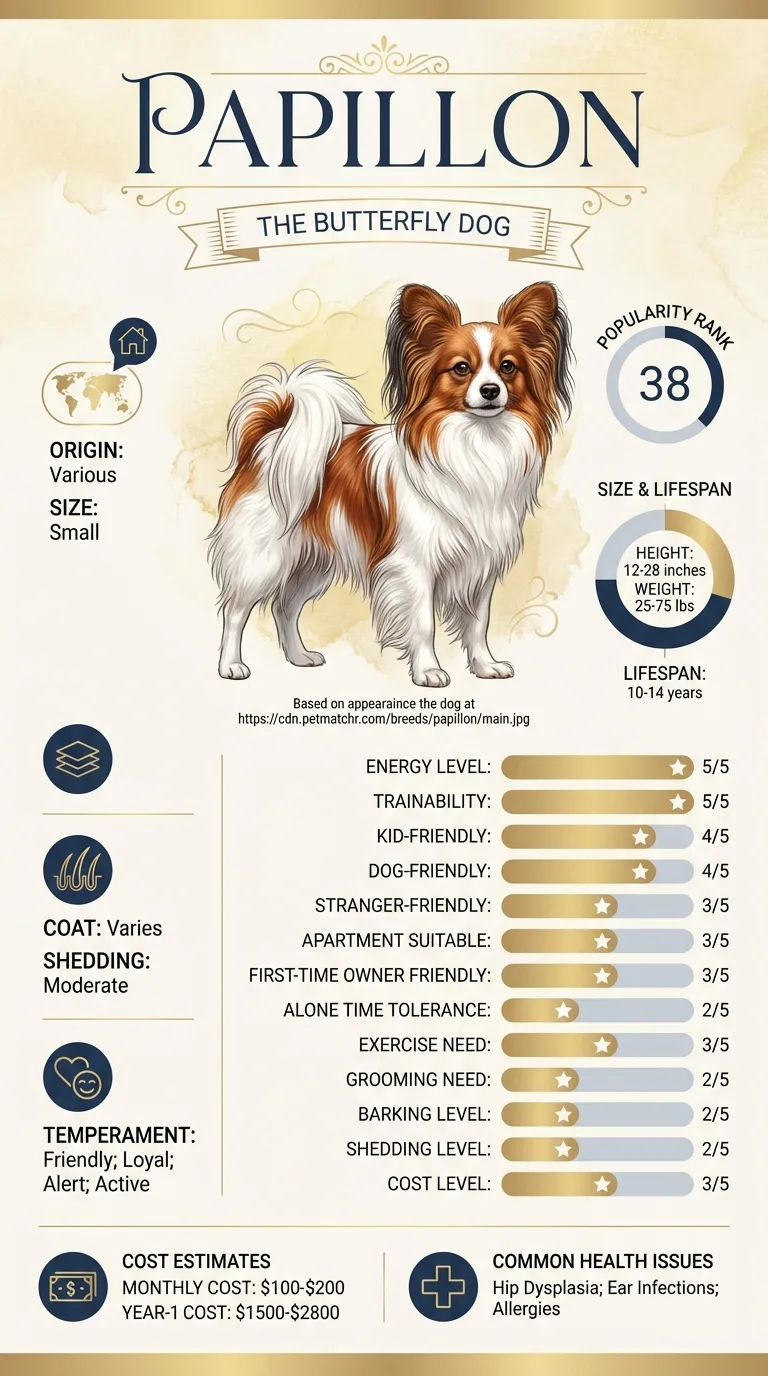
Owners of senior Papillons who have had one or more pancreatitis episodes and are now watching the water bowl empty faster, and those newly facing twice daily injections in a seven pound dog.
This guide is not medical advice. If your dog shows pain, sudden behavior change, or worsening symptoms, consult a licensed veterinarian.
Some links may be affiliate links. We may earn a commission at no extra cost to you. We only suggest products we believe are helpful for dog owners.
We research and check what we publish, but we do not warrant that any figure, date, price, or statement is accurate, complete, or current, and we accept no liability for any loss, cost, injury, or other harm arising from the use of this site. Use it as one reference among several. You remain responsible for your own decisions and for your dog's care - confirm anything that matters with a licensed veterinarian or another qualified professional before you act on it. Full disclaimer.
Pancreatitis and diabetes are linked through anatomy. The pancreas produces both digestive enzymes and insulin, so inflammation that scars the organ can destroy insulin producing cells alongside everything else. In an older Papillon with a history of pancreatic episodes, diabetes can arrive without any of the usual warning signals, and its first visible consequence is often not blood sugar at all but a pair of rapidly clouding lenses.
Diabetes is diagnosed regularly in older dogs and is not breed specific to the Papillon. The subset arising from pancreatic damage is a minority of cases but a clinically important one, because it explains why some dogs develop the disease without being overweight and why glucose control can be unstable when pancreatic inflammation flares.
There is no documented Papillon predisposition to either condition. What the breed brings is longevity. At an expected fourteen to sixteen years, a Papillon spends more time in the age band where senior endocrine disease appears than most dogs do, so a higher share of the population reaches diagnosis. Its small size then complicates management, because insulin dosing in a five to ten pound patient leaves very little margin and demands precise technique.
Diet remains the lever that matters. A household that returns to fatty scraps after a first pancreatitis episode is creating the conditions for the repeat inflammation that drives cumulative damage. Once diabetes is established, environment shifts to routine: consistent meal times, consistent food, consistent injection times, and a household organised enough to deliver all three twice a day for years.
Book promptly for increased drinking or urinating, weight loss despite a good appetite, or new cloudiness in the eyes. Treat weakness, wobbling, disorientation, collapse or a seizure as an immediate emergency, following your vet's low blood sugar instructions and phoning at once. Also go immediately for a diabetic dog that becomes profoundly lethargic with vomiting, laboured breathing or a sweet smelling breath, and for a return of vomiting with a hunched painful abdomen, which suggests pancreatic inflammation has flared again.
See all Papillon health problems, which breeds are prone to pancreatitis diabetes, or the full Papillon breed guide for temperament, exercise needs and ownership costs.
Expect four to twelve weeks to reach reasonably stable glucose control after starting insulin, with dose adjustments and monitoring along the way. Cataracts, if they develop, often appear within the first year. With both conditions managed, a Papillon diagnosed at eleven can reasonably have good years ahead in a breed that reaches fourteen to sixteen.
Success is a dog at a stable weight, drinking a normal amount, with no further pancreatic episodes, on a routine the household runs without thinking about it, and with any lens changes picked up early enough that an ophthalmologist could be consulted while surgery was still an option.
Acute pancreatitis damages tissue. When the episode resolves, some of that tissue heals and some is replaced by fibrous scar. A single episode usually leaves enough functioning pancreas that nothing changes. Repeated episodes, or a chronic low grade inflammation that smoulders for months, remove tissue cumulatively.
The insulin producing clusters are embedded within the organ, so they are destroyed alongside everything else. Once enough are gone, the body cannot move glucose out of the blood, sugar accumulates, and the dog becomes diabetic. The mechanism is destruction rather than resistance, which distinguishes it from the pattern seen in overweight cats or in people with the common adult form of the disease.
The practical consequences follow directly. A dog whose diabetes stems from a damaged pancreas will not be managed back to normal by weight loss, because weight was never the problem. It requires insulin. And it needs both conditions managed simultaneously, since a further bout of pancreatitis will destabilise blood glucose badly, while poorly controlled diabetes makes complications more likely.
The signs of diabetes arriving are ordinary and easy to attribute to age: drinking more, urinating more, an increased appetite paired with weight loss, and a general dullness. In a Papillon of twelve or thirteen, every one of those can be waved away as getting old, which is exactly why it is worth naming them.

Owners are usually warned about blood sugar and rarely about eyes. In dogs the lens complication is the one that arrives soonest and changes daily life most.
If you think your Papillon has pancreatitis & diabetes, the plan is three steps: write down what you have seen and when it started, book a veterinary appointment rather than waiting for the next flare, and take video of the behaviour or symptom before you go — the thing you are worried about rarely happens in the consulting room. Screening in the parents covers patellar luxation, progressive retinal atrophy, dental disease.
What the vet visit should produce is a diagnosis and a written plan, not just reassurance: what is being ruled out, what the monitoring interval is, and which signs mean you come back sooner. Ask what the treatment costs across a year rather than per visit, because that is the number that decides whether you are managing this condition or reacting to it.
Between appointments, keep a short log — dates, what you saw, what changed. It is the single most useful thing an owner brings to a follow-up, and for pancreatitis & diabetes it is often what separates a clear pattern from a guess.
Aurelio had two pancreatitis episodes at nine and ten, both after unsupervised access to a bin. He recovered fully from each. At twelve his owner Renata noticed he was emptying his water bowl twice a day and had lost weight despite an enormous appetite. Bloodwork showed markedly raised glucose. Aurelio started insulin, and Renata learned to draw up doses that looked, in her words, like almost nothing in the syringe. Within six weeks his thirst had normalised and his weight was climbing back. What she had not expected was the eyes. A month after diagnosis Aurelio began hesitating on the stairs. Within a fortnight both lenses were visibly white. He was assessed by an ophthalmologist, and because his glucose was stable he was a candidate for surgery. He got useful vision back and lived to just past fifteen.
Key takeaway: In a dog whose diabetes came from a scarred pancreas, the blood sugar is the thing you manage and the lenses are the thing that surprises you. Photograph the eyes at diagnosis and keep the low fat diet permanent, because preventing the next flare protects what is left.
No, and most do not. A single uncomplicated episode typically leaves plenty of functioning pancreatic tissue. The risk rises with repeated episodes and with chronic ongoing inflammation, because the damage accumulates. Your vet may monitor blood glucose in a dog that has had significant or recurrent bouts.
With insulin, given by injection on a schedule your vet sets, alongside consistent feeding times and a consistent diet. The practical challenge in a five to ten pound Papillon is precision, because the doses involved are very small and the syringe type must match the insulin concentration exactly. Your veterinary team will train you on this specifically.
No. Diabetes in dogs is fundamentally a deficiency of insulin rather than a resistance to it, so the hormone has to be replaced. Diet is important for keeping the glucose curve steady and for supporting weight, but it is a supporting measure. Any source suggesting a dog can come off insulin through food alone should be treated with suspicion.
Through a combination of how the dog is doing at home, periodic blood glucose curves, and a longer term marker your vet may run. Continuous glucose monitors placed on the skin are increasingly used in dogs and reduce the stress of repeated sampling, which matters in a small breed. Home urine testing has a limited supporting role.
Two things. Blood sugar dropping too low produces weakness, wobbling, disorientation, collapse or seizures and needs immediate action and an immediate call to a vet. At the other end, a dog that becomes very unwell with vomiting, rapid breathing and profound lethargy may be in a metabolic crisis and needs emergency care. Your vet will give you a written plan for both.
Yes, and many do. A breed that lives fourteen to sixteen years often has real time left at diagnosis. It requires routine, twice daily commitment, an owner who does not travel spontaneously, and a willingness to learn injections. Owners who get through the first month generally report it becomes unremarkable.
Yes. Repeated or chronic inflammation destroys pancreatic tissue including the insulin producing cells, leaving the dog unable to regulate blood glucose.
Drinking and urinating more, eating more while losing weight, and low energy. In a senior dog these are easy to mistake for ordinary ageing.
Sometimes within days to weeks, and commonly within the first year after diagnosis. Both eyes are usually affected.
Insulin, syringes, a prescription diet and regular monitoring form a substantial ongoing addition to the breed's usual eighty to one hundred fifty dollars a month.
A one-page prep sheet for this condition: the signs, the questions to ask, what to get priced. Unlocks here.
You get: Vet visit prep sheet
No spam. One-click unsubscribe. See our privacy policy.
Preview page 1 before you decide.