Health
What is the praying position in a dog?
Chest and forelegs on the floor with the hindquarters raised, held far longer than a play bow. In a miserable, vomiting dog it suggests upper abdominal pain.

Quick answer
What is the praying position in a dog?
Chest and forelegs on the floor with the hindquarters raised, held far longer than a play bow. In a miserable, vomiting dog it suggests upper abdominal pain.
The classic case arrives thirty six hours after a holiday, and the classic cause is a piece of something delicious given by someone who loved the dog.
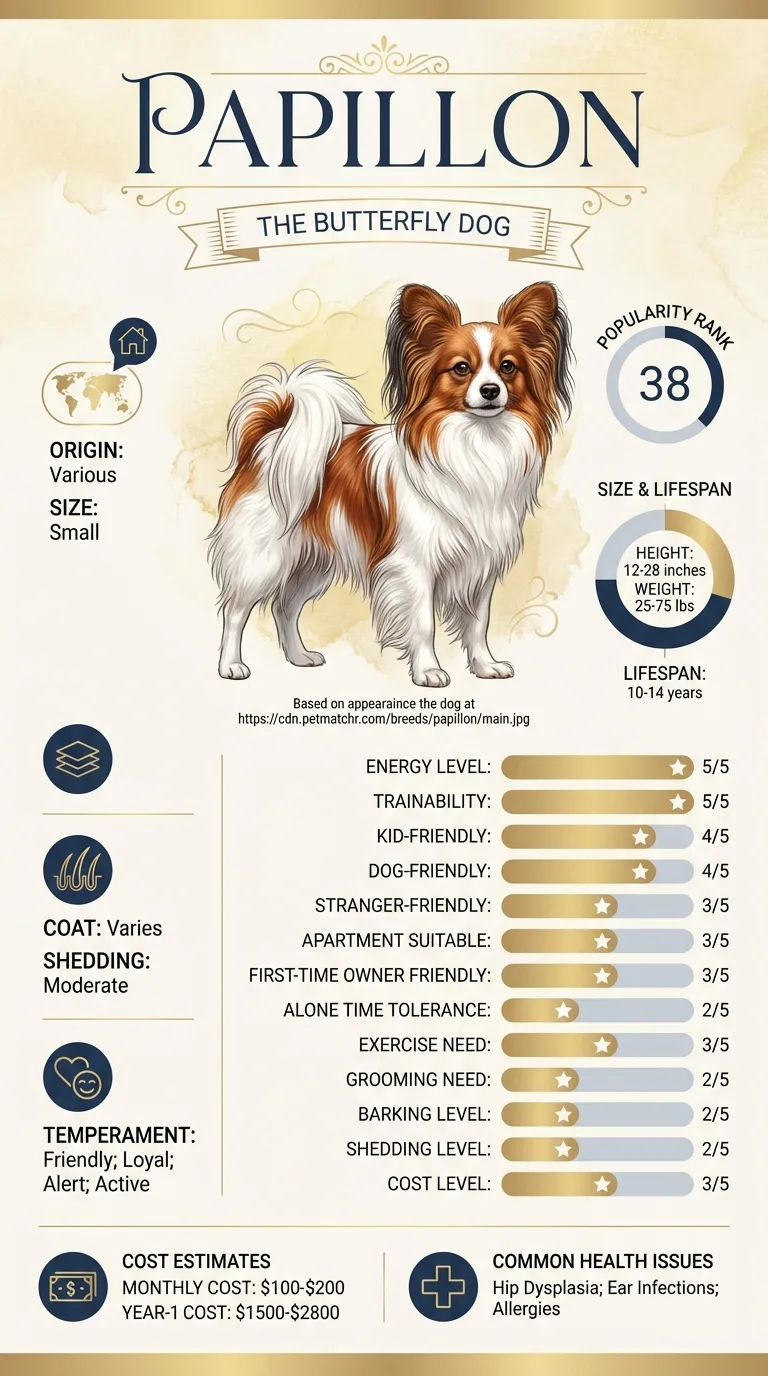
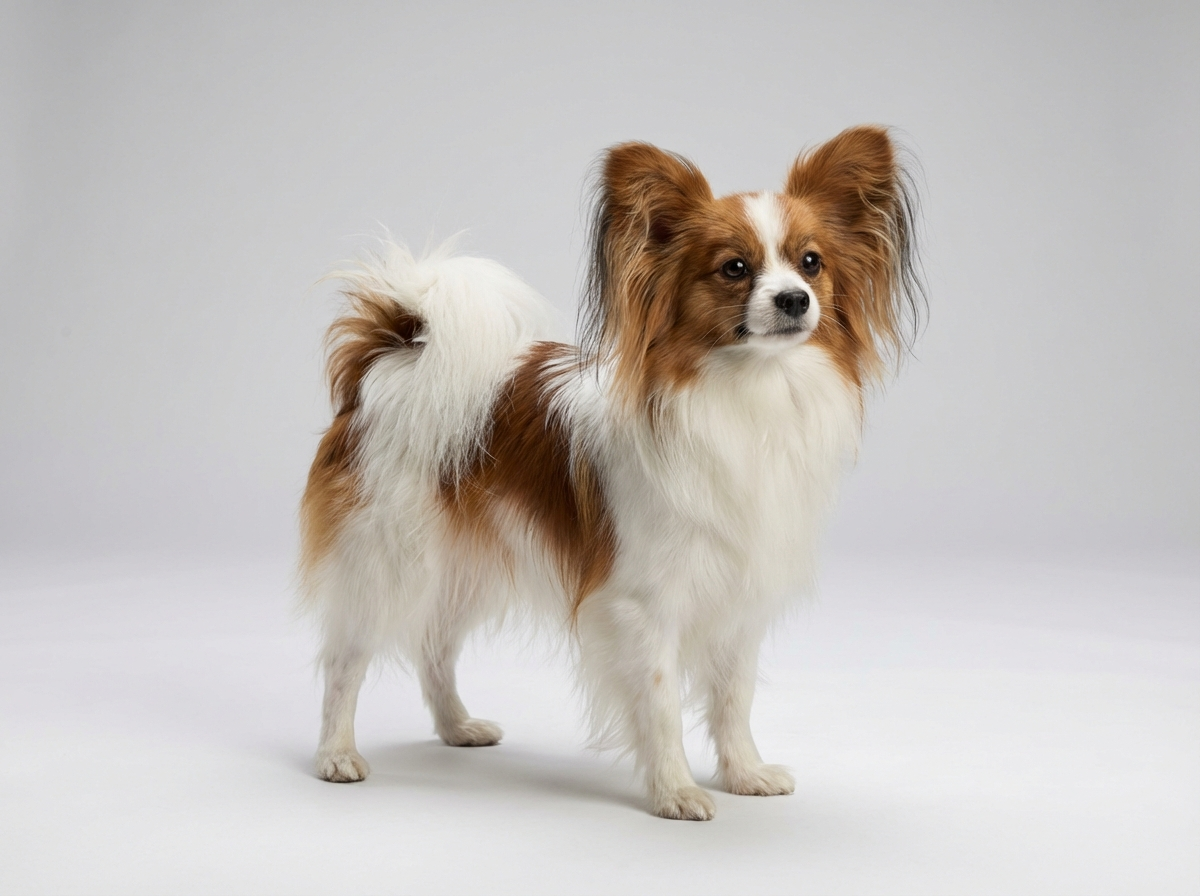
Owners whose Papillon has gone off food, is vomiting and will not settle, and those who have been through one episode and been told the dog is now a low fat dog for life.
This guide is not medical advice. If your dog shows pain, sudden behavior change, or worsening symptoms, consult a licensed veterinarian.
Some links may be affiliate links. We may earn a commission at no extra cost to you. We only suggest products we believe are helpful for dog owners.
We research and check what we publish, but we do not warrant that any figure, date, price, or statement is accurate, complete, or current, and we accept no liability for any loss, cost, injury, or other harm arising from the use of this site. Use it as one reference among several. You remain responsible for your own decisions and for your dog's care - confirm anything that matters with a licensed veterinarian or another qualified professional before you act on it. Full disclaimer.
Pancreatitis is inflammation of the pancreas caused by digestive enzymes activating within the organ instead of in the intestine. The result is severe upper abdominal pain, vomiting, refusal of food and rapid fluid loss. It is frequently triggered by a high fat meal, which is why cases cluster around holidays. In a five to ten pound dog the dehydration that accompanies it becomes serious faster than most owners anticipate.
Pancreatitis is a common emergency presentation in small animal practice and is not specific to any one breed, though some breeds are notably over represented. The Papillon is not among the classic high risk breeds. What makes it worth taking seriously here is body size: the supportive care a small dog needs becomes urgent sooner.
There is no documented Papillon predisposition to pancreatitis, and the breed's recognised issues lie in the kneecaps, eyes, teeth, skull and windpipe. What the breed contributes is vulnerability to the consequences. A five to ten pound animal has a small fluid reserve, so vomiting depletes it quickly, and a dog this size is also physically able to reach and empty a food container or a low bin that would not tempt a taller dog for long.
The environment is nearly the whole story. Households where the dog is fed from the table, where guests are not briefed, and where the kitchen bin has no lid create repeated opportunities for a fat load the pancreas cannot handle. Celebrations concentrate all three factors on the same day. After a first episode, the environment is also what determines whether there is a second, since a prescribed diet only works if everyone in the house honours it.
Go the same day for a Papillon that is vomiting repeatedly, refusing food, adopting a hunched or praying posture, or has a tense painful abdomen. Do not wait overnight, because in a dog this size dehydration develops fast and is itself part of the disease process. Go immediately if the dog is weak, collapsed, has pale or grey gums, has a distended abdomen, or is vomiting blood. Do not attempt to treat at home by withholding food and waiting, and do not give any human medication.
See all Papillon health problems, which breeds are prone to pancreatitis, or the full Papillon breed guide for temperament, exercise needs and ownership costs.
An uncomplicated episode typically means two to four days of hospitalisation and another week of careful feeding at home before the dog is fully itself. Severe cases can take considerably longer and carry real risk. The dietary change afterwards is usually permanent, and most owners find the first month of household discipline the hardest part.
Success is one episode and no second one: a dog back to its normal weight and energy, on a diet everyone in the household respects, with a bin that closes and a rule that guests actually follow.
The pancreas sits in the front part of the abdomen, and inflammation there produces a very specific kind of pain. Dogs frequently adopt a posture with the chest and forelegs down on the floor and the hindquarters raised, which looks like a play bow held far too long. It is often described as the praying position, and in a dog that is otherwise miserable and off its food it is a meaningful sign rather than an invitation to play.
Alongside it, expect repeated vomiting, complete loss of appetite, a tense abdomen the dog does not want touched, restlessness that never resolves into comfortable sleep, and sometimes diarrhoea.
The part that catches owners of small breeds out is how quickly fluid loss becomes serious. Total body water scales with size, so a five to ten pound Papillon losing fluid through repeated vomiting is losing a far larger proportion of its reserve per episode than a large dog would. A big dog can vomit several times and remain reasonably stable. A Papillon that has vomited repeatedly through a night can be significantly dehydrated by morning, and dehydration itself reduces blood flow to the inflamed pancreas, which worsens the underlying problem.
That is the argument for going in early rather than waiting to see whether it settles. Fluid therapy is the backbone of treatment, and in a dog this size it becomes necessary sooner than owner instinct suggests.

Not every case has an identified trigger, but where one exists it is usually recognisable and usually happened within the previous day or two.
If you think your Papillon has pancreatitis, the plan is three steps: write down what you have seen and when it started, book a veterinary appointment rather than waiting for the next flare, and take video of the behaviour or symptom before you go — the thing you are worried about rarely happens in the consulting room. Screening in the parents covers patellar luxation, progressive retinal atrophy, dental disease.
What the vet visit should produce is a diagnosis and a written plan, not just reassurance: what is being ruled out, what the monitoring interval is, and which signs mean you come back sooner. Ask what the treatment costs across a year rather than per visit, because that is the number that decides whether you are managing this condition or reacting to it.
Between appointments, keep a short log — dates, what you saw, what changed. It is the single most useful thing an owner brings to a follow-up, and for pancreatitis it is often what separates a clear pattern from a guess.
Solange hosted eleven people for a long Sunday lunch. Her Papillon Marcel worked the room with the confidence the breed is known for, and at least four separate people fed him something without mentioning it to anyone else. By Monday evening Marcel had vomited five times, would not eat, and kept lowering his chest to the floor with his back end in the air, then getting up again. Solange went in that night rather than waiting. He was dehydrated enough to need immediate fluids and spent three days in hospital. His pancreas specific bloodwork and ultrasound confirmed pancreatitis. He recovered fully and now eats a prescribed low fat diet. Solange's rule for gatherings since has been a single sentence said at the door, and Marcel spends lunches asleep in another room with a stuffed toy.
Key takeaway: The dog does not need one generous person, it needs eleven people who each think they are the only one. Brief the room, secure the bin, and go in the same evening rather than the next morning, because a small dog runs out of fluid reserve quickly.
Repeated vomiting, refusing food including things the dog normally loves, a hunched or praying posture, restlessness, and a belly that is tense or painful when touched. Some dogs also have diarrhoea and a fever. Because these overlap with many other abdominal problems, diagnosis involves bloodwork and often imaging rather than observation alone.
Through a combination of clinical signs, blood tests including a pancreas specific measurement, and abdominal ultrasound to look at the organ directly and rule out other causes such as obstruction. No single test is perfect, which is why vets weigh several sources of information together rather than relying on one number.
Supportive care is the mainstay: intravenous fluids to restore circulation, medication for pain and nausea prescribed by your vet, and careful reintroduction of a low fat diet, often sooner than owners expect since prolonged starvation is no longer recommended. Most uncomplicated cases are hospitalised for a few days. Severe cases can be life threatening and need intensive management.
Recurrence is a genuine risk, particularly if the dietary trigger returns. Many dogs move permanently onto a low fat diet after an episode and never have another. Some develop chronic low grade pancreatic inflammation with intermittent flare ups. Your vet will tell you which pattern your dog appears to have based on how the recovery goes.
Follow the specific diet your vet prescribes rather than choosing a food that looks lean on the packet, because fat content on labels is expressed in ways that are hard to compare. The harder part is the household rule: everyone must know that the dog gets nothing outside its diet, which is a social problem more than a nutritional one.
It can be. The pancreas also produces insulin, and repeated or severe inflammation can damage the cells that do so. Not every dog with pancreatitis becomes diabetic, and not every diabetic dog has had pancreatitis, but the connection is real enough that your vet may monitor blood glucose in a dog that has had significant episodes.
Chest and forelegs on the floor with the hindquarters raised, held far longer than a play bow. In a miserable, vomiting dog it suggests upper abdominal pain.
Yes. A single high fat scrap can trigger an episode, which is why emergency clinics see a surge after holidays and family gatherings.
Much faster than a large one, because total body water scales with size. A Papillon vomiting repeatedly overnight can be seriously dehydrated by morning.
Several days of fluids, medication and diagnostics is a significant unplanned bill against routine Papillon costs of eighty to one hundred fifty dollars a month.
A one-page prep sheet for this condition: the signs, the questions to ask, what to get priced. Unlocks here.
You get: Vet visit prep sheet
No spam. One-click unsubscribe. See our privacy policy.
Preview page 1 before you decide.