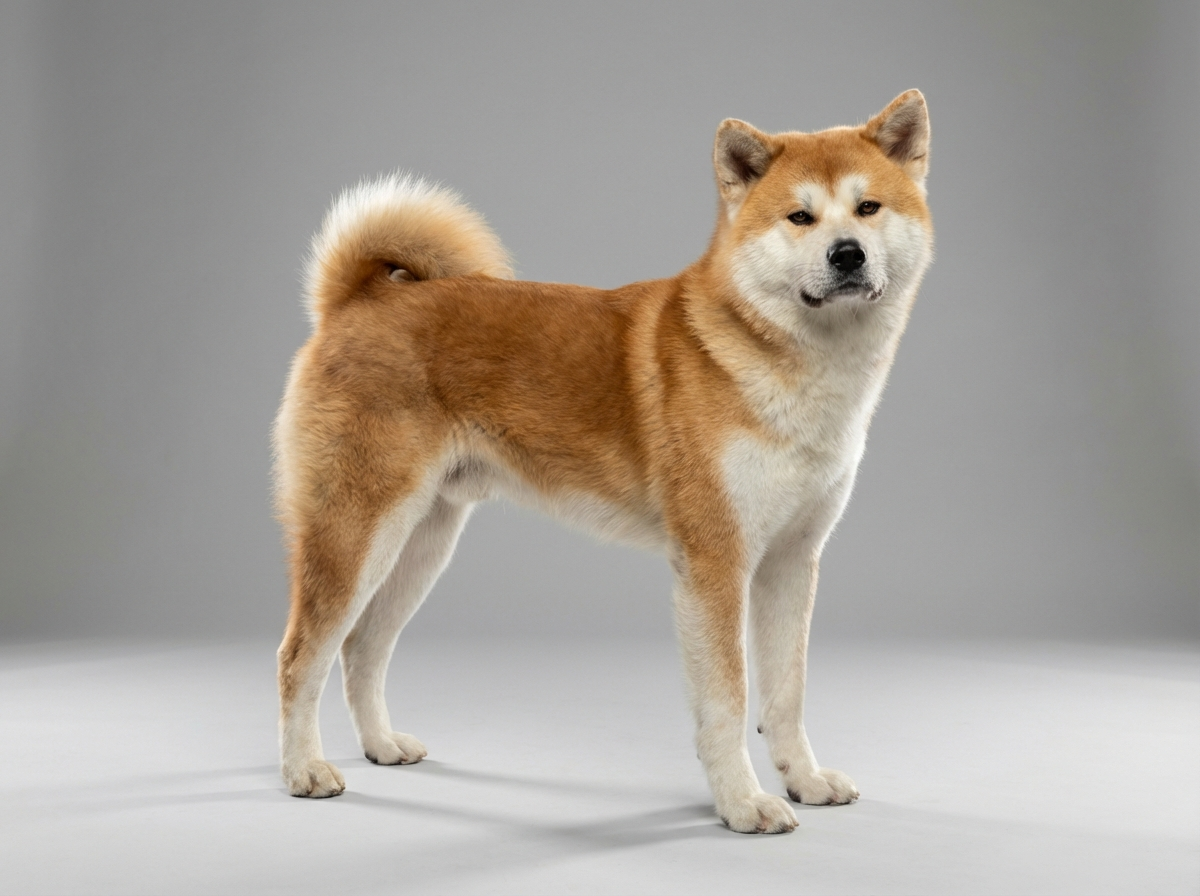
Health
Does the Akita need BOAS surgery like flat-faced breeds?
No — since it isn't brachycephalic, BOAS-specific surgical interventions aren't relevant to this breed.

Quick answer
Does the Akita need BOAS surgery like flat-faced breeds?
No — since it isn't brachycephalic, BOAS-specific surgical interventions aren't relevant to this breed.
Rather than managing airway obstruction the way a Bulldog owner would, an Akita owner's real respiratory-comfort job is managing heat and exercise intensity for a breed built with a heavy coat and a normal, functional muzzle.
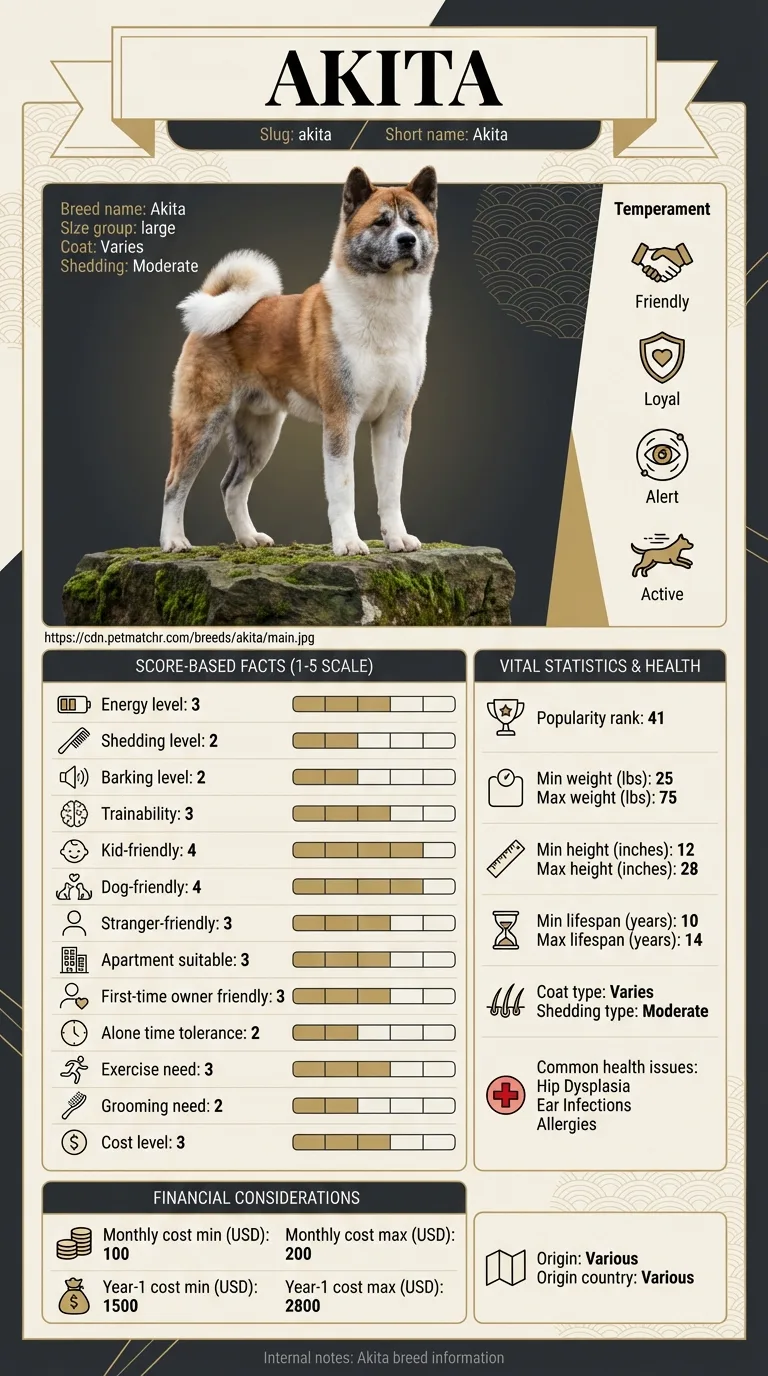
Owners wanting practical, day-to-day guidance for supporting their Akita's breathing comfort, particularly during exercise and warm weather, are the audience for this more action-oriented companion piece.
This guide is not medical advice. If your dog shows pain, sudden behavior change, or worsening symptoms, consult a licensed veterinarian.
Some links may be affiliate links. We may earn a commission at no extra cost to you. We only suggest products we believe are helpful for dog owners.
We research and check what we publish, but we do not warrant that any figure, date, price, or statement is accurate, complete, or current, and we accept no liability for any loss, cost, injury, or other harm arising from the use of this site. Use it as one reference among several. You remain responsible for your own decisions and for your dog's care - confirm anything that matters with a licensed veterinarian or another qualified professional before you act on it. Full disclaimer.
Check this first
Collapse, disorientation, extremely rapid or labored breathing that doesn't improve with rest and cooling, or blue-tinged or bright red gums during or after exercise in warm weather are signs of heat-related emergency and need immediate veterinary care. This is a genuine, breed-relevant emergency for the Akita, distinct from — but sometimes mistaken for — airway obstruction.
Heavy panting that gradually eases within 10 to 15 minutes of shade, rest, and water after exercise is the normal, expected pattern and not a cause for concern on its own.
The distinguishing factor is whether cooling and rest resolve the distress within a reasonable time. If it doesn't, or if your dog seems disoriented, wobbly, or collapses, treat it as a heat emergency and seek care immediately rather than continuing to wait it out.
If any of these apply, call your vet or an emergency clinic now. The rest of this page is for the cases that are not an emergency.
Since true Brachycephalic Obstructive Airway Syndrome doesn't apply to the Akita's moderate, proportionate muzzle, the practical, day-to-day version of supporting this breed's breathing comfort centers on heat and exercise management rather than airway-specific interventions. Timing activity around temperature, maintaining the coat well, and recognizing heat-related distress are the real, actionable steps for this breed.
Heat-related breathing distress during or after exercise is a realistic, recurring concern for this breed given its dense double coat, making it a far more relevant everyday management issue for Akita owners than airway-obstruction management ever would be.
The Akita's dense double coat, developed for the cold, snowy climate of its native mountainous Japan, retains heat effectively but sheds it poorly, which is the real driver behind this breed's exercise and heat-related breathing comfort needs. This is a coat-and-thermoregulation mechanism entirely separate from muzzle conformation.
Ambient temperature and humidity are the dominant environmental factors, along with exercise intensity and timing. A well-maintained coat that isn't matted also plays a meaningful supporting role in how effectively a dog can regulate its body temperature during and after activity.
Seek emergency care for collapse, disorientation, or labored breathing that doesn't improve with rest and cooling. Schedule a routine visit if you notice a pattern of unusually heavy panting or reduced exercise tolerance even in cooler weather.
Applying brachycephalic-specific management advice to this breed misses what actually helps. Avoid these mistakes.
See all Akita health problems, which breeds are prone to brachycephalic obstructive airway syndrome boas, or the full Akita breed guide for temperament, exercise needs and ownership costs.
Normal exercise-related panting resolves within about 10 to 15 minutes of rest, shade, and water. Heat-related distress, once addressed with active cooling, often improves within a similar short window, though a genuine heat emergency requires veterinary treatment and a longer recovery.
Success is a dog that exercises comfortably within appropriately timed and intensity-adjusted activity, cools down normally afterward, and shows no signs of heat-related distress during typical outdoor activity.
Noor's Akita, Fuji, seemed to struggle more than usual on afternoon summer walks in Fresno, panting heavily and slowing down noticeably. Rather than assuming an airway problem, Noor's vet confirmed Fuji's issue was heat-related, tied to his dense coat. Noor shifted their walks to early morning and evening, added a cooling mat for rest breaks, and kept up with regular brushing to reduce coat matting. Fuji's panting and energy during walks improved significantly once the timing and coat maintenance changes were in place.
Key takeaway: For an Akita, adjusting exercise timing and coat care addresses the real, breed-relevant breathing comfort issue far more effectively than any airway-focused intervention would.
No — since the Akita isn't brachycephalic, the surgical and medical interventions developed for true BOAS in flat-faced breeds aren't relevant to this breed's respiratory comfort needs.
Focus on timing exercise for cooler parts of the day, providing shade and water breaks, and watching for heavy panting that doesn't ease with rest — these address the breed's real heat-tolerance limitation.
Yes, indirectly — a well-maintained, properly brushed double coat manages heat more effectively than a matted one, which traps additional heat against the skin and can worsen heat-related breathing distress.
There's no single universal number, but combined high heat and humidity call for shorter, lower-intensity activity, ideally in early morning or evening rather than midday.
No — panting that eases within about 10 to 15 minutes with rest, shade, and water is the normal cooling process; panting that doesn't ease is the concerning pattern.
Specific gear isn't required, though cooling mats or vests can help in extreme heat; well-maintained coat, access to shade and water, and sensible exercise timing accomplish most of what's needed.
Yes — senior dogs, especially those with any diagnosed cardiac or laryngeal condition, may need shorter, gentler exercise and closer monitoring for breathing changes during activity.
No — since it isn't brachycephalic, BOAS-specific surgical interventions aren't relevant to this breed.
Early morning or evening, avoiding the hottest midday hours.
Yes — a well-maintained coat manages heat more effectively than a matted one.
No — panting that eases with rest and water within about 10 to 15 minutes is normal.
Panting that doesn't ease, disorientation, or wobbliness during or after exercise.
A one-page prep sheet for this condition: the signs, the questions to ask, what to get priced. Unlocks here.
You get: Vet visit prep sheet
No spam. One-click unsubscribe. See our privacy policy.
Preview page 1 before you decide.