DogBreedCompass
← Back to breed profile

Sudden Allergic Reactions in Papillons: Reading the First Thirty Minutes

Quick answer

What is the fastest sign a Papillon reaction is serious?

Gum colour. Lift the lip and press: healthy gums are pink and refill in under two seconds. Pale, white or grey gums with slow refill mean circulation is failing and the dog needs a vet now.

The venom in one wasp sting does not shrink to match your dog. A Papillon absorbs the same insult a Labrador does, spread across roughly one tenth of the body.

Sudden Allergic Reactions in Papillons: Reading the First Thirty Minutes infographic

Owners just back from a garden afternoon or a puppy shot appointment, staring at a muzzle that looks puffier than it did an hour ago, and anyone whose Papillon has reacted once already and wants a plan instead of panic.

Important reminder

This guide is not medical advice. If your dog shows pain, sudden behavior change, or worsening symptoms, consult a licensed veterinarian.

Some links may be affiliate links. We may earn a commission at no extra cost to you. We only suggest products we believe are helpful for dog owners.

What this problem looks like

An acute allergic reaction is the immune system overshooting at something stung, injected or swallowed. In a Papillon it appears as sudden swelling around the eyes and muzzle, raised hives through the silky coat, sometimes vomiting, and at worst a fall in blood pressure that reads as weakness and pale gums. The whole event usually unfolds inside two hours.

Common triggers

  • Bee, wasp and hornet stings, especially on the muzzle or a front paw
  • Vaccinations, where the standard vial volume is not reduced for a ten pound dog
  • Oral or injected medications the dog has never had before
  • A novel protein eaten for the first time, including treats handed over by visitors
  • Topical flea products or shampoos applied to a single coat with little barrier

Severe reactions are uncommon in any breed and most Papillon owners never see one. Mild ones are far more familiar: a lopsided face after a garden encounter, or a quiet, off-colour evening after boosters. What makes this worth reading is not frequency but speed, because every useful decision happens in the first hour.

Why this happens

Breed factors

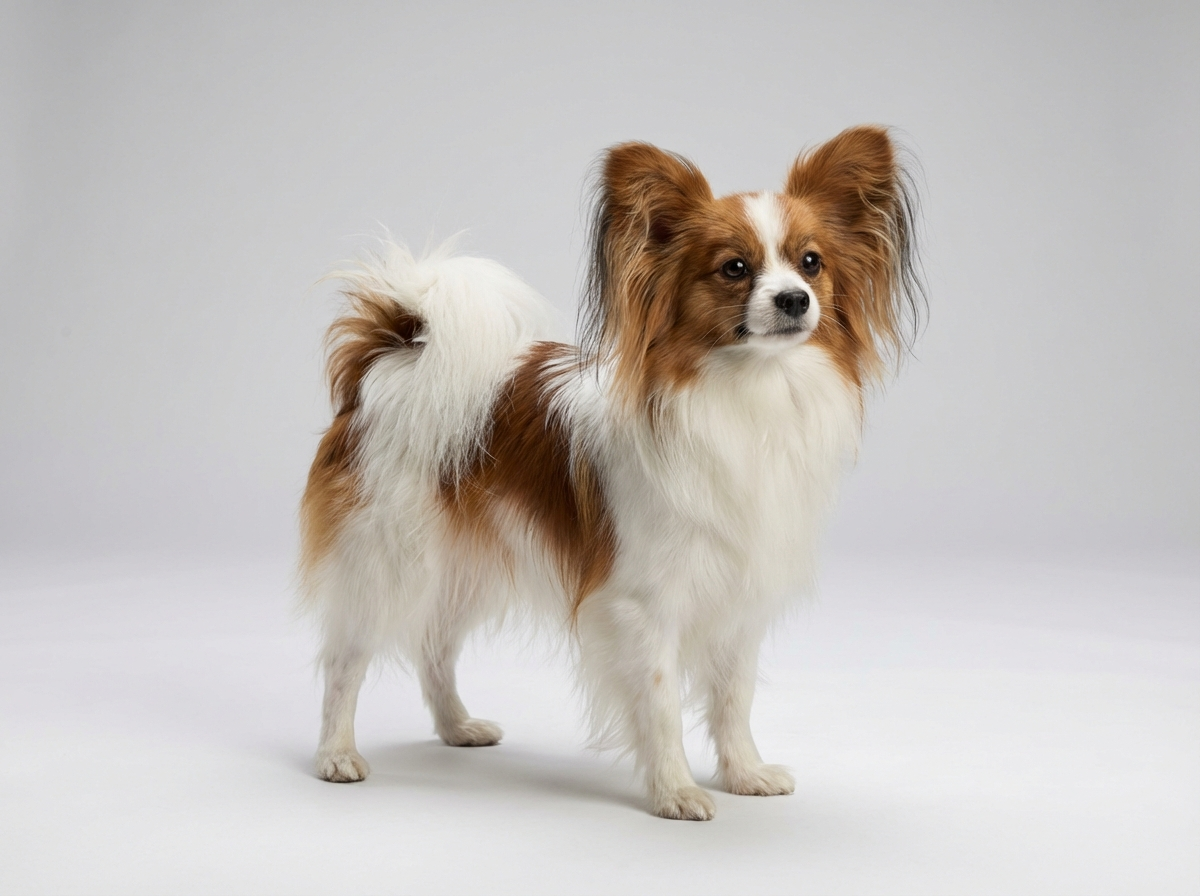
Nothing in the Papillon's documented health picture makes its immune system unusually trigger-happy. The breed risk is arithmetic. An adult stands eight to eleven inches and weighs five to ten pounds, so total blood volume is a fraction of a cup and the larynx is correspondingly narrow. A dose of venom that a large dog dilutes stays concentrated here. The long, fine muzzle at least means facial swelling shows early, which is genuinely useful.

Environment factors

Most reactions trace to one specific outing or appointment. Flowering lawns and late-summer ivy put stinging insects at nose height for a dog standing under a foot tall, and an alert, quick-witted Papillon snaps at moving insects rather than ignoring them. Vet visits cluster reactions simply because that is where injections happen, and holidays bring visitors offering unfamiliar food.

What you can do at home (once it is not an emergency)

When to talk to your vet

Treat these as go-now rather than wait-and-see: swelling of the throat, tongue or inside the mouth; noisy, laboured or open-mouthed breathing at rest; pale, white or grey gums; vomiting or diarrhea starting within an hour of a sting, shot or new drug; wobbling, weakness or collapse. Anaphylaxis is a genuine emergency. Milder cases still deserve a same-day call: facial swelling that keeps expanding, hives spreading over the body, or persistent distress after an exposure.

At home, alongside your vet's plan

  • Write your dog's current weight on a card by the door. Every emergency decision for a toy dog starts from that number, and guessing wastes minutes.
  • After any vaccination or new medication, stay within arm's reach for two hours rather than leaving the house.
  • Learn gum colour and capillary refill on a calm dog, so the check is familiar before you need it on a frightened one.
  • Mow and disturb flowering ground cover before your Papillon goes into the garden, not while it is out there.
  • Introduce one new food or treat at a time with two clear days between, so a reaction can actually be traced.

See all Papillon health problems, which breeds are prone to allergic reactions, or the full Papillon breed guide for temperament, exercise needs and ownership costs.

What to expect, and how you know it is working

Mild hives and puffiness treated promptly usually settle within twelve to twenty-four hours, though the skin can stay lumpy a second day. A dog treated for anaphylaxis typically needs a day or two of hospital monitoring and a week of quiet at home. Identifying the exact trigger, when it can be identified at all, often takes months of record-keeping.

Not a dog that never reacts. Success is a household where the trigger is known and avoided where possible, the reaction is written at the top of the veterinary file, the emergency number is legible at two in the morning, and you can tell a lump that waits until Monday from a face that needs a car journey now.

The four levels a reaction can reach

Acute reactions sit on a ladder, and knowing which rung your dog is on decides what you do next.

Level one is local: a single warm lump where a wasp made contact, with nothing else changing. Level two is hives, firm bumps that raise the coat in patches across the ribs and neck, often with eyelids and lip margins puffing. A Papillon's silky single coat parts easily, so hives show earlier here than on a dense double-coated dog.

Level three brings in the gut. Vomiting, sudden diarrhea or heavy drooling within an hour of exposure means the reaction has gone systemic rather than staying in the skin. Level four is anaphylaxis: pale or grey gums, cold paws, laboured breathing, wobbling, collapse. The dog's liver is a major shock organ, so a crashing dog often looks sleepy and quiet rather than distressed, which is exactly why owners underestimate it.

Sudden Allergic Reactions in Papillons - The four levels a reaction can reach

What to do in the first hour

Time your dog rather than trusting your memory of it. Note the clock at the first change, then photograph the affected area. Swelling that has visibly advanced across two photographs ten minutes apart is still progressing, and progressing swelling near the muzzle or throat is the version that closes an airway.

Ring a clinic while you are watching, not afterwards. Describe the exposure, the timing and the signs; a receptionist can triage a puffy-faced toy dog straight into a treatment room. Do not improvise a human antihistamine from the cupboard. Those tablets are sized for bodies ten to twenty times heavier, and many combination allergy products contain decongestants that are dangerous to a ten pound dog.

Keep your Papillon still and cool. Carrying it rather than letting it trot about slows circulation of whatever it reacted to. If a stinger is visible, scrape it sideways with a card edge instead of pinching, which empties the remaining venom sac.

Ines and the wasp on the lavender

Ines had owned her seven pound Papillon, Tobi, for four years without a single drama. One August afternoon he leapt at something near the lavender, yelped, and carried on as normal. Twenty minutes later his left eye looked half shut. She photographed his face, waited ten minutes, photographed it again, and could see the swelling had crossed the bridge of his nose. She rang the practice, described both pictures and the timing of the yelp, and was told to come straight in. On arrival his gums were still good pink and his breathing quiet, which the vet said was the reassuring part. Tobi was treated, watched for three hours, and was back to normal by the next evening.

Key takeaway: The two photographs made the difference. One glance at a swollen face tells you almost nothing; the same face ten minutes later tells you whether the reaction has stopped or is still moving.

Frequently asked questions

How quickly does an allergic reaction show up in a Papillon?

Stings and injections usually declare themselves within five to thirty minutes. Reactions to something swallowed, such as a new food or an oral drug, can take one to a few hours. Anything appearing more than half a day later is more likely ordinary itching.

Is facial swelling on its own an emergency?

A puffy muzzle can occasionally be watched briefly, but only while breathing, gum colour and alertness stay completely normal. Because the airway of a five to ten pound dog is narrow to begin with, swelling that is still growing after twenty minutes should not be watched at home.

Can a Papillon react to a routine vaccination?

It happens across all breeds, and toy dogs appear often in reaction reports largely because the vaccine volume is not scaled down for body weight. Most reactions are mild facial puffiness or lethargy. Waiting twenty minutes in the car park after a shot is a sensible precaution.

What if my Papillon is stung on the mouth or tongue?

Treat that as an emergency and drive in. Swelling at the back of the throat has nowhere to expand except into an airway that is already close to the diameter of a drinking straw in this breed.

My dog reacted once. Will it happen again?

A previous reaction raises the odds that the next exposure produces something similar or worse, because the immune system is now primed. Tell every vet and boarding kennel, and ask for it to be flagged at the top of the clinical record.

Are Papillons unusually prone to anaphylaxis?

There is no good evidence the breed itself is more reactive. What differs is the margin. A five pound dog has very little circulating volume to lose before blood pressure falls, so a reaction a large dog shrugs off becomes a crisis here.

Quick answers

View more answers
Health

What is the fastest sign a Papillon reaction is serious?

Gum colour. Lift the lip and press: healthy gums are pink and refill in under two seconds. Pale, white or grey gums with slow refill mean circulation is failing and the dog needs a vet now.

Health

Can I give my Papillon a human antihistamine?

Not without your vet naming the product and the amount. Human tablets are sized for adults, and combination allergy or cold products often include ingredients toxic to a small dog.

Costs

What does treating an acute reaction cost?

A daytime visit for hives and an injection often lands in the low hundreds. An after-hours anaphylaxis case with fluids and overnight monitoring runs into four figures, well beyond this breed's modest routine budget.

Living

Should I keep my Papillon out of the garden after a sting?

No, but change the timing. Walk before mid-morning or after dusk while clover and ivy are flowering, and mow before the dog goes out rather than while it is out there.

Training

Can training reduce sting risk?

Partly. Papillons sit at the top of the trainability range, and a reliable leave-it cue will interrupt a dog that has started snapping at a hovering wasp.

Related DogBreedCompass guides

  • Papillon allergies and long-term itchingChronic itching has a different mechanism and a different management plan than an acute reaction.
  • anaesthesia sensitivity in PapillonsReaction risk is part of why drug and anaesthetic dosing is delicate in this breed.
  • what a Papillon actually costs to keepEmergency visits are the largest single line in an unplanned toy-breed budget.
  • Papillon exercise intolerance and airway noiseAirway narrowing is what makes throat swelling dangerous in a dog this size.
  • the full Papillon breed profileThe breed's size, coat and documented health list put reaction risk in context.

Bring the right questions to the vet

A one-page prep sheet for this condition: the signs, the questions to ask, what to get priced. Unlocks here.

You get: Vet visit prep sheet

No spam. One-click unsubscribe. See our privacy policy.

Preview page 1 before you decide.

Related guides