Health
Where do allergic dogs itch most?
Paws, face, ears, armpits and groin. Paw licking is often the first sign owners notice.

Quick answer
Where do allergic dogs itch most?
Paws, face, ears, armpits and groin. Paw licking is often the first sign owners notice.
The itch is not the disease. The itch is the symptom of a skin barrier that leaks, and the scratching that follows is what turns an irritation into an infection.
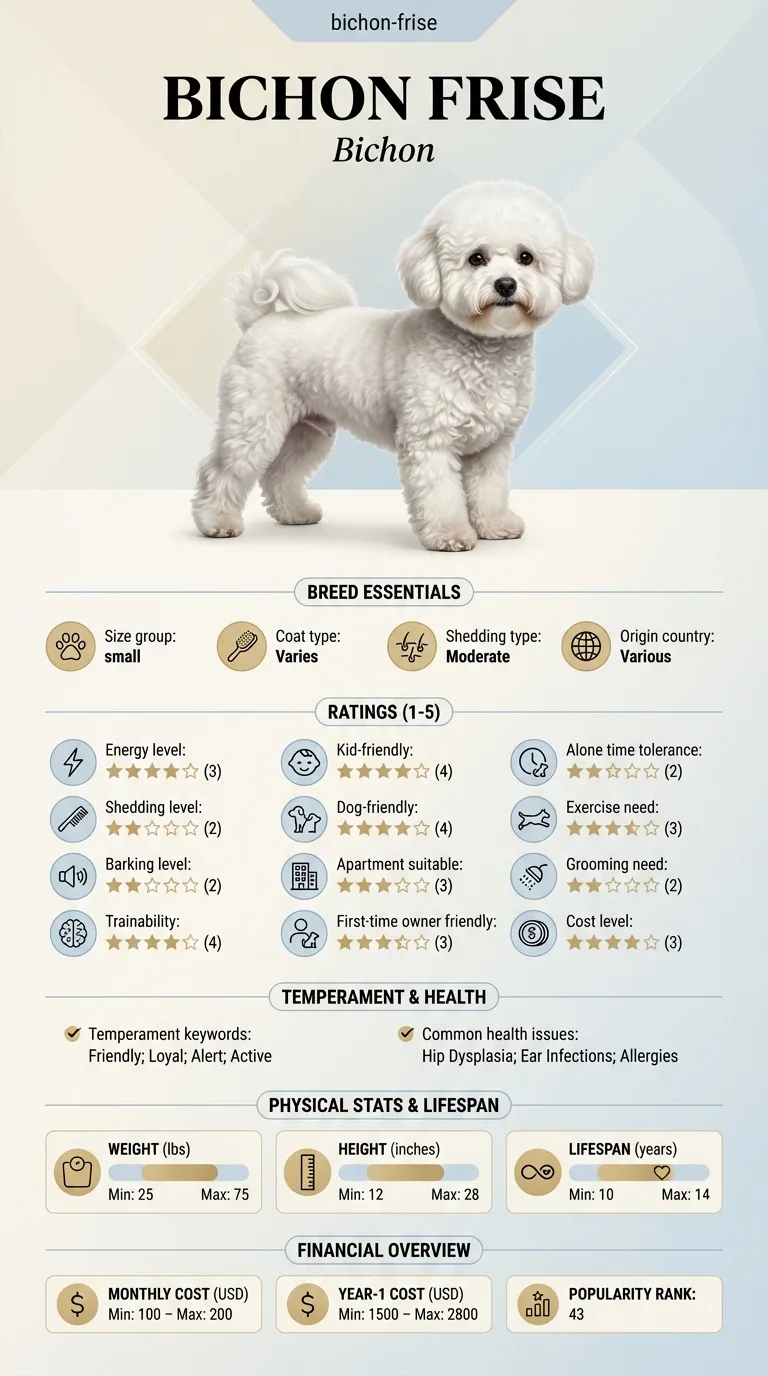
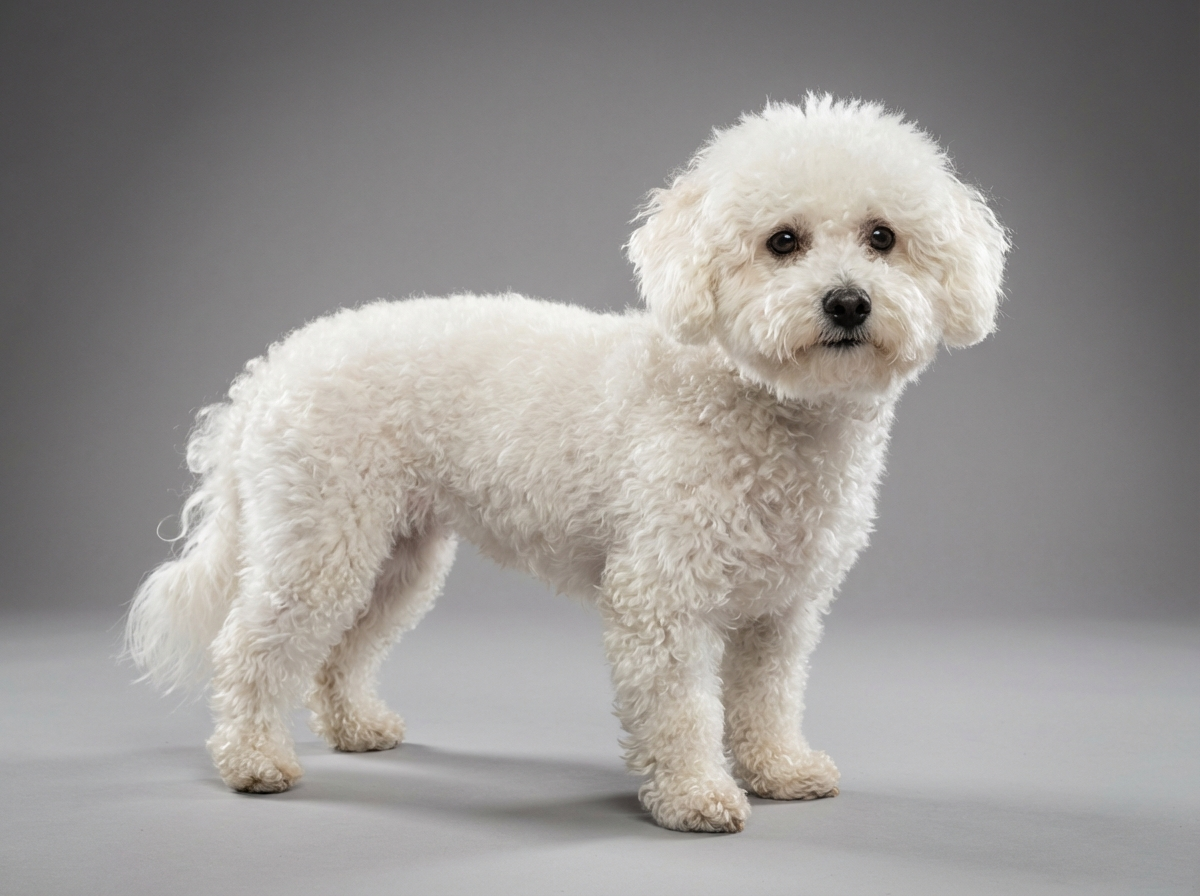
Owners on their third round of medicated shampoo wondering why it keeps coming back, and owners of a young Bichon who has started licking its paws and want to intervene before this becomes the shape of the next decade.
This guide is not medical advice. If your dog shows pain, sudden behavior change, or worsening symptoms, consult a licensed veterinarian.
Some links may be affiliate links. We may earn a commission at no extra cost to you. We only suggest products we believe are helpful for dog owners.
We research and check what we publish, but we do not warrant that any figure, date, price, or statement is accurate, complete, or current, and we accept no liability for any loss, cost, injury, or other harm arising from the use of this site. Use it as one reference among several. You remain responsible for your own decisions and for your dog's care - confirm anything that matters with a licensed veterinarian or another qualified professional before you act on it. Full disclaimer.
Allergic skin disease is the Bichon Frise's leading documented health concern. It arises from a defective skin barrier that admits environmental allergens, producing inflammation, itch, self-trauma and secondary infection in a self-sustaining cycle. It typically begins in young adulthood and continues for life, which in a breed living 14 to 15 years means a long management relationship rather than a short course of treatment.
Allergic skin disease is one of the most common reasons dogs are seen in general practice overall, and it is listed first among this breed's health concerns. Onset most often falls between about six months and three years. A Bichon reaching four with no skin history is less likely, though not certain, to develop it later.
The breed carries a documented predisposition to skin allergy, which reflects inherited differences in immune response and in how well the skin barrier holds together. The coat then compounds it: a curly dense double coat with very low shedding retains allergens against the skin, holds moisture after washing, and conceals early inflammation from view. High grooming need, rated five out of five, is partly a consequence of this coat type, and skipped grooming translates fairly directly into skin problems.
Seasonal pollen loads drive the classic pattern of a dog that itches from spring to autumn and settles in winter, at least in the early years. Household dust mites produce year-round itch. Flea exposure is the single most important thing to exclude, since a sensitised dog reacts violently to very few bites. Bathing practice matters enormously: a dog left damp in a dense coat after a wash is being set up for the infection that follows.
Book promptly for skin that is red, moist, weeping or smelly, for hair loss, for sores the dog has created, or for an itch that has stopped responding to your usual routine. Ear discharge, head shaking or an ear that has become painful to touch also needs attention rather than another home clean. Seek same-day care for facial swelling, hives appearing rapidly, or any difficulty breathing, which indicate an acute allergic reaction rather than chronic skin disease. Never apply human creams or steroid preparations without veterinary advice.
See all Bichon Frise health problems, which breeds are prone to skin allergies, or the full Bichon Frise breed guide for temperament, exercise needs and ownership costs.
A secondary infection usually clears within two to four weeks of appropriate treatment. Getting the underlying allergy under control takes longer, often several months of adjustment, and a food trial alone requires a strict period of eight to twelve weeks. Expect the plan to be revisited seasonally rather than set once.
A dog that scratches occasionally rather than constantly, skin without redness or odour, no active infection, intact coat, and a household that recognises a flare early and acts on it. Success is a good year with two manageable flares, not a permanently itch-free dog.
Allergic skin disease in dogs is best understood as a barrier problem rather than a reaction problem. Healthy skin is a sealed layer that keeps allergens out and moisture in. In an allergic dog that seal is defective, so environmental proteins reach the immune cells beneath and provoke inflammation.
Inflammation causes itch. Itch causes scratching, licking and rubbing. That mechanical trauma damages the barrier further, letting more allergen through and creating openings for the bacteria and yeast that already live on the skin. Those organisms multiply in the damaged warm environment and cause a secondary infection, which itself is intensely itchy.
By the time most owners present a dog, they are looking at all three layers at once: the underlying allergy, the self-trauma, and the secondary infection. Treatment addresses them separately. Clearing the infection makes an immediate visible difference, which is why owners often believe the problem is solved and then find it back within weeks. The infection was the visible layer, not the cause.
The distribution is characteristic and worth recognising. Allergic dogs itch at the paws, the face, the ears, the armpits and the groin, which are the thin-skinned areas in contact with the environment.

A curly dense double coat that sheds almost nothing creates specific practical problems for an allergic dog.
Casper had been treated three times in eighteen months for skin infection. Each course cleared it, his owner Marion was relieved, and within about six weeks he was scratching again. On the fourth visit a different vet asked when the itching had first started and where. Marion realised it had begun each spring, always at the paws and face first, and that the infections had followed the itching rather than causing it. They started an allergy management plan with year-round flea control, a bathing schedule with proper drying, and medication through the pollen season. Casper still flares in May. He has not had an infection in two years.
Key takeaway: Repeated infection is a clue, not a diagnosis. If the same treatment keeps working and the problem keeps returning, the question to ask is what is underneath it.
Yes, prominently. Skin allergies head the breed's documented list of common health issues. If you are choosing this breed, budgeting time and money for skin management is realistic planning rather than pessimism.
Only a properly conducted elimination diet trial can answer that, run for the full period your vet specifies with absolutely nothing else passing the dog's lips. Environmental allergy is more common and often seasonal at first, while food-related itch tends to be non-seasonal. Blood tests marketed for food allergy are not reliable for this purpose.
No, and any product promising a cure is worth distrusting. What can be achieved is good control: a dog that is comfortable most of the time, with occasional flares that are recognised early and treated quickly. Framing it as long-term management from the start prevents a lot of disappointment.
Because treating the infection does not treat the allergy underneath. Clearing bacteria or yeast makes the dog look dramatically better while the barrier defect remains, so the cycle restarts. Sustained control requires addressing the allergy itself, not just its consequences.
More often than you would a non-allergic dog, and with a product your vet has recommended. Regular bathing physically removes allergens and surface organisms. Frequency is a veterinary decision, and the technique matters as much as the schedule in a dense-coated breed.
Strongly. The ear canal is lined with skin, so an allergic dog frequently has allergic ears. Recurrent ear infections in a Bichon with no other explanation should prompt a conversation about underlying allergy rather than another course of drops alone.
Paws, face, ears, armpits and groin. Paw licking is often the first sign owners notice.
It is one of the larger recurring costs in this breed, combining medication, medicated shampoos, diets and repeat consultations.
Yes, and dry them properly. It removes pollen from the area allergic dogs contact most and takes thirty seconds.
Do not give any human medication without veterinary advice. Doses, formulations and added ingredients differ and some are harmful.
Treat the underlying itch rather than interrupting the behaviour. Licking that persists after treatment may need a behavioural approach.
A one-page prep sheet for this condition: the signs, the questions to ask, what to get priced. Unlocks here.
You get: Vet visit prep sheet
No spam. One-click unsubscribe. See our privacy policy.
Preview page 1 before you decide.