Health
Can pancreatitis cause diabetes in dogs?
Repeated or severe inflammation can destroy insulin-producing cells, raising the risk of diabetes developing later.

Quick answer
Can pancreatitis cause diabetes in dogs?
Repeated or severe inflammation can destroy insulin-producing cells, raising the risk of diabetes developing later.
A dog can lose a great deal of enzyme-producing tissue and still control its blood sugar. But repeated inflammation eventually reaches the hormone-producing cells too, and that is where the two diseases meet.
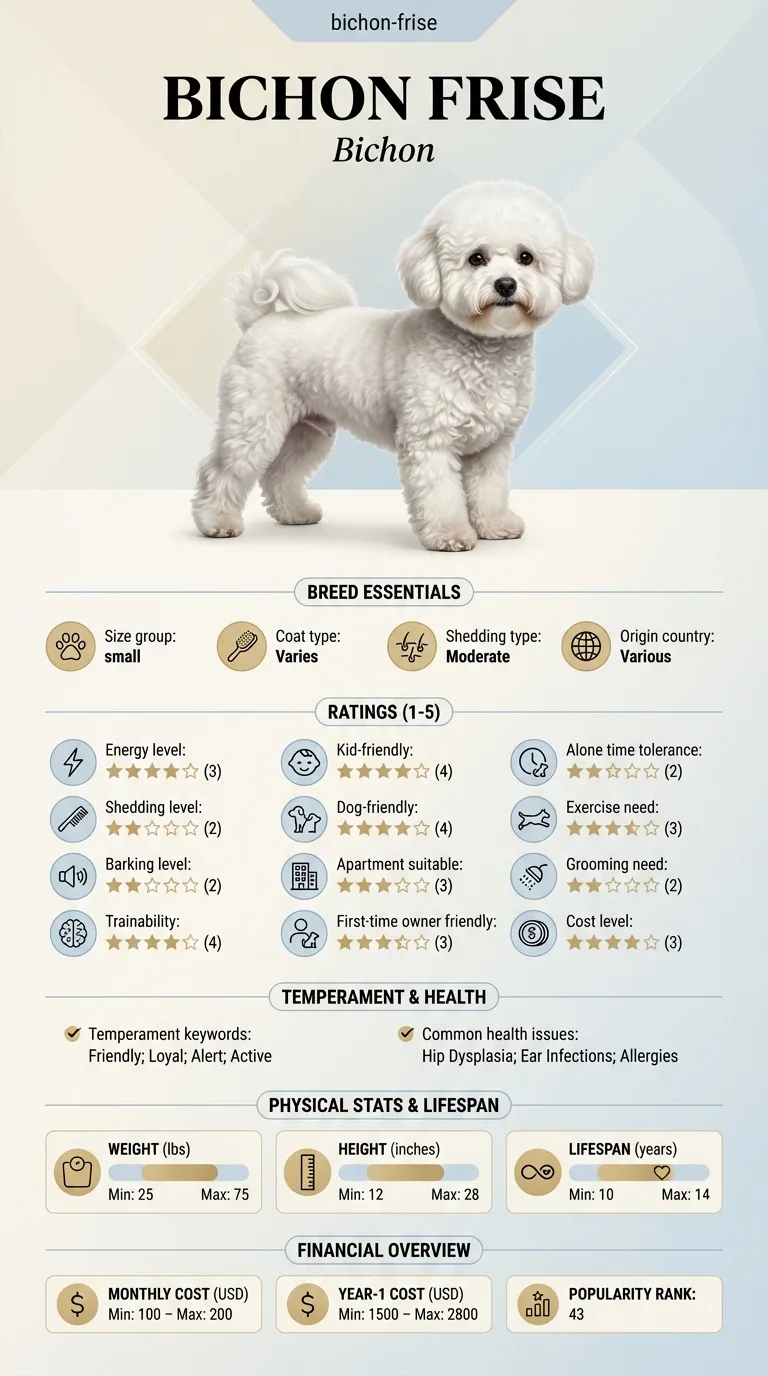
Owners of Bichons in their senior years managing one of these conditions and being warned about the other, and owners trying to understand why a dog that had a digestive illness is now being tested for diabetes.
This guide is not medical advice. If your dog shows pain, sudden behavior change, or worsening symptoms, consult a licensed veterinarian.
Some links may be affiliate links. We may earn a commission at no extra cost to you. We only suggest products we believe are helpful for dog owners.
We research and check what we publish, but we do not warrant that any figure, date, price, or statement is accurate, complete, or current, and we accept no liability for any loss, cost, injury, or other harm arising from the use of this site. Use it as one reference among several. You remain responsible for your own decisions and for your dog's care - confirm anything that matters with a licensed veterinarian or another qualified professional before you act on it. Full disclaimer.
These two conditions share an organ and therefore share consequences. Pancreatic inflammation can, over time, damage the cells that produce insulin, while poorly controlled diabetes alters fat metabolism in ways that can provoke inflammation. For an owner of an ageing Bichon the practical work is monitoring: water intake, weight, appetite and stool, checked routinely rather than reactively.
Diabetes is a recognised endocrine diagnosis in middle-aged and older dogs, and pancreatitis is a routine emergency presentation across breeds. The overlap between them is real but affects a minority of dogs with either condition. Neither is documented as a Bichon breed concern; both matter here because this breed lives long enough to reach the ages at which they appear.
Longevity is the honest breed connection. A documented lifespan of 14 to 15 years means a Bichon spends several years in the age band where endocrine disease becomes realistic, and where the cumulative effects of any earlier inflammation have had time to add up. Small body size is a secondary factor for the pancreatitis half of the equation, since a 12 to 18 pound dog reaches a meaningful fat load from a small quantity of food.
Consistency is the environmental variable that matters most once either condition is diagnosed. Diabetes management depends on food and insulin arriving at the same times every day, which is genuinely difficult in a household with variable schedules or multiple feeders. Table scraps threaten both conditions simultaneously, undermining glucose control and providing the fat load that provokes inflammation. Weight, hidden under this breed's coat, quietly raises the risk of both.
Treat weakness, wobbliness, disorientation, seizures or collapse in an insulin-treated dog as an emergency, since these suggest dangerously low blood sugar. Also urgent are repeated vomiting, the prayer position, refusal to eat combined with lethargy, or laboured breathing with a sweet smell on the breath. Book within days for increased thirst, increased urination, weight loss despite a good appetite, new cloudiness in the eyes, or persistently pale greasy stools. Never adjust an insulin dose without veterinary instruction.
See all Bichon Frise health problems, which breeds are prone to pancreatitis diabetes, or the full Bichon Frise breed guide for temperament, exercise needs and ownership costs.
Stabilising a newly diagnosed diabetic dog usually takes one to three months of dose adjustment and monitoring. Once stable, reviews settle into a rhythm of every three to six months. Recovery from an acute pancreatic episode takes days to a couple of weeks, but the dietary changes it prompts are typically permanent.
Stable weight, normal thirst, consistent appetite, well-formed stools, and blood glucose values that stay in the range your vet is aiming for. Success for a senior Bichon with either condition looks like a dog whose daily life has a strict schedule and nothing else remarkable about it.
The relationship is not a simple one-way street, and understanding both directions explains why vets watch each condition for signs of the other.
Repeated or severe inflammation destroys pancreatic tissue indiscriminately. The insulin-producing cells make up only a small proportion of the organ, so they are not the first casualty, but sustained damage over years can reduce their number enough that blood sugar control fails. A dog with a history of several episodes therefore carries a raised risk of eventually becoming diabetic.
The traffic also runs the other way. Poorly controlled diabetes alters fat metabolism, raising circulating fat levels, and elevated blood fat is itself associated with pancreatic inflammation. A diabetic dog that develops vomiting and abdominal pain therefore needs its pancreas considered rather than having everything attributed to its known condition.
The practical consequence is that each diagnosis changes what you monitor for the other. A dog with a pancreatitis history should have drinking and urination watched. A diabetic dog with a sudden appetite loss should be assessed rather than adjusted at home.
There is a third possibility worth naming: enough enzyme-producing tissue can be lost that digestion itself fails, producing weight loss and loose pale stool despite a good appetite.

A breed that regularly reaches 14 or 15 spends several years in the age band where both conditions become more likely. These are the observations worth building into a routine.
If you think your Bichon has pancreatitis & diabetes, the plan is three steps: write down what you have seen and when it started, book a veterinary appointment rather than waiting for the next flare, and take video of the behaviour or symptom before you go — the thing you are worried about rarely happens in the consulting room. Screening in the parents covers skin allergies, patellar luxation, bladder stones.
What the vet visit should produce is a diagnosis and a written plan, not just reassurance: what is being ruled out, what the monitoring interval is, and which signs mean you come back sooner. Ask what the treatment costs across a year rather than per visit, because that is the number that decides whether you are managing this condition or reacting to it.
Between appointments, keep a short log — dates, what you saw, what changed. It is the single most useful thing an owner brings to a follow-up, and for pancreatitis & diabetes it is often what separates a clear pattern from a guess.
Cassie had two bouts of pancreatitis at nine and eleven, both after holiday meals. Her owner Derek tightened the household rules considerably after the second one and there were no further episodes. At thirteen he noticed he was refilling her water bowl twice a day rather than once. She was eating well and had lost a little weight, which he had assumed was the low-fat food working. Blood and urine testing confirmed diabetes. Cassie started insulin, Derek moved her meals to a fixed schedule, and she stabilised over about ten weeks. Her vet's view was that the earlier pancreatic damage had probably contributed.
Key takeaway: A history of pancreatic inflammation changes what you watch for years afterwards. The water bowl, not the food bowl, is where the next chapter usually announces itself.
Neither pancreatitis nor diabetes appears on the breed's documented health list, which centres on skin allergies, patellar luxation, bladder stones, cataracts and dental disease. Their relevance to Bichons is largely a function of longevity: a breed living 14 to 15 years spends several years in the age band where both become more likely.
No, and most do not. A single mild episode is unlikely to destroy enough hormone-producing tissue to matter. The risk accumulates with repeated or severe episodes, which is one of the strongest arguments for taking prevention of a second episode seriously.
Increased thirst and urination, an increased appetite paired with weight loss, and sometimes rapid development of cloudy eyes. In a house-trained adult dog, new indoor accidents are frequently the sign an owner notices first and misinterprets as behavioural.
With injected insulin given at consistent times, alongside a consistent diet and routine. Owners are taught to give the injections at home, and most manage it easily within a week or two. Regular monitoring appointments establish the right dose over the first few months.
Many do. The regime is demanding in its consistency rather than its complexity: injections and meals at fixed times, minimal variation in what is fed, and attention to any day where the dog does not eat. Dogs managed well often live for years after diagnosis.
Low blood sugar. A dog that has had insulin but has not eaten, or has vomited its meal, can become weak, wobbly, disoriented or collapse. Your vet will give you specific instructions for this scenario in advance, and following them and seeking help immediately is the correct response.
Repeated or severe inflammation can destroy insulin-producing cells, raising the risk of diabetes developing later.
A water bowl emptying faster than usual, often paired with new indoor accidents in a previously reliable dog.
Insulin, needles, a prescribed diet and regular monitoring make it one of the more significant ongoing costs of dog ownership.
Yes. Insulin and food must be coordinated, so a fixed daily routine matters more than the specific hours chosen.
Pair each one with a routine and a reward. Most dogs accept them readily within days, and cooperative care training helps.
A one-page prep sheet for this condition: the signs, the questions to ask, what to get priced. Unlocks here.
You get: Vet visit prep sheet
No spam. One-click unsubscribe. See our privacy policy.
Preview page 1 before you decide.