Health
How is BOAS severity determined?
A vet exam of the airway structures, sometimes with an exercise tolerance test, grades severity from mild to severe.

Quick answer
How is BOAS severity determined?
A vet exam of the airway structures, sometimes with an exercise tolerance test, grades severity from mild to severe.
Most BOAS is a management story; a smaller number of cases are a surgery-or-emergency-room story instead.
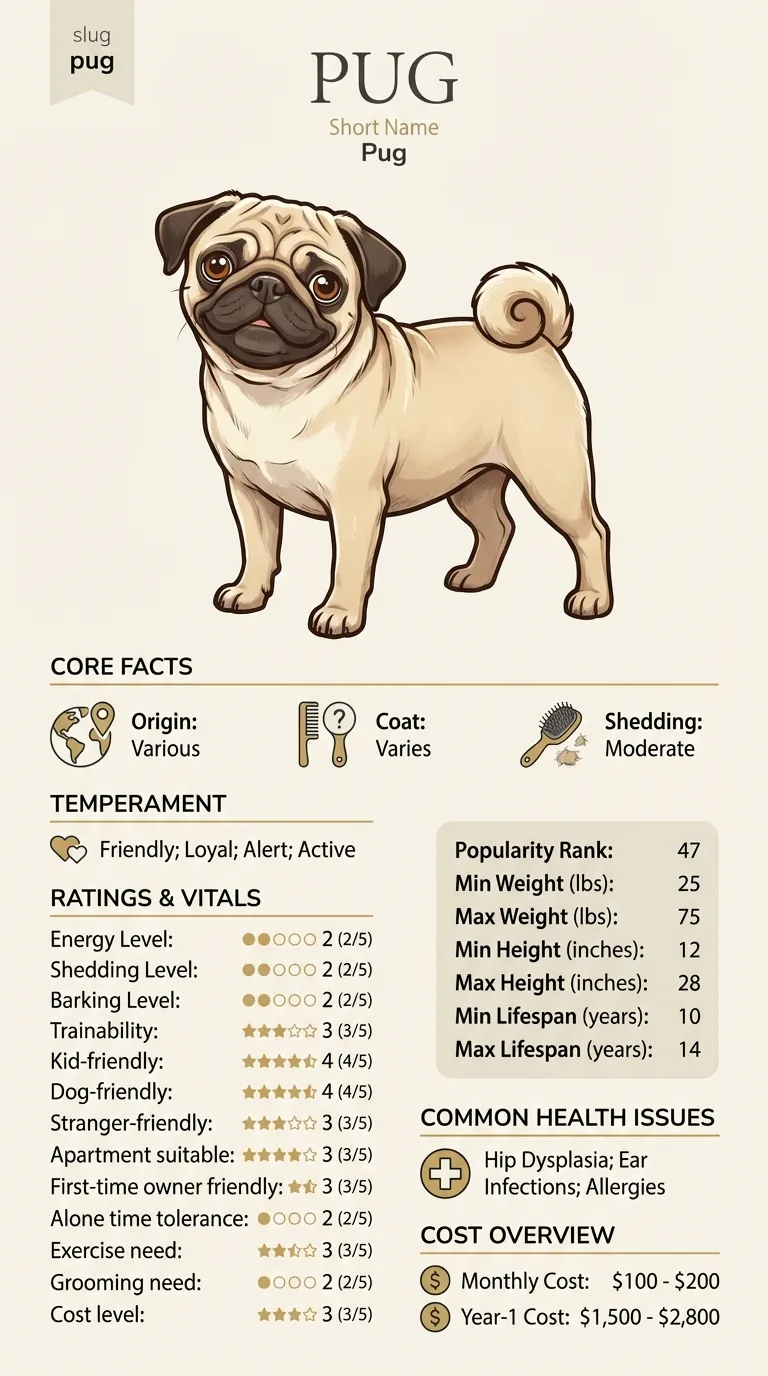
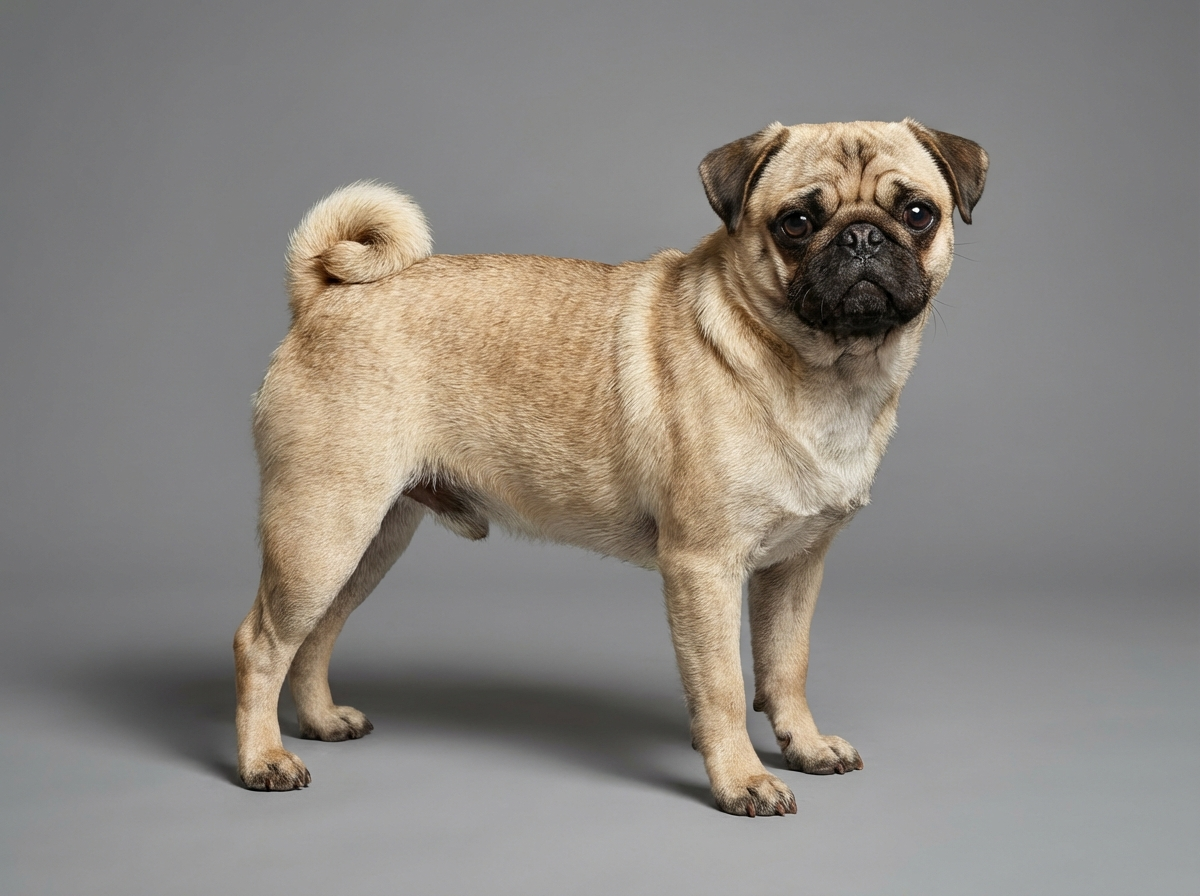
This matters most for owners of a Pug whose breathing effort seems disproportionate even for this breed, dogs who've had a heat-related collapse or near-collapse, or anyone whose vet has raised surgery as a real consideration rather than a distant hypothetical.
This guide is not medical advice. If your dog shows pain, sudden behavior change, or worsening symptoms, consult a licensed veterinarian.
Some links may be affiliate links. We may earn a commission at no extra cost to you. We only suggest products we believe are helpful for dog owners.
We research and check what we publish, but we do not warrant that any figure, date, price, or statement is accurate, complete, or current, and we accept no liability for any loss, cost, injury, or other harm arising from the use of this site. Use it as one reference among several. You remain responsible for your own decisions and for your dog's care - confirm anything that matters with a licensed veterinarian or another qualified professional before you act on it. Full disclaimer.
Check this first
For dogs graded moderate to severe, surgical correction, widening narrowed nostrils, shortening an overly long soft palate, or removing everted laryngeal tissue, can meaningfully improve breathing capacity and quality of life, and is often most effective when done before secondary changes worsen further. Separately, it's worth understanding the true emergency end of this spectrum: heat-related collapse, where a dog's ability to cool itself through panting fails entirely, leading to dangerously high body temperature, collapse, and organ damage within a short window. This is a life-threatening emergency requiring immediate cooling and veterinary treatment, not something to manage by simply bringing a dog indoors and waiting.
If any of these apply, call your vet or an emergency clinic now. The rest of this page is for the cases that are not an emergency.
This covers the escalation end of brachycephalic airway syndrome: formal severity grading, surgical correction for moderate to severe cases, and the genuine medical emergency of heat-related collapse when a dog's airway obstruction overwhelms its ability to cool itself. It's the point at which lifestyle management alone is no longer sufficient.
A meaningful minority of Pugs are graded moderate to severe rather than mild, and heat-related collapse, while less common than everyday breathing effort, is a well-documented emergency risk in this breed during hot weather.
Severe cases reflect the more pronounced end of this breed's inherited airway anatomy, narrower nostrils, a longer soft palate, or a more compressed airway overall, than a dog graded mild or moderate.
Heat, humidity, and intense exertion are the environmental factors most directly responsible for tipping a severely restricted airway from labored breathing into full collapse.
Talk to your vet about a formal severity grading if your dog's breathing effort seems disproportionate even accounting for normal Pug noise. Treat any collapse, bright red or purple gums, disorientation, or inability to cool down after heat or exertion as an immediate emergency requiring urgent veterinary care, not a situation to monitor at home.
Start here: Pug Most Common Genetic Disorders: What to Screen For
See all PUG health problems, which breeds are prone to brachycephalic obstructive airway syndrome boas, or the full PUG breed guide for temperament, exercise needs and ownership costs.
A severity grading exam can typically be done at a single vet visit. Surgical recovery generally takes two to four weeks, with many dogs showing improved breathing capacity within that window. A heat crisis requires same-day emergency stabilization, with recovery ranging from a day to several days depending on severity.
Success for surgical cases means measurably easier breathing and better heat and exercise tolerance; for emergency cases, it means recognizing the crisis immediately and getting treatment fast enough to prevent lasting organ damage.
Rather than a single yes-or-no diagnosis, vets typically grade BOAS severity on a scale, from mild, minimal airway signs and good exercise tolerance, to severe, significant obstruction with poor heat and exercise tolerance and visible daily struggle. This grading typically involves a physical exam of the nostrils and throat, sometimes combined with an exercise tolerance test where a vet observes a dog's breathing recovery after mild exertion. A severe grading is what typically shifts the conversation from lifestyle management toward surgical evaluation, since at that level, lifestyle adjustments alone usually aren't enough to meaningfully improve a dog's daily comfort and safety.
Owners of five-year-old Moose had always assumed his loud breathing and quick tiring were simply typical for the breed, until a vet visit for an unrelated issue included a formal BOAS severity exam that graded him severe. An exercise tolerance test showed his breathing took unusually long to recover even after mild activity. Given the grading, his owners opted for surgical correction of his nostrils and soft palate. Within a month of recovery, Moose's breathing sounded noticeably quieter at rest, and he could manage walks that would have previously left him struggling.
Key takeaway: A formal severity grading, rather than assuming based on typical breed noise, is what actually reveals whether a dog has crossed the threshold where surgery offers a meaningfully better quality of life.
A formal severity grading exam with your vet, including an assessment of nostril and throat anatomy and sometimes an exercise tolerance test, is what actually determines this, rather than guessing based on how loud your dog snores at home.
Depending on which structures are most restrictive, surgery may widen narrowed nostrils, shorten an overly long soft palate, or remove everted tissue near the voice box. It's performed under general anesthesia and often combines more than one correction in a single procedure.
Yes, unambiguously. When a dog's airway obstruction prevents effective panting and body temperature climbs dangerously, this is a life-threatening emergency requiring immediate veterinary treatment, not something to wait out at home.
Collapse or extreme weakness, bright red or purple gums, excessive drooling, disorientation, and vomiting, often after heat or exercise exposure, are signs of a heat crisis requiring emergency care immediately.
Many dogs show meaningful improvement in breathing capacity and exercise tolerance after surgery, particularly when performed before secondary airway changes worsen, though outcomes vary by individual severity and which structures are corrected.
It can be performed at various ages, though many veterinary surgeons favor earlier intervention, sometimes before a year old for significantly affected dogs, to prevent secondary changes from progressing further.
Not automatically; the decision weighs severity, age, and overall health with your vet or a boarded surgeon, but a severe grading is what most strongly shifts the conversation toward surgery as a real option rather than lifestyle management alone.
A vet exam of the airway structures, sometimes with an exercise tolerance test, grades severity from mild to severe.
Narrowed nostrils, an overly long soft palate, or everted throat tissue, depending on the individual dog.
Yes, it's a life-threatening crisis needing immediate veterinary treatment, not a wait-and-see situation.
Collapse, bright red or purple gums, excessive drooling, and disorientation after heat or exercise exposure.
It's a significant surgical expense; ask your vet or a boarded surgeon for an estimate specific to your dog's needed corrections.
A one-page prep sheet for this condition: the signs, the questions to ask, what to get priced. Unlocks here.
You get: Vet visit prep sheet
No spam. One-click unsubscribe. See our privacy policy.
Preview page 1 before you decide.