Health
Why do purebreds show higher cancer rates in research?
Reduced genetic diversity within closed breeding populations is the main mechanism, not purebred status as a concept itself.

Quick answer
Why do purebreds show higher cancer rates in research?
Reduced genetic diversity within closed breeding populations is the main mechanism, not purebred status as a concept itself.
A statistic like 'purebreds are more likely to develop cancer than mixed breeds' is true in aggregate across many studied breeds and cancers, but it doesn't mean owning a purebred Labrador specifically dooms your dog to a cancer diagnosis — the actual mechanism and magnitude matter a lot more than the headline.
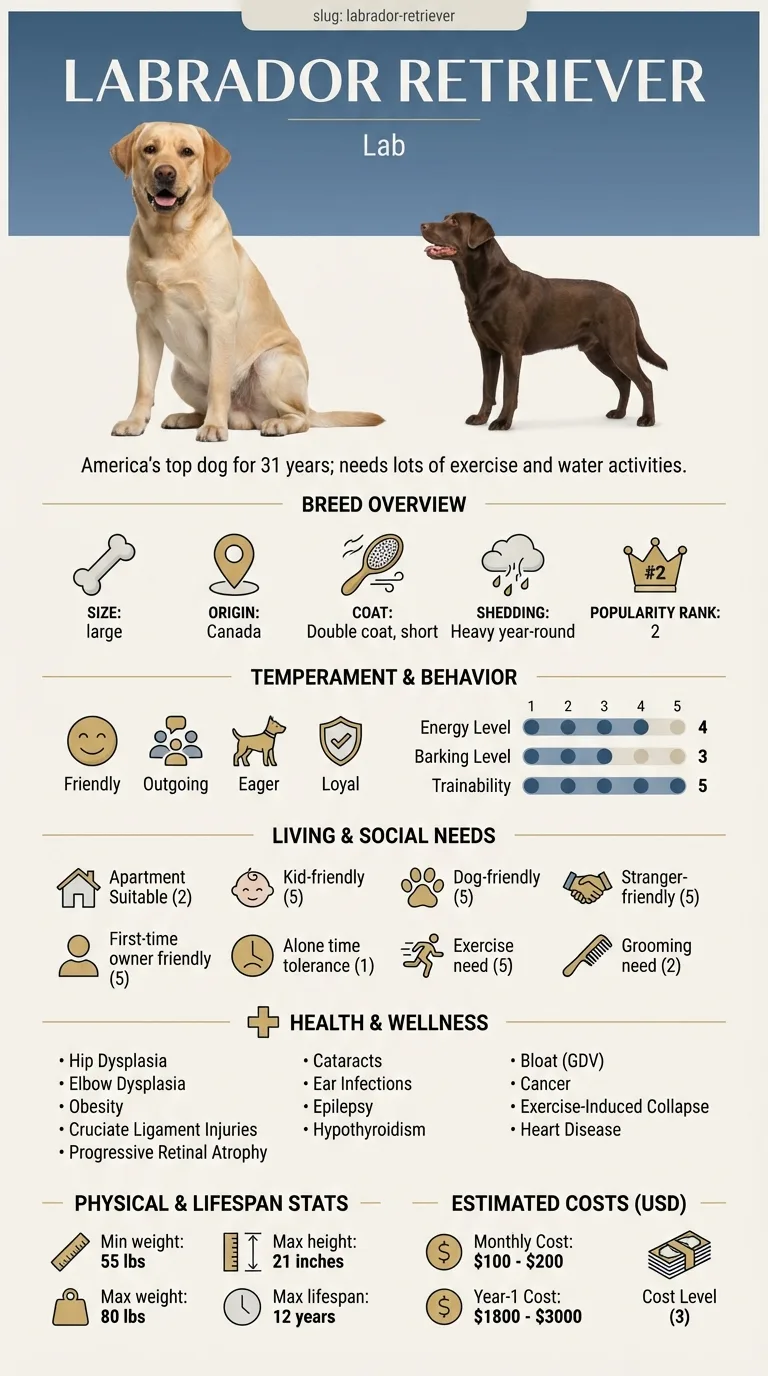
Prospective owners deciding between a purebred Labrador and a Lab-mix rescue, trying to weigh a real but easily overstated statistic against everything else that goes into that decision.
This guide is not medical advice. If your dog shows pain, sudden behavior change, or worsening symptoms, consult a licensed veterinarian.
Some links may be affiliate links. We may earn a commission at no extra cost to you. We only suggest products we believe are helpful for dog owners.
We research and check what we publish, but we do not warrant that any figure, date, price, or statement is accurate, complete, or current, and we accept no liability for any loss, cost, injury, or other harm arising from the use of this site. Use it as one reference among several. You remain responsible for your own decisions and for your dog's care - confirm anything that matters with a licensed veterinarian or another qualified professional before you act on it. Full disclaimer.
Research comparing purebred and mixed-breed dog populations has found elevated cancer rates among purebreds broadly, a pattern largely explained by reduced genetic diversity within closed breeding populations rather than purebred status itself being inherently harmful. For an individual Labrador, a specific line's genetic diversity and a breeder's health-testing practices matter more for actual risk than the purebred-versus-mixed label alone.
The purebred-versus-mixed cancer risk difference is a documented pattern across multiple studied breeds and cancer types, though the magnitude varies significantly by specific breed and condition, and Labradors are not flagged as among the most extreme examples of this pattern.
As an extremely popular breed with a large overall registered population, Labradors actually benefit from a comparatively larger gene pool than many rarer purebred breeds, which can moderate some of the genetic diversity concerns that drive this pattern most strongly in smaller, more closed breed populations. Individual line practices still matter enormously within that broader context.
Breeder practices — specifically, how much a given breeding program prioritizes genetic diversity and active health screening over other breeding goals — function as the main modifiable factor here, alongside general lifestyle factors like weight and exercise that affect any dog's long-term health regardless of breed status.
This is primarily a research and decision-making topic rather than a medical one, but once you have a puppy or dog, discuss its specific health history and any breed-relevant screening recommendations with your vet at the first wellness visit.
See all Labrador Retriever health problems, which breeds are prone to purebred vs mixed breeds, or the full Labrador Retriever breed guide for temperament, exercise needs and ownership costs.
This is a one-time research and decision-making process before acquiring a dog, rather than an ongoing management topic, though its implications — via the specific dog's actual health outcomes — play out over that dog's entire lifetime.
Success looks like an informed decision based on a specific breeder's or shelter's actual practices and documentation, rather than a decision made purely on the general purebred-versus-mixed statistic without looking at the individual dog's actual background.
The elevated disease risk associated with purebred dogs isn't really about pedigree status as a concept — it's about reduced genetic diversity within a closed breeding population, which increases the odds that two copies of a harmful recessive gene variant end up in the same dog, and increases certain cancers and inherited conditions that are more randomly distributed (and therefore diluted) in a genetically mixed dog. A mixed-breed dog benefits from a broader genetic pool, generally lowering the odds of inheriting two copies of any single breed's specific risk variants.
This matters for interpretation because it means the actual risk for an individual purebred Labrador depends heavily on how responsibly that specific line has been bred — genetic diversity within the Labrador gene pool, avoidance of close inbreeding, and active screening against known heritable conditions all meaningfully affect an individual dog's real risk, more than the abstract 'purebred' label alone. A Lab from a health-tested line with a reasonably diverse pedigree carries a different risk profile than a Lab from a heavily inbred line, even though both are equally 'purebred' by registration.
It's also worth noting that mixed-breed dogs aren't risk-free — they can inherit any combination of their parent breeds' specific predispositions, and some studies have found certain conditions are actually more evenly distributed across purebred and mixed populations than the cancer-specific statistic suggests. The honest takeaway is that breed choice is one input into a much larger picture that includes individual line, breeder practices, and simple chance.

If the goal is genuinely minimizing health risk, these factors matter more in practice than the purebred-versus-mixed distinction on its own.
When researching Labrador breeders, Anh read about elevated purebred cancer statistics and initially considered a Lab-mix rescue instead, worried about the risk. Before deciding, she asked three Labrador breeders detailed questions about genetic diversity and health testing in their lines. One breeder provided documentation showing multiple generations of health-tested, genetically diverse breeding stock with no close inbreeding. Anh chose a puppy from that program, understanding that the specific line's practices mattered more for her individual dog's risk than the general purebred statistic alone. Her Lab is now six years old with no health issues beyond routine care.
Key takeaway: A population-level statistic about purebred cancer risk is real, but it describes an average across many differently-managed breeding programs — asking about a specific line's actual genetic diversity and testing practices gets you much closer to your individual dog's real risk than the headline number alone.
Research comparing purebred and mixed-breed populations broadly has found elevated cancer rates in purebreds, largely attributed to reduced genetic diversity within closed breeding populations rather than purebred status itself being inherently harmful.
Purebred populations are maintained through breeding within a closed gene pool defined by breed standards, which over generations reduces genetic variation compared to a mixed-breed dog whose ancestry draws from multiple, often unrelated breed lines.
Yes, meaningfully — a breeder's active health testing and avoidance of close inbreeding directly reduce the odds of passing on known heritable conditions, which matters more for an individual puppy's actual risk than the purebred label alone.
No — mixed-breed dogs can inherit any combination of their parent breeds' specific predispositions, and their health history is often less documented or predictable than a purebred dog from a well-tested line.
It's a reasonable factor to weigh, but breeder practices, genetic diversity within a specific line, and lifestyle factors you directly control generally have a larger measurable impact on an individual dog's health outcomes than the purebred-versus-mixed distinction alone.
Documented health testing (hips, elbows, eyes, cardiac, relevant genetic panels), evidence of genetic diversity rather than close inbreeding, and transparency about health issues in the line are the practical factors worth prioritizing.
No — the magnitude varies by breed and by specific cancer type, and Labradors specifically aren't flagged as among the highest-risk purebred populations for this pattern, though general genetic diversity principles still apply.
Reduced genetic diversity within closed breeding populations is the main mechanism, not purebred status as a concept itself.
Yes — active health testing and avoiding close inbreeding meaningfully reduce an individual puppy's risk more than the purebred label alone.
No — they can inherit any combination of their parent breeds' specific health predispositions, often with less documented history.
A breeder's specific health-testing practices and genetic diversity within the line matter more for an individual dog's actual risk.
Weight management, diet, and exercise have a large measurable impact on lifetime health outcomes regardless of breed status.
A one-page prep sheet for this condition: the signs, the questions to ask, what to get priced. Unlocks here.
You get: Vet visit prep sheet
No spam. One-click unsubscribe. See our privacy policy.
Preview page 1 before you decide.