Behavior
What are Yorkshire Terrier purebred vs. mixed breeds quick tips?
Consider training and socialization early on to prevent behavior issues in either type. Regular vet check-ups can also help catch and manage health problems early.

Quick answer
What are Yorkshire Terrier purebred vs. mixed breeds quick tips?
Consider training and socialization early on to prevent behavior issues in either type. Regular vet check-ups can also help catch and manage health problems early.
Deciding between a Yorkshire Terrier purebred and a mixed breed can be tough. Each has its pros and cons.
New dog owners, families considering a Yorkshire Terrier, and those unsure about breed characteristics often face this dilemma. It's a big decision that impacts your life and your dog's happiness.
This guide is not medical advice. If your dog shows pain, sudden behavior change, or worsening symptoms, consult a licensed veterinarian.
Some links may be affiliate links. We may earn a commission at no extra cost to you. We only suggest products we believe are helpful for dog owners.
We research and check what we publish, but we do not warrant that any figure, date, price, or statement is accurate, complete, or current, and we accept no liability for any loss, cost, injury, or other harm arising from the use of this site. Use it as one reference among several. You remain responsible for your own decisions and for your dog's care - confirm anything that matters with a licensed veterinarian or another qualified professional before you act on it. Full disclaimer.
Check this first
Understanding when a situation with your Yorkshire Terrier becomes an emergency is crucial. If you notice any severe signs or behaviors, it’s important to contact your vet immediately. Red flags include difficulty breathing, unresponsiveness, excessive vomiting or diarrhea, and severe lethargy.
These are signs that your dog's health is at serious risk, and quick action can save their life.
On the other hand, there are milder cases that can be monitored at home. If your Yorkie is experiencing mild anxiety, occasional barking, or minor digestive upset, you can usually keep an eye on them without rushing to the vet. Create a plan to manage these mild symptoms, such as using calming techniques or adjusting their diet.
Keeping a log of your dog’s behavior will help you notice any changes.
In general, always err on the side of caution. If you’re unsure whether a situation is an emergency, it’s better to call your vet for advice. Remember, your Yorkshire Terrier's health is your top priority, and knowing the difference between an emergency and a situation that can wait can make all the difference.
If any of these apply, call your vet or an emergency clinic now. The rest of this page is for the cases that are not an emergency.
Understanding the differences between Yorkshire Terrier purebred vs. mixed breeds can help potential owners make informed decisions. Purebreds may have specific traits, while mixed breeds can offer a blend of characteristics. This decision impacts everything from behavior to health risks, as purebreds are often more prone to certain genetic conditions.
This issue is quite common among Yorkshire Terriers, as many owners grapple with the choice between purebred and mixed breed. It's essential to understand that purebreds can be more susceptible to health problems, making the decision even more significant.
Yorkshire Terriers, whether purebred or mixed breeds, can exhibit specific behavioral traits due to their genetics. Purebreds may be more prone to certain inherited health issues or behavioral quirks, like anxiety or aggression. These traits can be more pronounced in purebred Yorkies due to a narrower genetic pool.
The environment also significantly impacts behavior. Factors like insufficient socialization, lack of exercise, or stressful surroundings can lead to anxiety or behavioral problems in Yorkies. For example, a noisy household or frequent changes in routine can heighten their stress levels.
Consult your vet if your Yorkie shows signs of excessive anxiety, such as constant barking, destructive behavior, or changes in appetite. A vet can help rule out any underlying health issues and may recommend behavioral therapy or medications if needed.
Avoiding these common mistakes can help improve your Yorkshire Terrier's behavior and well-being. Here are some pitfalls to watch out for.
Start here: Yorkshire Terrier Most Common Genetic Disorders: Screening
See all Yorkshire Terrier health problems, which breeds are prone to purebred vs mixed breeds, or the full Yorkshire Terrier breed guide for temperament, exercise needs and ownership costs.
Expect to see improvements in behavior and anxiety levels within 4 to 6 weeks of consistent care and a steady routine efforts.
Success means your Yorkshire Terrier is calmer, less anxious, and behaves appropriately around other dogs and people.
When Sarah adopted Bella, a purebred Yorkshire Terrier, she was excited but quickly overwhelmed. Bella barked incessantly at strangers and had trouble settling down, making Sarah’s apartment feel chaotic. After researching training methods, Sarah committed to daily training sessions and enrolled Bella in a socialization class. Over time, Bella learned to be more comfortable around new people and other dogs. Now, she enjoys playdates and is much calmer at home, allowing Sarah to relax too.
Key takeaway: Consistency and patience are key when addressing behavior issues in Yorkshire Terriers, whether purebred or mixed.
Yorkshire Terrier purebreds typically have a more consistent appearance and temperament. Mixed breeds can offer variability in size, health, and behavior, often bringing together positive traits from different breeds. This answer relates to Yorkshire Terrier purebred vs. mixed breeds.
Behavior issues can arise from genetic predispositions, training inconsistency, or socialization gaps. Purebreds can be more prone to specific health issues, which may affect their behavior.
Training a mixed-breed Yorkshire Terrier involves using positive reinforcement techniques. Focus on consistency and patience, as mixed breeds may inherit varied traits that affect training.
Yes, purebred Yorkshire Terriers are often more susceptible to certain health issues, such as dental disease and patellar luxation. This risk is less pronounced in mixed breeds due to genetic diversity.
To manage anxiety, create a stable environment, establish a routine, and incorporate training exercises. Consider seeking professional help if anxiety persists, especially if your dog shows signs of distress.
Signs of separation anxiety include excessive barking, destructive behavior, and refusal to eat when left alone. Monitoring your dog's behavior can help you determine if they need additional support.
If your Yorkshire Terrier struggles with socialization, start with controlled introductions and positive reinforcement. Gradually increase their exposure to other dogs while ensuring they feel safe.
Yorkshire Terriers can face specific health challenges, such as dental disease and collapsing trachea, which may be less common in mixed breeds. Mixed breeds often benefit from hybrid vigor, potentially leading to fewer genetic health problems. However, individual health can vary widely based on genetics, so it's essential to consult a vet.
Behavior can vary significantly between individual dogs, regardless of being purebred or mixed breed. Yorkshire Terriers are known for their bold and affectionate nature, but mixed breeds might exhibit a broader range of temperaments. Training and socialization play crucial roles in shaping behavior.
Yorkshire Terriers may be prone to separation anxiety more than some mixed breeds due to their close attachment to owners. Implementing training techniques, creating a safe space, and gradually increasing alone time can help. If anxiety persists, consulting a vet for tailored strategies is advisable.
Yorkshire Terriers can be good family pets, but their small size and energy levels mean they need supervision around young children. Mixed breeds might offer a more balanced temperament, depending on their traits. Always assess individual dog behavior to ensure compatibility with your family.
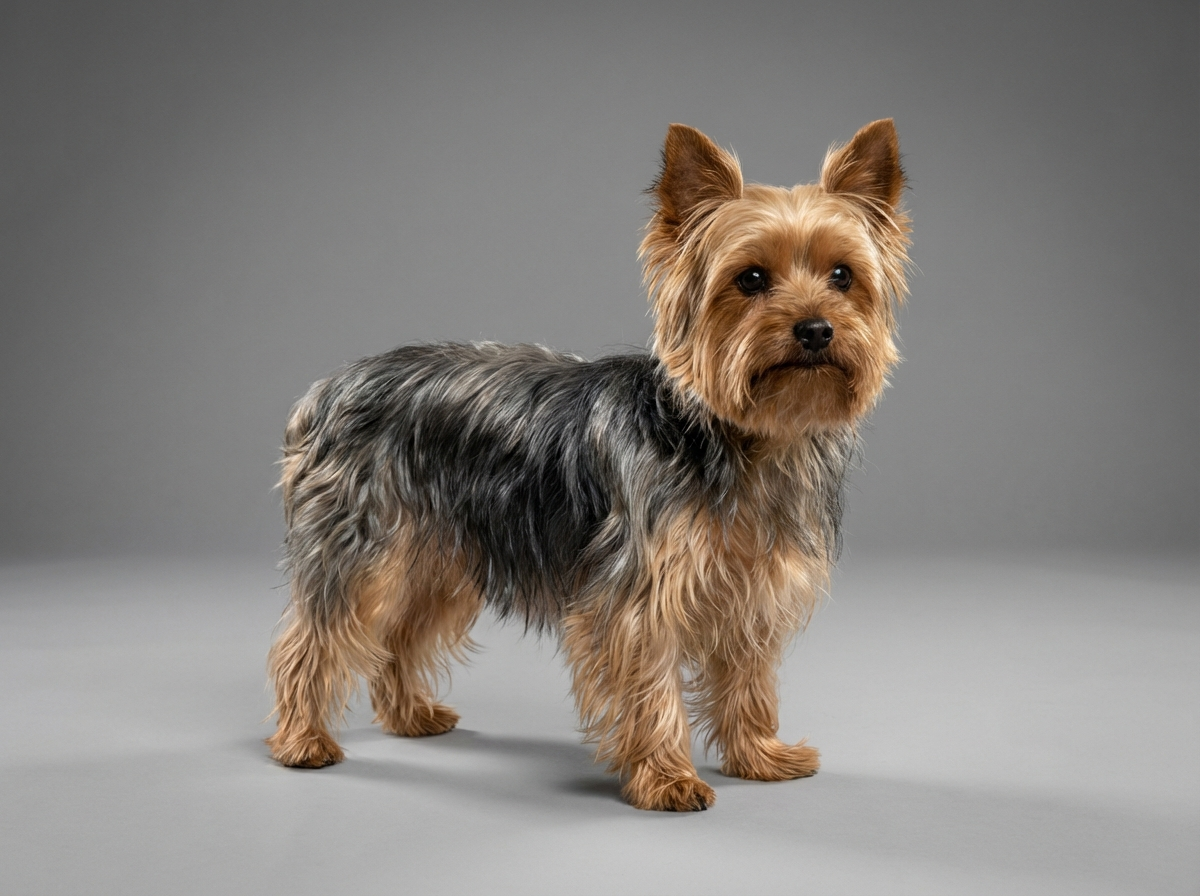
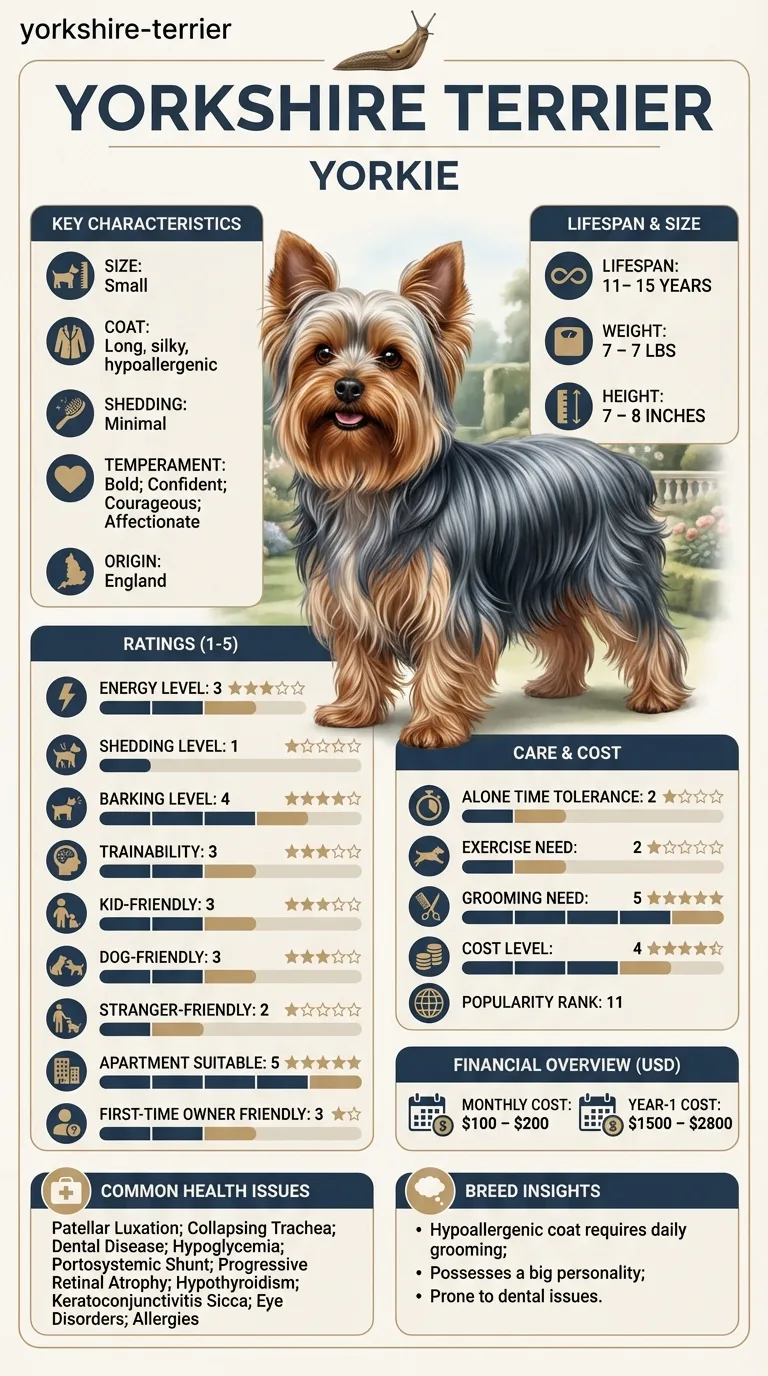
Yorkshire Terriers require extensive grooming due to their long, silky coats, which can be a significant commitment. Mixed breeds may have varying grooming needs based on their coat types, some requiring less maintenance. Always consider your willingness to invest time in grooming when choosing a breed.
Consider training and socialization early on to prevent behavior issues in either type. Regular vet check-ups can also help catch and manage health problems early.
The first-year costs for a Yorkshire Terrier can range from $1,500 to $2,800, with monthly expenses between $100 and $200. Keep these figures in mind when budgeting.
Yorkshire Terriers are known for minimal shedding due to their long, silky coat, making them a hypoallergenic choice for many families.
Use positive reinforcement techniques and keep training sessions short and engaging. Consistent training will help your dog learn and bond with you.
A one-page prep sheet for this condition: the signs, the questions to ask, what to get priced. Unlocks here.
You get: Vet visit prep sheet
No spam. One-click unsubscribe. See our privacy policy.
Preview page 1 before you decide.