Health
Is my dog's fatigue during exercise the same as EIC?
Probably not, unless it involves the specific sudden hind-limb collapse pattern; general tiring is more often explained by heat, weight, or fitness.

Quick answer
Is my dog's fatigue during exercise the same as EIC?
Probably not, unless it involves the specific sudden hind-limb collapse pattern; general tiring is more often explained by heat, weight, or fitness.
If your Lab just seems to tire faster or overheat more easily than it used to, without the dramatic hind-limb collapse pattern of EIC, weight and heat management are the more likely places to look first.
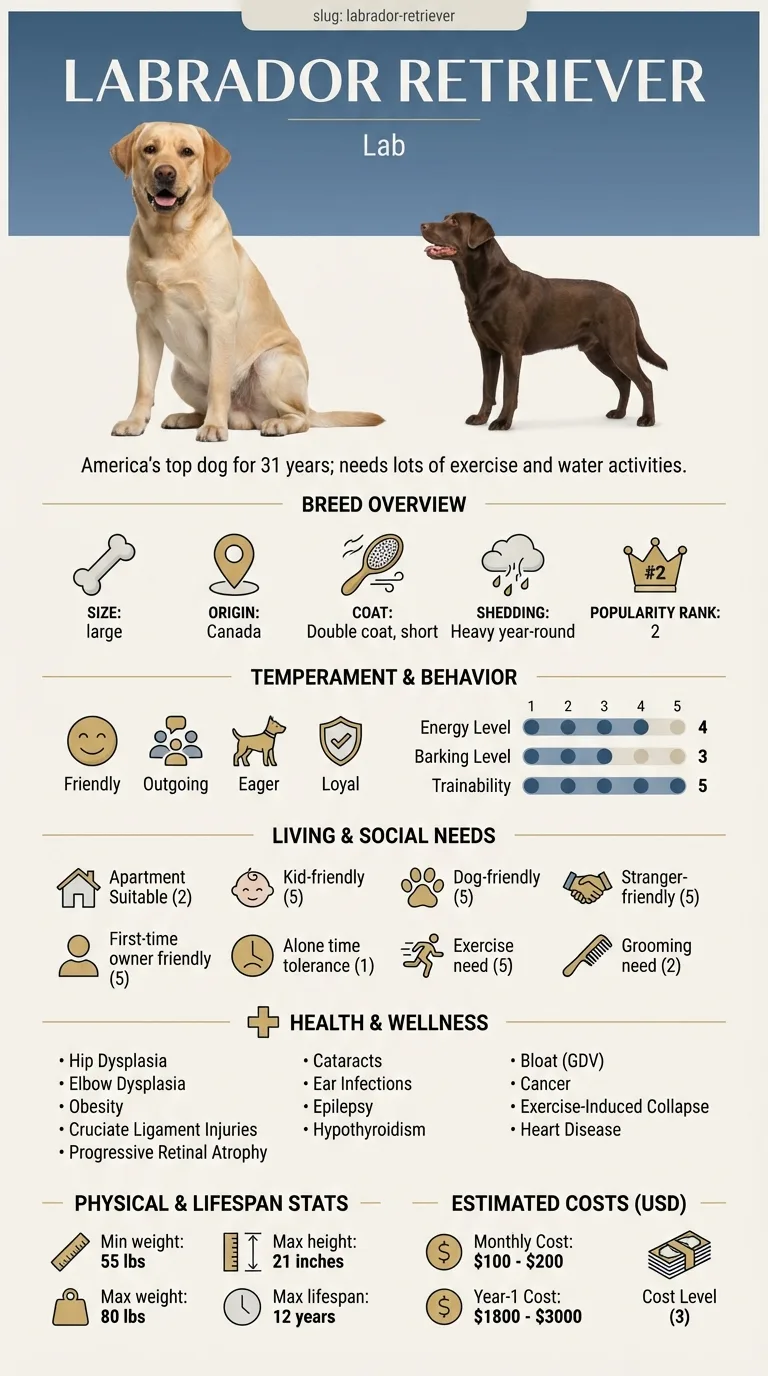
Owners of overweight, under-conditioned, or heavily-coated Labradors, especially those exercising in warm climates, are the ones most likely to notice general exercise intolerance as a recurring pattern.
This guide is not medical advice. If your dog shows pain, sudden behavior change, or worsening symptoms, consult a licensed veterinarian.
Some links may be affiliate links. We may earn a commission at no extra cost to you. We only suggest products we believe are helpful for dog owners.
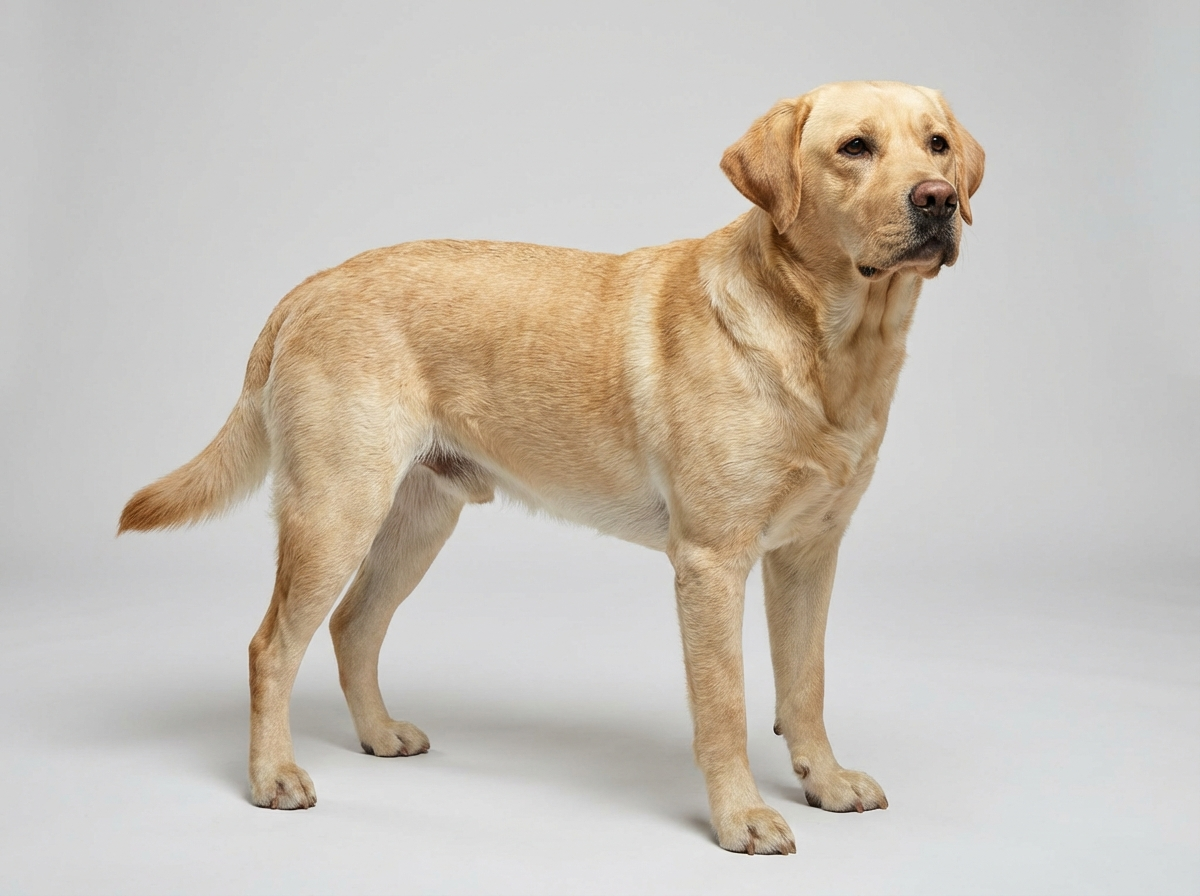
General exercise intolerance in Labrador Retrievers, a dog tiring or overheating faster than expected, is distinct from the genetic condition Exercise-Induced Collapse and is usually explained by this breed's heavy double coat struggling with heat dissipation, excess body weight, or reduced overall fitness, rather than a gene mutation. It's a broader, more common, and generally more manageable pattern than EIC.
A common, largely lifestyle-driven pattern in this breed given its heavy coat and well-documented weight tendency, distinct from and more frequently seen than the specific genetic EIC condition.
Labrador Retrievers carry a heavy double coat developed for cold-water retrieving, which becomes a genuine disadvantage for heat dissipation in warm conditions, and the breed's well-documented tendency toward obesity compounds this by adding insulating fat and increasing the physical effort of movement.
Hot, humid weather is the single biggest environmental factor affecting this breed's exercise tolerance. Inconsistent exercise habits that prevent a dog from building and maintaining fitness, and diets that allow excess weight gain, both directly worsen real-world stamina.
Talk to your vet if reduced exercise tolerance is a new, noticeable change rather than a longstanding pattern, or if it's accompanied by coughing, labored breathing, or other symptoms, since these can indicate an underlying heart, joint, or airway issue worth ruling out.
See all Labrador Retriever health problems, which breeds are prone to exercise intolerance, or the full Labrador Retriever breed guide for temperament, exercise needs and ownership costs.
Improved exercise tolerance from a structured weight loss and conditioning plan typically becomes noticeable within four to six weeks, with more significant gains over two to three months of consistent effort.
Success looks like a dog that can comfortably sustain normal daily activity and moderate exercise without excessive panting or needing frequent stops, achieved through weight management, conditioning, and appropriate heat awareness rather than any medical intervention.
Exercise-Induced Collapse is a specific, genetically testable condition causing sudden hind-limb weakness after five to fifteen minutes of intense, high-excitement exercise in dogs carrying a particular gene mutation. General exercise intolerance is broader and non-genetic: a dog simply tiring faster, panting harder, or wanting to stop sooner than expected, without the sudden, dramatic collapse pattern. A dog can have general exercise intolerance without any EIC gene mutation at all, and this is in fact the more common scenario, usually explained by weight, heat, fitness level, or an unrelated underlying health issue rather than genetics.
Labrador Retrievers carry a heavy double coat built for cold water retrieving work, insulation that becomes a real liability in hot, humid conditions when the dog can't dissipate heat as efficiently as a shorter, single-coated breed might. Combine that coat with this breed's well-documented tendency toward carrying extra weight, which adds insulating fat and increases the physical workload of moving the body, and you get two independent, breed-relevant reasons a Labrador might tire or overheat faster than expected, entirely separate from any genetic collapse condition.

Bailey, a seven-year-old Labrador carrying some extra weight, had started stopping to pant heavily just ten minutes into walks that used to take twenty minutes without issue, particularly once summer arrived. Concerned it might be EIC after reading about the condition, his owner had him tested, which came back negative for the gene mutation. His vet instead pointed to his weight and the season's heat as the far more likely explanation. Bailey's owner shifted walks to early mornings, added water breaks, and started a gradual weight-loss plan. By early fall, with eight pounds off and cooler weather returning, Bailey was back to his old pace without needing frequent stops.
Key takeaway: Reduced exercise stamina in a Labrador is far more often about heat, weight, and fitness than about any genetic collapse condition, and addressing those factors directly usually resolves it.
No, EIC is a specific genetic condition with a defined DNA test and a distinct sudden hind-limb collapse pattern. General exercise intolerance is broader, usually explained by heat, weight, or fitness level rather than genetics.
Consider recent weight gain, reduced overall fitness from less regular exercise, hot weather, or an underlying health issue like early heart or joint problems, all more likely explanations than a genetic collapse condition.
Yes, the heavy double coat built for cold-water retrieving becomes a real disadvantage in hot, humid conditions, making heat-related exercise intolerance a genuinely breed-relevant concern independent of any gene mutation.
Yes, significantly. Excess weight adds both insulating fat that hampers heat dissipation and physical mass that increases the effort of movement, making weight management one of the most effective tools for improving exercise tolerance.
It's reasonable to rule out, especially for an active or working dog, but general fatigue without the sudden hind-limb collapse pattern is more likely explained by weight, heat, or fitness than by EIC specifically.
Gradually increase duration and intensity over weeks rather than jumping straight into intense activity, and always prioritize cooler times of day and adequate water breaks.
If it's a new, noticeable change rather than a longstanding pattern, or if it's accompanied by coughing, labored breathing, or other symptoms, it's worth ruling out an underlying heart, joint, or airway issue.
Probably not, unless it involves the specific sudden hind-limb collapse pattern; general tiring is more often explained by heat, weight, or fitness.
Its heavy double coat, built for cold water, doesn't dissipate heat efficiently in warm conditions, making heat management a genuine, breed-relevant consideration.
Yes, gradual, consistent conditioning combined with maintaining a healthy weight measurably improves exercise tolerance over weeks to months.
Yes with precautions: exercise during cooler parts of the day, provide frequent water and shade breaks, and watch closely for excessive panting or reluctance to continue.
Puppies naturally have shorter stamina and developing joints, so brief activity bursts followed by rest are normal and not usually a sign of a health problem.
A one-page prep sheet for this condition: the signs, the questions to ask, what to get priced. Unlocks here.
You get: Vet visit prep sheet
No spam. One-click unsubscribe. See our privacy policy.
Preview page 1 before you decide.