Living
What should I do if my Poodle is tired after a short walk?
If your Poodle is tired after a short walk, ensure they are well-hydrated and take a break. Avoid pushing them too hard and monitor their behavior closely for any unusual signs.

Quick answer
What should I do if my Poodle is tired after a short walk?
If your Poodle is tired after a short walk, ensure they are well-hydrated and take a break. Avoid pushing them too hard and monitor their behavior closely for any unusual signs.
Poodle exercise intolerance can be a concerning issue for many owners. It refers to a dog's inability to handle physical activity without becoming excessively fatigued or overheated.
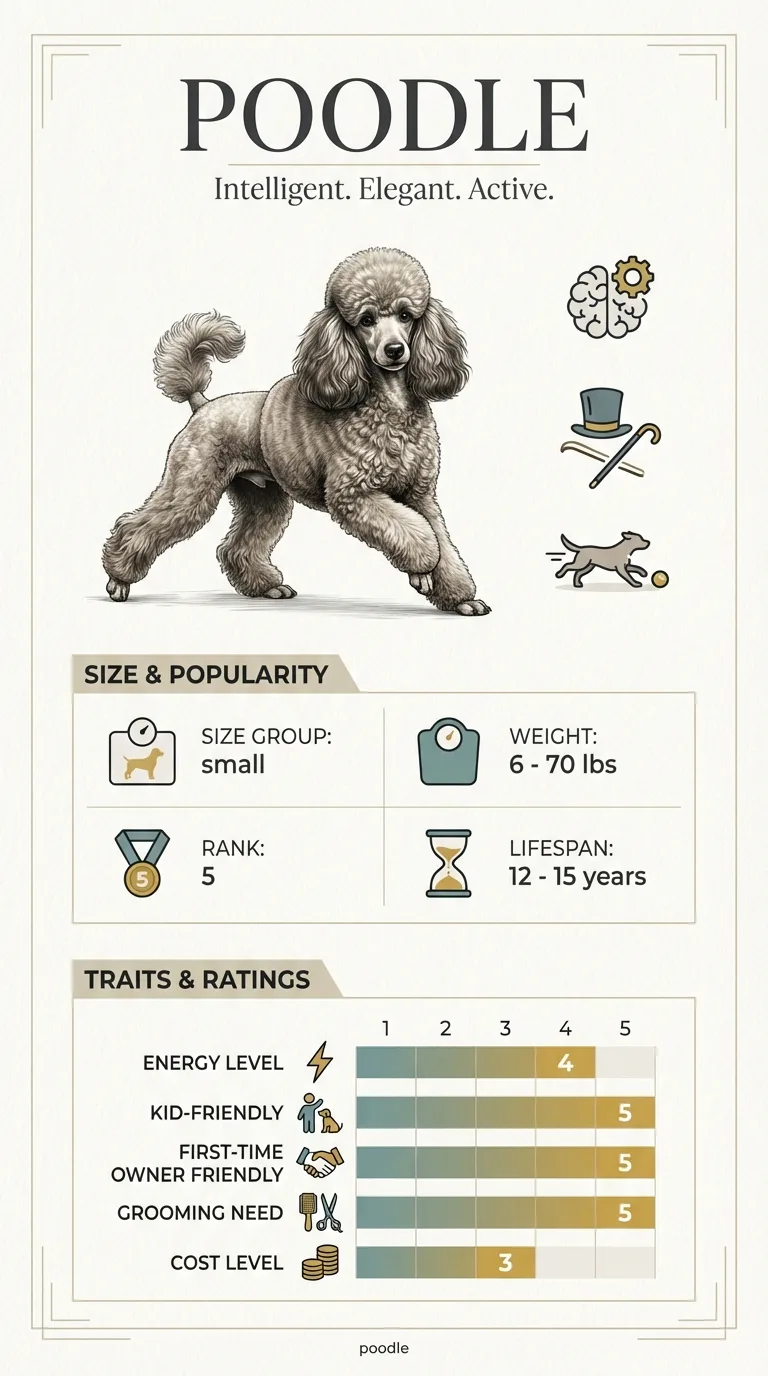
Many Poodle owners, especially first-time dog parents, might struggle with exercise intolerance. They often notice their dogs becoming tired or panting excessively after short walks or play sessions.
This guide is not medical advice. If your dog shows pain, sudden behavior change, or worsening symptoms, consult a licensed veterinarian.
Some links may be affiliate links. We may earn a commission at no extra cost to you. We only suggest products we believe are helpful for dog owners.
We research and check what we publish, but we do not warrant that any figure, date, price, or statement is accurate, complete, or current, and we accept no liability for any loss, cost, injury, or other harm arising from the use of this site. Use it as one reference among several. You remain responsible for your own decisions and for your dog's care - confirm anything that matters with a licensed veterinarian or another qualified professional before you act on it. Full disclaimer.
Check this first
Recognizing when your Poodle's exercise intolerance becomes an emergency can save their life. There are clear signs that indicate you should call your vet immediately. For example, if your Poodle shows excessive panting, collapsing, or difficulty breathing after minimal exercise, these are red flags. Additionally, if they become disoriented, have a rapid heartbeat, or are unresponsive, seek veterinary care right away.
On the other hand, there are milder cases of exercise intolerance that you can monitor. If your Poodle seems a little tired after a walk or has a slower recovery time without other concerning symptoms, it might not be urgent. In such cases, keep track of their activity levels and adjust their exercise routine to avoid overexertion. Establishing a gradual exercise plan can help them build stamina without risking their health. Always observe their behavior closely, and if you notice any concerning changes, don’t hesitate to consult your vet.
If any of these apply, call your vet or an emergency clinic now. The rest of this page is for the cases that are not an emergency.
Poodle exercise intolerance can make daily activities challenging for both the dog and the owner. This condition often shows up when your Poodle seems reluctant to engage in physical activities, gets tired quickly, or even refuses to walk. While Poodles are generally active and intelligent, some may struggle with exercise due to health issues or environmental factors.
Exercise intolerance is not uncommon in Poodles, particularly as they age or if they have specific health concerns. Many owners report noticing this issue, especially in warmer months or after intense activities.
Poodles, especially smaller ones, can have exercise intolerance due to their physical structure and energy levels. Their size may make them more susceptible to overheating and fatigue during intense activities.
Environmental factors also play a big role. Hot weather, inadequate hydration, or not having enough gradual exercise can lead to your Poodle feeling overwhelmed and unable to keep up.
If your Poodle's exercise intolerance seems severe or is accompanied by other concerning symptoms like coughing or lethargy, contact your vet. They can rule out any underlying health issues.
Here are common mistakes dog owners make that can worsen exercise intolerance in Poodles, along with safer alternatives.
See all Poodle health problems, which breeds are prone to exercise intolerance, or the full Poodle breed guide for temperament, exercise needs and ownership costs.
You might see improvements in your Poodle's exercise tolerance within 4 to 8 weeks of consistent care and management.
Success means your Poodle can engage in regular, moderate exercise without showing signs of fatigue or overheating. They should enjoy walks and playtime without excessive panting or lethargy.
Jenna, a first-time dog owner, adopted Max, a lively Poodle, and soon noticed he struggled during their walks. He would tire quickly and pant heavily, prompting Jenna to worry. After researching Poodle exercise intolerance, she learned about pacing and gradually increasing exercise. Jenna started with short, calm strolls, allowing Max to rest often. Over weeks, they slowly built up to longer walks, and Max began to show more energy and enthusiasm. Jenna also adjusted their play sessions to include more breaks. In time, Max comfortably enjoyed their outdoor adventures together.
Key takeaway: With patience and gradual adjustments in exercise, even Poodles with exercise intolerance can thrive and enjoy active lifestyles.
Poodle exercise intolerance can occur due to several factors, including age, health issues, or environmental conditions. Overheating and overexertion are common risks, especially in warmer climates. If your Poodle shows signs of fatigue or excessive panting during exercise, it’s essential to assess their activity level and adjust accordingly.
To help manage Poodle exercise intolerance, start with shorter, more frequent walks instead of long sessions. Monitor your Poodle closely for signs of fatigue and provide regular breaks. Gradually increase exercise intensity as they build endurance.
Symptoms of exercise intolerance in Poodles include excessive panting, reluctance to walk or play, and a noticeable drop in energy levels. If your Poodle appears weak or unsteady, these are warning signs to stop the activity immediately. Always consult your vet if you notice these symptoms persistently.
Poodle exercise intolerance training should focus on building stamina gradually. Incorporating playtime and fun activities can help motivate your Poodle while keeping them engaged. Consider obedience classes that offer gentle exercises tailored to their needs.
While exercise intolerance can occur in any breed, it is particularly noted in Poodles due to their varying energy levels. Factors like age, underlying health conditions, and environmental conditions can also play a role.
If your Poodle shows persistent signs of exercise intolerance, such as difficulty breathing or extreme fatigue, it's important to consult a vet. They can rule out any serious underlying health issues.
Yes, older Poodles may exhibit exercise intolerance due to decreased stamina and health issues. It's crucial to adjust their exercise routine to suit their age and physical condition.
To help your Poodle, focus on shorter, more frequent exercise sessions instead of long workouts. Gradually increase the intensity and always monitor their comfort level during activities.
If your Poodle is tired after a short walk, ensure they are well-hydrated and take a break. Avoid pushing them too hard and monitor their behavior closely for any unusual signs.
Aim for moderate exercise 30 minutes to an hour daily, divided into shorter sessions. Adapt the intensity based on how your Poodle responds during activities.
Yes, heat can significantly impact your Poodle's exercise ability. Avoid exercising during peak heat hours and provide plenty of water and shade.
Monitor your Poodle's energy levels, keep exercise sessions short, and gradually increase intensity. Always provide breaks and ensure they stay hydrated.
A one-page prep sheet for this condition: the signs, the questions to ask, what to get priced. Unlocks here.
You get: Vet visit prep sheet
No spam. One-click unsubscribe. See our privacy policy.
See a sample page before you decide.
Early access list
The free prep sheet covers the same-day warning signs, a symptom log and the questions to ask. We are considering a fuller kit that adds a cost worksheet for the usual tests and treatments (US price ranges with their sources) and a plain-English guide to ways of covering the bill. It is not built yet; this list tells us whether it is worth building.
One email, no spam, unsubscribe anytime. Information only, not veterinary advice.