Behavior
What are some quick tips for Rottweiler exercise intolerance?
Ensure regular breaks during exercise and keep activities low-impact to prevent overheating. Hydration is key, so always provide water during and after exercise.

Quick answer
What are some quick tips for Rottweiler exercise intolerance?
Ensure regular breaks during exercise and keep activities low-impact to prevent overheating. Hydration is key, so always provide water during and after exercise.
Rottweiler exercise intolerance can be a concerning issue for owners. It can lead to overheating and overexertion risks.
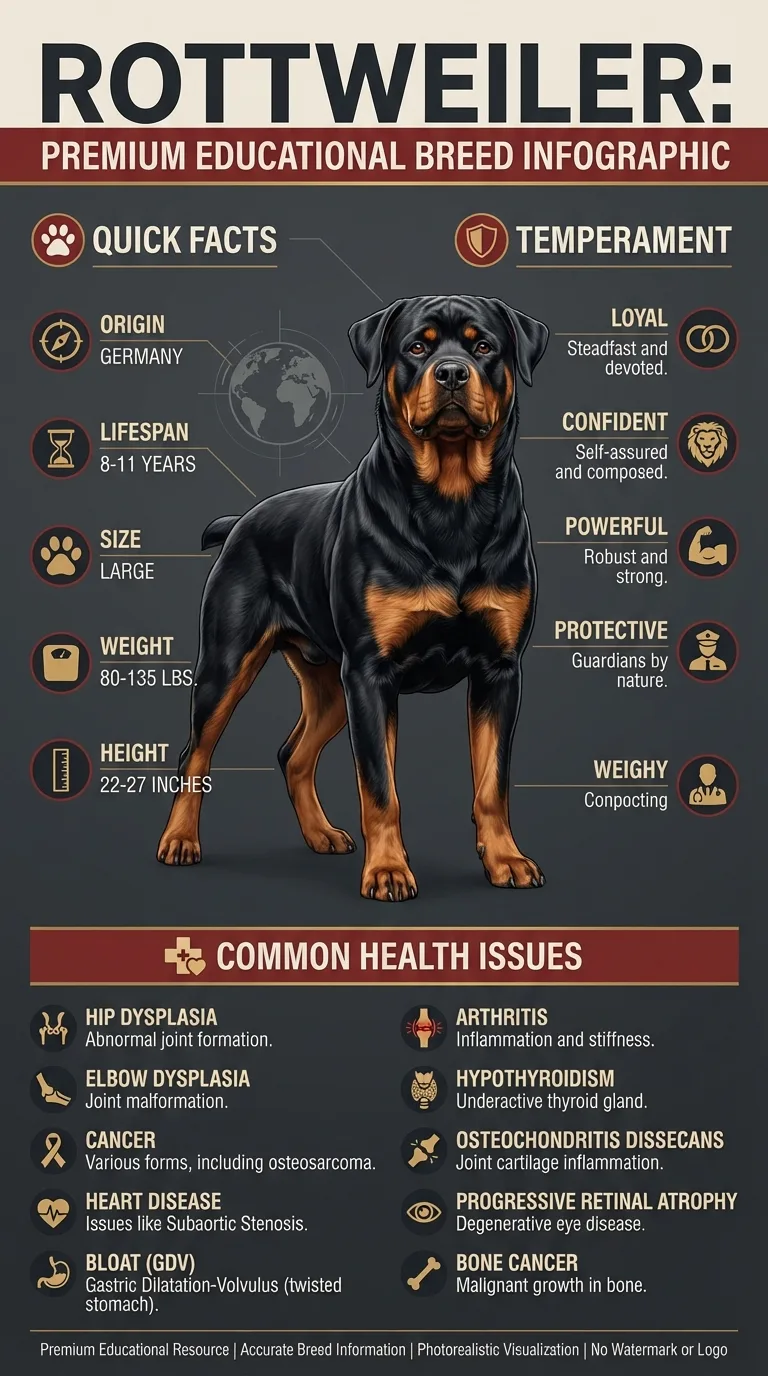
Typically, Rottweiler owners who notice their dogs becoming easily fatigued or overheated during exercise face this issue. This can be especially challenging for active families or individuals who want their Rottweilers to keep up with outdoor activities.
This guide is not medical advice. If your dog shows pain, sudden behavior change, or worsening symptoms, consult a licensed veterinarian.
Some links may be affiliate links. We may earn a commission at no extra cost to you. We only suggest products we believe are helpful for dog owners.
We research and check what we publish, but we do not warrant that any figure, date, price, or statement is accurate, complete, or current, and we accept no liability for any loss, cost, injury, or other harm arising from the use of this site. Use it as one reference among several. You remain responsible for your own decisions and for your dog's care - confirm anything that matters with a licensed veterinarian or another qualified professional before you act on it. Full disclaimer.
Check this first
Recognizing when Rottweiler exercise intolerance is an emergency can save your dog's life. There are clear signs that mean you should call your vet immediately. These include excessive panting, difficulty breathing, or collapsing after exercise.
If your Rottie shows signs of extreme lethargy, disorientation, or has a blue-tinged tongue, don't wait. Take action right away.
On the other hand, mild cases of exercise intolerance can often be monitored at home. If your Rottweiler seems tired after a normal activity but recovers quickly, it may not be a cause for alarm. You can watch for changes in behavior, such as reluctance to exercise or unusual fatigue during play.
Keeping a log of your dog's activity levels can help you track any concerning patterns.
If you notice signs like mild panting or a slight decrease in energy, consider adjusting their exercise routine. Offer shorter, more frequent walks instead of one long session. Pay attention to your dog's hydration levels and ensure they have plenty of water before, during, and after exercise.
A proactive approach is essential to managing exercise intolerance effectively.
If any of these apply, call your vet or an emergency clinic now. The rest of this page is for the cases that are not an emergency.
Rottweiler exercise intolerance is a common issue where dogs struggle to cope with physical activity. This may manifest as excessive panting, lethargy, or even refusal to walk after short bursts of exercise. Owners often notice their Rottweiler becoming overheated or fatigued much quicker than expected, which can be concerning.
Exercise intolerance is relatively common in Rottweilers, especially as they age or if they have pre-existing health conditions. Many owners report dealing with this problem at some point, highlighting the need for careful monitoring and management of their dog's exercise routine.
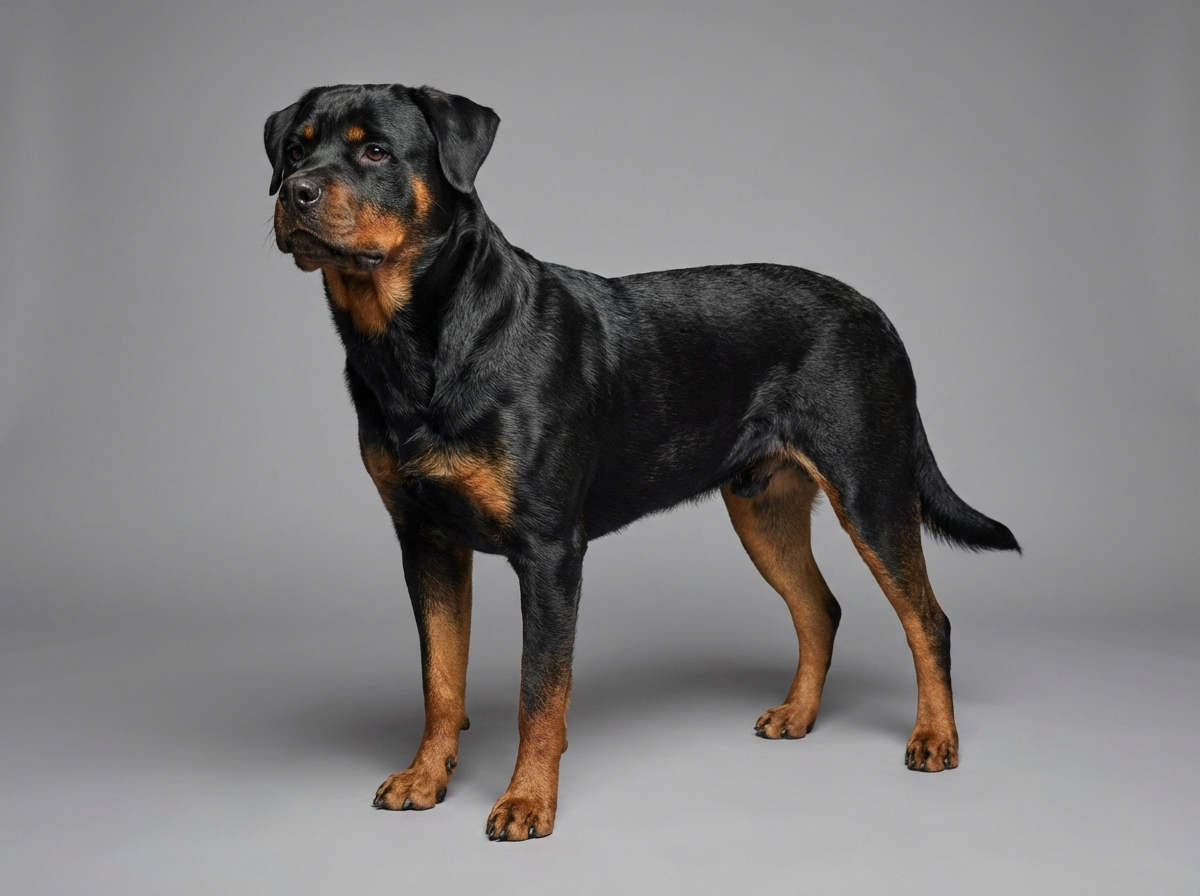
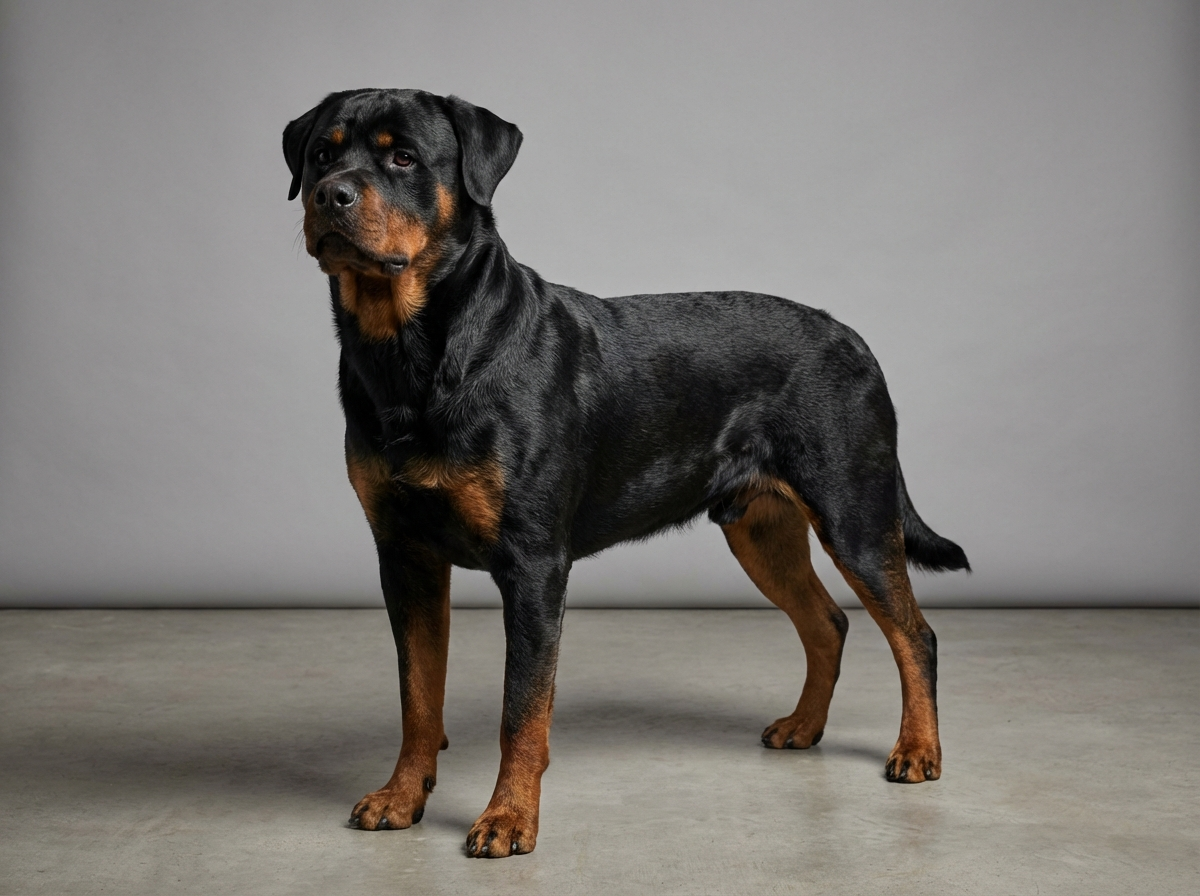
Rottweilers are large, powerful dogs with a strong build. Their size can make them prone to certain health issues that affect their ability to exercise. Common problems like hip dysplasia or heart disease may lead to exercise intolerance, causing them to tire easily or overheat.
Environmental factors play a significant role in exercise intolerance. High temperatures can cause overheating, while insufficient physical activity or mental stimulation can exacerbate the problem. Additionally, a lack of proper conditioning can lead to decreased stamina.
If you notice persistent exercise intolerance, take your Rottweiler to the vet. This is especially important if they exhibit symptoms like coughing, limping, or excessive panting. Early intervention can help address potential health issues.
Avoiding these common mistakes can help improve your Rottweiler's exercise intolerance and promote better health.
See all Rottweiler health problems, which breeds are prone to exercise intolerance, or the full Rottweiler breed guide for temperament, exercise needs and ownership costs.
Expect to see gradual improvement over 4 to 6 weeks. Consistent care and monitoring are key.
Success means your Rottweiler can engage in regular exercise without excessive fatigue or overheating. They should show increased stamina and a more balanced energy level.
Lena, a dedicated dog owner in Houston, noticed her Rottweiler, Max, was struggling to keep up during their walks. Initially, she thought he just needed more exercise. After consulting with her vet, she learned that Max had exercise intolerance, making him prone to overheating. Determined to help him, Lena adjusted their routine by incorporating shorter, more frequent walks and focused on cool-down practices after each session. Over the next few weeks, Max gradually built up his stamina. Lena celebrated their milestones, like completing a 30-minute walk without excessive panting or fatigue. Now, they enjoy their time together outdoors, and Max is much happier and healthier.
Key takeaway: Understanding your dog's limits and adjusting exercise routines can lead to better health and happier playtime.
Signs of Rottweiler exercise intolerance include excessive panting, reluctance to continue exercising, or signs of distress like whining. If your Rottweiler shows these symptoms, it's important to stop the activity and let them rest. Always monitor their behavior closely during exercise.
To help a Rottweiler with exercise intolerance, focus on shorter, low-impact activities and ensure they take plenty of breaks. You can also consult a trainer for Rottweiler exercise intolerance training techniques that adapt to their needs. Hydration and staying cool are crucial.
Exercise intolerance can occur in Rottweilers, especially if they have health issues like hip dysplasia or heart disease. It's not unusual, but it’s essential to monitor their exercise closely. If you notice consistent problems, seek veterinary advice for a proper evaluation.
Yes, training for Rottweiler exercise intolerance focuses on building stamina gradually. Engage in low-impact activities and increase duration slowly to help them adapt. Always ensure they have breaks and access to water.
If your Rottweiler consistently shows signs of exercise intolerance or if you notice any sudden changes in their behavior, consult a vet. Early intervention can help address potential health issues before they become serious.
If your Rottweiler frequently shows signs of exercise intolerance or seems to struggle more than usual, it's time to consult a vet. They can help determine if there’s an underlying health issue, such as heart disease or hip dysplasia. Regular check-ups are important for maintaining your dog's health.
Yes, older Rottweilers may show exercise intolerance due to age-related issues like arthritis or heart problems. They might need shorter, more frequent walks instead of long sessions. Always tailor their exercise routine to their age and physical condition.
Ensure regular breaks during exercise and keep activities low-impact to prevent overheating. Hydration is key, so always provide water during and after exercise.
Rottweilers typically need about 1 to 1.5 hours of exercise daily, but split this into shorter sessions if they show signs of fatigue.
Interactive toys that encourage light play can be great for Rottweilers with exercise intolerance. Look for puzzle toys that engage them mentally without too much strain.
A one-page prep sheet for this condition: the signs, the questions to ask, what to get priced. Unlocks here.
You get: Vet visit prep sheet
No spam. One-click unsubscribe. See our privacy policy.
Preview page 1 before you decide.