DogBreedCompass
← Back to breed profile

Understanding Yorkshire Terrier Exercise Intolerance

Yorkshire Terrier exercise intolerance can be a concerning issue, impacting their activity levels and overall health.

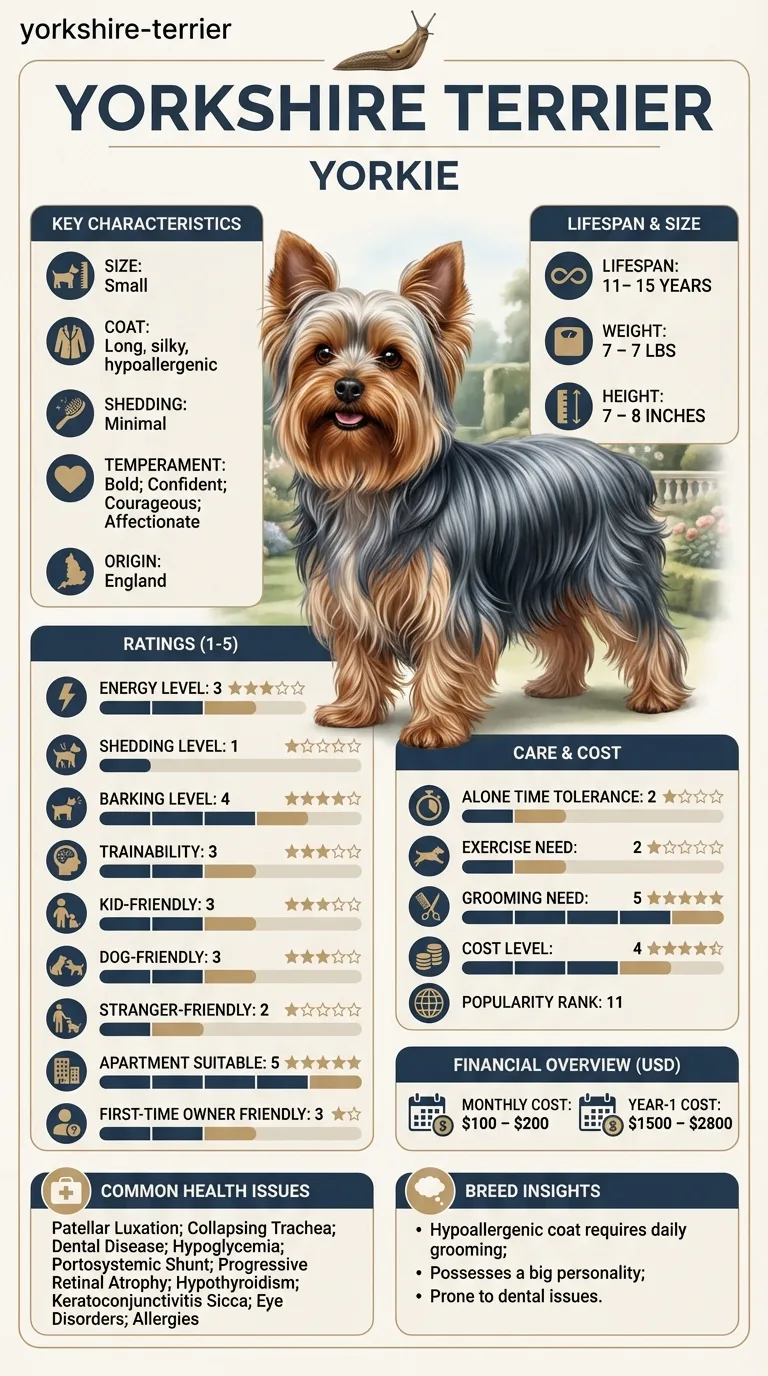
Understanding Yorkshire Terrier Exercise Intolerance infographic

Typically, first-time Yorkie owners or those unfamiliar with the breed's specific exercise requirements struggle with this issue. Busy families or individuals may also find it challenging to balance their dog's energy levels and exercise needs.

Important reminder

This guide is not medical advice. If your dog shows pain, sudden behavior change, or worsening symptoms, consult a licensed veterinarian.

Some links may be affiliate links. We may earn a commission at no extra cost to you. We only suggest products we believe are helpful for dog owners.

What this problem looks like

Yorkshire Terrier exercise intolerance can be a real challenge for owners. This condition often manifests as a reluctance or inability to engage in physical activities like walking or playing. Many Yorkies may tire easily or show signs of distress during exercise, making it crucial for owners to understand their dog's limits.

Common triggers

  • Hot weather, which can lead to overheating.
  • Excessive physical activity beyond their capacity.
  • Health issues like dental disease or patellar luxation that make movement uncomfortable.

This issue is fairly common among Yorkshire Terriers, especially given their small size and delicate constitution. Many owners report noticing signs of exercise intolerance, particularly in warmer months or after prolonged activity.

Why this happens

Breed factors

Yorkshire Terriers, or Yorkies, are small dogs with a moderate exercise need. Their tiny size and body structure can make them more sensitive to extreme temperatures, leading to exercise intolerance. Additionally, some Yorkies may have inherited health issues like collapsing trachea or hypoglycemia, which can affect their stamina during exercise.

Environment factors

Environmental factors can also contribute to exercise intolerance. Hot or humid weather can quickly tire out a Yorkie, making them reluctant to engage in physical activity. Poor air quality or high levels of pollution can further impact their ability to exercise comfortably.

What you can try

At-home strategies

  • Start with short walks. Aim for 10-15 minute strolls, especially in cooler parts of the day. Gradually increase the duration as your Yorkie builds stamina.
  • Incorporate playtime indoors. Use toys that encourage gentle activity, like soft balls or tug toys, which can keep your Yorkie engaged without overexerting them.
  • Monitor your Yorkie's breathing. If they seem to be panting excessively or struggling, stop the activity and let them rest in a cool place.

When to consider a trainer

If your Yorkie continues to show signs of exercise intolerance despite following at-home strategies, consider consulting a professional trainer. They can provide tailored exercises and tips specific to your dog's needs.

When to talk to your vet

If you notice persistent lethargy, excessive panting, or other concerning symptoms after light exercise, it’s essential to talk to your vet. They can check for underlying health issues that may be contributing to the exercise intolerance.

Realistic expectations

With consistent training and gradual exercise increases, you can expect to see improvements in your Yorkshire Terrier's stamina within 4 to 6 weeks.

Success means your Yorkie can comfortably participate in short walks and play sessions without showing signs of fatigue or overheating.

Mistakes that make this worse

Avoiding common pitfalls can help your Yorkshire Terrier thrive. Here are some mistakes to avoid.

  • Not recognizing signs of fatigue: Ignoring when your Yorkie shows tiredness can lead to overheating or injury. Always watch for signs like panting or lagging behind.
  • Overexerting during walks: Pushing your dog to walk longer or faster than they are comfortable can worsen their exercise intolerance. Keep walks short and at a leisurely pace.
  • Skipping warm-up and cool-down: Jumping straight into play can strain your dog. Always start with a gentle warm-up and end with a cool-down period.
  • Failing to hydrate: Dehydration worsens exercise intolerance. Ensure your Yorkshire Terrier has access to fresh water before, during, and after exercise.
  • Not adapting to weather conditions: Taking your Yorkie out in extreme heat or cold can exacerbate exercise issues. Always choose a comfortable time for walks.
  • Ignoring rest days: Regular exercise is important, but too much can lead to burnout. Schedule rest days to help your dog recover.
  • Neglecting veterinary advice: Dismissing your vet's recommendations can delay improvement. Always consult with your vet for tailored guidance.

When Yorkshire Terrier Exercise Intolerance is an Emergency

Understanding when to seek immediate veterinary care for your Yorkshire Terrier is crucial. If your Yorkie shows severe signs of exercise intolerance, like difficulty breathing, excessive panting, or lethargy, it's time to call your vet right away. Other red-flag signs include a rapid heart rate, vomiting, or if your dog collapses during or after exercise.

These symptoms can indicate serious health issues that need urgent attention.

On the other hand, if your Yorkie occasionally seems tired after play but quickly recovers, you might not need to panic. Monitoring their behavior after light exercise is key. Look for signs like mild fatigue or a short recovery period, which are usually not concerning.

Keep an eye on your dog’s hydration levels and ensure they take breaks during playtime. Regularly check for any unusual changes in their behavior or energy levels.

If you notice persistent issues, it’s wise to create a plan with your vet. They can help determine if your Yorkie has underlying health problems, such as heart conditions or respiratory issues, that could be causing these symptoms. Remember, it's always better to err on the side of caution when it comes to your dog's health.

When in doubt, consult your vet for guidance.

Understanding Yorkshire Terrier Exercise Intolerance - When Yorkshire Terrier Exercise Intolerance is an Emergency

Finding Balance: A Yorkie's Journey Through Exercise Intolerance

Emma, a busy nurse in Boston, adopted a Yorkshire Terrier named Charlie. At first, she was excited to take him on daily runs, but Charlie would tire quickly, panting heavily and refusing to walk. Concerned, Emma consulted her vet, who confirmed that some Yorkies can struggle with exercise intolerance. They worked together to create a plan that included short, controlled outings and plenty of rest breaks. Over six weeks, Emma gradually increased the length of their walks while paying attention to Charlie's comfort levels. Now, Charlie enjoys his walks and even plays with other dogs in the park, all while staying safe and happy.

Key takeaway: Understanding and adapting to your Yorkshire Terrier's exercise needs can lead to happier, healthier adventures together.

Frequently asked questions

Why does my Yorkshire Terrier have exercise intolerance?

Yorkshire Terriers can experience exercise intolerance due to several factors, including their small size and potential health issues like patellar luxation or collapsing trachea. It's important to monitor their activity levels and watch for signs of exhaustion or overheating. If you're concerned, consult your vet for tailored advice.

How can I train my Yorkshire Terrier to overcome exercise intolerance?

To help your Yorkshire Terrier with exercise intolerance, start with short, gentle walks and gradually increase the duration as they build endurance. Incorporate playtime with low-impact activities, and always keep an eye on their energy levels. Consistent, positive reinforcement can help them feel more comfortable with exercise.

What are the signs of exercise intolerance in Yorkshire Terriers?

Signs of exercise intolerance in Yorkshire Terriers include excessive panting, reluctance to continue walking, or signs of distress like whining or hiding. If they seem overly tired or show difficulty breathing, it's crucial to stop the activity and allow them to rest. Always consult your vet if you're unsure.

How often should I exercise my Yorkshire Terrier?

Yorkshire Terriers typically need about 30 minutes of exercise each day, broken into shorter sessions. This can include walks, playtime, or mental stimulation activities. Tailor the routine to your dog's energy levels and always prioritize their comfort.

Can diet affect my Yorkshire Terrier's exercise tolerance?

Yes, diet plays a significant role in your Yorkshire Terrier's overall health and energy levels. A balanced diet with appropriate nutrients can enhance their stamina. Consult your vet for tailored dietary recommendations to support their exercise needs.

What are the signs of exercise intolerance in a Yorkshire Terrier?

Signs of exercise intolerance in a Yorkshire Terrier can include heavy panting, reluctance to walk, or collapsing during play. If your Yorkie seems unusually tired or shows discomfort after light exercise, it’s important to take note.

How can I help my older Yorkshire Terrier with exercise intolerance?

Older Yorkshire Terriers may experience exercise intolerance due to age-related health issues. Gentle, shorter walks and low-impact activities, like playtime indoors, can help keep them active without overexertion.

When should I take my Yorkshire Terrier to the vet for exercise intolerance?

If your Yorkshire Terrier’s exercise intolerance is sudden or severe, or if they display other concerning symptoms like coughing or lethargy, it’s best to see a vet. Early intervention can help address any underlying health issues.

Can a Yorkshire Terrier's exercise intolerance be managed with training?

Yes, training can help manage Yorkshire Terrier exercise intolerance by gradually increasing their activity levels in a controlled way. Consult with a professional trainer who understands the breed’s needs for the best results.

What precautions should I take during hot weather for my Yorkshire Terrier?

During hot weather, be cautious with your Yorkshire Terrier’s exercise routine. Limit outdoor activities to early morning or late evening, provide plenty of water, and watch for signs of overheating, such as excessive panting or drooling.

Quick answers

View more answers
Behavior

What are quick tips for Yorkshire Terrier exercise intolerance?

Start with brief exercise sessions and gradually increase them. Always monitor for signs of fatigue, and provide plenty of water. If your Yorkie struggles, consult a vet for advice.

Health

What should I do if my Yorkshire Terrier overheats?

If your Yorkshire Terrier overheats, move them to a cool area immediately and offer fresh water. Dampen their paws and belly with cool (not cold) water, and monitor their temperature.

Training

How can I make exercise fun for my Yorkshire Terrier?

Mix up walks with playtime using toys or gentle games like fetch. Short, engaging activities can keep them interested and motivated without overwhelming them.

Related DogBreedCompass guides

  • Yorkshire Terrier behavior problemsLearn how to manage your Yorkshire Terrier's behavior issues effectively.
  • how to stop Yorkshire Terrier exercise intoleranceExplore common reasons for exercise intolerance and how to address them.
  • Yorkshire Terrier exercise intolerance trainingGet tips on training your Yorkie to handle exercise better.
  • Yorkshire Terrier separation anxiety guideDiscover effective strategies to reduce separation anxiety in Yorkies.
  • Yorkshire Terrier cost breakdownUnderstand the overall costs associated with owning a Yorkshire Terrier.

Related guides