Costs
What's the typical price range for bloat surgery?
Generally $1,500 to $7,500 depending on tissue damage severity, hospitalization length, and whether the clinic is a general practice or specialty emergency center.

Quick answer
What's the typical price range for bloat surgery?
Generally $1,500 to $7,500 depending on tissue damage severity, hospitalization length, and whether the clinic is a general practice or specialty emergency center.
A $1,500 to $7,500 range sounds enormous until you understand what drives it, and by then you're either grateful you planned for it or scrambling to figure out how to pay it in the middle of the night.
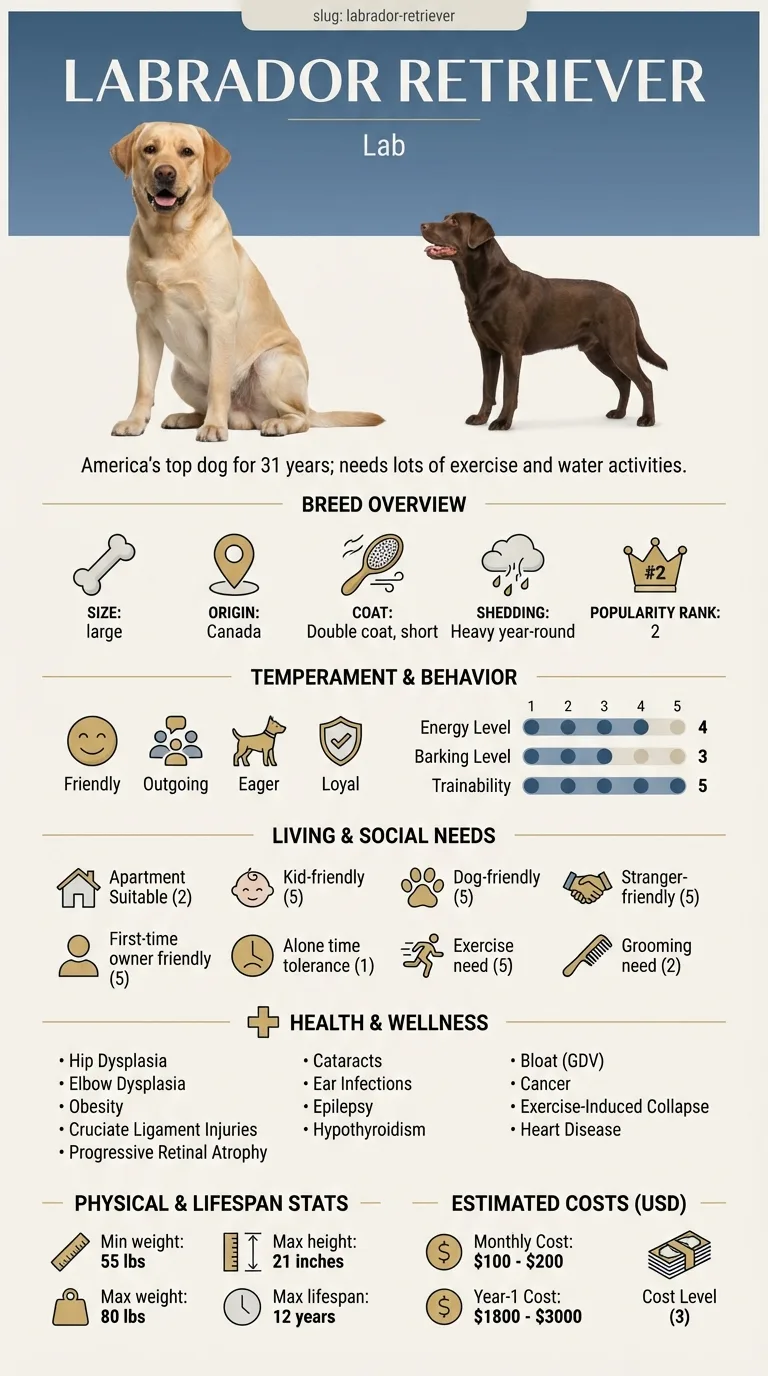
Owners of large, deep-chested Labradors, particularly those without pet insurance or an emergency fund set aside, are the ones for whom this cost conversation matters most, since GDV surgery is rarely a cost you get advance notice to plan for.
This guide is not medical advice. If your dog shows pain, sudden behavior change, or worsening symptoms, consult a licensed veterinarian.
Some links may be affiliate links. We may earn a commission at no extra cost to you. We only suggest products we believe are helpful for dog owners.
We research and check what we publish, but we do not warrant that any figure, date, price, or statement is accurate, complete, or current, and we accept no liability for any loss, cost, injury, or other harm arising from the use of this site. Use it as one reference among several. You remain responsible for your own decisions and for your dog's care - confirm anything that matters with a licensed veterinarian or another qualified professional before you act on it. Full disclaimer.
Gastric dilatation-volvulus, commonly called bloat, is a life-threatening emergency where a dog's stomach fills with gas and twists on itself, cutting off blood supply. It's a documented risk for Labrador Retrievers as a large, deep-chested breed. Treatment cost typically runs $1,500 to $7,500, driven mainly by how much tissue damage has occurred by the time surgery starts and how long the dog needs hospitalized monitoring afterward.
Bloat is specifically documented as a health risk for Labrador Retrievers given the breed's size and chest depth, making it one of the more serious, cost-relevant emergencies owners of this breed should genuinely plan for rather than dismiss as unlikely.
As a large, deep-chested breed, Labrador Retrievers carry a documented, real risk for gastric dilatation-volvulus, and that classification is exactly why the associated surgical cost is worth planning for specifically in this breed rather than treating it as a generic, low-probability risk.
Feeding practices matter more than almost anything else here: fast, single large meals, exercise too close to eating, and stressful feeding environments where a dog eats hurriedly all raise bloat risk and, by extension, the odds of facing this cost.
Discuss preventive gastropexy with your vet, especially if your dog is already scheduled for a spay or neuter, or if you have a family history of bloat in your dog's line. This is a proactive conversation to have well before any emergency, not during one.
See all Labrador Retriever health problems, which breeds are prone to bloat gastric dilatation volvulusgdv, or the full Labrador Retriever breed guide for temperament, exercise needs and ownership costs.
If surgery is needed, expect one to three nights of hospitalization followed by two to four weeks of restricted activity at home. Financial planning, by contrast, is something to put in place well before any emergency, ideally when your dog is young and healthy.
Success is being financially prepared enough that a bloat emergency becomes a medical crisis to manage rather than also an unplanned financial one, whether through insurance, savings, or a preventive gastropexy that reduces the odds of needing this level of treatment at all.
The wide range reflects real variables in how a GDV case unfolds, not inconsistent pricing:
Because bloat happens with no warning and needs treatment within hours, this isn't a cost you can shop around for in the moment. The two realistic ways to prepare are pet insurance with an emergency and surgical rider taken out well before any symptoms appear, or a dedicated emergency fund sized around the upper end of the typical range. Given that Labradors are a large, documented at-risk breed for this specific condition, treating this as a "when," not an "if," cost to plan for is the more honest framing than hoping it never comes up.

Tank, a seven-year-old Labrador, started retching unproductively and pacing restlessly late one night, and his owner recognized the signs immediately after reading about bloat months earlier. At the emergency clinic, X-rays confirmed a twisted stomach, and Tank went into surgery within the hour. Because his owner acted fast, tissue damage was minimal, and the bill came in near the lower end of the typical range, still a significant unplanned expense, but manageable because they'd set aside an emergency fund a year earlier after first reading about the breed's risk. Tank recovered fully over three weeks, and his owner has since recommended every fellow Lab owner she knows read up on bloat symptoms before they ever need to recognize them under pressure.
Key takeaway: The financial size of a bloat emergency is real, but acting fast at the first sign of symptoms is what keeps both the medical outcome and the final cost from climbing toward the higher end of the range.
The total reflects emergency stabilization, the surgery itself, possible tissue removal if part of the stomach or spleen is damaged, and one to three nights of intensive post-surgical monitoring, all of which add up quickly in an emergency setting.
Most accident and illness pet insurance plans cover GDV if it wasn't a pre-existing condition when the policy started, though coverage details, waiting periods, and reimbursement percentages vary significantly by provider.
Yes, a preventive gastropexy, often done at the same time as a spay or neuter, tacks the stomach in place to prevent twisting. It costs less than emergency surgery and removes the volvulus risk, though the stomach can technically still dilate without twisting.
A twisted stomach cuts off its own blood supply and can compromise the spleen within hours; the longer it goes untreated, the more tissue damage occurs, which directly increases both surgical complexity and cost.
Ask the emergency vet immediately about payment plans, care credit options, or nonprofit emergency funds; some clinics can discuss a phased approach, but delaying treatment itself significantly worsens the prognosis.
Survival rates are good when treatment starts quickly, but they drop the longer the stomach has been twisted, which is why speed matters as much for outcome as it does for keeping the cost from climbing further.
Most dogs stay hospitalized one to three nights, then need two to four weeks of restricted activity at home with a gradual return to normal exercise as the incision heals.
The early signs are set out in the sections above, and they are the reason to book a veterinary appointment rather than wait. Bloat (gastric Dilatation-volvulus/gdv) in Labs is diagnosed by a vet, not from a symptom list, and the sooner it is on record the more options remain open.
The early signs are set out in the sections above, and they are the reason to book a veterinary appointment rather than wait. Bloat (Gastric Dilatation-Volvulus/GDV) in Labrador Retrievers is diagnosed by a vet, not from a symptom list, and the sooner it is on record the more options remain open.
Generally $1,500 to $7,500 depending on tissue damage severity, hospitalization length, and whether the clinic is a general practice or specialty emergency center.
For a large breed with documented bloat risk, many vets consider it a reasonable investment that trades a smaller planned cost for a much larger, unplannable emergency risk.
Immediately; this is a same-hour emergency, not a same-day one. A twisted stomach can become fatal within a matter of hours.
Reimbursement timing varies by insurer, typically days to a few weeks after claim submission, which is why an emergency fund or credit option still matters even with insurance in place.
You can ask about itemized costs and payment plan options, but treatment shouldn't be delayed to negotiate; ask these questions while stabilization is already underway.
A one-page prep sheet for this condition: the signs, the questions to ask, what to get priced. Unlocks here.
You get: Vet visit prep sheet
No spam. One-click unsubscribe. See our privacy policy.
Preview page 1 before you decide.