Health
What is the one sign that means drive now?
Repeated retching that brings nothing up, in a dog with a hard, distended belly. That combination is the classic GDV picture in any breed and is not a wait-and-see situation.

Quick answer
What is the one sign that means drive now?
Repeated retching that brings nothing up, in a dog with a hard, distended belly. That combination is the classic GDV picture in any breed and is not a wait-and-see situation.
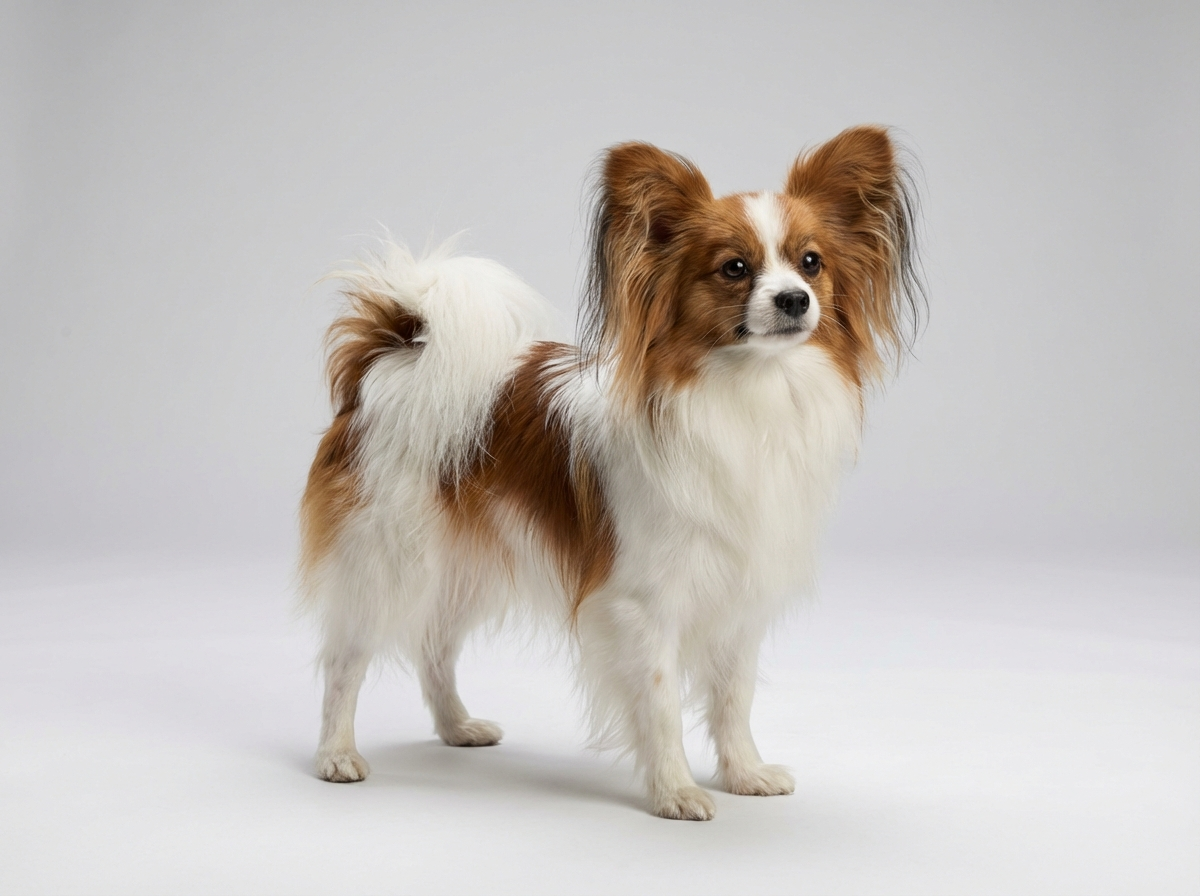
The published risk lists read like a roll call of giant breeds. A Papillon is roughly one twelfth the weight of the dogs at the top of that list.
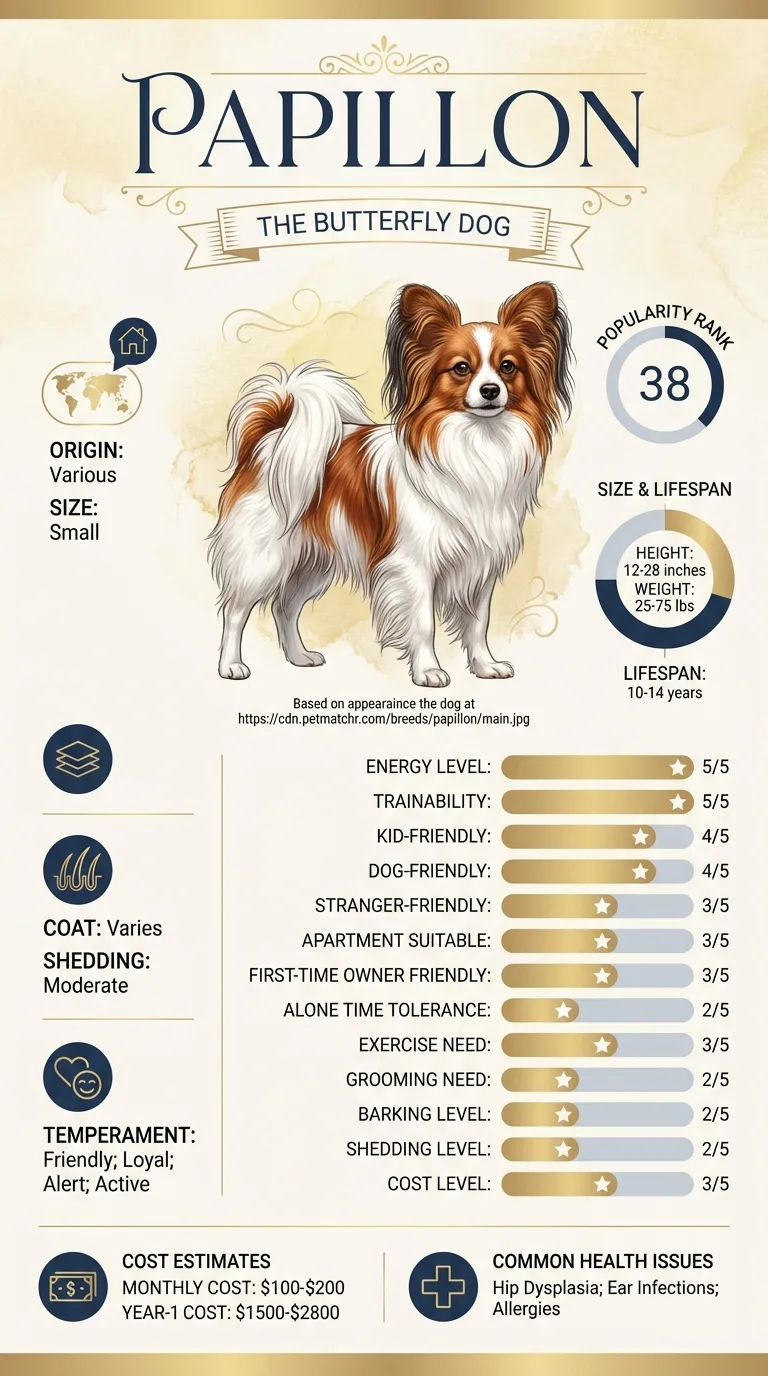
Owners who have read a terrifying article about bloat and want to know whether it applies to a nine pound dog, and owners standing in a kitchen at ten at night looking at a Papillon with a belly that seems too round.
This guide is not medical advice. If your dog shows pain, sudden behavior change, or worsening symptoms, consult a licensed veterinarian.
Some links may be affiliate links. We may earn a commission at no extra cost to you. We only suggest products we believe are helpful for dog owners.
We research and check what we publish, but we do not warrant that any figure, date, price, or statement is accurate, complete, or current, and we accept no liability for any loss, cost, injury, or other harm arising from the use of this site. Use it as one reference among several. You remain responsible for your own decisions and for your dog's care - confirm anything that matters with a licensed veterinarian or another qualified professional before you act on it. Full disclaimer.
Check this first
The decision is easier than the internet makes it sound, because the signs that justify an out-of-hours drive are physical rather than interpretive.
A dog that is retching repeatedly and producing nothing is the single most important sign. Unproductive retching in a dog with a distended, drum-tight abdomen is the classic picture and it means going now, whatever the breed.
A belly that is visibly enlarged and firm to a gentle hand, pale gums, restlessness that will not settle into any position, and drooling all point the same way.
Against that, a Papillon with a round belly after a large meal, who is otherwise bright, will lie down, has pink gums and produces a burp or a stool, is describing a different situation. Watch that dog closely for two hours rather than driving. If anything on the first list appears, the watching stops.
When in doubt, the phone call is free. Describe the retching, the gum colour and the shape of the abdomen, and let a triage nurse make the call.
If any of these apply, call your vet or an emergency clinic now. The rest of this page is for the cases that are not an emergency.
GDV is a surgical emergency in which a gas-filled stomach rotates, cutting off its own circulation and obstructing the vein returning blood from the back half of the body. Untreated it kills within hours. It is overwhelmingly a large and giant breed disease, and a Papillon at five to ten pounds is not the patient it was described in. The practical value here is knowing the signs well enough to rule it out calmly.
Rare in toy breeds and absent from the Papillon's documented health list, which covers patellar luxation, progressive retinal atrophy, dental disease, an open fontanel and a collapsing trachea. In large breed populations lifetime incidence can reach double figures as a percentage; in dogs under twenty pounds it is an unusual case report rather than an expected event.
Chest geometry is the driver, and the Papillon does not have the geometry. GDV risk tracks with a deep, narrow thorax that gives the stomach room to swing on its ligaments, and with the sheer scale of a large stomach filled with gas. This breed is a compact eight to eleven inch dog with a chest that is neither deep nor narrow in the relevant sense. Nothing in its documented health profile relates to gastric anatomy, and none of the breed's known problems predispose to it.
For any dog, the associated circumstances are large rapid meals, gulping air, and hard exercise close to a feed. In a Papillon those habits still matter, but they produce a gassy, uncomfortable dog rather than a torsion. What genuinely lands toy dogs in emergency rooms with abdominal signs is dietary indiscretion: the fatty scrap from a plate, the swallowed sock, or the raid on a bin that a nine pound dog can reach by standing on a chair.
Treat repeated unproductive retching in a dog with a hard, swollen belly as an immediate emergency and drive without waiting for another sign. The same applies to pale or grey gums, collapse, obvious abdominal pain, or restlessness in a dog that cannot find any comfortable position. Call the same day for a swollen abdomen in a dog that is otherwise bright, for vomiting that has continued past a few hours, or for a Papillon that has stopped eating and seems tucked up and uncomfortable. Do not attempt to relieve a distended abdomen yourself under any circumstances.
See all Papillon health problems, which breeds are prone to bloat gastric dilatation volvulusgdv, or the full Papillon breed guide for temperament, exercise needs and ownership costs.
For any dog with genuine GDV, the whole story runs across hours: signs to surgery within two to four hours gives the best outlook, with several days in hospital and a fortnight of restricted activity afterwards. For a Papillon owner the realistic timeline is different and much shorter: a two-hour period of careful observation at home, most often ending in a comfortable dog and a normal morning.
Success here is calibration rather than cure. It looks like an owner who is not frightened of a round belly after supper, who can name the three signs that mean driving to the emergency room, who feeds in a way that stops gulping, and who has directed the worry and the insurance budget towards the problems this breed genuinely has.
The wide cost range attached to GDV reflects how far down the road a dog gets before it arrives. At the low end sits a dog that comes in early: stabilisation, decompression, surgery to untwist and tack the stomach, a night or two in hospital. At the high end sits a dog that arrived in shock, needed a section of dead stomach wall removed or a spleen taken out, and spent several days on intensive monitoring for the heart rhythm disturbances that follow.
For a Papillon owner the honest framing is that this is not the emergency to budget for. The predictable veterinary spending across a fourteen to sixteen year life in this breed goes on dental work, on the knees, and on eye disease, with an ordinary monthly running cost of eighty to one hundred and fifty dollars.
What is worth budgeting for is the general category: an out-of-hours abdominal emergency of some kind. In a toy dog that is far more likely to be a swallowed object, a pancreatic flare or a haemorrhagic gastroenteritis than a twisted stomach.

If you think your Papillon has bloat (gastric dilatation-volvulus/gdv), the plan is three steps: write down what you have seen and when it started, book a veterinary appointment rather than waiting for the next flare, and take video of the behaviour or symptom before you go — the thing you are worried about rarely happens in the consulting room. Screening in the parents covers patellar luxation, progressive retinal atrophy, dental disease.
What the vet visit should produce is a diagnosis and a written plan, not just reassurance: what is being ruled out, what the monitoring interval is, and which signs mean you come back sooner. Ask what the treatment costs across a year rather than per visit, because that is the number that decides whether you are managing this condition or reacting to it.
Between appointments, keep a short log — dates, what you saw, what changed. It is the single most useful thing an owner brings to a follow-up, and for bloat (gastric dilatation-volvulus/gdv) it is often what separates a clear pattern from a guess.
Halina's Papillon, Miki, got into a bag of dry food while she was upstairs and ate what she estimated at three days' worth. By nine that evening his abdomen was visibly round and he was pacing. She rang the emergency line. The nurse asked three questions: was he retching without producing anything, what colour were his gums, and would he lie down. He was not retching, his gums were good pink, and he lay down when she called him, but the pacing worried her and she drove in. Miki had a stomach full of swollen kibble and no torsion. He was given fluids, monitored for six hours and sent home. The bill was a fraction of what a surgical night would have been, and the vet told her the drive had been the right call on the information she had. The food now lives in a sealed bin in a cupboard with a childproof catch.
Key takeaway: Three questions sort almost every swollen belly: is the dog retching without result, what colour are the gums, and will it lie down. Any wrong answer earns a drive.
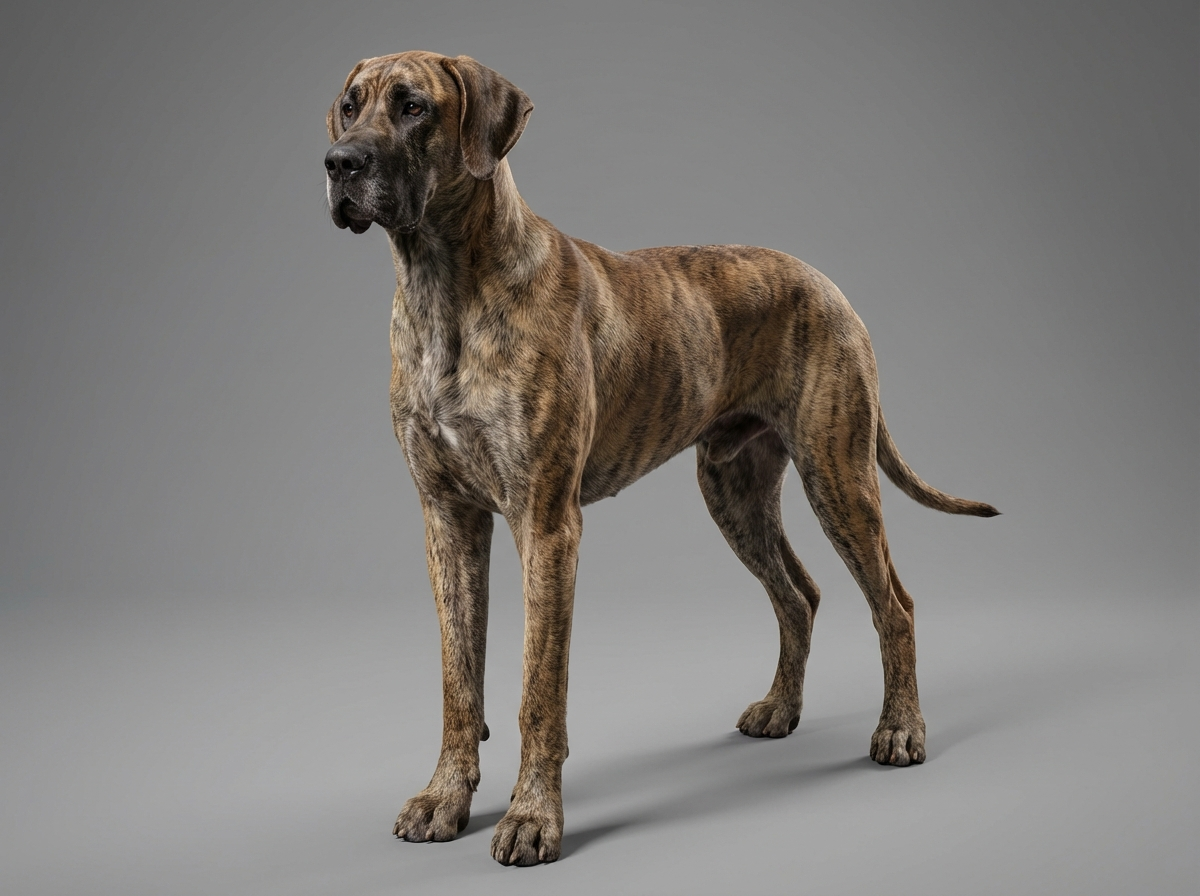
It has been reported in small dogs, but it is genuinely rare. The condition concentrates in large and giant deep-chested breeds such as Great Danes, Weimaraners and Standard Poodles, and body weight is one of the strongest predictors in every study of it.
Commonly fifteen hundred to seven and a half thousand dollars, depending on how sick the dog is on arrival. That figure is what makes owners hesitate, and hesitation is precisely what converts a survivable case into a fatal one.
Buy insurance for the whole picture rather than for one rare condition. A Papillon's realistic large claims are dental extractions, knee surgery, eye disease and emergency gastrointestinal illness. Any policy that covers those covers GDV as a by-product.
Prophylactic gastropexy is offered to at-risk giant breeds, often at the time of spay or neuter. It is not a standard recommendation for toy dogs, and putting a Papillon through an extra abdominal procedure for a risk this low is not a trade most vets would suggest.
Bright, comfortable and able to settle is reassuring, but a swollen abdomen in a small dog still has a differential list including fluid, an enlarged organ and pregnancy. Book an appointment within a day or two rather than dismissing it, and go immediately if she becomes dull or starts retching.
The evidence is mixed and mostly concerns large breeds, where at least one study associated raised bowls with higher risk rather than lower. For a Papillon it is not a meaningful decision either way, and bowl height should be chosen for comfort.
Repeated retching that brings nothing up, in a dog with a hard, distended belly. That combination is the classic GDV picture in any breed and is not a wait-and-see situation.
Low. Risk rises steeply with body weight and chest depth, and a five to ten pound dog sits at the bottom of every published risk table. It is not on this breed's documented health list.
A swallowed foreign object, a pancreatic flare, or acute vomiting and diarrhoea needing hospitalisation. Those are the abdominal emergencies that actually fill toy-breed hospital cages, and they cost hundreds to low thousands.
Yes, though for different reasons. Two or three measured meals a day steady blood sugar in a dog this size and stop the gulping that causes uncomfortable gas, which is the thing most owners mistake for bloat.
Easily. Scatter the meal across a snuffle mat or use a puzzle feeder. Papillons take to food puzzles enthusiastically given how trainable and food-motivated the breed is, and mealtimes stop being a race.
A one-page prep sheet for this condition: the signs, the questions to ask, what to get priced. Unlocks here.
You get: Vet visit prep sheet
No spam. One-click unsubscribe. See our privacy policy.
Preview page 1 before you decide.