Behavior
What are Rottweiler allergic reactions quick tips?
Keep your Rottweiler's living area clean and free of dust. Regular grooming will help reduce allergens in their fur. Always consult your vet for personalized allergy management strategies.

Quick answer
What are Rottweiler allergic reactions quick tips?
Keep your Rottweiler's living area clean and free of dust. Regular grooming will help reduce allergens in their fur. Always consult your vet for personalized allergy management strategies.
Rottweiler allergic reactions can be a frustrating issue for owners. These reactions can cause discomfort and health concerns for your furry friend.
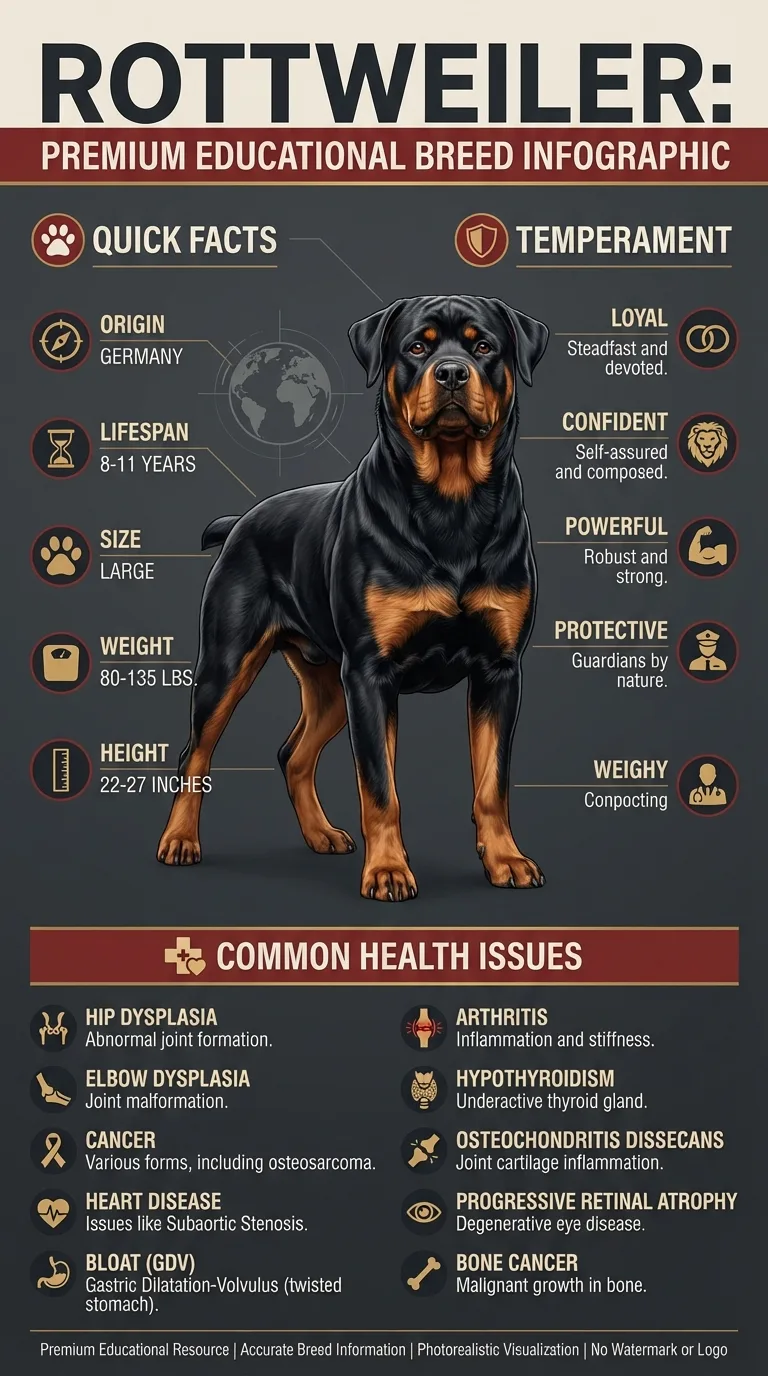
Many Rottweiler owners, especially first-time pet parents or those living in areas with high pollen or pollution, face this challenge. Owners may notice symptoms like itching, skin irritations, or gastrointestinal issues, which can be distressing for both the dog and the owner.
This guide is not medical advice. If your dog shows pain, sudden behavior change, or worsening symptoms, consult a licensed veterinarian.
Some links may be affiliate links. We may earn a commission at no extra cost to you. We only suggest products we believe are helpful for dog owners.
We research and check what we publish, but we do not warrant that any figure, date, price, or statement is accurate, complete, or current, and we accept no liability for any loss, cost, injury, or other harm arising from the use of this site. Use it as one reference among several. You remain responsible for your own decisions and for your dog's care - confirm anything that matters with a licensed veterinarian or another qualified professional before you act on it. Full disclaimer.
Check this first
Recognizing when a Rottweiler allergic reaction is an emergency is crucial for your dog's health. If you see symptoms like swelling around the face, difficulty breathing, or vomiting, it's time to call your vet immediately. These signs can indicate a severe allergic reaction, also known as anaphylaxis, which can be life-threatening.
In contrast, milder allergic reactions can often be monitored at home. Symptoms like itching, mild redness, or sneezing can be less urgent. If these signs are present but your dog is still eating, drinking, and behaving normally, you may choose to observe them for a day or two while keeping track of any changes.
A watch-and-wait approach is appropriate if the symptoms are not escalating and your Rottweiler remains comfortable.
Always prepare for any allergic reaction by knowing your dog's history with allergens and consulting your veterinarian for a management plan. If you ever feel uncertain, it's better to err on the side of caution and seek professional advice to ensure your Rottweiler's well-being.
If any of these apply, call your vet or an emergency clinic now. The rest of this page is for the cases that are not an emergency.
Rottweiler allergic reactions can manifest as skin irritations, itching, and gastrointestinal upset. Daily life with a Rottweiler experiencing allergies often involves noticing excessive scratching, frequent licking of the paws, or gastrointestinal distress after meals. These reactions can be triggered by various allergens like certain foods, pollen, dust mites, or flea bites.
Allergic reactions in Rottweilers are relatively common, with studies showing they face a 276% higher risk compared to other breeds. Many Rottweiler owners have reported dealing with allergies at some point in their dog's life.
Rottweilers can be prone to certain allergies due to their genetic makeup. Common triggers include food ingredients like beef or chicken, as well as environmental allergens such as pollen and dust mites. Their thick double coat may also trap allergens, contributing to skin reactions.
Environmental factors play a significant role in Rottweiler allergic reactions. Changes in diet, exposure to new cleaning products, or even seasonal allergens can lead to unexpected reactions. Stressful situations can also exacerbate allergies, making it crucial to create a calm home environment.
If allergic reactions persist or worsen, it's important to consult a veterinarian. They can perform tests to identify specific allergens and recommend treatments like medications or specialized diets.
Avoiding these common mistakes can help reduce your Rottweiler's allergic reactions. Here are some behaviors to watch out for.
See all Rottweiler health problems, which breeds are prone to allergic reactions, or the full Rottweiler breed guide for temperament, exercise needs and ownership costs.
You can expect to see improvements in your Rottweiler's allergic reactions within 2 to 6 weeks after implementing changes.
Success means a noticeable reduction in allergy symptoms, such as itching or skin irritations. Your Rottweiler should be more comfortable and show improved overall health.
Maria, a busy nurse in Houston, noticed her Rottweiler, Max, scratching and biting at his skin. After a vet visit, she learned that Max was suffering from allergic reactions, possibly due to food or environmental triggers. Determined to help him, Maria started a strict diet and eliminated potential allergens from their home environment. With patience and consistency, she saw significant improvements in Max's condition within a month. He became more playful and less irritable, bringing joy back into their lives.
Key takeaway: Identifying and managing allergens can drastically improve your Rottweiler's quality of life. Consistency in changes is key!
Rottweilers can experience allergic reactions due to various factors, including environmental allergens like pollen, food ingredients, or chemicals in grooming products. Identifying the source is crucial. A vet can help with allergy testing to pinpoint the triggers.
To manage Rottweiler allergic reactions, start by eliminating potential allergens from their environment. Consider switching to hypoallergenic foods and using natural grooming products. Regular vet check-ups are essential to adjust treatments as needed.
Signs of allergic reactions in Rottweilers can include itching, redness, swelling, and gastrointestinal upset. You may also notice excessive scratching or licking and even respiratory issues in some cases. If you see these symptoms, it's important to consult a vet for proper diagnosis and treatment.
Yes, some Rottweilers may be genetically predisposed to allergies. Additionally, younger Rotties might develop allergies as their immune systems mature. It's important to monitor their health throughout their lives.
While training won't cure allergies, it can help manage symptoms. Teaching commands like 'leave it' can prevent your Rottweiler from ingesting harmful substances. Positive reinforcement can also reduce anxiety related to their condition.
Yes, Rottweilers can develop allergies at any age, even if they have not shown symptoms before. Allergies can emerge due to environmental factors, changes in diet, or exposure to new substances. Regular check-ups can help catch these issues early.
Identifying allergens can be tricky. A vet may perform tests, like skin or blood tests, to determine specific triggers. Keeping a diary of your dog's symptoms and any changes in environment or food can also help pinpoint potential allergens.
Some home remedies may alleviate mild allergic reactions, such as oatmeal baths or applying coconut oil to dry skin. However, it's crucial to consult your vet before trying home remedies, as some reactions might require professional treatment.
If your Rottweiler shows severe symptoms such as difficulty breathing, swelling of the face, or persistent vomiting and diarrhea, seek veterinary help immediately. Early intervention can prevent serious complications and help in managing their condition effectively.
Keep your Rottweiler's living area clean and free of dust. Regular grooming will help reduce allergens in their fur. Always consult your vet for personalized allergy management strategies.
Regular grooming at least once a week can help minimize allergens. During heavy shedding seasons, consider grooming more frequently to manage loose hair and dander.
Yes, diet can significantly impact allergy symptoms. A hypoallergenic diet may reduce reactions, so consult your vet about the best food options for your Rottweiler.
A one-page prep sheet for this condition: the signs, the questions to ask, what to get priced. Unlocks here.
You get: Vet visit prep sheet
No spam. One-click unsubscribe. See our privacy policy.
Preview page 1 before you decide.