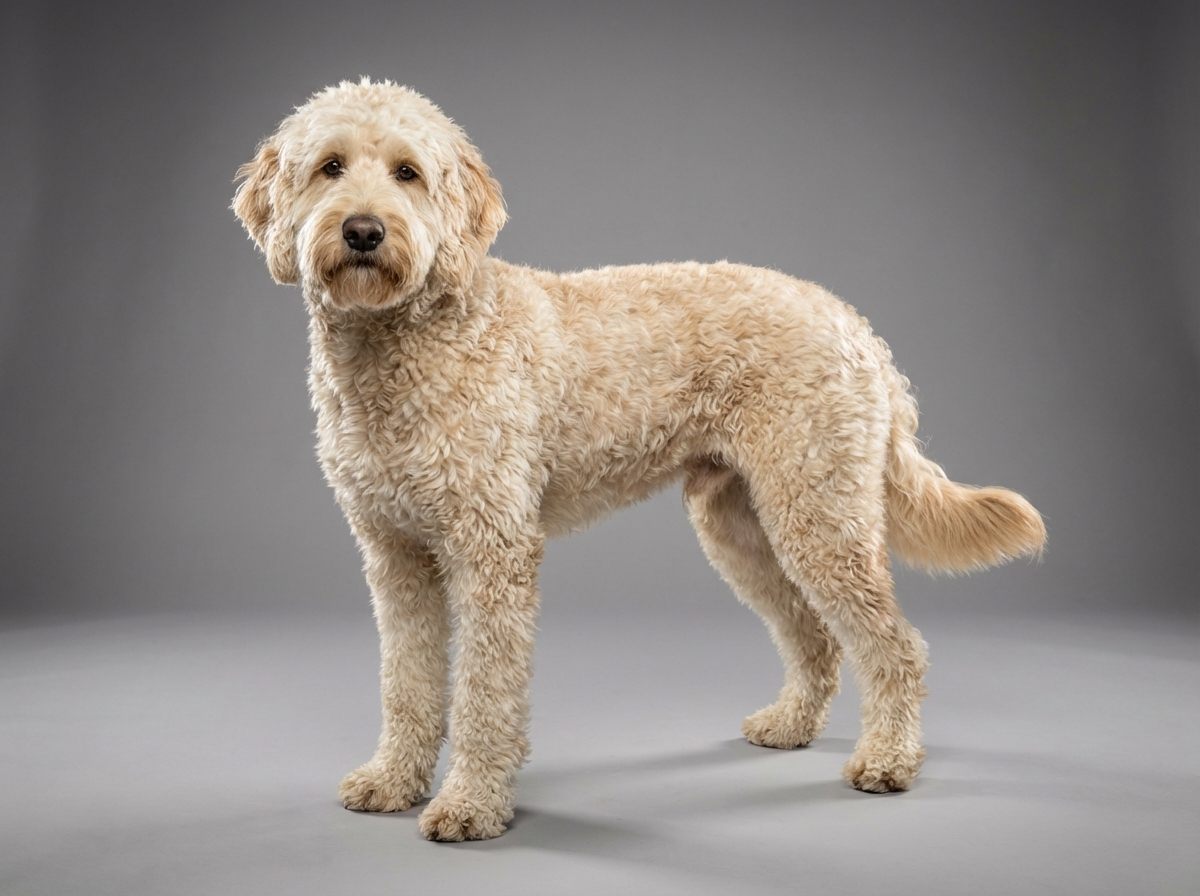
Behavior
What should I do if my Labradoodle has an allergic reaction?
If your Labradoodle has an allergic reaction, remove them from the suspected allergen and consult your vet immediately for proper treatment.

Quick answer
What should I do if my Labradoodle has an allergic reaction?
If your Labradoodle has an allergic reaction, remove them from the suspected allergen and consult your vet immediately for proper treatment.
Labradoodle allergic reactions can be frustrating for owners who want their furry friends to feel their best. These reactions can lead to discomfort and health issues.

This problem typically affects families with Labradoodles who notice unusual itching, sneezing, or gastrointestinal upset in their pets. First-time owners or those unfamiliar with dog allergies may find it especially challenging to identify and manage these reactions.
This guide is not medical advice. If your dog shows pain, sudden behavior change, or worsening symptoms, consult a licensed veterinarian.
Some links may be affiliate links. We may earn a commission at no extra cost to you. We only suggest products we believe are helpful for dog owners.
We research and check what we publish, but we do not warrant that any figure, date, price, or statement is accurate, complete, or current, and we accept no liability for any loss, cost, injury, or other harm arising from the use of this site. Use it as one reference among several. You remain responsible for your own decisions and for your dog's care - confirm anything that matters with a licensed veterinarian or another qualified professional before you act on it. Full disclaimer.
Check this first
Recognizing when your Labradoodle's allergic reactions are serious is crucial. Call your vet immediately if you see red-flag signs such as difficulty breathing, swelling of the face or throat, persistent vomiting, or severe diarrhea. These symptoms can indicate a life-threatening reaction and require urgent medical attention.
In less severe cases, you can monitor your pet at home. Look for mild symptoms like itching, sneezing, or a few hives. As long as these signs are not accompanied by more severe symptoms, you can create a plan to manage the allergies. Keep track of your Labradoodle's reactions and potential triggers, and consult your vet for guidance on treatment options.
If you're ever in doubt, it's better to err on the side of caution. Severe allergic reactions can escalate quickly, and timely intervention can make a big difference in your dog's health.
If any of these apply, call your vet or an emergency clinic now. The rest of this page is for the cases that are not an emergency.
Labradoodle allergic reactions can show up as itching, redness, or digestive issues. Owners may notice their Labradoodle scratching excessively, licking their paws, or having skin irritations. These reactions often stem from environmental allergens, food sensitivities, or flea bites.
Allergic reactions are relatively common in Labradoodles, occurring in about 20% of the breed. Their wavy to curly coat can sometimes trap allergens, making them more susceptible. Being vigilant about their environment and diet can help manage these issues.
Labradoodles are often considered hypoallergenic, but they can still develop allergic reactions due to their mixed genetics. They may be sensitive to certain proteins found in food or environmental allergens like pollen, dust, and mold. Additionally, their wavy to curly coat can trap allergens, exacerbating reactions.
Environmental factors play a significant role in Labradoodle allergic reactions. Changes in the home, such as new cleaning products, plants, or even seasonal changes, can introduce allergens. Poor air quality or exposure to irritants like smoke can also trigger these reactions.
Consult your vet if your Labradoodle has persistent allergic reactions or if you notice severe symptoms like excessive itching, swelling, or gastrointestinal upset. They may recommend allergy testing or specific treatments to manage your dog's condition.
Avoiding these common mistakes can help manage your Labradoodle's allergic reactions more effectively.
Start here: Labradoodle Most Common Genetic Disorders: Screening
See all Labradoodle health problems, which breeds are prone to allergic reactions, or the full Labradoodle breed guide for temperament, exercise needs and ownership costs.
You should expect to see improvements within 4 to 6 weeks after implementing changes.
Success means fewer allergic reactions, reduced itching, and a happier, more comfortable Labradoodle.
Megan, a busy nurse in Seattle, adopted Bella, her Labradoodle, hoping for a low-shedding companion. However, she soon noticed Bella scratching excessively and developing red spots on her skin. After a visit to the vet, Megan learned Bella had allergies, possibly to certain foods or environmental factors. She started by switching Bella's diet to a hypoallergenic formula and began regular grooming sessions to minimize allergens. Over time, Bella's symptoms improved, and Megan was relieved to see her pup happier and more energetic.
Key takeaway: Identifying and addressing your Labradoodle's allergic reactions early can lead to a more joyful life for both you and your dog.
Labradoodles can have allergic reactions due to various factors, such as food, pollen, or environmental irritants. Their sensitive skin and immune systems can lead to reactions that may cause itching, redness, or digestive issues. Identifying the specific allergen is key for effective management.
To stop Labradoodle allergic reactions, start by consulting your vet for allergy testing. Once you identify the allergens, you can adjust their diet or environment accordingly. Implementing regular grooming can also help reduce allergens like dust and pollen.
Yes, common food allergens for Labradoodles include chicken, beef, dairy, and wheat. Switching to a hypoallergenic dog food can be beneficial if you suspect food allergies. Keep a food diary to track any reactions after introducing new foods.
Signs of allergic reactions in Labradoodles can include itching, excessive licking, red or inflamed skin, and gastrointestinal issues like vomiting or diarrhea. If you notice any of these symptoms, consult a veterinarian for advice and treatment options.
Yes, Labradoodles can develop seasonal allergies, especially to pollen from trees, grass, and weeds. During peak seasons, you may notice increased scratching or other signs of allergies. Keeping them indoors during high pollen days can help.
Treatment options for Labradoodle allergic reactions include antihistamines, corticosteroids, or allergy shots prescribed by your vet. Regular bathing with hypoallergenic shampoo can also soothe the skin and reduce allergens. Always follow your vet's recommendations for the best results.
Yes, Labradoodles can develop allergies at any age, even if they previously had no issues. It's essential to monitor any changes in their behavior or health over time. If you notice new symptoms, consult your veterinarian.
Allergic reactions often cause itching and redness, while other skin issues might present as dryness or flaking. A vet can help determine the cause and suggest appropriate treatments. It's crucial to get a professional opinion to ensure your dog gets the right care.
If you suspect a severe allergic reaction, such as difficulty breathing or swelling around the face, seek emergency veterinary care immediately. Quick action can save your dog's life. It's always better to be safe and get professional help.
Yes, common allergens include beef, dairy, wheat, and chicken. It's essential to monitor your dog’s diet and consult your vet for an elimination diet if allergies are suspected. Keeping a food diary can also help identify triggers.
If your Labradoodle has an allergic reaction, remove them from the suspected allergen and consult your vet immediately for proper treatment.
Groom your Labradoodle at least once a week to help manage allergens and keep their coat clean.
While Labradoodles are often considered hypoallergenic, they can still have allergic reactions. Regular grooming helps minimize shedding and dander.
Some over-the-counter antihistamines may help, but always consult your vet before administering any medication to ensure it's safe.
A one-page prep sheet for this condition: the signs, the questions to ask, what to get priced. Unlocks here.
You get: Vet visit prep sheet
No spam. One-click unsubscribe. See our privacy policy.
Preview page 1 before you decide.