Behavior
What are Poodle allergic reactions quick tips?
Monitor your Poodle's diet and environment closely to identify allergens. Regular grooming can help reduce exposure to irritants and maintain skin health.

Quick answer
What are Poodle allergic reactions quick tips?
Monitor your Poodle's diet and environment closely to identify allergens. Regular grooming can help reduce exposure to irritants and maintain skin health.
Poodle allergic reactions can be challenging, affecting your dog's health and happiness.
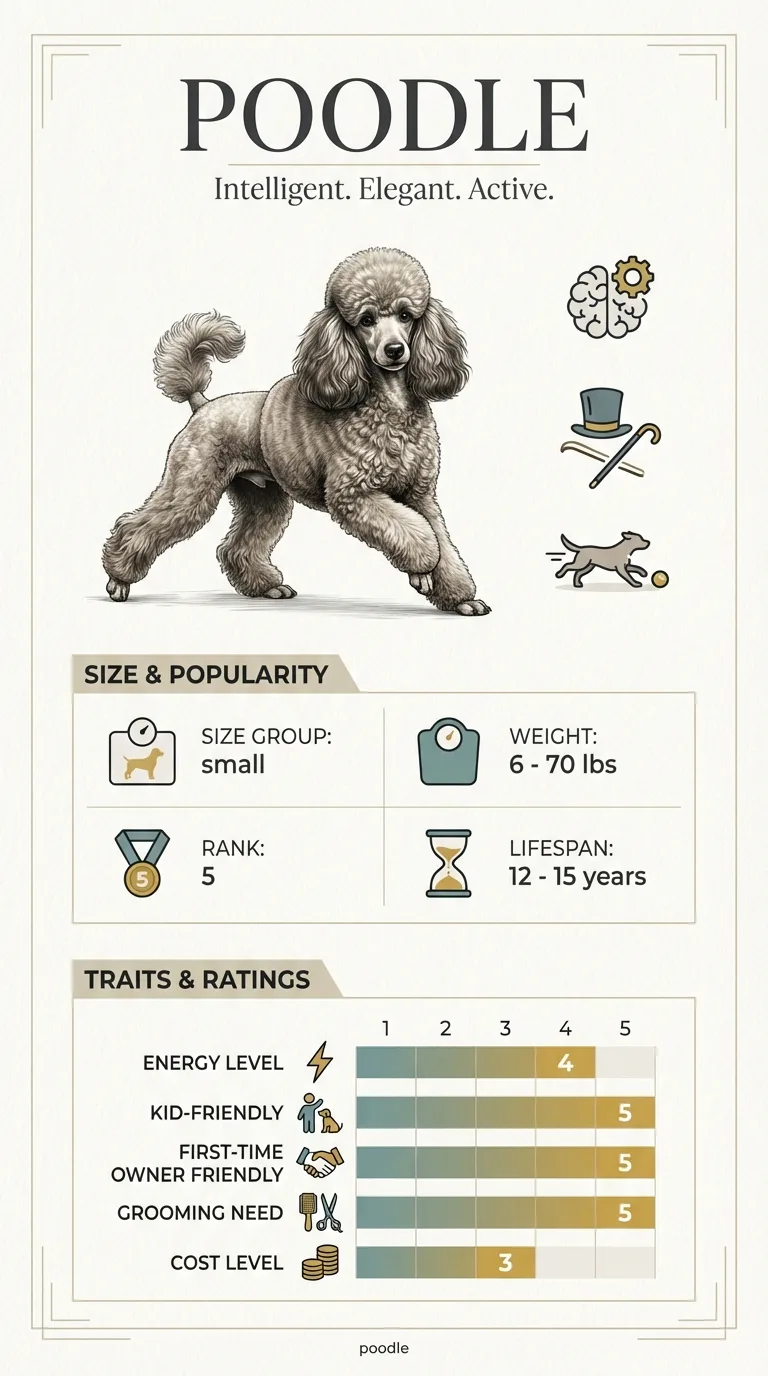
Owners of Poodles, especially those who are first-time pet parents or live in environments with various allergens, often face this issue. It can be particularly tough for families with young children or those active in outdoor activities.
This guide is not medical advice. If your dog shows pain, sudden behavior change, or worsening symptoms, consult a licensed veterinarian.
Some links may be affiliate links. We may earn a commission at no extra cost to you. We only suggest products we believe are helpful for dog owners.
We research and check what we publish, but we do not warrant that any figure, date, price, or statement is accurate, complete, or current, and we accept no liability for any loss, cost, injury, or other harm arising from the use of this site. Use it as one reference among several. You remain responsible for your own decisions and for your dog's care - confirm anything that matters with a licensed veterinarian or another qualified professional before you act on it. Full disclaimer.
Check this first
Recognizing when your Poodle's allergic reaction is an emergency can save their life. Some symptoms indicate you should call your vet immediately, while others can be monitored at home. Understanding these signs will help you make the right decision quickly.
Red-flag symptoms that require urgent veterinary care include difficulty breathing, severe swelling, or loss of consciousness. If your Poodle is experiencing any of these symptoms, do not wait. Call your vet or an emergency animal clinic right away.
Additionally, if your Poodle shows signs of severe vomiting or diarrhea, especially if accompanied by lethargy, this could indicate a serious reaction. Other alarming signs include hives or rashes that spread quickly, which can signal anaphylaxis. In these situations, time is critical.
On the other hand, mild allergic reactions might include minor itching, sneezing, or slight gastrointestinal upset without severe symptoms. If your Poodle is experiencing these mild reactions, you can monitor them at home. Keep a close eye on their symptoms and ensure they stay hydrated. If symptoms worsen or do not improve within a day or two, contact your vet for advice.
Always have a plan in place for allergic reactions, and be prepared to act quickly. Knowing the difference between mild and emergency symptoms can help you keep your Poodle safe and healthy.
If any of these apply, call your vet or an emergency clinic now. The rest of this page is for the cases that are not an emergency.
Poodle allergic reactions can manifest as skin irritations, itching, or gastrointestinal distress. These reactions may occur after exposure to certain foods, pollen, or household products. Owners often notice their Poodle scratching excessively or developing rashes, which can be distressing for both the dog and the owner.
Allergic reactions are relatively common in Poodles, with studies showing they have a significantly higher risk—about 276% more than some other breeds. Many Poodle owners report experiencing allergic issues at some point, making it a prevalent concern.
Poodles are known for their sensitive skin and immune systems, making them more prone to allergic reactions. They can be allergic to certain foods, environmental factors, or even grooming products. Their elegant coat, while beautiful, can also trap allergens, leading to skin irritation.
Environmental factors such as pollen, dust mites, and mold can trigger allergic reactions in Poodles. Additionally, exposure to chemicals in cleaning products or certain fabrics may irritate their skin. Changes in diet or new household items can also introduce allergens.
Consult your vet if your Poodle experiences severe allergic reactions, such as swelling or breathing difficulties. You should also reach out if home strategies do not improve their symptoms or if you suspect a food allergy requiring a more specialized diet.
Avoiding these common mistakes can help manage your Poodle's allergic reactions more effectively.
See all Poodle health problems, which breeds are prone to allergic reactions, or the full Poodle breed guide for temperament, exercise needs and ownership costs.
You can expect to see changes in your Poodle's allergic reactions within 4 to 6 weeks after implementing a consistent care and management plan.
Success looks like a noticeable reduction in allergic reactions, such as less itching or skin irritation. Your Poodle should also appear more comfortable and relaxed in their environment.
When Sarah adopted Bella, her lively Poodle, she quickly noticed her new furry friend scratching excessively. After consulting with her vet, Sarah learned Bella had allergic reactions to certain foods and environmental factors. Determined to help, Sarah researched how to stop Poodle allergic reactions. She switched Bella to a hypoallergenic diet, minimized exposure to dust, and started a training routine to distract her during allergy flare-ups. Within a few weeks, Bella was much happier and less itchy, and Sarah felt relieved knowing she was helping her dog.
Key takeaway: With patience and the right approach, you can significantly improve your Poodle's quality of life by addressing allergic reactions effectively.
Poodles can have allergic reactions due to various factors, including food ingredients, pollen, or household chemicals. Their sensitive skin and immune systems may react strongly to these allergens. It's important to observe your Poodle's environment and diet to identify potential triggers.
To stop Poodle allergic reactions, begin by identifying and removing allergens from their environment. Consult your vet for allergy testing and consider a hypoallergenic diet. Regular grooming can also help reduce exposure to allergens.
Common signs of allergic reactions in Poodles include itching, redness, swelling, and gastrointestinal issues like vomiting or diarrhea. You may also notice excessive scratching or licking. If you observe these symptoms, consult your vet for a proper diagnosis.
Yes, certain foods can trigger allergies in Poodles, with common culprits being beef, chicken, dairy, and wheat. A food elimination trial—under vet supervision—can help pinpoint specific allergies. Switching to a limited ingredient diet may also be beneficial.
Absolutely! Environmental factors like pollen, dust mites, and mold can trigger allergies in Poodles. Regular cleaning and using air purifiers can help reduce exposure to these allergens.
If your Poodle shows signs of an allergic reaction that persists for more than a few days or worsens, it's time to visit the vet. Immediate care is crucial if they experience severe symptoms like difficulty breathing or swelling.
Training can indirectly help manage Poodle allergic reactions by reinforcing commands that keep them away from allergens. For example, teaching 'leave it' can prevent them from consuming something harmful. Always consult your vet for comprehensive management strategies.
Poodles can be allergic to various substances, including pollen, dust mites, mold, certain foods, and fleas. Identifying the specific allergen can help in managing your dog's reactions effectively.
Signs of allergic reactions in Poodles may include itching, redness, swelling, or gastrointestinal upset. If you notice any persistent symptoms, it's best to consult your vet for a proper diagnosis.
Yes, some Poodles may develop allergies as they age or their immune systems change. Regular vet check-ups can help monitor their health and identify any new allergic reactions.
If your Poodle experiences a severe allergic reaction, such as difficulty breathing or swelling of the face, seek emergency veterinary care immediately. Quick action is crucial to ensure your dog's safety.
Training your Poodle to avoid certain allergens or distracting them during allergy season can be beneficial. Consistent positive reinforcement can help them adapt to their environment and reduce stress.
Monitor your Poodle's diet and environment closely to identify allergens. Regular grooming can help reduce exposure to irritants and maintain skin health.
Look for signs such as itching, redness, swelling, or gastrointestinal upset. If these symptoms occur, consult your vet for advice.
If your Poodle shows severe symptoms like difficulty breathing or swelling, seek emergency vet care immediately. Quick action is vital.
Yes, hypoallergenic diets or limited ingredient diets can help manage food allergies in Poodles. Consult your vet for recommendations.
Training your Poodle to follow commands like 'leave it' can help prevent them from encountering allergens. Consistency is key.
A one-page prep sheet for this condition: the signs, the questions to ask, what to get priced. Unlocks here.
You get: Vet visit prep sheet
No spam. One-click unsubscribe. See our privacy policy.
Preview page 1 before you decide.