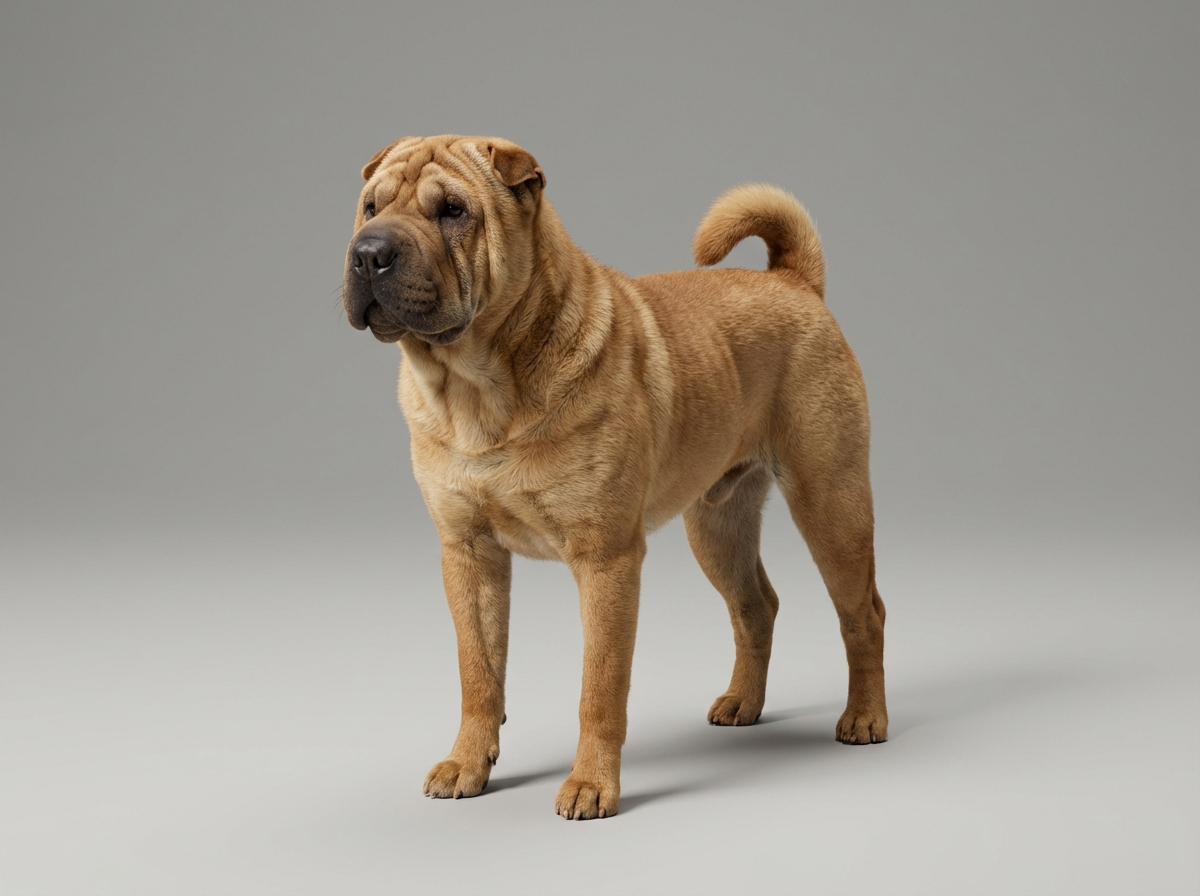
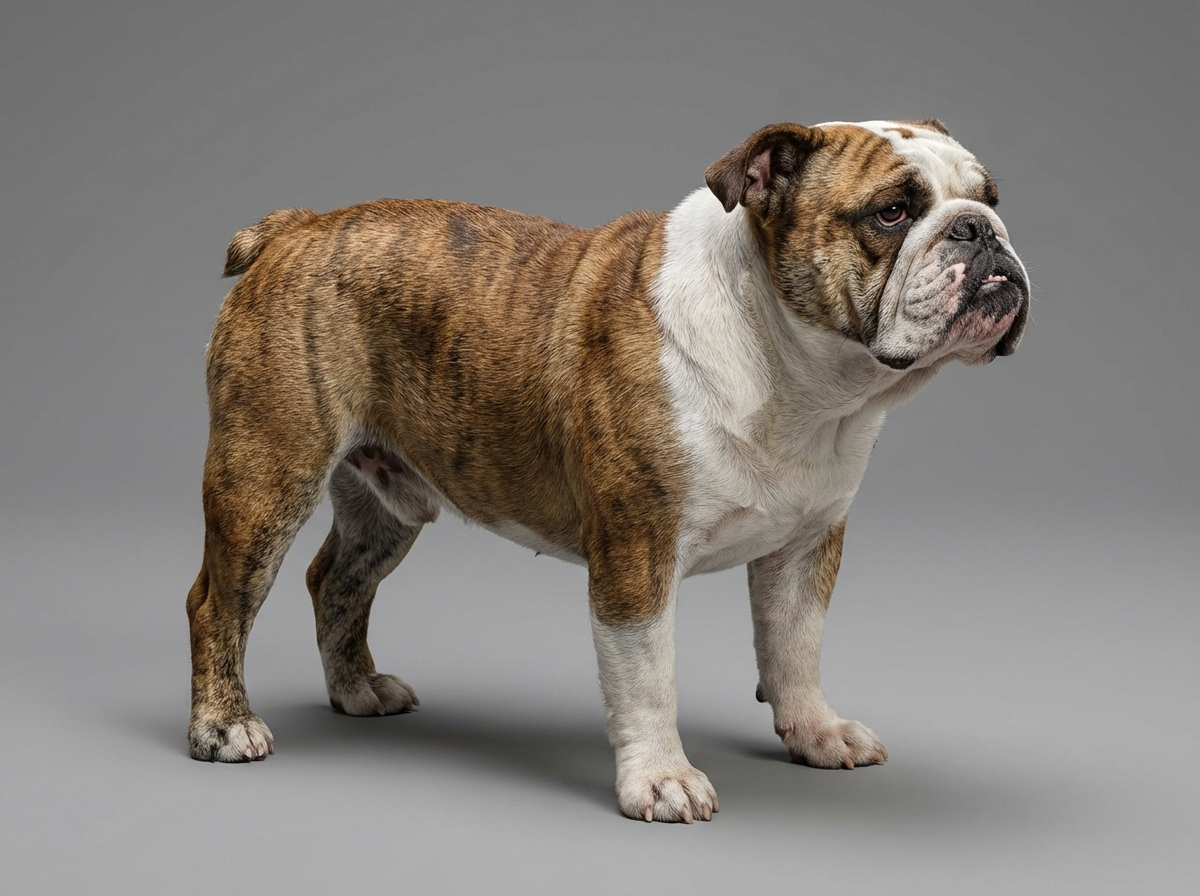
The episode most often mistaken for a palate problem in a small dog is the paroxysmal inspiratory reflex known as reverse sneezing. The dog extends its neck, plants its elbows, and makes a series of loud rapid snorting inhalations for anything from a few seconds to a minute, then stops abruptly and behaves entirely normally.
It looks alarming and is usually harmless. The trigger is irritation at the back of the nasal passage, from dust, pollen, excitement, a sudden temperature change, or pulling on a collar. The dog is not choking and is not short of oxygen.
Calm handling shortens it. Stroking the throat downwards, or briefly covering the nostrils so the dog swallows, often interrupts the cycle. What does not help is panicking, which prolongs the episode in a dog that reads your alarm.
What does warrant investigation is a change in pattern: episodes becoming much more frequent, lasting longer, involving one nostril, or accompanied by discharge or bleeding. In a breed with documented dental disease, an infected upper tooth root reaching into the nasal chamber is a genuine cause worth excluding.