Health
What should I record for the vet?
Video with sound of the dog asleep, and again immediately after a walk. Note whether the noise is on the in-breath or out-breath.

Quick answer
What should I record for the vet?
Video with sound of the dog asleep, and again immediately after a walk. Note whether the noise is on the in-breath or out-breath.
That flapping edge is what produces the sound, and the sound is the most useful piece of information an owner has. The problem is that most owners describe it as snoring, which is where the conversation stops. Learning to describe when it happens, on which phase of the breath, and what changes it, gets a far more useful response from a vet.
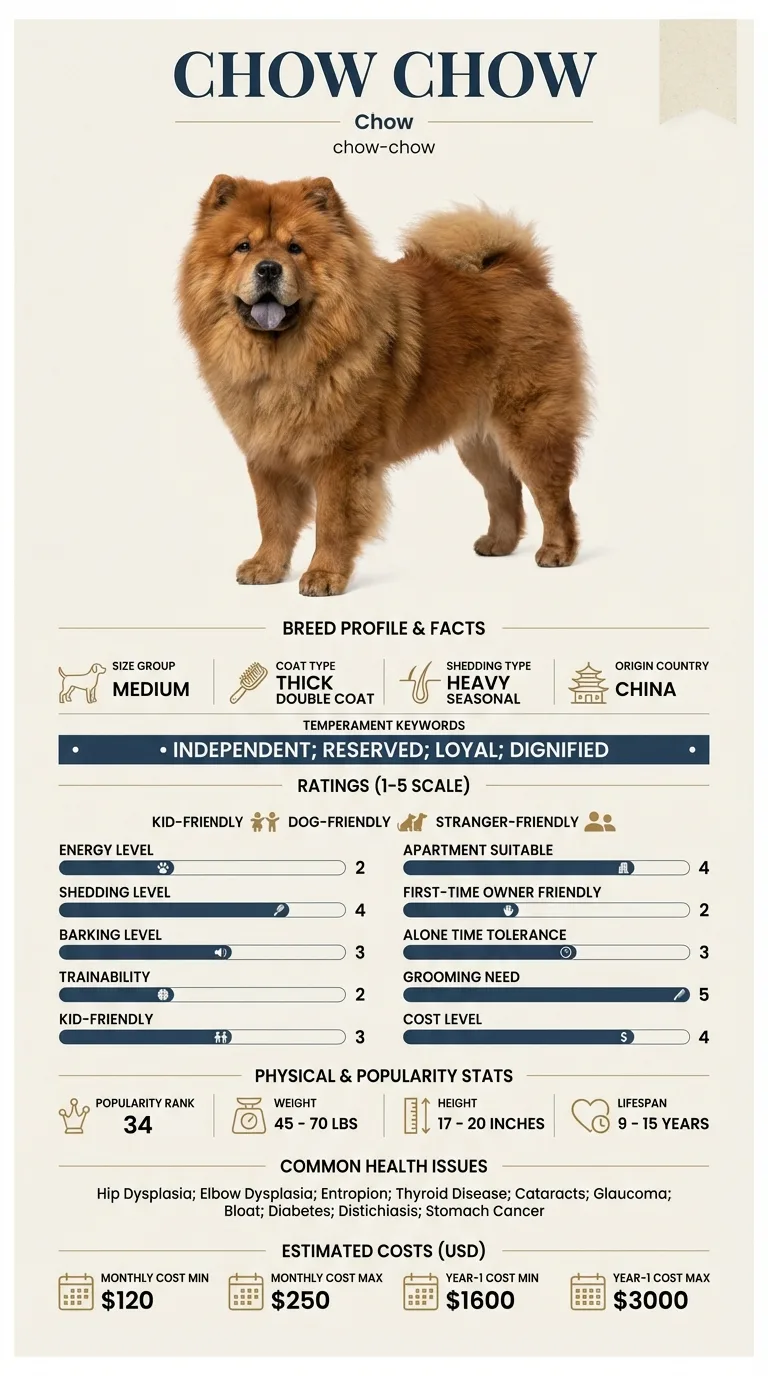
Owners of Chows who make noise breathing, gag after drinking, or sleep in odd propped-up positions. It also matters for anyone deciding whether the noise their dog has always made is character or a correctable problem.
This guide is not medical advice. If your dog shows pain, sudden behavior change, or worsening symptoms, consult a licensed veterinarian.
Some links may be affiliate links. We may earn a commission at no extra cost to you. We only suggest products we believe are helpful for dog owners.
We research and check what we publish, but we do not warrant that any figure, date, price, or statement is accurate, complete, or current, and we accept no liability for any loss, cost, injury, or other harm arising from the use of this site. Use it as one reference among several. You remain responsible for your own decisions and for your dog's care - confirm anything that matters with a licensed veterinarian or another qualified professional before you act on it. Full disclaimer.
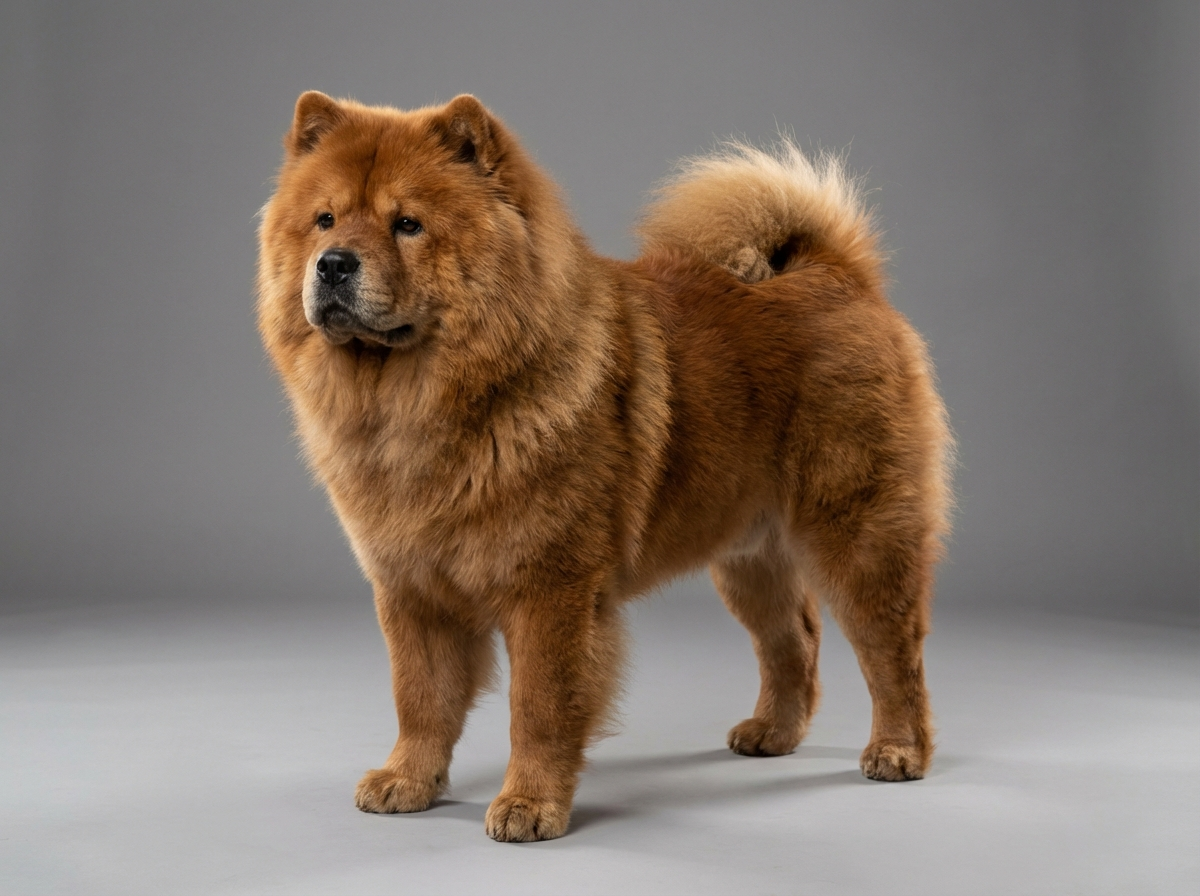
An elongated soft palate is soft tissue at the back of the throat that extends too far and partially obstructs the entrance to the windpipe, producing noisy breathing, gagging, disturbed sleep and reduced heat tolerance. It is one component of the airway syndrome seen in shortened-muzzled breeds, and the Chow Chow's moderately short, broad muzzle places it within that group.
Some degree of palate crowding is inherent to a shortened muzzle, so it exists on a spectrum in this breed rather than being present or absent. What varies is whether it is limiting. Because Chow owners often accept snoring as breed character, the proportion of dogs with a significant and correctable palate problem is probably higher than the proportion that are ever assessed for one.
The mechanism is a mismatch between bone and soft tissue. Selection for a broad, deep head with a comparatively short muzzle shortens the bony framework, while the palate, tongue and pharyngeal tissue retain close to their original dimensions and therefore have to fold into less space. The Chow's moderate degree of shortening means the effect is usually less severe than in extreme brachycephalic breeds, but the breed's thick double coat and documented heat sensitivity mean the dog needs maximum airflow more frequently than a short-coated dog with the same anatomy would, so the obstruction is tested harder and more often.
Heat is the dominant external factor, since it raises airflow demand in a dog whose only cooling mechanism runs through the obstructed passage. Body weight adds tissue around the throat and is the most modifiable contributor. Collar pressure on the neck adds unnecessary external narrowing. And sleeping arrangements matter more than owners realise - a flat bed on the floor allows the palate to fall further back than a raised edge the dog can prop its chin on.
Book an appointment if your dog is noisy while awake and resting, gags or brings up froth after eating or drinking, props its head up to sleep, or has become noisier over the past year. Ask whether the airway should be assessed under exertion and whether examination under anaesthetic is warranted. Go immediately, as an emergency, for laboured or frantic breathing that does not settle within a few minutes of rest, a blue, grey or dark purple tongue, collapse, or extreme distress with loud obstructed noise - airway obstruction escalates rapidly, particularly in heat, and cooling should begin on the way to the clinic.
See all Chow Chow health problems, which breeds are prone to elongated soft palate, or the full Chow Chow breed guide for temperament, exercise needs and ownership costs.
Assessment and surgery are typically arranged within a few weeks of a decision being made. The first forty-eight hours after surgery carry the highest risk from airway swelling and usually involve close monitoring. Restricted activity continues for around four weeks, and the improvement in noise and exercise tolerance is generally clear by six to twelve weeks. Younger dogs improve more, because less secondary damage has accumulated.
Success is a dog that sleeps quietly through the night, does not gag after drinking, recovers from a cool-weather walk within a few minutes and tolerates warm days better than it did. It is not a silent dog, because the skull and coat are unchanged. Many owners say the clearest evidence was not the breathing at all but the fact that the dog seemed less tired during the day.
Four details turn a vague complaint into diagnostic information.
First, which phase. Is the noise on the way in, on the way out, or both? Obstruction at the level of the palate typically makes the loudest noise on inspiration, because the tissue is drawn inward by the negative pressure of breathing in.
Second, when. Only when asleep, or awake at rest too? Noise present in a resting, awake dog indicates more significant obstruction than noise confined to deep sleep.
Third, what changes it. Does it worsen after exercise, in warm weather, when the dog is excited, or when it lies in a particular position? A palate problem is usually worse when the dog is flat on its side and better when the head is elevated - which is why some dogs choose to sleep with their chin propped on something.
Fourth, the eating and drinking connection. An over-long palate frequently causes gagging, retching or bringing up frothy saliva after eating or drinking quickly, because the tissue interferes with the swallow. Owners often report this separately without realising it belongs to the same problem.
Record a video with sound, both while the dog is asleep and immediately after a walk. This is worth more than any description you can give.

The most important item on this list is the fourth. Because the damage is caused by the work of breathing itself, an untreated palate problem tends to worsen the airway over years rather than staying static.
Poppy had slept the same way for years: never flat, always with her chin hooked over the raised edge of her bed or the arm of the sofa. Her owner, Gerald, thought it was a quirk. What prompted the appointment was something else entirely. Poppy had started bringing up frothy saliva after drinking, usually within a minute of a long drink from her bowl. Gerald mentioned it as a digestive problem. The vet asked two questions that connected things Gerald had never linked: did she snore, and how did she sleep. He recorded her that night on his phone. The noise was clearly on the in-breath, it was present while she was drowsing but awake, and it stopped when her head was elevated. Poppy was examined under anaesthetic and her palate was trimmed at the same time. The gagging after drinking stopped within a fortnight. Gerald's most surprised observation, six months on, was that she had become noticeably more active - she had, he thought, simply been tired for years.
Key takeaway: The details owners think are quirks - propping the head up to sleep, gagging after a drink - are usually the same problem seen from different angles. Record the sound, note which phase of the breath it falls on, and bring both to the appointment.
Light snoring in deep sleep is common in the breed and often not significant. What is not normal in any dog is noise while awake and resting, gagging after meals, or noise that has become louder over the past year. Those are findings rather than character.
By direct examination of the back of the throat under general anaesthetic, which is usually done at the same appointment as any corrective surgery so the dog only goes under once. It cannot be reliably assessed in a conscious dog, which is why history and recordings carry so much weight beforehand.
The excess length of the palate is trimmed back to a normal position, often alongside widening of narrow nostrils if those are also contributing. It is a relatively quick procedure but the recovery period matters: swelling in the airway during the first day or two is the main risk and needs close monitoring.
Usually it reduces it substantially rather than eliminating it, because the underlying skull shape is unchanged and other components of the airway may still be narrow. Owners frequently report better sleep and better exercise tolerance as the more meaningful improvements.
Weight loss makes a genuine difference, since fat deposits around the throat reduce the airway further. Avoiding heat, using a harness rather than a collar, and reducing excitement all lower demand. None of them shorten the palate, but together they can change how limiting it is.
Because it works. Elevating the head reduces how far the palate falls back over the airway. A dog that consistently seeks out a raised edge to rest its chin on is self-managing an airway problem, and it is one of the more reliable signs owners can spot without any equipment.
Video with sound of the dog asleep, and again immediately after a walk. Note whether the noise is on the in-breath or out-breath.
Often yes. An over-long palate interferes with swallowing, and owners frequently report this separately without connecting it.
Because breathing hard against the obstruction progressively damages the airway, and that damage is much harder to correct than the palate itself.
It is a moderate surgical cost, usually less than the emergency treatment an obstructed dog may eventually need in hot weather.
A one-page prep sheet for this condition: the signs, the questions to ask, what to get priced. Unlocks here.
You get: Vet visit prep sheet
No spam. One-click unsubscribe. See our privacy policy.
Preview page 1 before you decide.