DogBreedCompass
← Back to breed profile

Understanding Jack Russell Terrier Elongated Soft Palate

Jack Russell Terrier elongated soft palate is a common issue that can lead to breathing problems.

Understanding Jack Russell Terrier Elongated Soft Palate infographic

This problem often affects first-time dog owners or families who may not recognize the signs. Busy owners who can't monitor their dog's breathing closely might face challenges managing this condition.

Important reminder

This guide is not medical advice. If your dog shows pain, sudden behavior change, or worsening symptoms, consult a licensed veterinarian.

Some links may be affiliate links. We may earn a commission at no extra cost to you. We only suggest products we believe are helpful for dog owners.

What this problem looks like

Jack Russell Terriers often face the issue of an elongated soft palate, which can lead to airway obstruction. This problem manifests as breathing difficulties, especially during exercise or excitement. Owners may notice their JRT struggling to catch their breath, snoring, or making unusual sounds while breathing.

Common triggers

  • Excitement or vigorous play
  • Hot weather
  • Allergies or respiratory infections
  • Obesity, which can worsen breathing issues

Elongated soft palate is a fairly common health concern in Jack Russell Terriers, especially given their energetic nature. Many JRTs may experience mild symptoms, while others can have more severe issues that require veterinary attention.

Why this happens

Breed factors

The Jack Russell Terrier has a short snout, which can lead to an elongated soft palate. This breed is known for its energetic nature, but their anatomy can cause breathing issues, especially during physical activity or in hot weather.

Environment factors

Environmental factors also play a role. If your JRT is frequently exposed to heat or stress, it can exacerbate breathing difficulties. Additionally, obesity can worsen the condition, making it crucial to maintain a healthy weight.

What you can try

At-home strategies

  • Monitor your dog's weight closely and ensure they maintain a healthy diet. Use a vet-recommended feeding schedule to avoid overfeeding.
  • Limit vigorous exercise on hot or humid days. Instead, opt for short, cool walks or play sessions in a temperature-controlled environment.
  • Create a calm home environment. Reducing stressors can help prevent episodes of labored breathing.

When to consider a trainer

If your Jack Russell Terrier shows signs of anxiety or fear-related behavior, consider consulting a trainer. They can help with behavior modification techniques that reduce stress and improve overall well-being.

When to talk to your vet

If your dog frequently struggles to breathe, coughs, or shows signs of distress, it's essential to consult your vet. They can assess the severity of the elongated soft palate and discuss potential treatments, including surgery if necessary.

Realistic expectations

If you start addressing your Jack Russell Terrier's elongated soft palate promptly, you can expect to see improvements within 4 to 6 weeks after implementing training and management strategies.

Success means your dog experiences fewer breathing difficulties, shows increased comfort during exercise, and can enjoy playtime without excessive panting or coughing.

Mistakes that make this worse

Avoiding common mistakes can help manage your Jack Russell Terrier's elongated soft palate. Here are some behaviors to watch out for.

  • Ignoring Breathing Issues: If your Jack Russell Terrier shows signs of labored breathing, don't dismiss it as normal. Consult your vet to address potential airway obstruction early.
  • Overexertion: Allowing your dog to engage in excessive exercise or play can worsen breathing problems. Focus on moderate activities that suit their energy level.
  • Using Punishment for Training: Punishing your dog for barking or signs of distress can increase anxiety. Instead, use positive reinforcement techniques to encourage calm behavior.
  • Feeding Large Meals: Giving your dog large meals can lead to discomfort and worsen airway issues. Feed smaller, more frequent meals to ease digestion.
  • Neglecting Weight Management: An overweight Jack Russell Terrier is more likely to experience breathing problems. Maintain a healthy diet and promote regular exercise.
  • Failing to Monitor Temperature: Jack Russells can struggle in extreme heat. Provide plenty of water and a cool environment, especially during hot weather.
  • Avoiding Vet Visits: Skipping regular vet check-ups can delay necessary interventions. Schedule consistent check-ups to monitor your dog's health.

When Jack Russell Terrier Elongated Soft Palate is an Emergency

If your dog shows signs of severe difficulty breathing, such as gasping for air, excessive coughing, or bluish gums, you need to contact your vet without delay. These are serious red flags that could indicate a life-threatening airway obstruction. Additionally, if your Jack Russell Terrier collapses or loses consciousness, this is an emergency situation that requires immediate veterinary attention.

On the other hand, if your dog is making occasional coughing sounds or seems to have mild snoring while relaxed, these symptoms might not require urgent care. You can monitor your dog by keeping track of how often these symptoms occur and whether they worsen over time. If you notice that your dog is having trouble eating or drinking, or if they are reluctant to exercise, it’s a sign to check in with your vet, but it may not be as urgent.

In summary, be vigilant about your dog's breathing. Emergencies include: - Severe breathing difficulties - Gasping or wheezing - Changes in gum color - Unconsciousness or collapse. If your Jack Russell Terrier is showing mild symptoms, observe closely, but don’t hesitate to reach out to your vet if you have concerns.

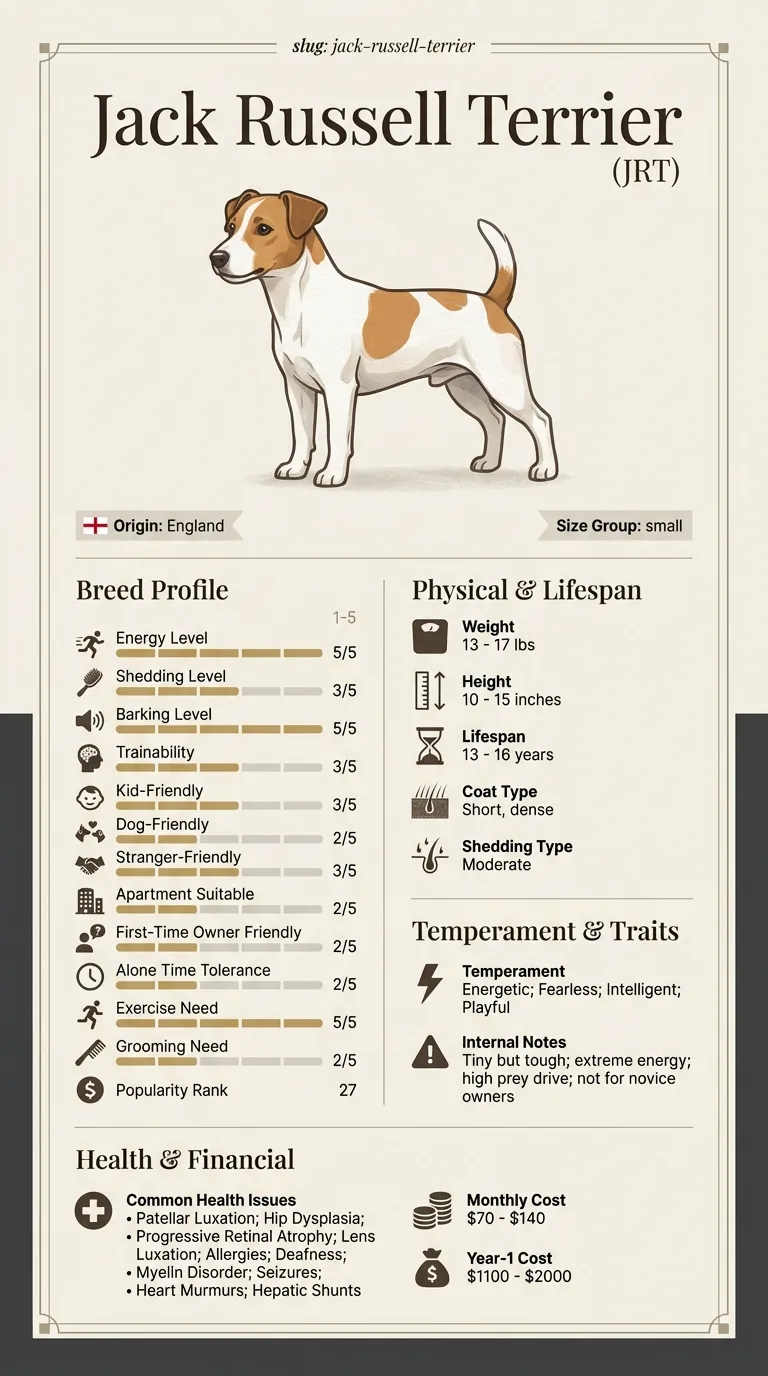
Understanding Jack Russell Terrier Elongated Soft Palate - When Jack Russell Terrier Elongated Soft Palate is an Emergency

Emma and Her Jack Russell Terrier, Max

Emma, a busy nurse in Chicago, noticed her Jack Russell Terrier, Max, had trouble breathing while playing. The vet confirmed Max had an elongated soft palate, which could cause airway obstruction. With a mix of training and careful management, Emma learned to recognize Max's limits. She adjusted his playtime to shorter bursts, ensuring he had plenty of breaks. Within weeks, Max's breathing became steadier, and Emma felt relieved watching him enjoy his favorite games again.

Key takeaway: Understanding and adjusting to your dog's needs can lead to improved comfort and happiness for both you and your pet.

Frequently asked questions

Why does my Jack Russell Terrier have an elongated soft palate?

An elongated soft palate in Jack Russell Terriers is often a genetic trait, common in smaller breeds. This condition can lead to breathing difficulties, especially during exercise or in hot weather. It's crucial to monitor your dog for signs of distress and consult a vet for guidance. This answer relates to Jack Russell Terrier elongated soft palate.

How can I help my Jack Russell Terrier with an elongated soft palate?

To help your Jack Russell Terrier, focus on maintaining a healthy weight and avoiding strenuous exercise during hot weather. Training techniques, such as desensitization to triggers that cause stress, can also assist in managing their breathing issues. Always consult your vet for tailored advice.

Are there specific training methods for Jack Russell Terriers with this condition?

Training methods should emphasize calmness and gradual exposure to stressors. Positive reinforcement techniques can help your dog learn to cope with anxiety. Consistency and patience are key in helping your Jack Russell Terrier feel secure.

What signs indicate my Jack Russell Terrier is struggling with its soft palate?

Watch for symptoms like coughing, gagging, or difficulty breathing, especially during exercise. If your dog is panting excessively or appears distressed, it's time to consult your veterinarian. Early intervention can prevent more serious complications.

Is surgery necessary for Jack Russell Terriers with an elongated soft palate?

Surgery may be an option if your dog's breathing issues are severe and persistent. Your vet can evaluate the condition and recommend whether surgical intervention could improve your dog's quality of life. Always weigh the risks and benefits with your veterinarian.

What are the signs that my Jack Russell Terrier has an elongated soft palate?

Common signs include noisy breathing, gagging, or coughing, especially during exercise. If your Jack Russell Terrier frequently struggles to catch their breath, it's important to consult a vet.

Can an elongated soft palate affect my older Jack Russell Terrier differently?

Yes, older dogs may have a higher risk of complications from an elongated soft palate. As they age, their respiratory system can weaken, making it even more crucial to monitor their breathing and seek veterinary advice if necessary.

How can I help my Jack Russell Terrier with an elongated soft palate when they are anxious?

Creating a calm environment is key. Use calming techniques such as gentle music or anxiety wraps to help them relax. Consistent training can also reduce anxiety and improve breathing during stressful situations.

Is surgery always necessary for a Jack Russell Terrier with an elongated soft palate?

Not always. In mild cases, lifestyle changes and training can help manage the condition. However, if breathing issues are severe, your vet may recommend surgery as the best solution.

What should I do if my Jack Russell Terrier suddenly starts having trouble breathing?

If your Jack Russell Terrier experiences sudden breathing difficulties, seek emergency veterinary care immediately. This could indicate a serious problem that needs prompt attention.

Quick answers

View more answers
Behavior

What are quick tips for managing a Jack Russell Terrier's elongated soft palate?

Keep your dog cool and avoid strenuous activities. Monitor their weight and maintain a calm environment to reduce stress. Regular vet check-ups are crucial for managing this condition.

Training

How can I train my Jack Russell Terrier to cope with its breathing issues?

Use positive reinforcement to reward calm behavior and gradually expose your dog to triggers. Consistent training can help reduce anxiety associated with breathing difficulties.

Health

What should I do if my Jack Russell Terrier shows signs of distress?

If your dog exhibits signs like excessive panting or coughing, consult a veterinarian immediately. Early intervention can prevent complications and improve your dog's comfort.

Related DogBreedCompass guides

Related guides