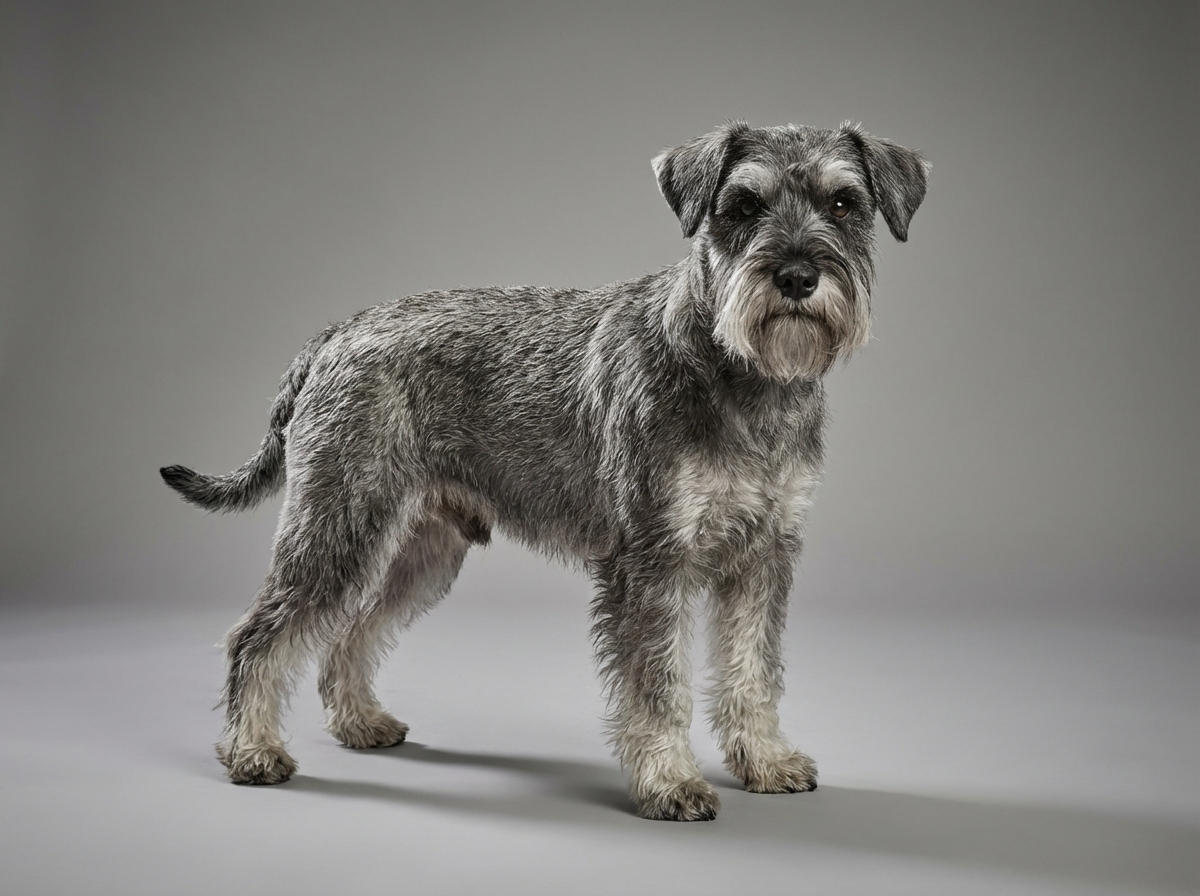
Behavior
What are Miniature Schnauzer elongated soft palate quick tips?
Keep your Miniature Schnauzer at a healthy weight and avoid strenuous exercise in hot weather. Training for calm behavior can also help prevent breathing difficulties.

Quick answer
What are Miniature Schnauzer elongated soft palate quick tips?
Keep your Miniature Schnauzer at a healthy weight and avoid strenuous exercise in hot weather. Training for calm behavior can also help prevent breathing difficulties.
Many Miniature Schnauzers suffer from an elongated soft palate, which can lead to breathing problems.
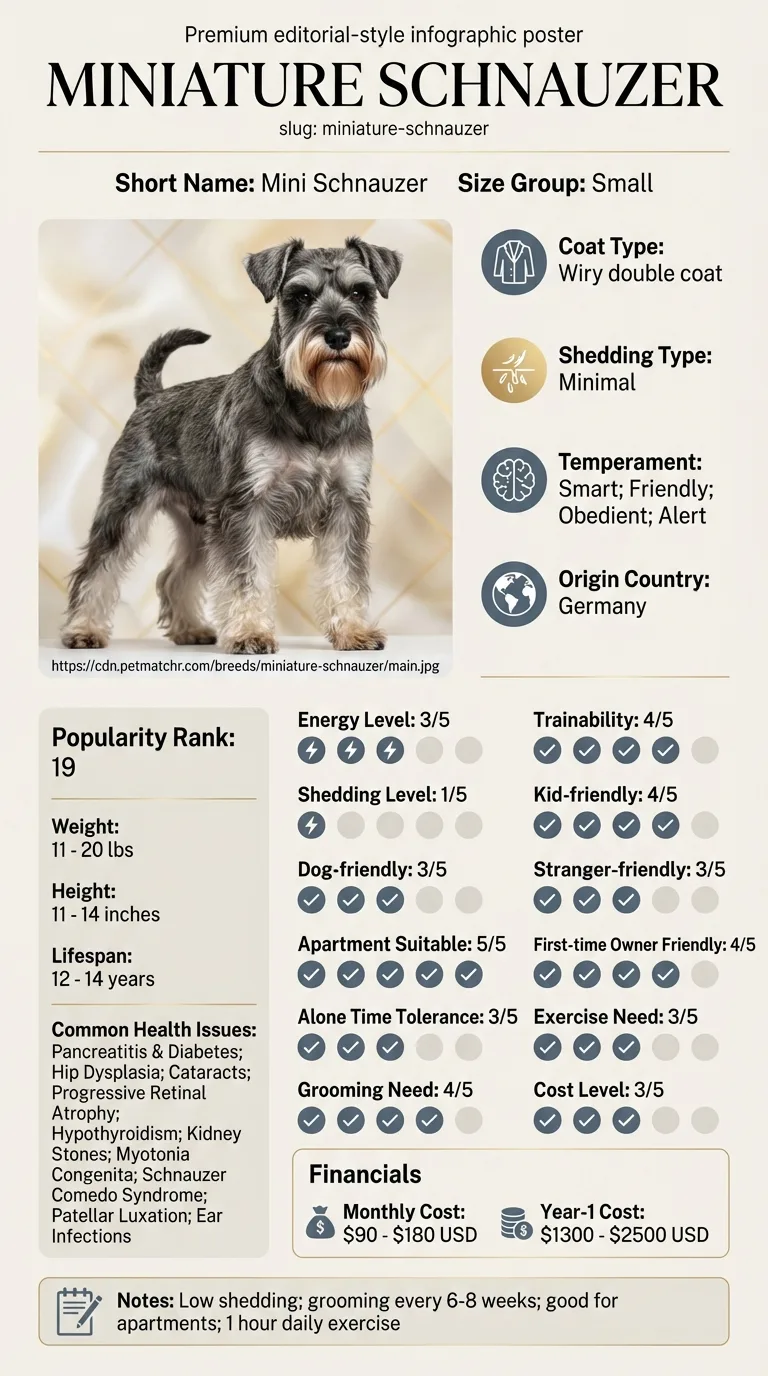
Owners of Miniature Schnauzers, particularly those with active or anxious dogs, may notice signs of distress or discomfort related to this issue.
This guide is not medical advice. If your dog shows pain, sudden behavior change, or worsening symptoms, consult a licensed veterinarian.
Some links may be affiliate links. We may earn a commission at no extra cost to you. We only suggest products we believe are helpful for dog owners.
We research and check what we publish, but we do not warrant that any figure, date, price, or statement is accurate, complete, or current, and we accept no liability for any loss, cost, injury, or other harm arising from the use of this site. Use it as one reference among several. You remain responsible for your own decisions and for your dog's care - confirm anything that matters with a licensed veterinarian or another qualified professional before you act on it. Full disclaimer.
Check this first
Recognizing when your Miniature Schnauzer's elongated soft palate is a serious problem is crucial for their health. If you notice any of the following red-flag signs, contact your vet immediately. These include severe difficulty breathing, persistent coughing or gagging, bluish-tinged gums, or signs of extreme distress such as frantic pacing or excessive panting. These symptoms indicate a potential airway obstruction, which requires urgent intervention.
On the other hand, some cases of elongated soft palate can be monitored. If your Miniature Schnauzer occasionally snorts, has mild coughing, or exhibits slight difficulty with exercise, these might be less severe symptoms. Create a plan with your vet to manage these mild cases, which may include weight management or specific training to help them breathe more easily during activity. Always keep an eye on their breathing patterns, especially during play or exercise, and maintain regular check-ups to ensure their condition doesn’t worsen.
If any of these apply, call your vet or an emergency clinic now. The rest of this page is for the cases that are not an emergency.
The Miniature Schnauzer elongated soft palate is a common health issue that affects this breed's ability to breathe comfortably. Owners may notice their dog making snorting or gagging sounds, especially during exercise or excitement. This condition can lead to increased respiratory distress, making it vital for owners to understand how to manage it.
Elongated soft palate is fairly common in Miniature Schnauzers due to their small size and unique anatomy. Many owners report symptoms, especially in younger dogs or those with higher energy levels.
Miniature Schnauzers are prone to elongated soft palate due to their small size and unique anatomy. This breed's narrow throat can lead to airway obstructions, making breathing difficult. Genetic factors may also contribute to this condition.
Environmental factors like obesity, allergies, and respiratory infections can worsen the symptoms of an elongated soft palate. Additionally, exposure to smoke or pollution may irritate their airways, making the problem more pronounced.
If your dog shows signs of severe breathing difficulty, such as excessive panting or coughing, it’s crucial to speak with a vet. They can assess the severity of the elongated soft palate and recommend potential treatments.
Many owners unintentionally make their Miniature Schnauzer's elongated soft palate worse. Here are some common mistakes to avoid, along with safer alternatives.
Start here: Miniature Schnauzer Most Common Genetic Disorders: Screening
See all Miniature Schnauzer health problems, which breeds are prone to elongated soft palate, or the full Miniature Schnauzer breed guide for temperament, exercise needs and ownership costs.
Within a few weeks of consistent care and management, you should see improvements in your Miniature Schnauzer's breathing and comfort levels.
Success looks like your Miniature Schnauzer breathing more easily, showing less anxiety during exercise, and having reduced coughing or gagging episodes.
Sarah, a first-time dog owner in San Diego, was excited to bring home Bella, her Miniature Schnauzer. However, she quickly noticed Bella struggled with breathing during walks and would often cough after playing. After consulting with her vet, Sarah learned that Bella had an elongated soft palate. With the vet's guidance, Sarah implemented a training routine focused on slow walks and controlled playtime. She also started using calming techniques to help Bella cope with her anxiety. Over the next few weeks, Bella became visibly more comfortable, and her breathing improved significantly during activities.
Key takeaway: With proper training and management, owners can help Miniature Schnauzers with elongated soft palates lead happier, healthier lives.
Miniature Schnauzer elongated soft palate refers to a condition where the soft palate is longer than normal. This can cause airway obstruction, making it difficult for your dog to breathe, especially during exercise or excitement.
You can help by ensuring your Miniature Schnauzer maintains a healthy weight, avoiding extreme heat, and managing their exercise. Training techniques can also help reduce stress and excitement levels, which may trigger breathing difficulties.
Yes, surgery can be an option if the condition severely affects your dog's quality of life. Consult with your veterinarian to determine if surgery is necessary and what the recovery process would involve.
Common symptoms of an elongated soft palate include snoring, gagging, coughing, and difficulty breathing. If you notice these signs, consult your vet for advice on managing the condition.
Managing excitement and stress through training and controlled environments can help. Additionally, regular vet check-ups can ensure any developing issues are addressed before they worsen.
Yes, it can cause respiratory problems and even lead to more serious conditions like heatstroke. Regular vet check-ups are essential to monitor your dog's health.
Provide a calm environment and avoid strenuous activities that may worsen breathing. It’s important to keep them cool and stress-free, especially in warmer weather.
Not always. Many dogs can manage their condition with lifestyle adjustments and training. Consult your veterinarian to explore the best options for your Mini Schnauzer.
Positive reinforcement training can be effective. Focus on teaching your dog to stay calm and relaxed, which may help alleviate some breathing difficulties. Always consult a trainer experienced with health issues.
Keep your Miniature Schnauzer at a healthy weight and avoid strenuous exercise in hot weather. Training for calm behavior can also help prevent breathing difficulties.
Yes, training can help control your dog's excitement levels, which may ease breathing issues. Focus on calm commands and positive reinforcement.
If your dog shows signs of distress, such as excessive panting or coughing, contact your vet immediately for advice and potential treatment options.
Surgery may be required if your dog's quality of life is significantly affected. Consult your vet to discuss the pros and cons.
A one-page prep sheet for this condition: the signs, the questions to ask, what to get priced. Unlocks here.
You get: Vet visit prep sheet
No spam. One-click unsubscribe. See our privacy policy.
See a sample page before you decide.
Early access list
The free prep sheet covers the same-day warning signs, a symptom log and the questions to ask. We are considering a fuller kit that adds a cost worksheet for the usual tests and treatments (US price ranges with their sources) and a plain-English guide to ways of covering the bill. It is not built yet; this list tells us whether it is worth building.
One email, no spam, unsubscribe anytime. Information only, not veterinary advice.