Is anesthesia dangerous for a German Shorthaired Pointer?
No more than for other healthy large breeds. The breed-specific work is screening for the inherited bleeding disorder and thyroid disease beforehand, not avoiding the anaesthetic itself.
Quick answer
Is anesthesia dangerous for a German Shorthaired Pointer?
No more than for other healthy large breeds. The breed-specific work is screening for the inherited bleeding disorder and thyroid disease beforehand, not avoiding the anaesthetic itself.
The question worth asking your vet is not whether GSPs handle anaesthetic badly. It is whether your dog has been screened for the bleeding disorder that runs in the breed.

Owners facing a first neuter, a dental, or an elective gastropexy, and owners of older dogs booked for a lump removal. Also anyone whose dog is going to an unfamiliar clinic that does not know the breed's inherited conditions.
This guide is not medical advice. If your dog shows pain, sudden behavior change, or worsening symptoms, consult a licensed veterinarian.
Some links may be affiliate links. We may earn a commission at no extra cost to you. We only suggest products we believe are helpful for dog owners.
Anaesthetic sensitivity means a breed handles the drugs themselves unusually. That is not the German Shorthaired Pointer's situation. What the breed has instead is a set of inherited conditions, chiefly von Willebrand's disease and hypothyroidism, that make the surrounding decisions on a surgery day matter more than the choice of anaesthetic.
Serious anaesthetic complications are uncommon in healthy dogs of any breed. The breed-relevant risks here are much more likely than an anaesthetic crash: von Willebrand's disease and hypothyroidism both appear on the German Shorthaired Pointer's documented health list, and either can be present in a dog that looks perfectly fit.
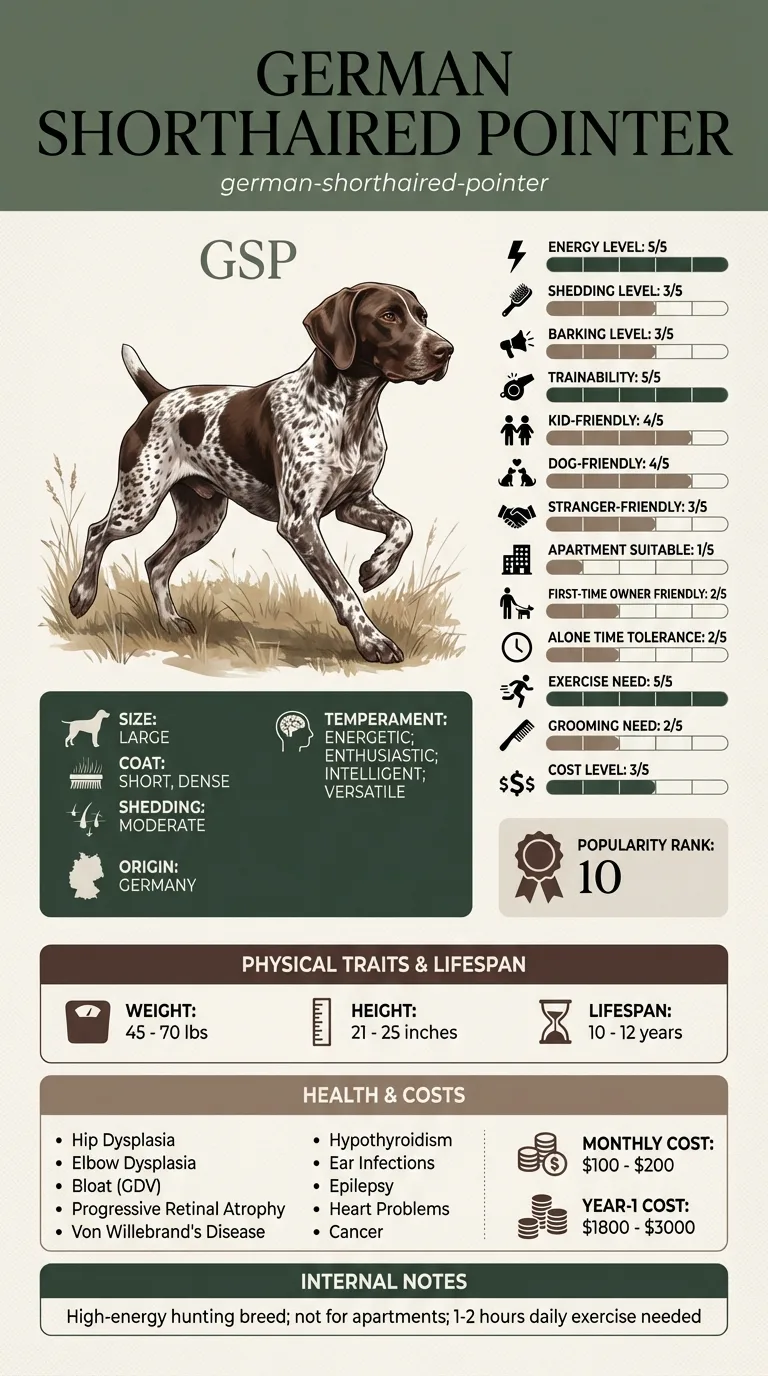
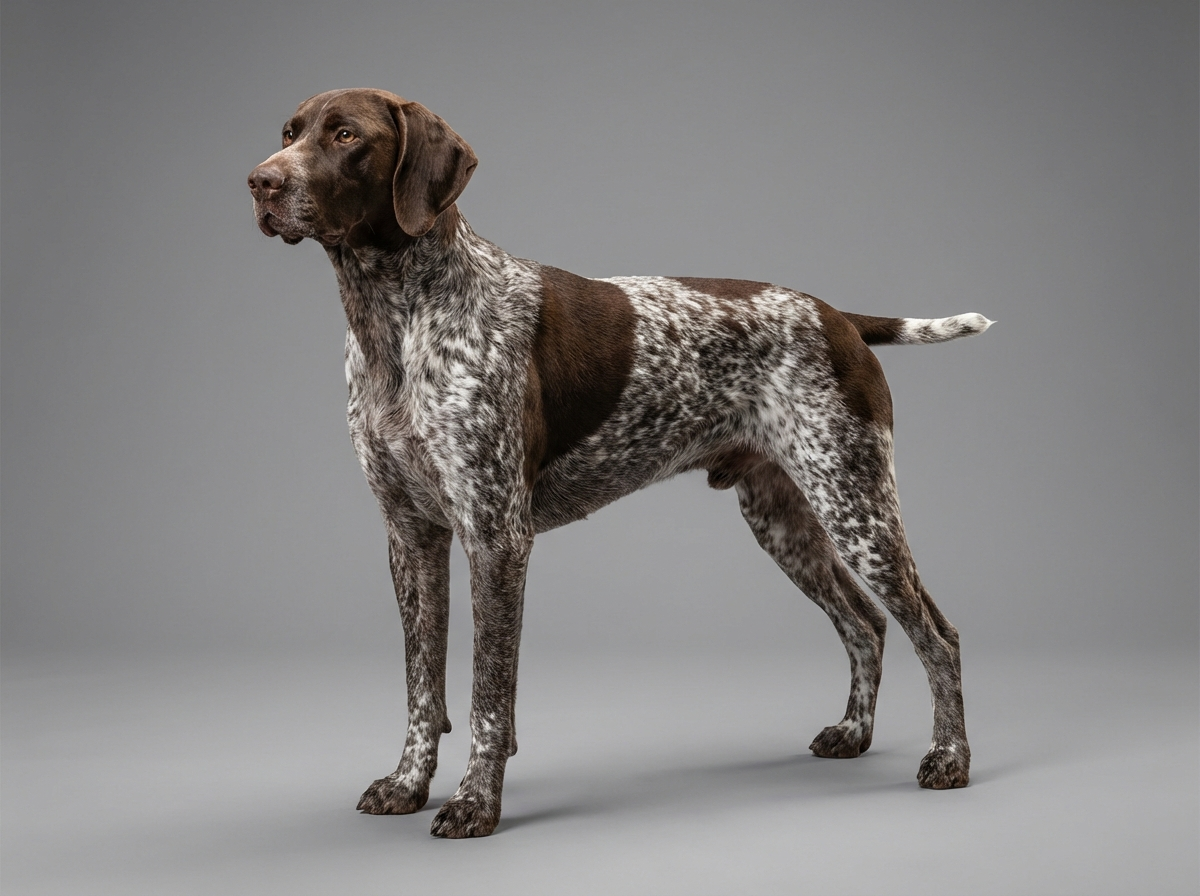
The German Shorthaired Pointer carries two inherited conditions that matter under anaesthesia. Von Willebrand's disease impairs clotting and turns ordinary surgical bleeding into a problem, while hypothyroidism slows metabolism and drug clearance. Heart problems also feature in the breed's health history. On top of those, a working GSP is a lean, heavily muscled athlete with very little body fat, which makes it poor at holding core temperature once anaesthesia removes its ability to shiver.
Most of the controllable risk sits in the process rather than the dog. Booking without screening, arriving at a clinic that has no history for your dog, fasting instructions that get muddled, and a busy day with no dedicated person monitoring recovery all raise risk more than the drugs do. Cold surgical rooms and long procedures compound the temperature problem in a lean dog.
Before surgery, ask for a clotting screen and a thyroid check in any GSP that has never had them, and mention any family history of prolonged bleeding. After surgery, phone the clinic the same day if the incision oozes fresh blood beyond the first few hours, if bruising spreads around the wound, if the gums look pale, or if your dog stays flat and unresponsive into the next day. Go straight back in, treating it as an emergency, for a dog that will not stand, has laboured breathing, has a rapidly swelling incision, or has a distended abdomen with unproductive retching.
See all German Shorthaired Pointer health problems, which breeds are prone to anesthesia sensitivity, or the full German Shorthaired Pointer breed guide for temperament, exercise needs and ownership costs.
Screening should be arranged a couple of weeks ahead so results are back before the booking is confirmed. Most dogs are home the same day and near normal within twenty-four hours. Soft tissue surgery generally needs ten to fourteen days of restriction, and orthopaedic work far longer, following your surgeon's schedule rather than the dog's enthusiasm.
A boring surgery day. The clinic knew the breed's inherited conditions before you arrived, screening was already done, the dog woke warm and comfortable, and the only real challenge was keeping an athletic dog quiet for a fortnight.
Strip out the myths and a short, specific list remains. Every item here traces to something documented in the German Shorthaired Pointer rather than to breed folklore.
Von Willebrand's disease is the mismatch that catches clinics out, because an affected dog looks entirely normal until something cuts it. The blood lacks a factor that helps platelets plug a wound, so bleeding starts on schedule and simply does not stop on schedule. A dog can go through years of hard hunting with nothing worse than the usual thorn scratches, then bleed persistently from a routine spay incision or a tooth socket.
This is not an argument against surgery. It is an argument for knowing before the day. Screening is straightforward and can be done well ahead of an elective procedure, and knowing the result changes the plan rather than cancelling it: the surgical team prepares differently, keeps blood products available where appropriate, and watches the recovery period for slow oozing rather than sending the dog home early.
The practical failure mode is timing. Owners tend to think about it in the waiting room on the morning of surgery, which is the one point at which it is too late to be useful. Ask at the booking call instead.

If you think your GSP has anesthesia sensitivity, the plan is three steps: write down what you have seen and when it started, book a veterinary appointment rather than waiting for the next flare, and take video of the behaviour or symptom before you go — the thing you are worried about rarely happens in the consulting room. Screening in the parents covers hip dysplasia, elbow dysplasia, bloat (gdv).
What the vet visit should produce is a diagnosis and a written plan, not just reassurance: what is being ruled out, what the monitoring interval is, and which signs mean you come back sooner. Ask what the treatment costs across a year rather than per visit, because that is the number that decides whether you are managing this condition or reacting to it.
Between appointments, keep a short log — dates, what you saw, what changed. It is the single most useful thing an owner brings to a follow-up, and for anesthesia sensitivity it is often what separates a clear pattern from a guess.

Juno was seven when a fractured premolar needed extracting. Her owner had read about von Willebrand's disease in the breed years earlier and mentioned it at the booking call, almost apologetically, expecting to be told it was nothing. The practice added a clotting screen to the pre-anaesthetic panel. It came back abnormal. Nothing about the plan changed dramatically, but the day did: the surgery moved to a morning slot so Juno could be watched all afternoon, the team prepared for a slow-bleeding socket, and she stayed until early evening rather than going home at lunchtime. The socket did ooze for several hours. Because it was expected, it was managed in the building rather than discovered at ten at night by an owner alone at home. Juno went home that evening and healed normally.
Key takeaway: Nothing about the surgery was harder because of the diagnosis. It was easier, because a question asked at the booking call turned a potential emergency into a longer, duller day at the clinic.
There is no drug sensitivity documented in the breed comparable to the MDR1 variant in herding breeds or the sighthound issue with certain older agents. Modern protocols are dosed to the individual dog's condition, and a healthy GSP is a straightforward anaesthetic patient.
That the breed carries von Willebrand's disease and hypothyroidism, whether your dog has ever been screened for either, any family history of bleeding after minor injuries, and whether your dog has ever had a murmur heard. Say it at booking, not on the morning.
In this breed, yes. It picks up organ function problems and gives a baseline, and it is also the natural point to add thyroid and clotting screening if your dog has never had them. Ask specifically what the standard panel includes, since a clotting screen is often not part of it.
A fit German Shorthaired Pointer at 45 to 70 pounds carries very little insulating fat, and anaesthesia switches off shivering and normal blood-vessel control. Falling body temperature slows drug clearance and prolongs recovery, so ask what active warming the clinic uses during and after the procedure.
It is a common conversation in deep-chested breeds where bloat is a documented risk, because it means one anaesthetic instead of two. Whether it is right for your dog depends on family history and your vet's assessment, and it is a decision to make with them well before the booking.
Wobbly and disoriented for a few hours, quiet and hungry that evening, close to themselves the next day. The things that should prompt a phone call are bleeding or oozing that continues past the first few hours, a dog that stays flat into the following day, or an incision that swells.
No more than for other healthy large breeds. The breed-specific work is screening for the inherited bleeding disorder and thyroid disease beforehand, not avoiding the anaesthetic itself.
A clotting screen for von Willebrand's disease, arranged ahead of any elective surgery rather than on the day.
Bloodwork and a clotting screen add a modest amount to an elective procedure and a great deal less than managing an unexpected bleed. Ask for the itemised quote at booking.
Follow the surgical restriction, not the dog's mood. This breed feels ready long before the tissue is, and lead-only exercise for the full period is the whole job.
A one-page prep sheet for this condition: the signs, the questions to ask, what to get priced. Unlocks here.
You get: Vet visit prep sheet
No spam. One-click unsubscribe. See our privacy policy.
Preview page 1 before you decide.